Year: 2011
Runtime: 111 min
Language: Japanese
Director: Tony Gatlif
In 20th-century Japan, a story of guilt and redemption emerges. Nobuchi's impulsive proposal to Shizu deeply wounds his friend Kaji, leading to a tragic suicide. Haunted by his actions, Nobuchi seeks spiritual solace. However, his past resurfaces when a young student becomes his protégé, forcing him to confront the pain of betrayal and regret, and ultimately seek a path toward healing and understanding.
Warning: spoilers below!
Haven’t seen Korkoro yet? This summary contains major spoilers. Bookmark the page, watch the movie, and come back for the full breakdown. If you're ready, scroll on and relive the story!
Read the complete plot breakdown of Korkoro (2011), including all key story events, major twists, and the ending explained in detail. Discover what really happened—and what it all means.
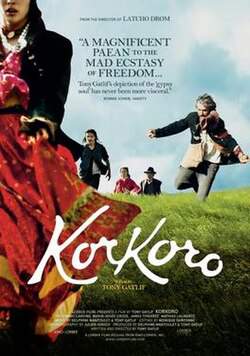
The film takes place during World War II in the rural setting of Vichy France, beginning with a nine-year-old French boy named Claude (Mathias Laliberté) who escapes from an orphanage. Seeking to evade state protection, he encounters a Romani caravan comprising an extended family of twenty men, women, and children. They welcome Claude into their fold, nicknaming him Korkoro, meaning the free one. Captivated by their nomadic way of life, Claude opts to stay with them.
The caravan makes camp near a small wine-growing village, in search of seasonal work in the vineyards and a market for their goods. However, the village is divided, with one faction welcoming the Romani and another viewing them as unwelcome intruders. Among the compassionate villagers are Théodore Rosier (Marc Lavoine), the village mayor and veterinarian, and Mademoiselle Lundi (Marie-Josée Croze), a school teacher and clerk at city hall. The local gendarmerie, aligned with the oppressive Vichy regime, monitors the citizens’ movements through passport documentation, posing a significant threat to the Romani. In a courageous act, Lundi forges their passports, erasing details pertaining to their movements.
When Rosier suffers an accident outside the village, he is saved by the Romani, who use their traditional healing methods to care for him. Grateful for their help, he sells them his father’s house to shield them from the fascist policies aimed at imprisoning the homeless. Lundi also enrolls the Romani children in her school, as they try to adapt. The freedom-loving Romani appreciate the intentions of their French benefactors, yet they grapple with the constraints of living in one place and adhering to the formal rules of education.
As the Nazis invade, Rosier and Lundi’s true identities as members of the French Resistance are revealed, leading to their arrest and brutal torture during interrogation. The Nazis begin rounding up the Romani, sending them to concentration camps. In an act of solidarity and loyalty, Claude, who has been cared for by Rosier, chooses to accompany the Romani as they face the impending doom together.
Last Updated: November 15, 2024 at 17:06
Discover curated groups of movies connected by mood, themes, and story style. Browse collections built around emotion, atmosphere, and narrative focus to easily find films that match what you feel like watching right now.
Stories of resistance and solidarity against overwhelming historical oppression.If you were moved by the moral courage in Korkoro, this thread gathers powerful movies about resistance and solidarity during bleak historical periods. Discover similar stories of defiance against oppression, where characters find strength in community amidst overwhelming darkness.
The narrative typically follows a group or individual confronting a powerful, unjust system, often a fascist or authoritarian regime. The plot centers on the growth of resistance, both internal and external, leading to acts of sacrifice and solidarity that define the characters' humanity even in the face of likely tragedy.
Movies in this thread share a heavy emotional weight, a dark tone rooted in real-world atrocities, and a central theme of moral choice. They are united by a similar pacing that steadily builds tension and a focus on the human cost of oppression, balanced by the necessity of defiance.
Character-driven journeys where profound moral failures lead to inescapable, tragic conclusions.For viewers who appreciated the heavy themes of guilt and the bleak conclusion of Korkoro, this collection highlights movies with similar emotional arcs. Explore stories where characters are haunted by their past and confront the tragic consequences of their actions in narratives with a steady, somber pace.
The plot revolves around a central moral failure—such as betrayal, cowardice, or complicity—that sets off a chain of tragic events. The protagonist is haunted by guilt and seeks a path to understanding or atonement, but the narrative structure ensures that the consequences are inescapable, culminating in a conclusion that offers little solace.
These films are grouped by their shared exploration of guilt and the often bleak outcome of moral crises. They possess a high emotional weight, a dark or bleak tone, and a steady pacing that allows the full impact of the characters' choices to settle. The endings are consistently tragic or bittersweet, reinforcing the heavy themes.
Don't stop at just watching — explore Korkoro in full detail. From the complete plot summary and scene-by-scene timeline to character breakdowns, thematic analysis, and a deep dive into the ending — every page helps you truly understand what Korkoro is all about. Plus, discover what's next after the movie.
Track the full timeline of Korkoro with every major event arranged chronologically. Perfect for decoding non-linear storytelling, flashbacks, or parallel narratives with a clear scene-by-scene breakdown.
Discover the characters, locations, and core themes that shape Korkoro. Get insights into symbolic elements, setting significance, and deeper narrative meaning — ideal for thematic analysis and movie breakdowns.
Get a quick, spoiler-free overview of Korkoro that covers the main plot points and key details without revealing any major twists or spoilers. Perfect for those who want to know what to expect before diving in.
Visit What's After the Movie to explore more about Korkoro: box office results, cast and crew info, production details, post-credit scenes, and external links — all in one place for movie fans and researchers.
Discover movies like Korkoro that share similar genres, themes, and storytelling elements. Whether you’re drawn to the atmosphere, character arcs, or plot structure, these curated recommendations will help you explore more films you’ll love.
Korkoro (2011) Scene-by-Scene Movie Timeline
Korkoro (2011) Movie Characters, Themes & Settings
Korkoro (2011) Spoiler-Free Summary & Key Flow
Movies Like Korkoro – Similar Titles You’ll Enjoy
Maborosi (1997) Film Overview & Timeline
Norwegian Wood (2012) Spoiler-Packed Plot Recap
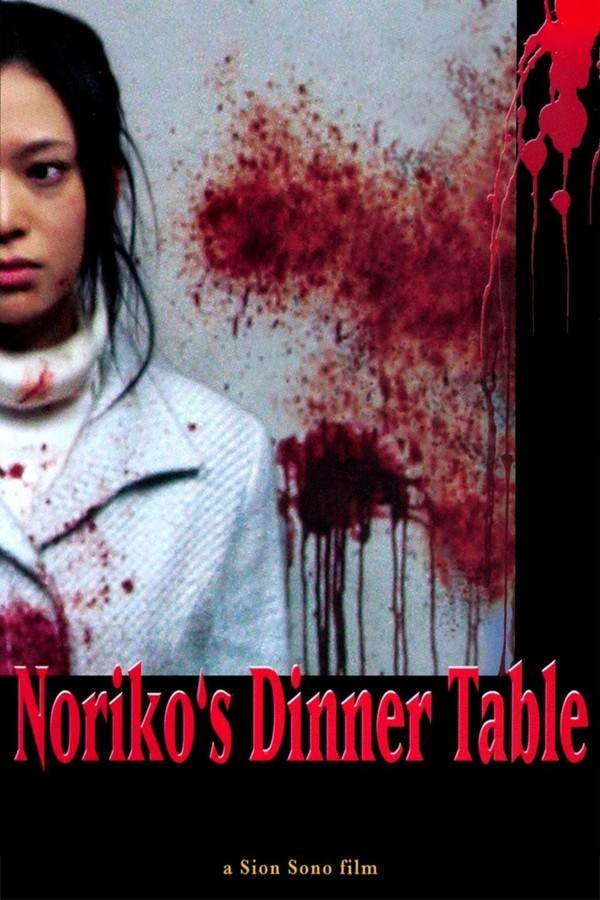
Noriko's Dinner Table (2007) Full Summary & Key Details
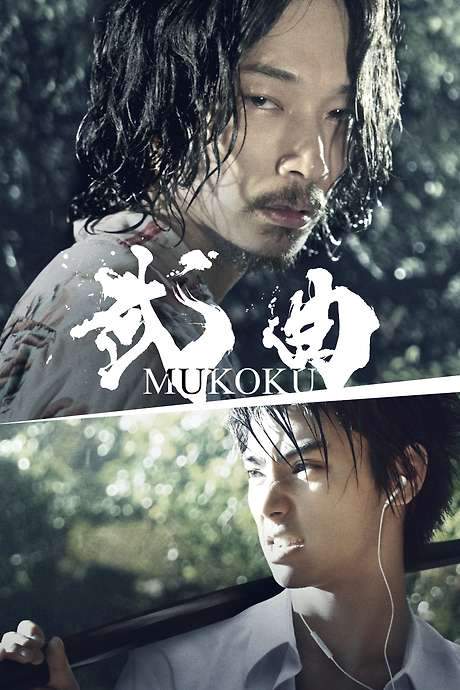
Mukoku (2017) Story Summary & Characters
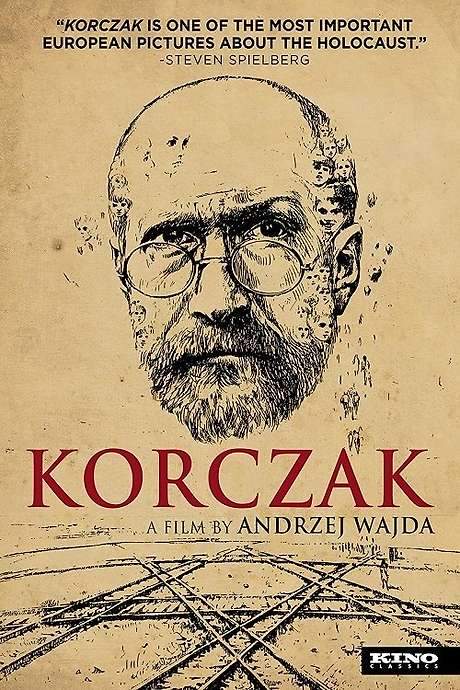
Korczak (1990) Plot Summary & Ending Explained
Kokoloko (2020) Full Movie Breakdown
Corbari (1970) Ending Explained & Film Insights
Story of a Prostitute (1965) Detailed Story Recap
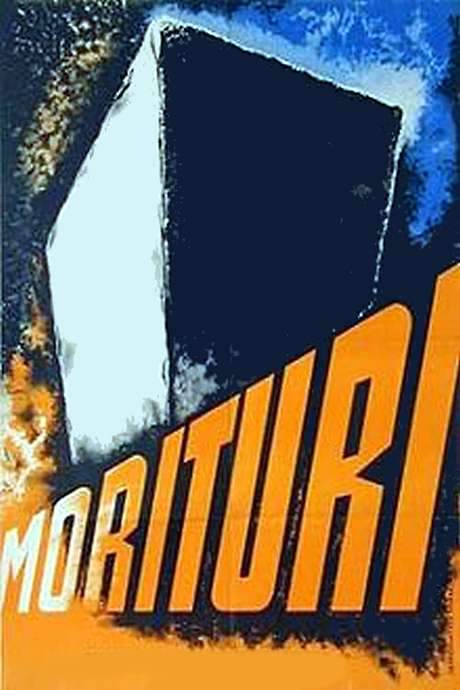
Morituri (1965) Spoiler-Packed Plot Recap
Morituri (1948) Spoiler-Packed Plot Recap
Kokkuri (1997) Complete Plot Breakdown
The Ogre (1996) Full Movie Breakdown
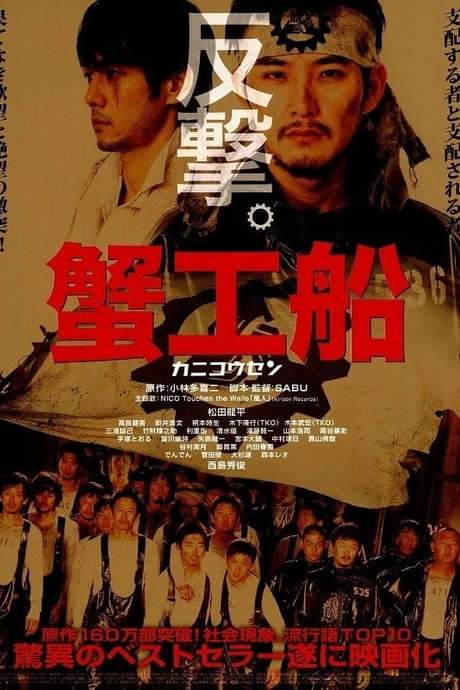
Kanikôsen (2009) Ending Explained & Film Insights
Kōkā (2025) Full Summary & Key Details
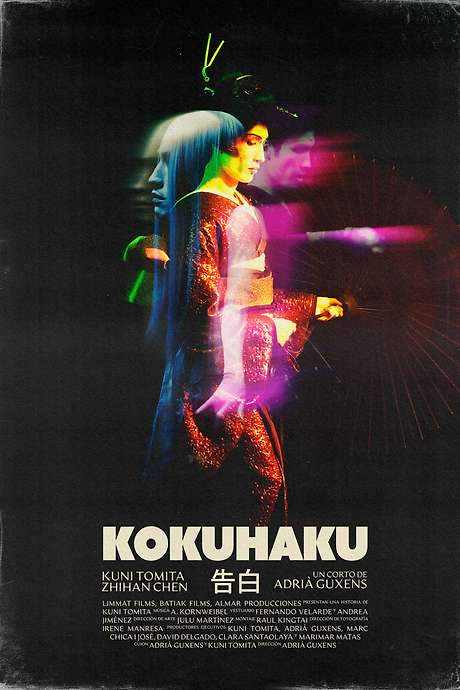
Kokuhaku (2024) Film Overview & Timeline