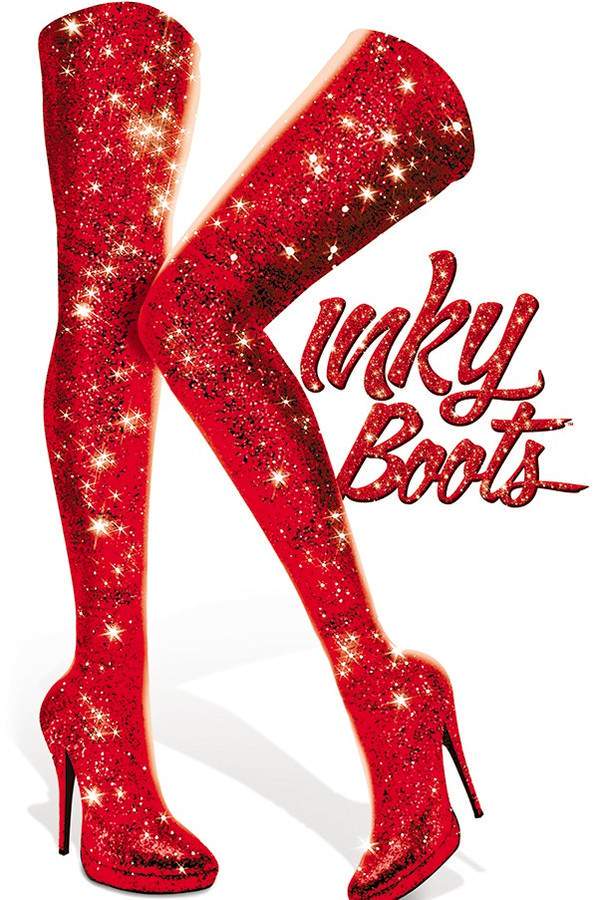
In Northampton, in the East Midlands of England, Charlie Price is trying to save the family shoe factory, a business that has been faltering since his father’s passing. On a business trip to London to move extra stock, he intervenes when he witnesses a woman being harassed by drunken hoodlums, an action that leads to trouble but also awakens a new curiosity in him. Backstage after the incident, he meets Lola, a drag queen performer whose alter ego is Simon, and he discovers an unexpected fascination with how easily drag shoes snap under pressure. This moment seeds a bold idea: design a high-heeled boot that can support a wider range of foot sizes and body types, a niche concept that could revitalize the family operation.
Returning to Northampton, Charlie faces the harsh realities of a factory in trouble. While he contemplates layoffs, Lauren—a pragmatic and quick-thinking employee—suggests that the company search for a niche product to keep the doors open. Charlie hires Lauren to help develop the new boots, and Lola is brought on as a consultant. The early collaboration is rocky: many of the male workers are uneasy about Lola’s presence and the new direction, and Charlie’s engagement to Nicola adds personal strain as she pushes him to sell the factory building to a developer. Yet Lola’s presence gradually softens the atmosphere; she begins to make friends and the atmosphere shifts, even as tensions simmer beneath the surface.
The project hits more turbulence when Charlie is invited to showcase the boots in Milan. The pressure to deliver strains every relationship at the mill: the workers feel pulled between tradition and this flamboyant new direction, and the stress bleeds into Charlie’s engagement. Many employees walk out, including Lola, leaving Charlie with a thinner team and a lot more doubt. The situation turns urgent when Nicola arrives at the factory, furious over a second mortgage Charlie has taken to rescue the business. She urges him to sell, but Charlie remains determined to protect the jobs and the legacy, even as the argument is broadcast over the factory’s PA system.
Don, a chauvinistic worker who has opposed Lola from the start, uses the broadcast to rally the workers against the new plan. He undergoes a quiet transformation after Lola shows him a rare act of generosity—losing an arm-wrestling challenge to earn respect—and leads the push to finish the boots in time. When Nicola discovers Charlie with another man, the stress erupts again, and Lola decides to quit after a painful confrontation. With Milan looming and no one left to model, Charlie must face the runway himself. He travels to Italy with little support and finds himself alone onstage, wearing the boots in a moment of vulnerability.
In the climactic Milan show, Lola and her ensemble of drag performers arrive just in time, turning a potential embarrassment into a spectacular moment. Their dramatic runway presentation not only saves the day but also proves the boots’ viability and appeal to a broader audience. The crowd—made up of many Northampton workers who have stood by the project—witnesses a breakthrough that blends craftsmanship with performance, resilience with style.
The denouement centers on Lola headlining her own show back home and performing a song that pays homage to the “kinky boots factory” of Northampton. The event is well-attended by most of the key workers, who share in the celebration of what the factory has become. Amid the cheers and music, Charlie and Lauren—who have grown closer through the ordeal—begin a new chapter together, signaling a hopeful future for the factory, its workers, and the town. The film ends on a note of community and reinvention, illustrating how a bold pivot can save a legacy and bring people together through courage, creativity, and unlikely alliances.