#1,9348 Year: 2024
Runtime: 2 h 25 m
Language: english
Director: Wes Ball
Echo Score: 65Budget: $160M
Centuries after a virus wiped out most of humanity, apes have become the dominant species and humans live a primitive existence. When a young ape questions the established order, he embarks on a dangerous journey to uncover the truth about the past and the origins of their dominion. His quest forces him to confront a rising threat and ultimately decide the future of apes and the remnants of humankind.
Find where to stream, rent, or buy Kingdom of the Planet of the Apes (2024) in the US with current JustWatch availability, up-to-date pricing, and platform listings for subscription, rental, and digital purchase options.
Warning: spoilers below!
Haven’t seen Kingdom of the Planet of the Apes yet? This summary contains major spoilers. Bookmark the page, watch the movie, and come back for the full breakdown. If you're ready, scroll on and relive the story!
Still thinking about how Kingdom of the Planet of the Apes (2024) ended? Here’s a full breakdown of the ending, key final moments, major twists, and the deeper meaning behind the film’s conclusion.
The movie ends on a note of cautious hope and uncertain future. As Noa and the apes rebuild their world, there’s a clear sense of change in the dynamic between apes and humans. Noa questions whether humans can truly coexist peacefully with apes, given their history of exploitation and violence, while Mae remains hopeful that humans might regain their place as the dominant species. The final scene shows Caesar looking at the night sky, symbolizing his ongoing curiosity and willingness to learn from humans, suggesting he remains open to dialogue and understanding. Meanwhile, Mae looks at the sky with a faint hope, believing that perhaps there's potential for humans to rebuild and seed a new future.
The story also hints at the possibility of re-establishing human civilization, as Mae manages to access satellite communication that allows the surviving humans to reconnect with others underground. This development could lead to new conflicts, especially as humans might seek to reassert their dominance over a world now inhabited by apes. Raka, a wise ape who embodied Caesar’s ideals, sacrifices himself to protect Mae and the hope for harmony, and although it seems the Order of Caesar is gone with his death, his principles and memories are symbolically preserved through the amulet Caesar entrusted to Mae. This act signifies trust in her to carry forward the dreams of coexistence, keeping alive the hope that peace between the species might someday be achieved. The ending leaves viewers pondering the future of the relationship between apes and humans, setting the stage for further stories about whether harmony, conflict, or something in between will define what comes next.
Last updated: June 25, 2025 at 09:02
Read frequently asked questions about the ending of Kingdom of the Planet of the Apes (2024), including final-scene interpretation, twist explanations, character outcomes, and the deeper meaning behind the conclusion. This ending explained FAQ is designed for viewers searching for clear spoiler-heavy answers and ending breakdown insights.
Raka sacrifices himself to protect Mae because he believes in Caesar's ideals of coexistence between apes and humans. Despite knowing Mae may have ulterior motives, Raka chooses to honor the principle of trust that Caesar taught, that peace requires risking vulnerability. His death ensures Mae can complete her mission of accessing the satellite communication, symbolically proving that the ideals of harmony are worth sacrificing for, even if the person who carries those ideals is human.
Earlier, Raka teaches Noa about Caesar's philosophy of 'ape stronger together', establishing his commitment to these principles.
The amulet represents Caesar's trust and his vision for a future where apes and humans can coexist. When Caesar entrusts the amulet to Mae, a human, he places the legacy of his peaceful ideals in the hands of the other species. Although Raka dies and the Order of Caesar appears destroyed, the amulet serves as a symbolic vessel carrying Caesar's memories and dreams forward, suggesting that his principles may endure beyond his followers.
The amulet was introduced earlier as a sacred object representing Caesar's leadership and values.
In the final scene, Caesar looks at the night sky with curiosity and openness, symbolizing his willingness to learn from humans and his ongoing intellectual journey. This moment reflects his belief that apes should not repeat humanity's mistakes but can still learn from humanity's knowledge. His expression suggests hope and contemplation rather than fear, indicating he remains committed to dialogue and understanding between the species.
Throughout the film, Caesar is established as a thoughtful leader who values knowledge and reflection.
Mae's successful access to satellite communication allows surviving humans to reconnect with others living underground. This technological breakthrough could help humans rebuild their civilization, potentially shifting the power balance between species. The ending suggests this could lead to new conflicts as humans might seek to reclaim dominance over the world now ruled by apes, creating tension for future stories.
Mae's knowledge of human technology was established earlier when she demonstrated familiarity with the old world.
The ending is bittersweet because while Noa achieves victory, freeing his clan and defeating Proximus, the future remains uncertain. Raka's death symbolizes the loss of pure idealism, and Mae's actions to secure human advantage cast doubt on whether true peace is possible. Noa and the apes have won their freedom, but the separation from Mae and the unresolved tension between species leave the outcome unclear, embodying the film's theme of fragile, complicated hope.
The film consistently portrays the difficulty of maintaining peace when both species have histories of violence and domination.
Noa survives and leads his clan to freedom after defeating Proximus Caesar. He returns to his people as a hero who challenged the tyrannical rule and restored hope. However, he parts ways with Mae, who chooses to pursue human interests, leaving their relationship uncertain. Noa now carries the weight of deciding whether to continue Raka's peaceful vision or take a harder line against humans.
Noa's journey throughout the film establishes him as a reluctant hero who must choose his own path.
With Raka's death, it appears the formal Order of Caesar, the religious group dedicated to preserving Caesar's teachings, is effectively gone. However, Caesar's principles and memories live on symbolically through the amulet Mae carries. The ending suggests that while the organized order may be finished, the core ideals of coexistence have been passed to both apes and humans, potentially reaching a wider audience than just the faithful few.
The Order of Caesar was shown as a small, devoted group scattered and hunted by Proximus.
Mae remains hopeful that humans can regain their place as the dominant species because she successfully accesses the satellite communication system, giving humans a technological advantage. She believes this capability, combined with human intelligence and resourcefulness, could allow humanity to rebuild and reclaim power. Her hope represents the continuation of human ambition, even after centuries of decline.
Mae's determination to help humans throughout the film shows her belief in humanity's potential.
The ending leaves this question deliberately unresolved, suggesting peace is possible but far from guaranteed. Raka's sacrifice demonstrated the ideals of coexistence, and Caesar remains open to dialogue. However, Mae's actions prioritizing human advancement and the historical patterns of exploitation create doubt. The film suggests that whether harmony, conflict, or something in between defines the future depends on choices both species will make.
The film's themes consistently explore the difficulty of breaking cycles of violence and domination.
Noa and Mae separate because they represent fundamentally different priorities for the future. Noa chooses to focus on his ape clan and their freedom, while Mae commits to helping humanity rebuild and potentially reclaim dominance. Their parting symbolizes the larger divide between the species, despite their bond and shared journey, their loyalties ultimately lie with their own kind, making true unity impossible in the current moment.
Their earlier disagreements about human nature foreshadowed this inevitable separation.
Discover curated groups of movies connected by mood, themes, and story style. Browse collections built around emotion, atmosphere, and narrative focus to easily find films that match what you feel like watching right now.
Stories where sworn enemies must work together to survive a broken world.If you liked the tense coalition between Noa and Mae in Kingdom of the Planet of the Apes, explore more movies like it. These films feature similar sci-fi stories where former enemies must forge uneasy alliances in a post-apocalyptic world, driven by survival and a quest for a better future.
These narratives often follow a hero's quest that challenges a rigid, oppressive system. A protagonist from the dominant faction encounters evidence that their society's history is a lie, leading them to ally with a member of a marginalized or enslaved group. The story builds towards a confrontation with the established power, with the outcome hinging on the strength of this fragile, cross-cultural bond.
Movies in this thread share a specific narrative structure of a 'quest for truth' that forces a re-evaluation of 'us vs. them' ideologies. They are united by a TENSE tone, HIGH intensity action, and a HEAVY emotional weight stemming from themes of slavery, legacy, and the bittersweet hope of building something new from the ashes of the old.
Epic journeys where victory comes at a great personal and moral cost.Fans of the heavy emotional journey and complex ending of Kingdom of the Planet of the Apes will find similar movies here. These films are fast-paced sci-fi adventures with high stakes, where the heroes win a measure of freedom but are left with the burden of a complicated and uncertain future.
The pattern involves a clear hero's journey propelled by a fast pace and high-intensity conflicts. The protagonist undergoes significant personal loss and is forced to make difficult moral choices. The climax resolves the immediate threat, but the ending is bittersweet, acknowledging the sacrifices made and leaving the future uncertain, emphasizing that the struggle for a better world is ongoing.
These films are grouped by their unique blend of a FAST pace and HIGH intensity with a HEAVY emotional weight and a definitive BITTERSWEET ending. They share a specific emotional mix: the thrill of epic action and heroic triumph is tempered by a somber reflection on cost and legacy, creating a powerful and memorable viewing experience.
Don't stop at just watching - explore Kingdom of the Planet of the Apes in full detail. From the complete plot summary and scene-by-scene timeline to character breakdowns, thematic analysis, and a deep dive into the ending - every page helps you truly understand what Kingdom of the Planet of the Apes is all about. Plus, discover what's next after the movie.
Read a complete plot summary of Kingdom of the Planet of the Apes, including all key story points, character arcs, and turning points. This in-depth recap is ideal for understanding the narrative structure or reviewing what happened in the movie.
Track the full timeline of Kingdom of the Planet of the Apes with every major event arranged chronologically. Perfect for decoding non-linear storytelling, flashbacks, or parallel narratives with a clear scene-by-scene breakdown.
Discover the characters, locations, and core themes that shape Kingdom of the Planet of the Apes. Get insights into symbolic elements, setting significance, and deeper narrative meaning - ideal for thematic analysis and movie breakdowns.
Discover movies like Kingdom of the Planet of the Apes that share similar genres, themes, and storytelling elements. Whether you’re drawn to the atmosphere, character arcs, or plot structure, these curated recommendations will help you explore more films you’ll love.
Kingdom of the Planet of the Apes (2024) Plot Summary & Movie Recap
Kingdom of the Planet of the Apes (2024) Scene-by-Scene Movie Timeline
Kingdom of the Planet of the Apes (2024) Movie Characters, Themes & Settings
Kingdom of the Planet of the Apes (2024) Spoiler-Free Summary & Key Flow
Movies Like Kingdom of the Planet of the Apes – Similar Titles You’ll Enjoy
War for the Planet of the Apes (2017) Detailed Story Recap
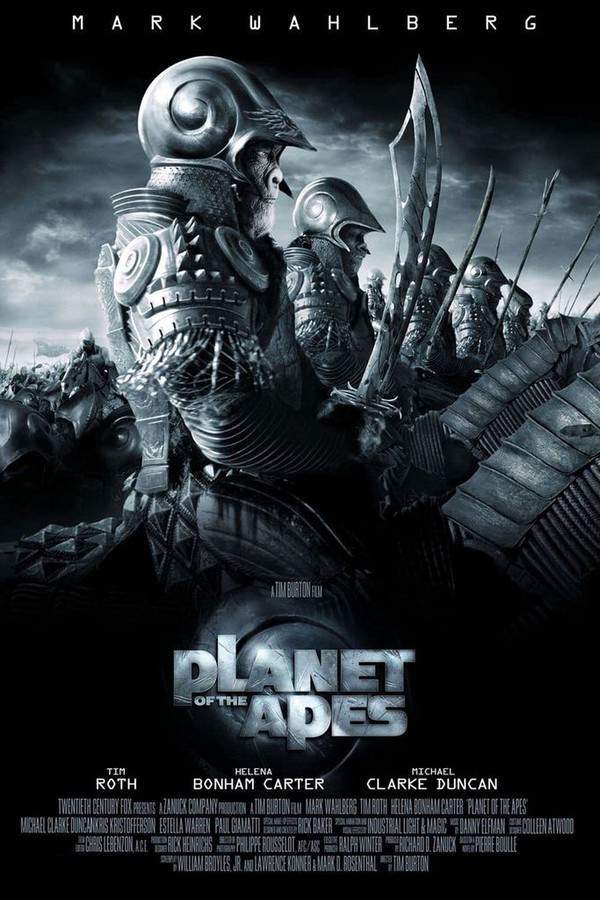
Planet of the Apes (2001) Full Summary & Key Details
Rise of the Planet of the Apes (2011) Full Summary & Key Details
Dawn of the Planet of the Apes (2014) Movie Recap & Themes
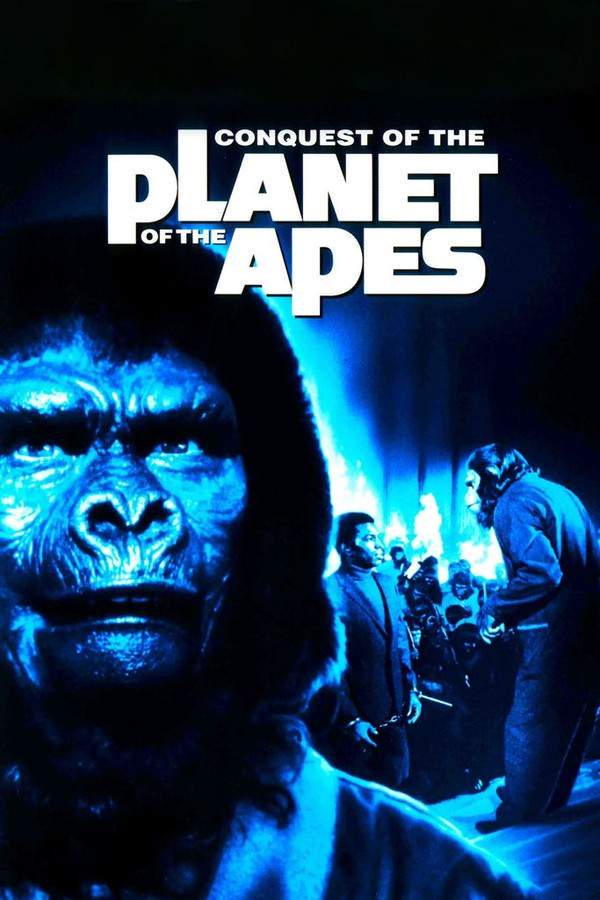
Conquest of the Planet of the Apes (1972) Ending Explained & Film Insights
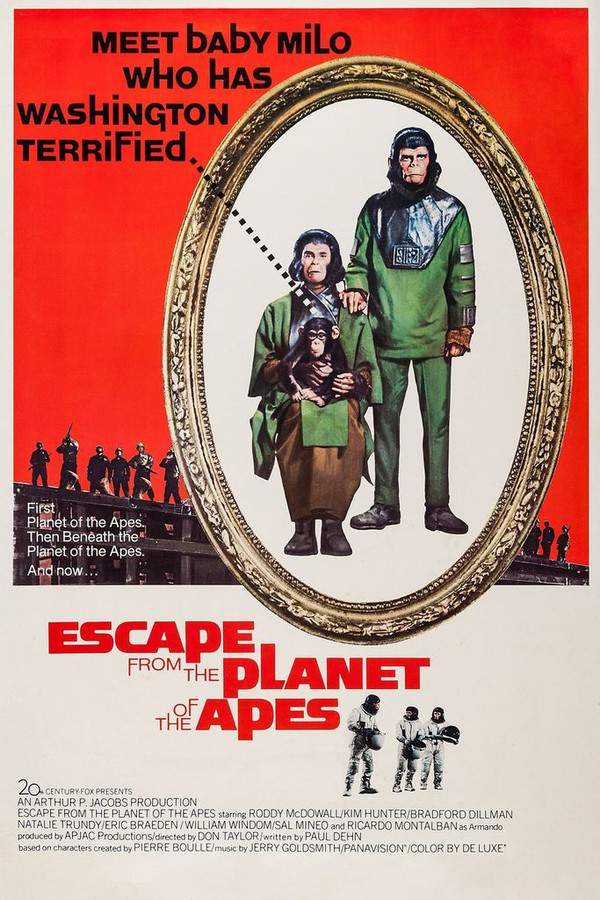
Escape from the Planet of the Apes (1971) Full Movie Breakdown
Battle for the Planet of the Apes (1973) Detailed Story Recap
Revolt of the Empire of the Apes (2017) Film Overview & Timeline
Back to the Planet of the Apes (1980) Spoiler-Packed Plot Recap
Life, Liberty and Pursuit on the Planet of the Apes (1980) Film Overview & Timeline
Farewell to the Planet of the Apes (1980) Spoiler-Packed Plot Recap
Invasion of the Empire of the Apes (2021) Spoiler-Packed Plot Recap
Revenge of the Empire of the Apes (2023) Plot Summary & Ending Explained
Behind the Planet of the Apes (1998) Full Summary & Key Details
King of Kong Island (1968) Movie Recap & Themes