
Khrustalyov, My Car!
Year: 1998
Runtime: 147 mins
Language: Russian
Director: Aleksei German
In 1953 Stalinist Russia, high‑ranking military physician General Klenski is swept up in the anti‑Jewish “doctors’ plot” campaign. Accused of treason and conspiracies against the state, he faces arrest and the harsh realities of a paranoid political purge.
Warning: spoilers below!
Haven’t seen Khrustalyov, My Car! yet? This summary contains major spoilers. Bookmark the page, watch the movie, and come back for the full breakdown. If you're ready, scroll on and relive the story!
Timeline & Setting – Khrustalyov, My Car! (1998)
Explore the full timeline and setting of Khrustalyov, My Car! (1998). Follow every major event in chronological order and see how the environment shapes the story, characters, and dramatic tension.
Last Updated: October 04, 2025 at 16:03
Main Characters – Khrustalyov, My Car! (1998)
Meet the key characters of Khrustalyov, My Car! (1998), with detailed profiles, motivations, and roles in the plot. Understand their emotional journeys and what they reveal about the film’s deeper themes.
Last Updated: October 04, 2025 at 16:03
Major Themes – Khrustalyov, My Car! (1998)
Explore the central themes of Khrustalyov, My Car! (1998), from psychological, social, and emotional dimensions to philosophical messages. Understand what the film is really saying beneath the surface.
Last Updated: October 04, 2025 at 16:03

Explore Movie Threads
Discover curated groups of movies connected by mood, themes, and story style. Browse collections built around emotion, atmosphere, and narrative focus to easily find films that match what you feel like watching right now.
Surreal historical nightmares like in Khrustalyov, My Car!
Historical trauma filtered through a lens of absurdity and nightmare logic.If you enjoyed the bizarre, dreamlike depiction of Stalinist Russia in Khrustalyov, My Car!, you'll find similar movies here. This thread collects films that blend historical drama with surrealism and absurdist comedy, creating a uniquely unsettling and memorable viewing experience.
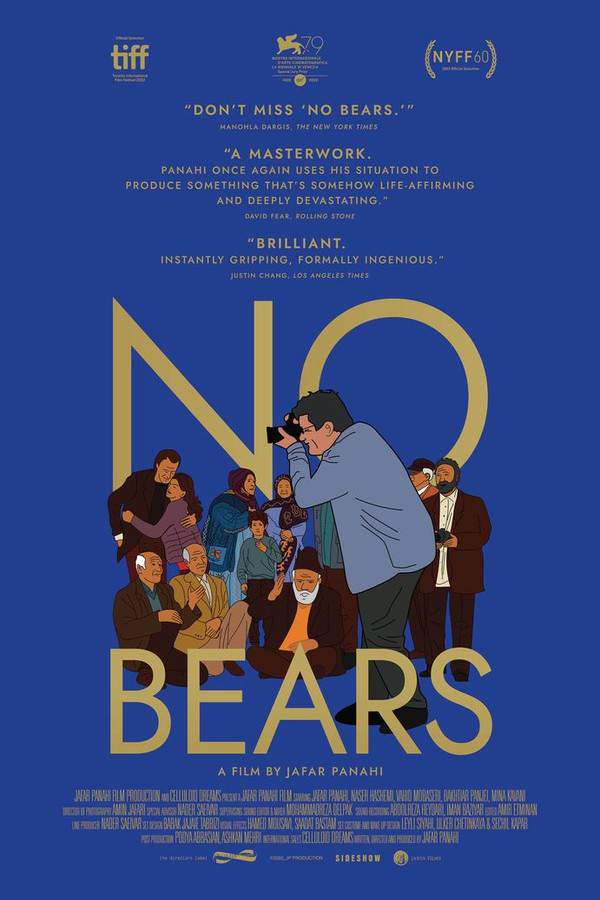

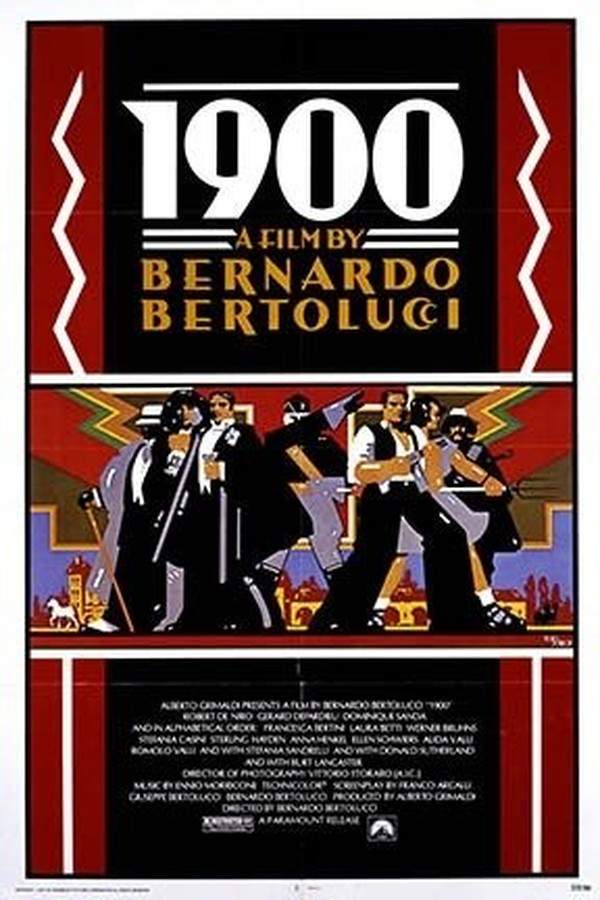

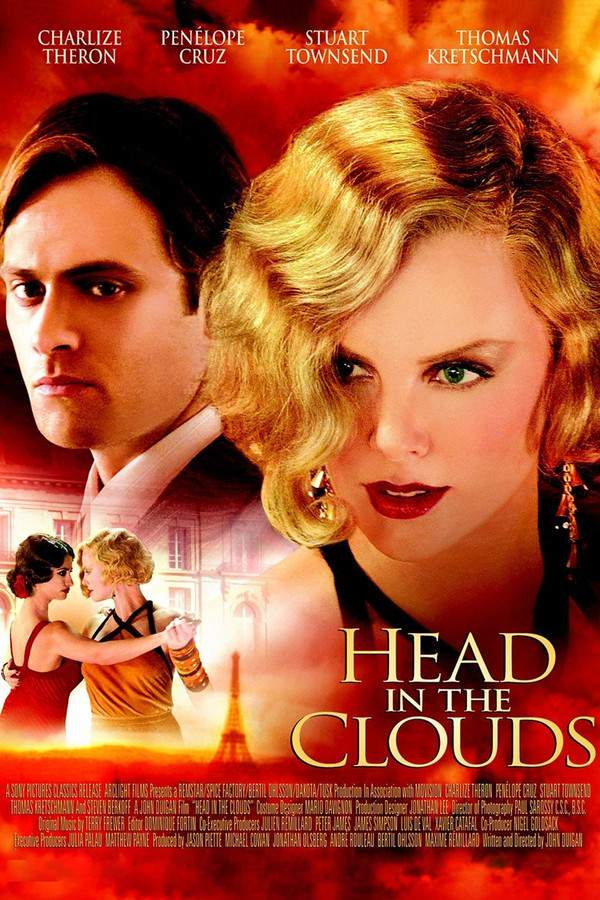
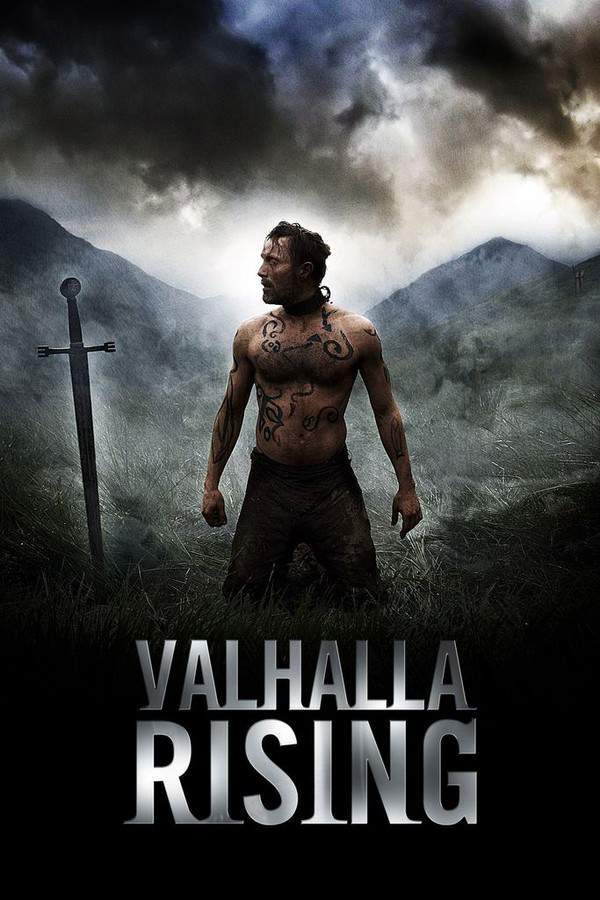
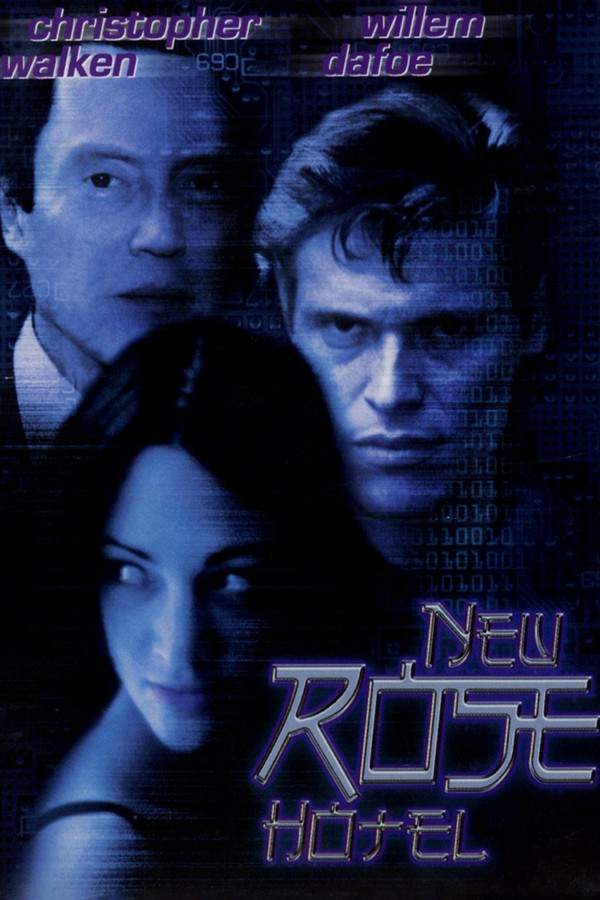
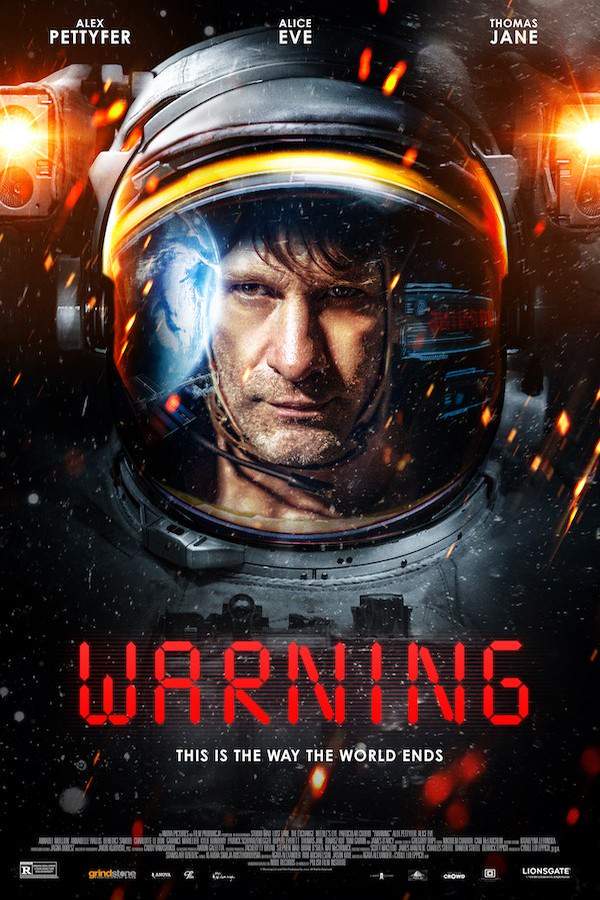


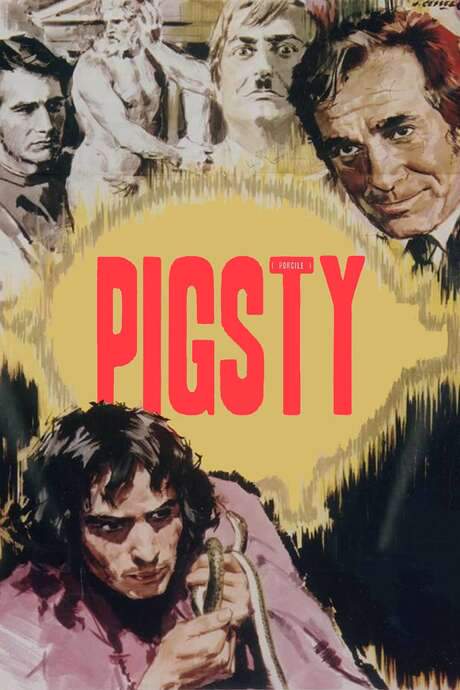

Narrative Summary
The narrative often follows an individual caught in the gears of a vast, irrational political machine. The plot doesn't unfold with conventional logic but rather lurches through a series of symbolic, nightmarish episodes that reflect the protagonist's growing disorientation and the inherent absurdity of the system they're trapped in.
Why These Movies?
These films are grouped by their unique tonal approach to history. They share a BLEAK tone and HIGH intensity, but distinguish themselves through surreal imagery, darkly comic moments, and a COMPLEX, often allegorical, narrative structure that prioritizes psychological truth over strict realism.
Bleak institutional paranoia thrillers like Khrustalyov, My Car!
Stories of individuals crushed by the paranoid logic of the systems they serve.For viewers who appreciated the crushing paranoia and political terror in Khrustalyov, My Car!, this section highlights similar movies about characters being betrayed by their own institutions. These are tense, heavy dramas exploring survival within Kafkaesque systems of power.
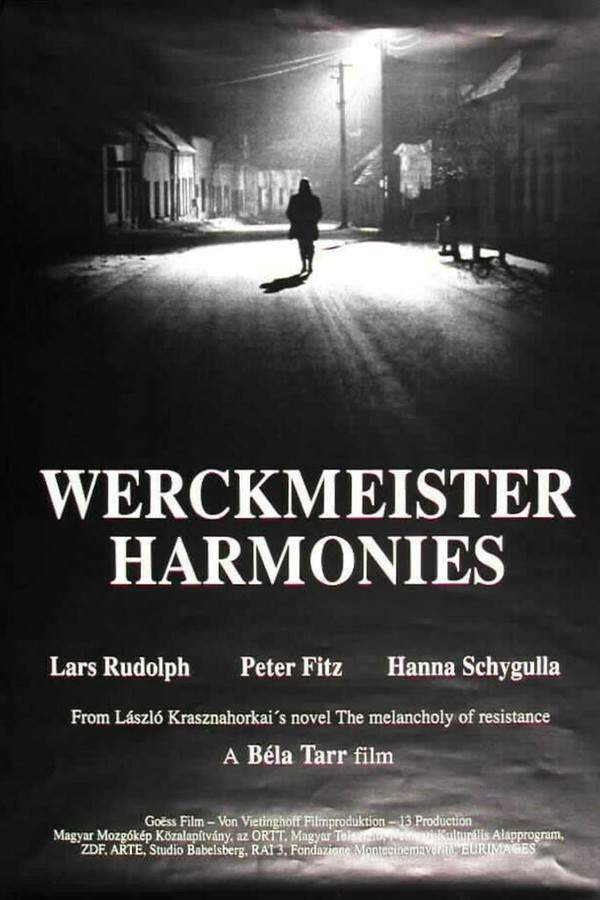

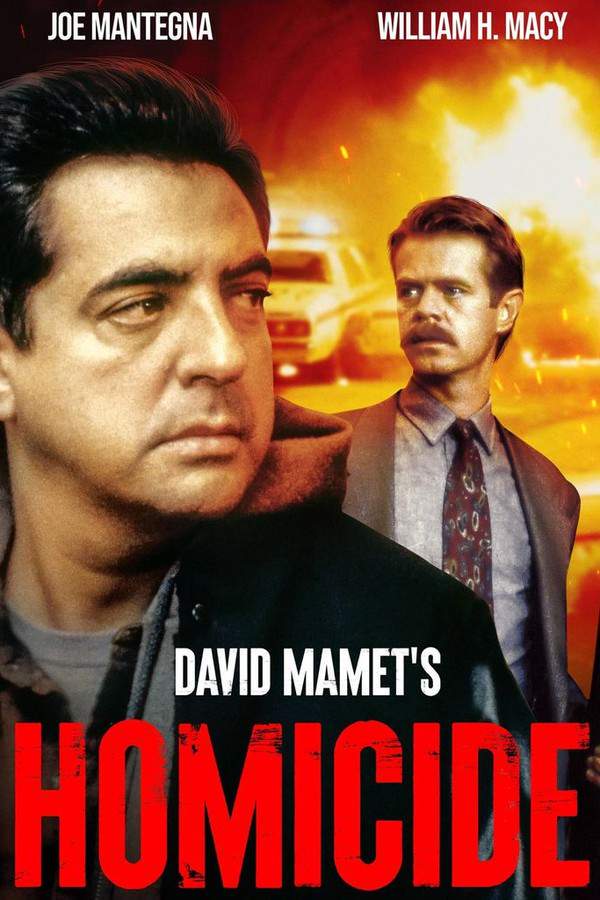
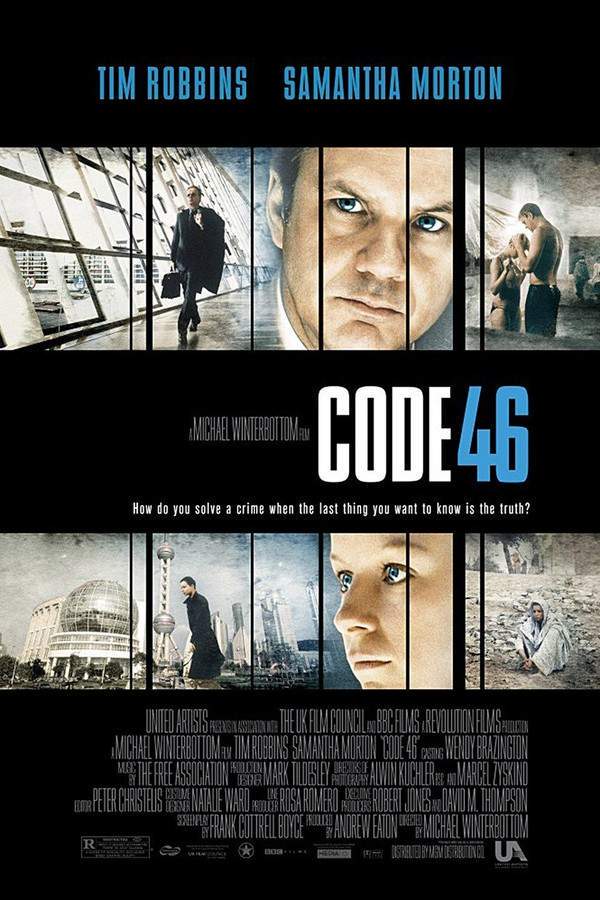
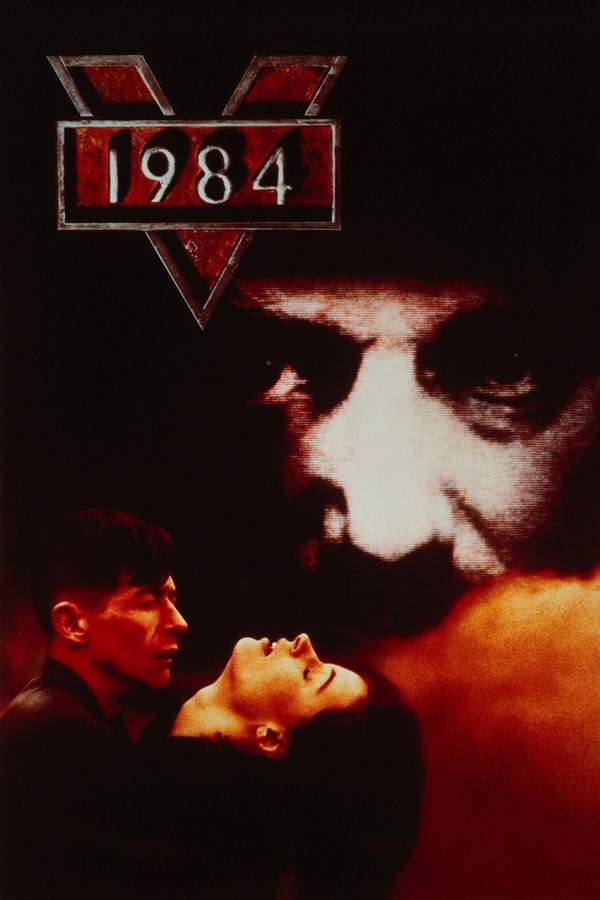




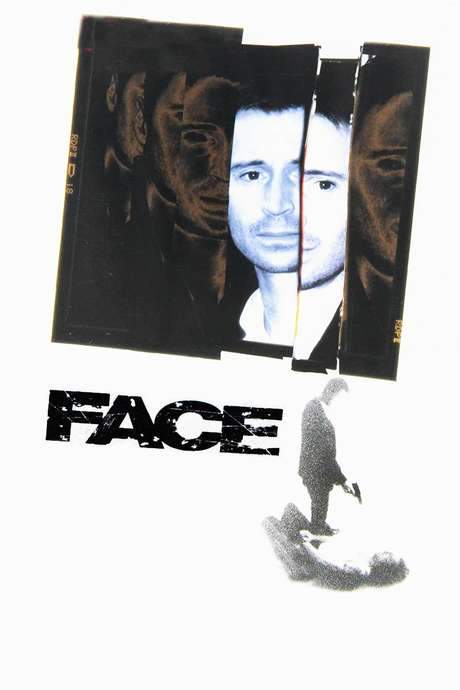
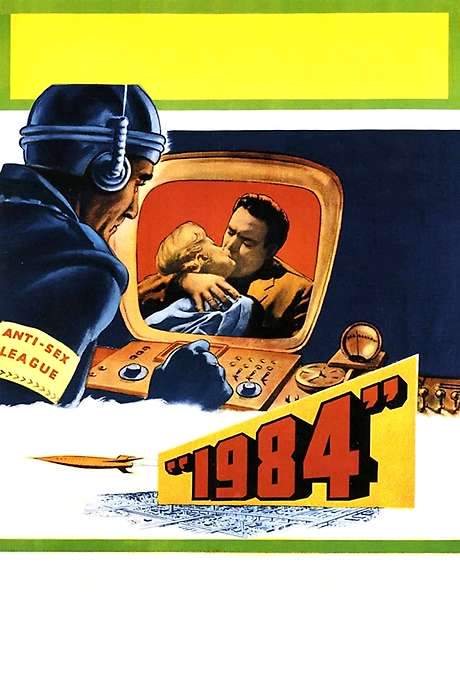
Narrative Summary
The narrative arc typically begins with a character in a position of relative security within an institution. A sudden accusation or shift in political winds turns them into a target, triggering a descent into a world of suspicion, betrayal, and psychological torture. The conflict is against an abstract, systemic force rather than a single antagonist.
Why These Movies?
These movies share a core theme of systemic betrayal and the psychology of paranoia. They are united by a BLEAK tone, HEAVY emotional weight, and HIGH intensity, often featuring VARIABLE pacing that swings between slow-burn dread and sudden, violent shifts in fortune.
Unlock the Full Story of Khrustalyov, My Car!
Don't stop at just watching — explore Khrustalyov, My Car! in full detail. From the complete plot summary and scene-by-scene timeline to character breakdowns, thematic analysis, and a deep dive into the ending — every page helps you truly understand what Khrustalyov, My Car! is all about. Plus, discover what's next after the movie.
Khrustalyov, My Car! Summary
Read a complete plot summary of Khrustalyov, My Car!, including all key story points, character arcs, and turning points. This in-depth recap is ideal for understanding the narrative structure or reviewing what happened in the movie.

Khrustalyov, My Car! Timeline
Track the full timeline of Khrustalyov, My Car! with every major event arranged chronologically. Perfect for decoding non-linear storytelling, flashbacks, or parallel narratives with a clear scene-by-scene breakdown.



Similar Movies to Khrustalyov, My Car!
Discover movies like Khrustalyov, My Car! that share similar genres, themes, and storytelling elements. Whether you’re drawn to the atmosphere, character arcs, or plot structure, these curated recommendations will help you explore more films you’ll love.
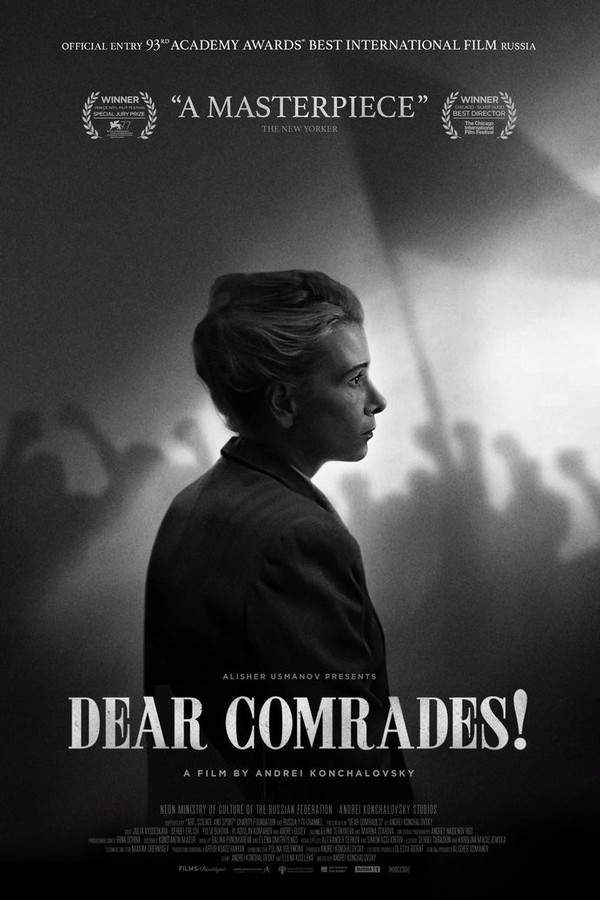
Dear Comrades!
2020
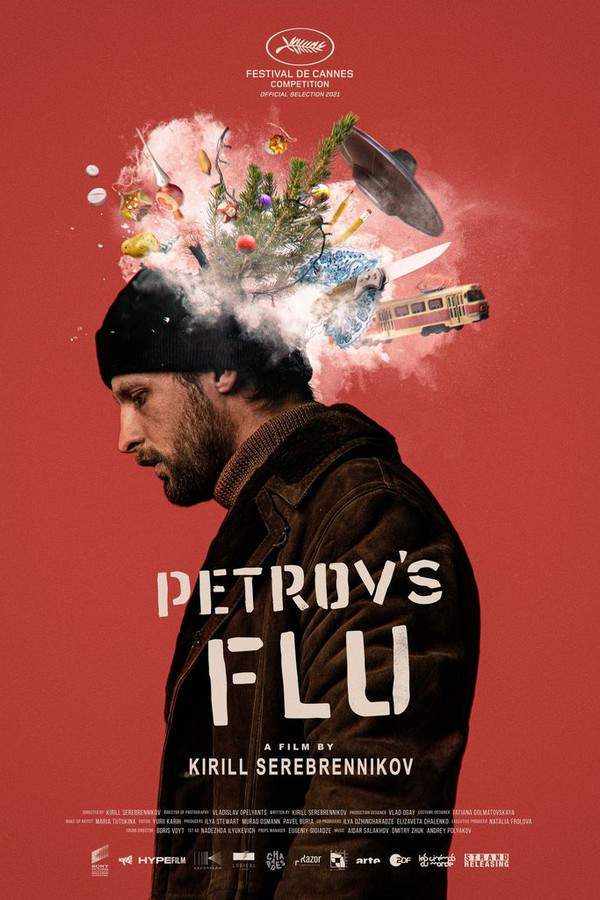
Petrov's Flu
2022

Russian Psycho
2018

Kharms
2017

Defence Counsel Sedov
1988

Captain Volkonogov Escaped
2021

Soviet Milk
2023

Men and Beasts
1962
Chekist
1992

The Girl in the Kremlin
1957

A Severe Young Man
1935

Tractor Drivers
1939

Burnt by the Sun
1994

Within the Whirlwind
2009

The Doctor of Stalingrad
1958
Explore More About Movie Khrustalyov, My Car!
Khrustalyov, My Car! (1998) Plot Summary & Movie Recap
Khrustalyov, My Car! (1998) Scene-by-Scene Movie Timeline
Khrustalyov, My Car! (1998) Spoiler-Free Summary & Key Flow
Movies Like Khrustalyov, My Car! – Similar Titles You’ll Enjoy
Dear Comrades! (2020) Detailed Story Recap
Petrov's Flu (2022) Full Movie Breakdown
Russian Psycho (2018) Plot Summary & Ending Explained
Kharms (2017) Plot Summary & Ending Explained
Defence Counsel Sedov (1988) Ending Explained & Film Insights
Captain Volkonogov Escaped (2021) Detailed Story Recap
Soviet Milk (2023) Story Summary & Characters
Men and Beasts (1962) Ending Explained & Film Insights
Chekist (1992) Story Summary & Characters
The Girl in the Kremlin (1957) Story Summary & Characters
A Severe Young Man (1935) Complete Plot Breakdown
Tractor Drivers (1939) Story Summary & Characters
Burnt by the Sun (1994) Complete Plot Breakdown
Within the Whirlwind (2009) Movie Recap & Themes
The Doctor of Stalingrad (1958) Full Summary & Key Details