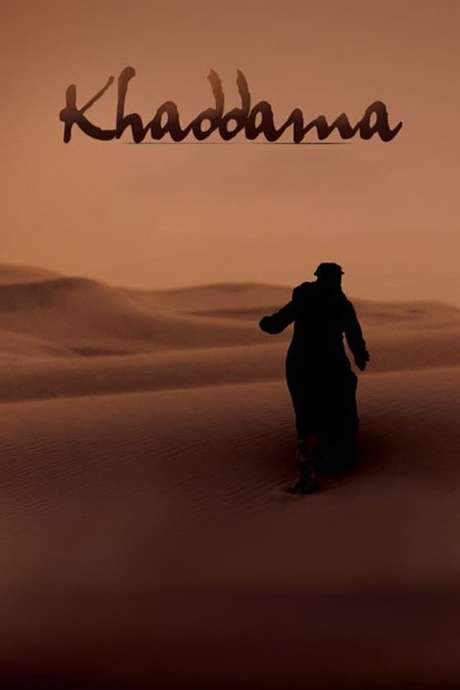
Khaddama
Year: 2011
Runtime: 116 mins
Language: Malayalam
Director: Kamal
A woman from a small town in Kerala marries a thug who vows her a comfortable future, but his death shatters those plans. Left with no choice, she travels abroad and takes up work as a domestic helper, confronting the stark hardships, isolation and exploitation that accompany life as an expatriate housemaid.
Warning: spoilers below!
Haven’t seen Khaddama yet? This summary contains major spoilers. Bookmark the page, watch the movie, and come back for the full breakdown. If you're ready, scroll on and relive the story!
Timeline & Setting – Khaddama (2011)
Explore the full timeline and setting of Khaddama (2011). Follow every major event in chronological order and see how the environment shapes the story, characters, and dramatic tension.
Last updated: October 03, 2025 at 06:42
Main Characters – Khaddama (2011)
Meet the key characters of Khaddama (2011), with detailed profiles, motivations, and roles in the plot. Understand their emotional journeys and what they reveal about the film’s deeper themes.
Last updated: October 03, 2025 at 06:42
Major Themes – Khaddama (2011)
Explore the central themes of Khaddama (2011), from psychological, social, and emotional dimensions to philosophical messages. Understand what the film is really saying beneath the surface.
Last updated: October 03, 2025 at 06:42
Khaddama (2011) Character & Theme Questions Answered – Info FAQ
Browse frequently asked questions about Khaddama (2011) focused on characters, relationships, themes, symbols, setting, and story context. This movie info FAQ gives spoiler-aware explanations for character arcs, world details, and thematic interpretation so readers can better understand what the film is really about.
Where is Khaddama set?
The film is set in two primary locations: Kerala, India, where the protagonist comes from, and Saudi Arabia in the Gulf region where she works as a domestic helper. The Kerala sequences depict a working-class family facing financial strain, while the Saudi Arabia portions show the harsh realities of migrant domestic workers under strict sponsorships.
How does the movie contrast Kerala and Saudi Arabia?
Kerala represents home, family, and financial desperation that drives migration, while Saudi Arabia represents exploitation, isolation, and strict hierarchical control. The film uses this geographic contrast to highlight the vulnerabilities of migrant workers who leave familiar support systems for unfamiliar environments where sponsors hold significant power over their daily lives.
What does Khaddama say about migration?
The film maps the precarious world of migrant labor, showing how families in Kerala depend on remittances from abroad while workers face exploitation and isolation in the Gulf. It follows the journey from Kerala to the Gulf and back, highlighting both solidarity among migrants and systemic neglect from institutions.
What does the movie say about resilience?
Aswathi's determination to support her family demonstrates the strength of ordinary people facing extraordinary pressures. Her endurance through restrictive conditions and abuse shows steadfastness in pursuing dignity and stability. The narrative emphasizes small acts of courage that sustain hope amid hardship.
What kind of exploitation does Khaddama show?
The film exposes gendered vulnerabilities of domestic workers, including restricted clothing, abusive supervision, and power imbalances between sponsors and workers. Sponsors and guardians control daily life, amplifying the risks faced by migrants. The movie critiques systems that strip agency from workers and require resilience as survival.
Who is Aswathi and what is her role in the movie?
Aswathi is a lower-middle-class Malayali woman from Pattambi who becomes the primary breadwinner after her husband's death. She travels to Saudi Arabia for domestic work, where she endures harsh, controlled conditions under a sponsor and faces abuse. Her character represents the sacrifices migrant women make for their families.
Who is Radhakrishnan and what role does he play?
Radhakrishnan is a local man described as a thug who marries Aswathi and promises to reform after confessing his past. The relationship quickly becomes unstable, and he dies by drowning, which forces Aswathi to seek work abroad. His flawed choices and volatile temperament set the stage for her migration.
Who is Razak Kottekkad and what is his role?
Razak Kottekkad is a migrant social worker who identifies unknown Indians whose bodies arrive at the mortuary and works to repatriate them. He actively searches for Aswathi after her disappearance, hears her story, and coordinates her return home. His character embodies dedication, empathy, and cross-border solidarity.
Who is Usman and what role does he play?
Usman is a car driver for an Arab family who helps arrange Aswathi's visa and facilitates her migration. He embodies the power dynamics and moral ambiguity present in the migrant system, engaging in a sexual affair with another maid and ultimately facing expulsion from the sponsor's household.
What are the working conditions like for domestic workers in the Gulf?
The film depicts strict dress codes, hierarchical sponsor systems, and harsh working conditions that control every aspect of a domestic worker's life. Sponsors have significant authority over workers' movements, documents, and daily activities, creating conditions where exploitation and abuse can thrive unchecked.
What is Khaddama's message about labor exploitation?
The movie uses Aswathi's experiences to critique systems that strip agency from migrant domestic workers. It shows how sponsorship systems create power imbalances where workers have few rights or recourse. The film highlights that resilience becomes a necessary survival mechanism in these exploitative conditions.
How does the movie address gendered vulnerabilities?
The film specifically portrays how female domestic workers face compounded risks including restricted clothing, sexual vulnerability, and abuse from supervisors. These gendered experiences illustrate why women migrants are particularly exposed to danger and exploitation in the Gulf domestic work system.

Explore Movie Threads
Discover curated groups of movies connected by mood, themes, and story style. Browse collections built around emotion, atmosphere, and narrative focus to easily find films that match what you feel like watching right now.
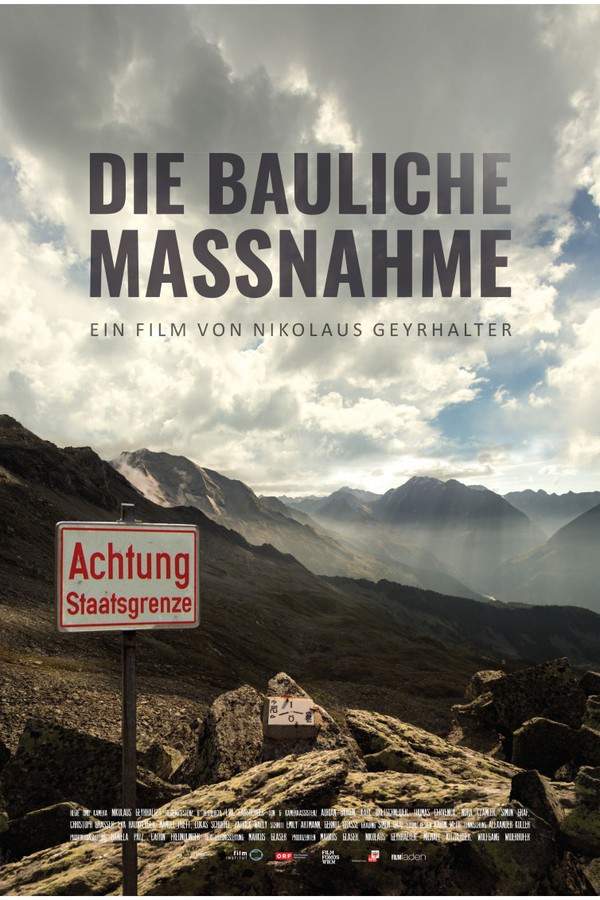
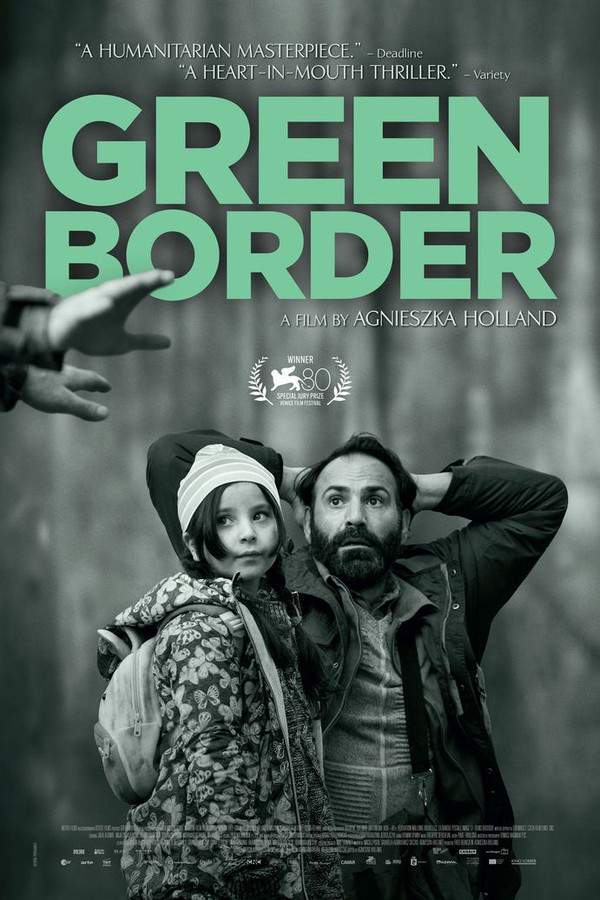
Gritty Migrant Worker Survival Stories Like Khaddama
Harrowing journeys of individuals facing exploitation and isolation far from home.For viewers of Khaddama seeking similar powerful narratives. This list features movies like Khaddama that explore the brutal hardships, exploitation, and resilient spirit of migrant domestic workers and laborers facing isolation and abuse.












Narrative Summary
Narratives typically follow a protagonist forced by circumstance to leave their homeland for menial work abroad. The journey is marked by a descent into hardship, confronting abuse of power, physical and emotional exploitation, and a desperate fight for dignity and survival in an unwelcoming environment.
Why These Movies?
These films are grouped by their shared focus on the bleak, often hidden world of migrant labor. They share a dark, heavy tone, high emotional intensity, and a commitment to social realism, creating a cohesive experience centered on systemic injustice and human endurance.
Movies with Bittersweet Endings After Hardship Like Khaddama
Stories where survival comes at a great cost, leaving deep scars.If you appreciated the emotional journey of Khaddama, explore these films. They share a similar pattern of heavy adversity leading to a bittersweet conclusion, where survival is a victory tempered by devastating personal cost, much like in Khaddama.














Narrative Summary
The narrative pattern involves a character being pushed to their absolute limits by tragic events and sustained hardship. The climax often involves a narrow escape or a small victory, but the resolution acknowledges that the ordeal has irrevocably changed them, resulting in an ending that is neither purely happy nor wholly tragic.
Why These Movies?
These films are united by a specific emotional arc: high sadness and tension leading to a conclusion that is bittersweet. They deliver a heavy emotional weight and a steady, often grim pacing, providing a cathartic experience that acknowledges pain while allowing for a fragile sense of closure.
Unlock the Full Story of Khaddama
Don't stop at just watching - explore Khaddama in full detail. From the complete plot summary and scene-by-scene timeline to character breakdowns, thematic analysis, and a deep dive into the ending - every page helps you truly understand what Khaddama is all about. Plus, discover what's next after the movie.
Khaddama Summary
Read a complete plot summary of Khaddama, including all key story points, character arcs, and turning points. This in-depth recap is ideal for understanding the narrative structure or reviewing what happened in the movie.

Khaddama Timeline
Track the full timeline of Khaddama with every major event arranged chronologically. Perfect for decoding non-linear storytelling, flashbacks, or parallel narratives with a clear scene-by-scene breakdown.


