





Plot Explained Spoilers guaranteed!
Plot Explained

Browse by genre

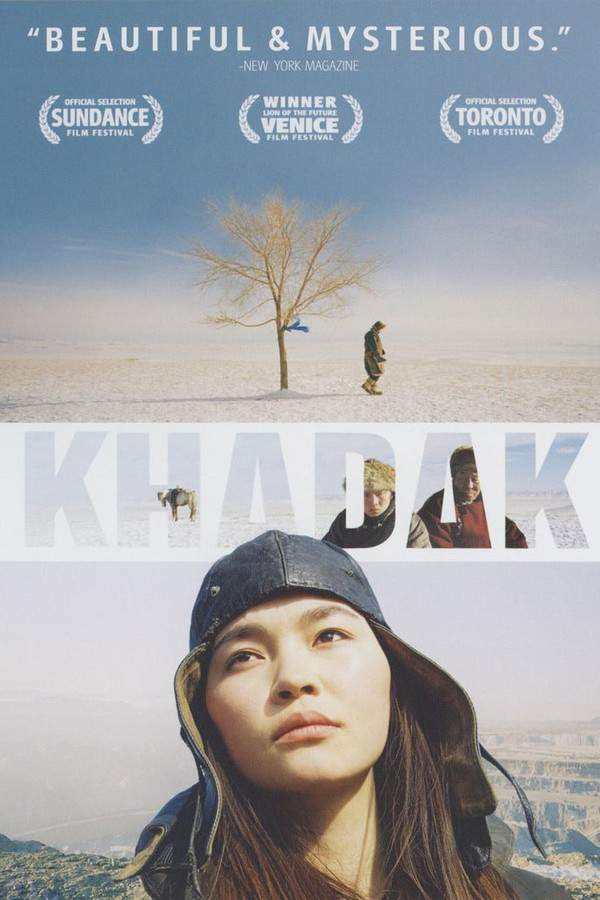
Khadak (2007) movie poster

Characters & Themes

Khadak (2007) Characters, Setting & Themes Explained

Release, runtime and language
2007 · 104 min · Mongolian
Directed by
Jessica Hope Woodworth, Peter Brosens

Set on Mongolia's vast, frozen steppes, young Bagi is destined to become a shaman, embracing an age-old tradition. However, when a deadly plague sweeps across the land, nomadic communities are displaced and forced to seek refuge in harsh mining towns. Amidst the upheaval, Bagi’s path crosses with Zolzaya, a defiant coal thief, leading them on a perilous journey to discover the source of the sickness. Their quest ignites a rebellion that challenges the established order and threatens to reshape their world.

On this page (8)
  1. 1 Where to watch
  2. 2 Characters explained (2)
  3. 3 Where & when it takes place
  4. 4 Themes & meaning (3)
  5. 5 Character & meaning questions
  6. 6 Movie threads
  7. 7 Movies like Khadak
  8. 8 Every angle

Where to watch

Where to Watch Khadak (2007)

Where can you watch Khadak? Stream, rent or buy it in the US, including on FlixFling, AsianCrush and Cineverse: current JustWatch availability with up-to-date prices.

Streaming availability powered by JustWatch

2 main characters · contains spoilers

Khadak Characters Explained: Who Is Who

The main characters of Khadak (2007), heroes and villains: what drives them, how they change over the course of the story and what each of them reveals about the film's bigger ideas.

  • Zolzaya (Tsetsegee Byamba)

    Zolzaya is a young woman imbued with hope and resilience, representing the strength of her people. Throughout the film, she evolves from a figure of despair to one of empowerment, particularly during moments of crisis. Her connection with Bagi intensifies as they both confront their individual and collective struggles, highlighting her crucial role in leading the fight for liberation.

    • 🌸 Hope
    • 🌟 Resilience
    • 👫 Unity
  • Bagi (Batzul Khayankhyarvaa)

    Bagi serves as the emotional core of the story, navigating profound loss while struggling against societal expectations. His character is marked by deep familial ties and a longing to honor his ancestors, which fuels his journey to find meaning and connection. His evolving relationship with Zolzaya underscores the film's themes of unity and strength in adversity.

    • 💔 Loss
    • 🔥 Courage
    • 🌍 Identity

Last updated: October 22, 2024 at 19:36

Was this helpful?

Setting

Where and When Does Khadak Take Place?

The setting of Khadak (2007): the year and time period, the places and locations, and how they shape the characters, the mood and the tension of the story.

Time period

The story unfolds in a time marked by upheaval and change, reflecting the struggles of a community faced with modern threats. The characters navigate their rich traditions while confronting the loss and dislocation brought on by external forces, placing them in a poignant moment of transformation.

Location

Coal mining community, Homeland

The film traverses a stark contrast between Bagi's pastoral homeland and the coal mining community he is forced to inhabit. The rural landscape, once vibrant with life and tradition, is overshadowed by the harsh realities of industrialization. The presence of the blue ribbons tied around trees symbolizes the deep connection to their culture and the memories of a simpler, more peaceful life.

  • 🏔️ Nature
  • 🏭 Industry
  • 🌳 Heritage

Last updated: October 22, 2024 at 19:36

Was this helpful?

3 major themes

Khadak Meaning: Themes & Message Explained

What is Khadak (2007) really about? The emotional, social and philosophical themes the film keeps returning to, its symbolism and the message beneath the surface.

  • Heritage

    The film deeply explores the theme of heritage, showcasing the characters' connections to their roots and the painful consequences of displacement. As Bagi and Zolzaya grapple with their identities, the loss of cultural practices serves to highlight the importance of understanding one’s history. Their journey to reclaim their heritage becomes a powerful narrative of resilience and hope.

  • Loss

    The theme of loss permeates the narrative, illustrated by Bagi’s emotional farewell to his homeland and his pony. This deep-seated sense of grief is compounded by the upheaval of traditional life, as families are torn apart by societal changes. Through Bagi's experiences, the film poignantly articulates how loss can both fracture and strengthen familial bonds.

  • Resistance

    Resistance against oppression takes center stage in the film as Bagi and Zolzaya rally their community in a defiant stand against their captors. The act of using mirrors to blind soldiers symbolizes their struggle for freedom and the reclaiming of their narrative. This theme reflects the indomitable spirit of the people as they fight for their rights and dignity.

Last updated: October 22, 2024 at 19:36

Was this helpful?

Character & theme questions

Khadak Characters & Meaning: Your Questions Answered

The questions people ask about Khadak (2007): who the characters really are, their relationships, what the symbols mean, where it takes place and what the movie is really about. Each answer contains spoilers.

Q1

Where is the movie set?

The story takes place on Mongolia's vast, frozen steppes, primarily dividing its setting between a pastoral nomadic homeland and an industrial coal mining community. The contrast between these two locations represents the broader tension between traditional pastoral life and the encroaching forces of industrialization.

Foreshadowing: The blue ribbons tied around trees in the rural landscape hint at the cultural memory the characters carry with them into the mining towns.

  • mongolia
  • steppe
  • setting
  • mining town
  • pastoral homeland
Q2

What time period is the film set in?

The exact time period is not explicitly stated, but the film depicts a period of upheaval and transformation where traditional nomadic communities face modern threats. It reflects a historical moment when industrialization and external forces began disrupting age-old pastoral ways of life in Mongolia.

  • time period
  • era
  • historical
  • mongolia
  • nomadic
Q3

What are the main themes in the film?

The film explores three interconnected themes: heritage and the importance of cultural roots; loss and the grief of displaced communities; and resistance against oppression. These themes weave together to depict a community's struggle to preserve their identity while confronting devastating change.

  • heritage
  • loss
  • resistance
  • themes
  • cultural identity
Q4

Who is Zolzaya?

Zolzaya is a young woman who represents the resilience and strength of her people. She begins as a figure shrouded in despair but evolves into an empowering leader. Her character becomes central to rallying the community against their captors and leading the fight for liberation.

  • zolzaya
  • character
  • leader
  • resistance
  • hope
Q5

Who is Bagi?

Bagi serves as the emotional core of the story, a young man destined to become a shaman who must navigate profound loss while struggling against societal expectations. His deep familial ties and longing to honor his ancestors drive his journey toward meaning and connection.

  • bagi
  • shaman
  • character
  • heritage
  • loss
Q6

What does the theme of heritage represent in the movie?

Heritage represents the characters' deep connection to their roots and traditional way of life. The painful consequences of displacement force characters like Bagi and Zolzaya to grapple with their identities. Their journey becomes a powerful narrative of resilience as they attempt to reclaim and preserve their cultural heritage against modern threats.

  • heritage
  • tradition
  • culture
  • ancestry
  • identity
Q7

What do the blue ribbons in the film symbolize?

The blue ribbons tied around trees symbolize the deep connection to their culture and the memories of a simpler, more peaceful pastoral life. They represent the enduring cultural memory and traditions that the characters carry with them even as they are forced into the harsh industrial mining environment.

  • blue ribbon
  • symbol
  • tradition
  • memory
  • culture
Q8

What is the tone and mood of the film?

The film has a deliberately slow, atmospheric pacing with a predominantly melancholic tone. It conveys profound sadness for what is lost, cultural traditions, homeland, and way of life. The emotional weight is heavy, dealing with trauma of cultural destruction and plague, with virtually no humor to provide relief.

  • tone
  • mood
  • melancholic
  • atmosphere
  • emotional
Q9

Why is there a contrast between the pastoral landscape and the mining town?

The stark contrast between the vibrant pastoral homeland and the harsh mining community illustrates the clash between traditional nomadic life and industrialization. This visual and thematic divide represents the displacement of indigenous communities and the devastating impact of modernization on age-old cultural practices.

  • nature
  • industry
  • pastoral
  • mining
  • modernization
  • displacement
Q10

What role does shamanism play in the story?

Shamanism represents the spiritual and cultural foundation of Bagi's heritage. Being destined to become a shaman connects him to his ancestors and the traditional spiritual practices of his people. This spiritual dimension adds narrative complexity, integrating mystical visions and guidance alongside the main plot.

  • shaman
  • shamanism
  • spiritual
  • tradition
  • bagi
Q11

How does the film portray resistance against oppression?

Resistance is portrayed through collective action, with Bagi and Zolzaya rallying their community in a defiant stand against their captors. The symbolic act of using mirrors to blind soldiers represents their struggle for freedom and the reclaiming of their narrative. This theme reflects the indomitable spirit of the people fighting for their rights and dignity.

  • resistance
  • rebellion
  • oppression
  • freedom
  • community
  • fight
Q12

What genre and style is the film?

Khadak is a drama film with deliberate slow pacing and atmospheric storytelling. It blends realistic depictions of displacement and oppression with symbolic elements, including mystical visions and spiritual guidance. The narrative complexity is moderate, requiring attention to both plot and symbolic imagery.

  • drama
  • genre
  • style
  • slow cinema
  • atmospheric

Movie threads

More Movies Like Khadak, by Mood & Story

Curated lists built around what makes Khadak tick: the same mood, the same kind of story or the same emotional payoff. Each list explains why these movies belong together.

Mystical Journeys of Spiritual Awakening like in Khadak

Characters on a quiet, introspective path to discover mystical truths and connection. For viewers who appreciated the spiritual quest in Khadak, this section features movies with similar themes of shamanism and mystical discovery. If you liked Bagi's journey to understand his heritage and the source of the sickness, you'll find other films about characters embracing a spiritual destiny.

  • spiritual
  • dreamlike
  • melancholic
  • introspective
  • mystical
  • atmospheric
  • Tone: melancholic, spiritual, dreamlike
  • Pacing: slow, deliberate, atmospheric
Why these movies?

The story pattern: The narrative centers on a character who may be reluctant or unaware of a spiritual destiny, often triggered by a crisis. Their journey is less about action and more about internal revelation, learning to see and interact with a hidden world of spirits, tradition, or cosmic balance.

Why they belong together: Movies are grouped here for their shared focus on a quiet, transformative spiritual journey. They possess a dreamlike, often melancholic tone, a slow pace that emphasizes atmosphere over plot, and a heavy emotional weight tied to themes of heritage and cosmic connection.
Dramas of Cultural Displacement and Resilience like Khadak

Stories about communities uprooted from their land, fighting to preserve their identity. If the themes of forced relocation and the loss of nomadic life in Khadak resonated with you, this collection features similar stories. Discover movies about communities displaced by plague or industry, focusing on their struggle to maintain identity and resist assimilation.

  • oppressive
  • resilient
  • melancholic
  • lonely
  • nostalgic
  • heavy
  • Tone: melancholic, oppressive, resilient
  • Pacing: slow, atmospheric
Why these movies?

The story pattern: The plot is driven by an external force—such as plague, war, or industrial expansion—that displaces a close-knit community. The conflict arises from the clash between their traditional values and the harsh demands of their new environment, leading to a quiet but determined rebellion.

Why they belong together: This thread unites films with a heavy emotional core, centered on the theme of cultural destruction. They share a melancholic and oppressive mood, a slow pace that lets the weight of loss settle in, and a focus on character resilience in the face of systemic oppression.

If you liked this

Movies Like Khadak

Similar movies to Khadak: the same genre, themes or kind of story. Each one comes with its own plot summary, timeline and ending explained.

Browse all movie summaries

Every angle

Khadak (2007) Explained: Plot, Timeline & Characters

Everything about Khadak in one place: what happens in the plot summary, the timeline in chronological order, the characters and meaning and a spoiler-free summary. What's After the Movie adds the cast, box office and post-credit scenes.

Coming soon on iOS and Android

The Plot Explained Movie Summary App

Plot summaries, endings explained and timelines on your phone. Catch up on any movie in minutes, save your favorites and never miss a twist again.

Be the first to know when we launch. Your email stays private, always.

Learn more about the app