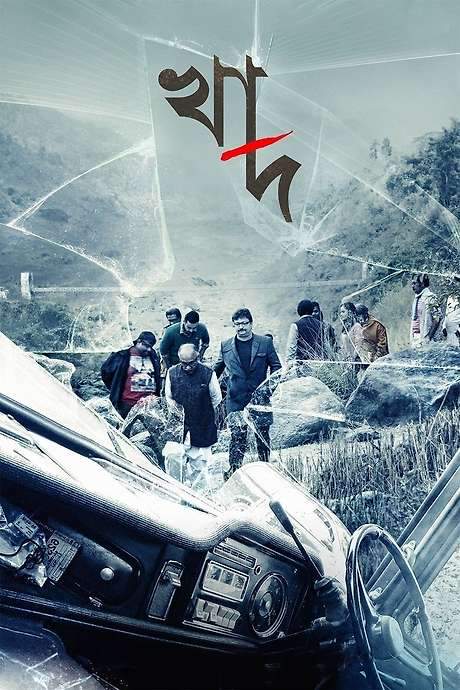
Khaad
Year: 2014
Runtime: 118 mins
Language: Bengali, Bangla
Stranded in New Mal Junction due to a train strike, a diverse group of tourists finds themselves together. Among them are newlyweds, a family on vacation, an elderly woman and her son, a priest, an actress and her brother, a lone trekker, a bus conductor, and a retired teacher. After arranging transport via bus, they embark on a journey to North Bengal, but the trip takes a devastating turn when the bus plummets off a cliff. Miraculously, the passengers survive, though shaken and isolated from the outside world.
Where to Watch Khaad?
Find where to stream, rent, or buy Khaad (2014) in the US with current JustWatch availability, up-to-date pricing, and platform listings for subscription, rental, and digital purchase options.

Streaming availability powered by 
Warning: spoilers below!
Haven’t seen Khaad yet? This summary contains major spoilers. Bookmark the page, watch the movie, and come back for the full breakdown. If you're ready, scroll on and relive the story!
Timeline – Khaad (2014)
Trace every key event in Khaad (2014) with our detailed, chronological timeline. Perfect for unpacking nonlinear stories, spotting hidden connections, and understanding how each scene builds toward the film’s climax. Whether you're revisiting or decoding for the first time, this timeline gives you the full picture.
Last updated: October 03, 2025 at 10:35
Khaad (2014) Timeline Questions Answered – Chronology FAQ
Find frequently asked questions about the Khaad (2014) timeline, including chronological order, nonlinear jumps, cause-and-effect links, and scene sequence clarifications. This timeline FAQ helps explain when key events happen, how moments connect, and why the story unfolds in that specific order.
Why did the priest propose the secret game after the bus crash?
The priest suggested the game as a way for the survivors to cast their secrets into the abyss and begin anew once dawn broke. He framed it as a kind of confessional ritual, believing that revealing hidden truths might help them cope with their trauma and give them psychological relief before attempting to escape. The idea was to use the darkness and isolation as a safe space for confession.
The priest's role as a spiritual figure early in the journey establishes his tendency to guide others through hardship.
Did the confession game actually happen in the story?
No, the confession game never actually happened. The stunning revelation at the end reveals that all the tourists died in the initial bus crash. The entire sequence of the secret game was an illusion, a dying vision or memory of the deceased passengers. The game and all the confessions were part of this posthumous experience, not a real event that occurred after the accident.
The gradual shift from fear to a strange, ceremonial atmosphere hints at something beyond reality.
Why did all the tourists die in the bus accident?
The bus crashed off a cliff into a deep abyss, and despite the initial impression that some survivors made it, the film reveals that all passengers perished in the crash. The wounds they appeared to tend after the accident were actually their fatal injuries. The story's progression through the night was a collective hallucination or memory occurring in the moments after death, before finally succumbed to their injuries.
The description of the bus plumm theyeting into an abyss establishes the severity of the crash.
What is the twist ending of Khaad explained?
The twist reveals that the entire narrative following the bus crash, the survivors stranded in the abyss, the night-long confession game, the revelations and tensions between characters, was all an illusion. All tourists died in the initial accident. The confession game was a metaphorical journey through their final thoughts and secrets as they lay dying. The film then shows their bodies lying dead on a truck, reframing everything the viewer witnessed as a haunting memory rather than reality.
The increasingly surreal and ceremonial atmosphere as the night progresses hints at the supernatural nature of what is occurring.
What does the final scene with the figures walking mean?
The final image shows the remaining figures walking together through the forested abyss toward a path of peace as the credits roll. This appears to represent the characters finding reconciliation and transcendence after death, a metaphorical journey toward rest or spiritual closure. Despite the bleak revelation that they all died, the ending offers a hauntingly peaceful visual, suggesting acceptance rather than torment.
The shift from the tense, confession-filled night to a calm, walking sequence foreshadows the transition from life to death.
Why was the confession game important to the story?
The confession game served as the film's emotional core, revealing each character's deepest fears, regrets, and hidden truths. These revelations exposed the psychological complexity of the passengers and tested their trust in one another. The game also functions as the mechanism that makes the twist devastating, viewers become emotionally invested in these confessions only to learn they were occurring in a space between life and death, rendering the revelations tragically meaningless.
The priest frames the game as a chance to 'begin anew,' which gains bitter irony after the twist.
What caused the bus to crash off the cliff?
The summary indicates the bus encountered a terrible accident while traveling to North Bengal, causing it to crash off a cliff and plummet into an abyss. The specific cause of the crash is not detailed in the provided summary, the film focuses more on the psychological aftermath than the technical details of the accident itself. The crash serves as the pivotal tragic event that sets the entire story in motion.
The journey through the foothills and cliffside road establishes the dangerous terrain.
Who survived the bus crash initially?
The summary initially presents a group of survivors including honeymooners, a family, an elderly woman and her son, a priest, an actress and her mentally challenged brother, a trekker, a bus conductor, and a retired teacher. However, the twist reveals that this perception of survival was illusory, none of the passengers actually survived. The entire post-crash narrative takes place within their dying consciousness.
The description of the survivors being 'shaken and isolated' gains new meaning after the reveal.
Why did the tourists decide to spend the night at the crash site?
The survivors decided to spend the night at the crash site because daylight was fading and they faced a steep 400-500 foot ascent to reach safety. Climbing such a dangerous height in the dark would have been extremely perilous, so they chose to wait until dawn to search for another route out. This decision sets the stage for the night-long confession game.
The mention of 'daylight slipping away' creates the urgency that leads to staying overnight.
What was the significance of the abyss in the story?
The abyss, the deep ravine where the bus crashed, serves as both the physical setting and a powerful symbolic element. The priest frames it as a void into which the group can cast their secrets, treating it like a confessional. After the twist, the abyss gains deeper meaning as the space between life and death, the boundary between reality and the characters' final illusions. It represents the finality of their situation and the unknowable nature of what comes after.
The repeated focus on the abyss as a place of 'casting away' secrets foreshadows its symbolic importance.
How did the actress and her mentally challenged brother die in the accident?
Like all the other passengers, the actress and her mentally challenge brother died in the initial bus crash. The film does not specify their individual fates after the accident within the provided summary. Their inclusion in the confession game, where the actress would have participated alongside other characters, was part of the illusory narrative occurring in their collective dying moments.
The actress's presence in the confession game and the emotional dynamics surrounding her brother were part of the illusion.
Why did the film show survivors tending to their wounds if they were dead?
The wound-tending scenes were part of the illusion experienced by the characters in their dying moments. The film presented a realistic survival narrative, survivors checking injuries, deciding to shelter for the night, and engaging in the confession game, as a way to process what was happening in their final moments of consciousness. This technique makes the eventual twist more devastating, as viewers realize the 'survival' was a psychological experience rather than actual events.
The survivors' injuries are mentioned but never shown healing, maintaining the illusion's internal logic.
What does the title Khaad mean?
Khaad is a Bengali word meaning 'fall' or 'drop,' which directly references the central event of the film, the bus falling off the cliff into the abyss. The title carries symbolic weight, representing not just the physical fall but also the characters' descent into death and the revelation of their hidden truths. The English tagline 'Journey to the Dark' reinforces this theme of descent into darkness and the unconscious.
The title's meaning becomes clearer with the bus crash and the subsequent fall into the abyss.

Explore Movie Threads
Discover curated groups of movies connected by mood, themes, and story style. Browse collections built around emotion, atmosphere, and narrative focus to easily find films that match what you feel like watching right now.
Shocking Reality Twists Like in Khaad
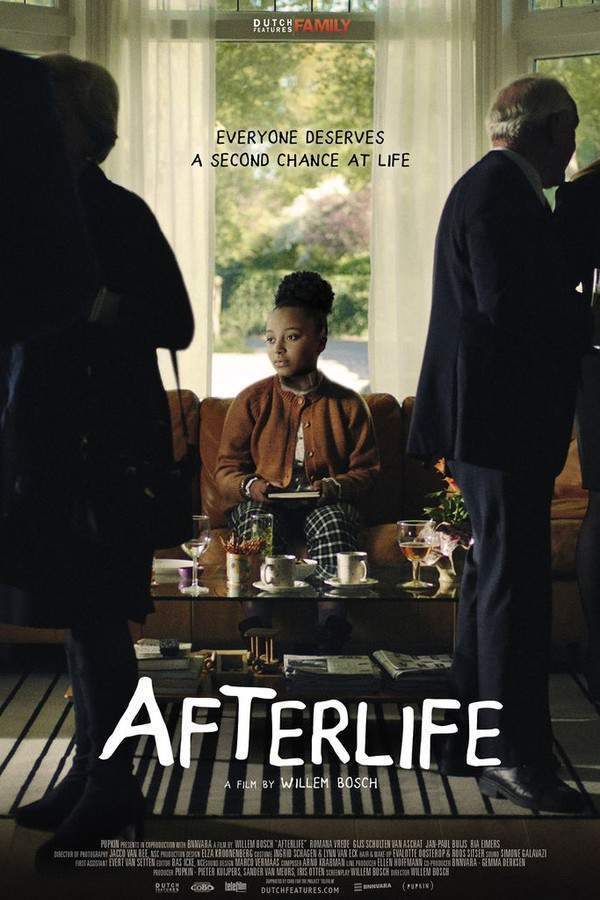
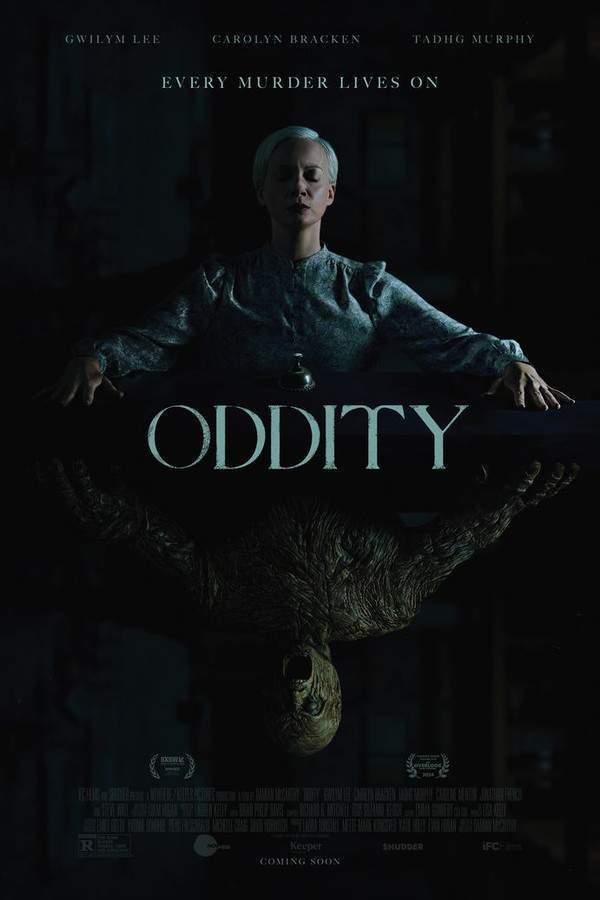
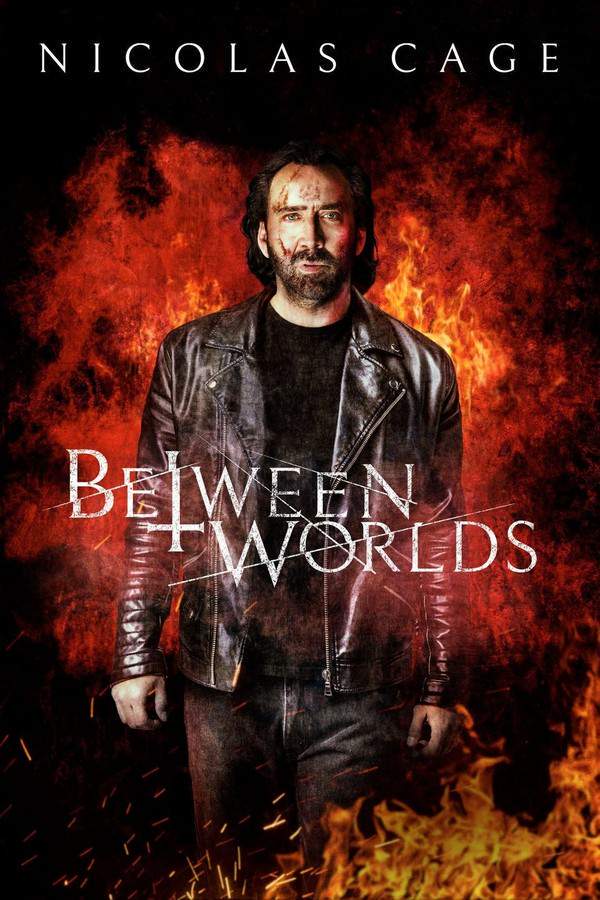
Stories where shocking twists reveal the narrative itself is a final, spectral reflection. Discover movies like Khaad where the story's foundation is a deception. If you appreciated the chilling reveal that the survivors were already dead, you'll find similar films that explore illusion vs reality, the nature of existence, and devastating narrative twists that change everything.










Narrative Summary
Movies in this pattern typically follow characters navigating a seemingly tangible situation—a survival scenario, a mystery, a journey. The narrative unfolds with growing unease until a pivotal twist reveals that the world they inhabit is not real, but a construct, often a purgatorial state or a final collective hallucination experienced after death, making their struggles poignant and tragically futile.
Why These Movies?
These films are grouped by their shared reliance on a major structural twist that redefines the narrative. They create a specific viewing experience: a second, more devastating watch where the initial story gains a deeply melancholic and existential layer. The tone is consistently dark, and the emotional weight is heavy, centered on themes of fate and mortality.
Claustrophobic Group Dramas Like Khaad
A trapped group is forced to confront hidden truths, fracturing under the weight of shared secrets. Explore movies similar to Khaad that focus on tense group dynamics in confined spaces. If you liked the confessional game that unraveled the survivors' secrets, you'll find other films about shared trauma, hidden pasts, and the psychological breakdown of isolated communities under extreme pressure.











Narrative Summary
The narrative pattern involves a group of strangers or acquaintances becoming trapped together, either physically or circumstantially. The confined setting creates a pressure-cooker atmosphere where societal norms break down. A central device, like a ritual or a survival imperative, forces characters to confess their sins, lies, or traumas. This leads to escalating tension, paranoia, and a collective unraveling as the true nature of each person is exposed.
Why These Movies?
These movies share a core focus on the volatile chemistry of group dynamics under duress. They are united by a slow-burn pacing that allows tension to simmer, a claustrophobic mood, and a high intensity driven by psychological suspense rather than physical action. The tone is dark, exploring how crisis reveals the best and worst of human nature.
Unlock the Full Story of Khaad
Don't stop at just watching - explore Khaad in full detail. From the complete plot summary and scene-by-scene timeline to character breakdowns, thematic analysis, and a deep dive into the ending - every page helps you truly understand what Khaad is all about. Plus, discover what's next after the movie.
Khaad Summary
Read a complete plot summary of Khaad, including all key story points, character arcs, and turning points. This in-depth recap is ideal for understanding the narrative structure or reviewing what happened in the movie.

Characters, Settings & Themes in Khaad
Discover the characters, locations, and core themes that shape Khaad. Get insights into symbolic elements, setting significance, and deeper narrative meaning - ideal for thematic analysis and movie breakdowns.


