
After Life
Year: 2002
Runtime: 123 mins
Language: French
In the final chapter of Lucas Belvaux’s trilogy, police officer Pascal regains credibility by chasing escaped convict Bruno, hidden by his morphine‑dependent wife Agnes. Pascal’s fragile bond with Agnes further unravels when he falls for her schoolteacher friend Cecile. While Pascal obsesses over the hunt and his new love, Agnes must confront her addiction and survive alone.
Warning: spoilers below!
Haven’t seen After Life yet? This summary contains major spoilers. Bookmark the page, watch the movie, and come back for the full breakdown. If you're ready, scroll on and relive the story!
After Life (2002) – Full Plot Summary & Ending Explained
Read the complete plot breakdown of After Life (2002), including all key story events, major twists, and the ending explained in detail. Discover what really happened, and what it all means.
Eliot Deacon is a funeral director who owns a quiet funeral home and seems to have a strange, almost unsettling way of interacting with the corpses he prepares for burial. His quiet, almost meditative manner masks a darker side, especially when he meets Anna Taylor (/actor/catherine-frot), a middle school teacher who comes to the funeral home to pay her respects after the passing of her beloved piano teacher. Their encounter sparks the beginning of a disturbing series of events.
That same night, Anna finds herself in emotional turmoil after an argument with her boyfriend, Paul. Distraught, she drives away, only to be involved in a traffic accident. Instead of waking up in a hospital, she awakes on an embalming table in Eliot's funeral home. Confused and terrified, she quickly learns from Eliot that she has actually died and is now part of his world. Eliot tells Anna that he has a special gift — he can hear and communicate with the dead — and displays a collection of photographs of corpses he claims to have helped transitioned peacefully. He injects Anna with a fictional drug called hydronium bromide, which he says relaxes her muscles and prevents rigor mortis from setting in.
Eliot insists that Anna must come to terms with her death and warns her that she cannot see her loved ones yet. Despite her efforts to escape, she is kept against her will as Eliot manipulates her, claiming that she had been living a life she didn't truly embrace. Over time, Anna begins to believe she is really dead, especially after Eliot shows her her reflection, revealing the corpse-like pallor of her skin. This pushes her into a profound psychological struggle. During this ordeal, her student Jack visits the funeral home, and Eliot impresses upon him that they share a special gift—similar to the biblical miracles of Jesus raising Lazarus—and offers to teach Jack more. Jack, fascinated, accepts the offer and is later seen burying a living chick in a box, hinting at Eliot’s disturbing teachings and the potential consequences of such "gifts."
As Anna's time in the funeral home continues, she desperately pleads for one last chance to see herself alive. Eliot obliges briefly with a mirror, and her breath condenses on the glass, shocking her into realization—she is not truly dead. She accuses Eliot of lying, but before she can escape, Eliot injects her one final time, and she slips into unconsciousness. During her funeral, Paul places the engagement ring he had planned to give her that very night on her finger, believing she was lost forever.
The story takes a darker turn after the funeral. Paul, overwhelmed with grief and alcohol, becomes increasingly aggressive and suspicious. Eliot taunts him, encouraging him to confront the truth and see for himself that Anna is truly dead. Meanwhile, as Anna awakens in her coffin, she screams and scratches at the satin lining, desperately trying to escape her entrapment. Driven by grief and intoxication, Paul rushes to the cemetery in a drunken state. When he finds Anna there, alive and crying out, they share a touching reunion, with Anna reaffirming her love for Paul.
However, the nightmare is far from over. Paul notices an odd sound—Eliot’s gloves and scissors on his embalming table—and questions what is happening. Suddenly, he finds himself back in the funeral home, with Eliot standing over him, preparing his body as he had done with Anna. Eliot coldly explains that Paul never made it to the cemetery because the accident killed him; he was never truly alive after the crash. Paul protests, insisting he's still alive, but Eliot silence him with a deep penetration into his torso with an embalming trocar, sealing his fate.
This haunting story explores themes of mortality, the thin line between life and death, and the dark depths of obsession. Eliot’s unsettling ability to communicate with the dead and his manipulative psyche create a chilling atmosphere, leaving viewers questioning what is real and what is illusion until the very end.
Last updated: August 19, 2025 at 05:12
After Life (2002) Plot Questions Answered – Summary FAQ
Explore frequently asked questions about After Life (2002) with spoiler-rich answers covering the full plot summary, major story beats, character motivations, hidden details, and ending meaning. This movie summary FAQ helps explain confusing scenes, plot twists, and narrative decisions in clear, searchable detail.
Why does Eliot keep Anna at the funeral home after her accident?
Eliot is obsessed with what he perceives as the 'unliving' - people who he believes weren't truly living their lives. He manipulates Anna into thinking she's died because he genuinely believes he's helping her 'transition' by forcing her to confront mortality. His delusion is reinforced by his ability to communicate with actual corpses, blurring his understanding of who is truly dead.
Eliot mentions his 'gift' of hearing the dead before Anna arrives, setting up his twisted mission.
Is Anna really dead when she wakes up at the funeral home?
No. Anna is seriously injured from the car accident but she is alive. Eliot deceives her using a fictional drug called hydronium bromide and psychological manipulation. The proof comes when she sees her breath condense on a mirror - a clear sign of life that Eliot tries to suppress by drugging her again.
Eliot shows Anna photographs of corpses he 'helped transition,' establishing his pattern of delusion.
What is the 'hydronium bromide' that Eliot gives Anna?
Hydronium bromide is a fictional drug that Eliot uses to strengthen his deception. He tells Anna it relaxes her muscles and prevents rigor mortis, but it's actually a sedative that keeps her unconscious and compliant. This drug doesn't exist in real medicine and is part of Eliot's elaborate scheme to convince victims they're dead.
Why does Eliot approach Jack and offer to teach him his 'gift'?
Eliot sees Jack as a potential disciple who shares his supposed ability to communicate with the dead. By comparing himself to Jesus raising Lazarus, Eliot justifies his actions as spiritual work. This shows his deepening corruption - he's now recruiting vulnerable young minds into his delusions, as evidenced by Jack burying a living chick.
What happens during Anna's funeral and why does Paul leave the ring?
At Anna's funeral, Paul places his engagement ring on her finger - he had planned to propose that very night before the accident. He's devastated and doesn't know she's actually alive in the coffin. This moment is heartbreaking because Anna is unconscious from Eliot's drugs and unaware of his gesture.
The argument at the restaurant earlier involved Paul planning to propose that night.
How does Anna escape from her casket at the cemetery?
After regaining consciousness in her coffin, Anna screams and scratches frantically at the satin lining until she breaks through the casket and climbs out of the grave. The exact mechanism isn't shown in detail, but her desperation and survival instinct allow her to escape before being buried too deep.
The mirror scene earlier showed her realizing she was alive, giving her the will to fight.
What is the twist ending of the movie?
The twist is that Paul also died in the car crash. When he 'rescues' Anna at the cemetery, both are actually dead - experiencing their final moments of consciousness. After their reunion, Paul finds himself back at the funeral home where Eliot is preparing his body for burial, revealing his 'alive' reunion was a dying hallucination. Both victims never survived the accident.
Eliot's earlier comment that Paul 'never made it to the cemetery' foreshadows this revelation.
Why does Eliot prepare Paul's body if Paul arrived at the cemetery alive?
The movie reveals Paul was never alive after the crash - his journey to the cemetery was a death hallucination. Eliot explains that Paul died in the same accident that 'killed' Anna. Eliot treats all crash victims as his 'patients' to 'help transition,' regardless of whether they're alive or dead, because his delusion prevents him from recognizing the living.
Eliot's earlier line about Paul never making it to the cemetery gains meaning.
Why does Anna eventually believe she is dead?
Anna succumbs to Eliot's manipulation through a combination of factors: her disorientation upon waking, the surreal funeral home environment, Eliot's confident claims, the drug's effects, and most powerfully, seeing her corpse-like reflection. When Eliot shows her the mirror and she sees her pale, dead appearance, she breaks psychologically. It's only when she notices her breath that she realizes the truth.
The initial encounter at the piano teacher's funeral introduced Anna to the funeral home's unsettling atmosphere.
What is Eliot trying to achieve with the people he 'helps'?
Eliot believes he has a divine gift to help the dead 'transition' to the afterlife peacefully. He sees himself as a spiritual guide for people who 'weren't truly living' - forcing them to confront death so they can accept it. This is why he targets people in emotional distress (like recently bereaved Anna) and tries to teach his 'gift' to children like Jack.
His collection of photographs represents his previous 'successes.'
What actually happened in the car accident that night?
The accident occurs after Anna's argument with Paul at the restaurant. Distraught, she drives away and crashes. Both she and possibly Paul were seriously injured. The film implies Paul died instantly while Anna survived briefly before Eliot took her body. Their entire post-accident experience - Anna's captivity, escape, and reunion with Paul - happens in a liminal state between life and death.
The timeline starts with their argument and ends with the accident.
Why is the ending considered so bleak and hopeless?
The ending is devastating because Anna's apparent escape and reunion with Paul is revealed as an illusion. Their love story doesn't get a happy ending - both died in the crash, and Eliot's manipulation prevented either from knowing the truth while alive. The final image of Eliot preparing Paul's body confirms the story's nihilistic premise: there was no escape, no salvation, only death.

Explore Movie Threads
Discover curated groups of movies connected by mood, themes, and story style. Browse collections built around emotion, atmosphere, and narrative focus to easily find films that match what you feel like watching right now.
Claustrophobic psychological thrillers like After Life
Stories where the mind is the ultimate prison and reality is a trap. If you liked the oppressive tension and psychological manipulation in After Life, explore more movies where characters are trapped by deception or confinement. These films share a dark tone and heavy emotional weight, focusing on stories of false imprisonment, gaslighting, and a chilling, claustrophobic atmosphere.







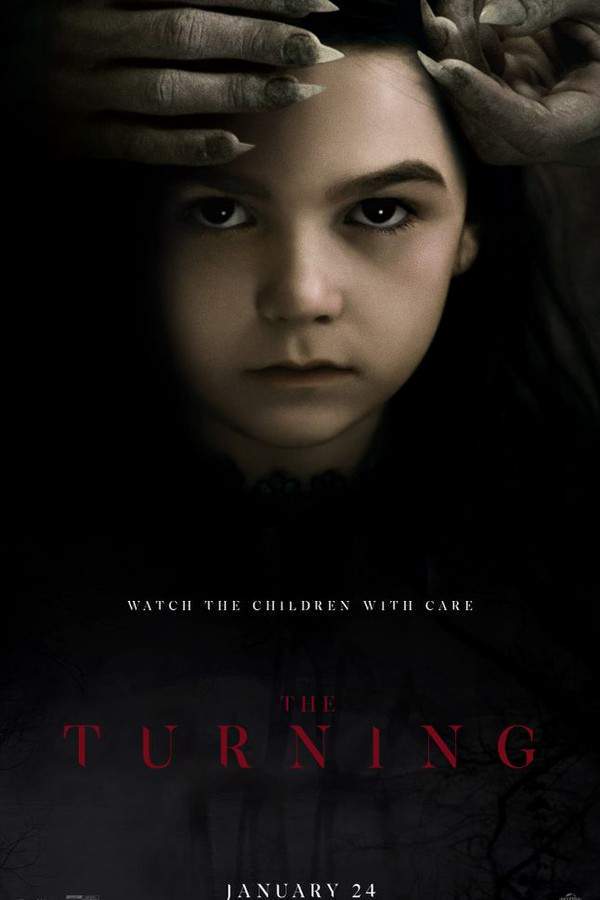
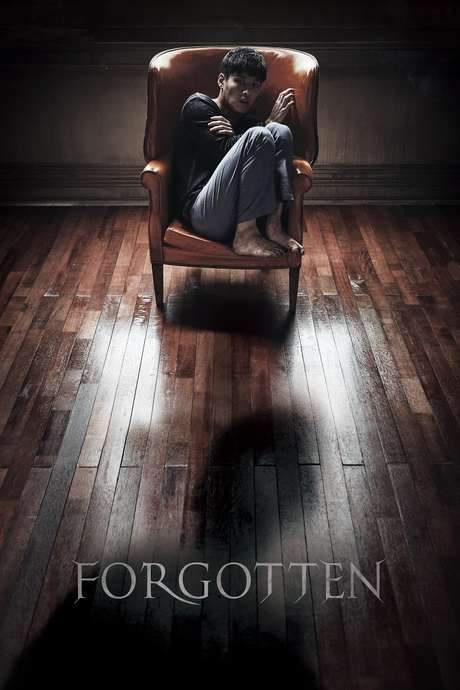

Narrative Summary
Narratives often follow a character whose perception of reality is systematically dismantled by an external force or their own psyche. The plot is a tightening vise, where escape attempts are met with escalating psychological torment, frequently leading to a bleak or ambiguous resolution that confirms the depths of the trap.
Why These Movies?
Movies are grouped here based on their shared focus on psychological confinement, a consistently dark and tense tone, and a steady pacing that builds unbearable dread. They prioritize emotional manipulation and the horror of losing autonomy over one's own mind.
Bleak crime dramas with moral collapse like After Life
Crime stories where the pursuit of justice or obsession leads to utter ruin. Fans of the grim downfall and heavy consequences in After Life will find similar stories here. These movies feature crime-focused plots where characters' obsessions unravel their lives, resulting in sad, bleak endings. They share a steady pacing, high intensity, and a dark, psychological exploration of failure.


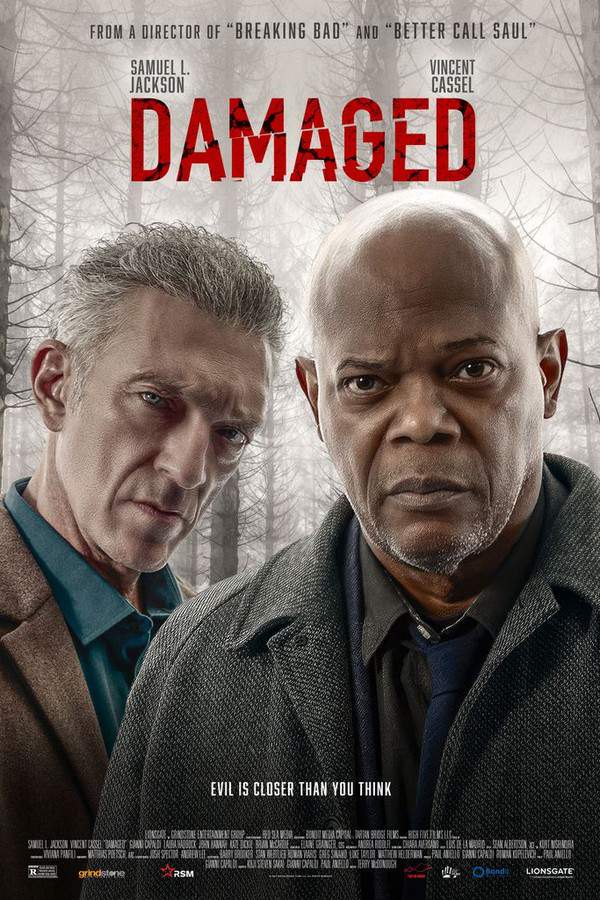
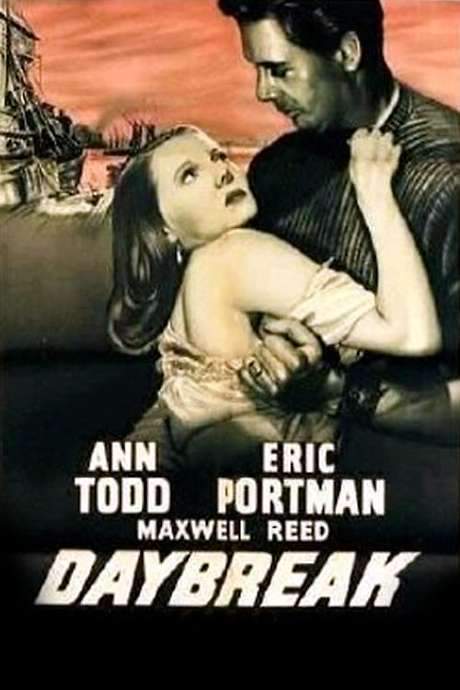






Narrative Summary
The narrative pattern involves a central obsession that corrupts the protagonist's moral compass. As they pursue this goal within a criminal context, their personal relationships disintegrate, and their world collapses inward. The story is a downward spiral, methodically moving towards an inevitable, tragic conclusion that offers no solace.
Why These Movies?
These films are connected by their unwavering dark tone, heavy emotional weight, and devastatingly bleak endings. They share a similar pacing that allows the tragedy to unfold methodically, and a focus on the psychological cost of obsession within a crime-driven plot.
Unlock the Full Story of After Life
Don't stop at just watching - explore After Life in full detail. From the complete plot summary and scene-by-scene timeline to character breakdowns, thematic analysis, and a deep dive into the ending - every page helps you truly understand what After Life is all about. Plus, discover what's next after the movie.
After Life Timeline
Track the full timeline of After Life with every major event arranged chronologically. Perfect for decoding non-linear storytelling, flashbacks, or parallel narratives with a clear scene-by-scene breakdown.

Characters, Settings & Themes in After Life
Discover the characters, locations, and core themes that shape After Life. Get insights into symbolic elements, setting significance, and deeper narrative meaning - ideal for thematic analysis and movie breakdowns.


