Year: 1983
Runtime: 189 mins
Language: Kannada
Director: Renuka Sharma
Sanskrit and upper-caste poet, Kalidas, faces many challenges after falling in love with a low-caste woman, and being entered into a competition against a learned princess.
Warning: spoilers below!
Haven’t seen Kaviratna Kalidasa yet? This summary contains major spoilers. Bookmark the page, watch the movie, and come back for the full breakdown. If you're ready, scroll on and relive the story!
Read the complete plot breakdown of Kaviratna Kalidasa (1983), including all key story events, major twists, and the ending explained in detail. Discover what really happened, and what it all means.
In a kingdom ruled by the stern yet humane Bhoja raja, the chief minister schemes to secure his son’s future by arranging a marriage between his son and the king’s daughter, Vidyadhare. When the minister boldly presents the idea to the king, he is met with ridicule. Yet the king shifts the task: he orders the minister to search for a groom worthy of his daughter, a “Sakala Vidya Paarangatha.” Spurred by a desire for revenge and a hunger to prove the king foolish, the minister sets out to spot someone whom the world might underestimate but who could outshine them all.
Kalidasa is introduced as a humble shepherd tending his flock, a figure of quiet simplicity. The minister, clever and calculating, charms the shepherd into accompanying him to the palace, claiming that Kalidasa could marry the princess if he can pass the trials set before him. Under the minister’s careful coaching, Kalidasa faces a sequence of tests designed by Vidyadhare, and the tutor’s whispered guidance includes a crucial instruction: if he can’t answer a question, Kalidasa must utter a particular line.
heluvudakku, keluvudakku, idu samayavalla — “This isn’t the right time to question or answer.”
Vidyadhare is gradually convinced by what she sees as Kalidasa’s budding brilliance, and she agrees to marry him. Yet the truth surfaces during their first night together. In a dramatic turn, Vidyadhare locks Kalidasa inside the palace temple and urges him to seek “vidyaabuddhi” (knowledge and wisdom) from the goddess Kali. In a mystical sequence, Kali appears and blesses Kalidasa with vidyabuddhi, inspiring him to compose the renowned Shyamala Dandakam in praise of the goddess. Kalidasa’s journey shifts from ignorance to enlightenment, and he steps forward as a poet whose voice will fill a royal court.
Kalidasa’s emergence as a literary powerhouse leads him to the court of [Bhoja raja], where he becomes one of the ashtadiggajas, admired but envied by the elder poet Musuri Krishnamurthy. Bhoja pleads with his dear friend Kalidasa to write a charama geethe (funeral song) for him, but Kalidasa refuses, sensing the danger in such a gesture. Vidyadhare, meanwhile, assumes the name Kaladhare and hides at Ratnakala’s home, a prostitute, drawing Kalidasa’s attention in a way that complicates their past. Kalidasa fashions his finest work, Abhignaana Shaakuntala, weaving strands of romance around Vidyadhare even as he remains uncertain about the life he has chosen.
Bhoja cannot tolerate the sight of his trusted ally in the company of a prostitute, and the fracture between them widens, driving Kalidasa away from Bhoja’s court. A literary challenger named Dimdima kavi addresses the ashtadiggajas with a riddle, and Bhoja, unable to answer, remembers his friend. The riddle—“kamale kamlotpattitih (lotus is born in a lotus)”—becomes a test of loyalty and wit. When Ratnakala finds herself unable to respond in a manner befitting a noble lady, she claims the answer as Kalidasa’s, hoping to seize half the kingdom. The court is stunned when she mutters, “Eye lotuses in the face lotus of my lady,” exposing herself, but Dimdima kavi reveals the truth: only Kalidasa could answer such a puzzle. In a frantic rush, Bhoja sends guards to Kalaadhare’s house, only to discover the lifeless body of Kalidasa.
Vidyadhare reveals the deepest truth: Kalidasa is her husband, the man who had passed through classrooms of experience to become a master poet. Bhoja pledges to restore him, praying to Kali to transfer half his own life to Kalidasa so the pair might be reunited. When Kalidasa awakens, Bhoja hides and orchestrates a dramatic moment in which Kalidasa is coaxed to sing the charama geethe. The powerful ritual seals Bhoja’s fate as he dies after the song’s completion, but not before he has set in motion a larger, fated reunion.
The path forward hinges on a divine intervention, and Kalidasa, deeply devoted to his bond with Vidyadhare and his friend Bhoja, prays to goddess Kali with a heartfelt plea. The goddess answers with a blessing that grants both Kalidasa and Bhoja renewed life. In the final act, the long arc of loyalty, art, and love culminates in the reunion of Kalidasa and Vidyadhare, a testament to wisdom earned, and a life redeemed through faith and poetry.
Last updated: October 09, 2025 at 14:49
Explore frequently asked questions about Kaviratna Kalidasa (1983) with spoiler-rich answers covering the full plot summary, major story beats, character motivations, hidden details, and ending meaning. This movie summary FAQ helps explain confusing scenes, plot twists, and narrative decisions in clear, searchable detail.
The minister was humiliated when the king rejected his proposal to marry his son to Princess Vidyadhare. The king then challenged him to find a groom worthy of the princess, a 'Sakala Vidya Paarangatha.' Seeking revenge, the minister deliberately chose an underestimated shepherd, thinking a foolish match would embarrass the king and prove his original plan was sensible.
The minister's earlier humiliation at court sets the entire plot in motion, as he actively seeks someone the world would underestimate.
The phrase was 'heluvudakku, keluvudakku, idu samayavalla,' meaning 'This isn't the right time to question or answer.' The minister coached Kalidasa to use this line whenever he couldn't answer a question, allowing him to appear wise while avoiding exposure as an illiterate shepherd.
This cunning phrase helps Kalidasa pass the tests but also hints at the deeper wisdom he will later attain.
When Vidyadhare discovered Kalidasa's true identity as an uneducated shepherd on their wedding night, she was devastated but still believed in his potential. She locked him inside the temple and pleaded to goddess Kali for 'vidyaabuddhi', knowledge and wisdom, to transform him into someone worthy of being her husband.
This desperate act of faith sets up the mystical blessing that changes Kalidasa's life forever.
Goddess Kali appeared in a mystical vision and blessed Kalidasa with 'vidyabuddhi', the gift of true knowledge and poetic wisdom. This divine intervention transformed him from an illiterate shepherd into a brilliant poet capable of composing the renowned Shyamala Dandakam in praise of the goddess herself.
The blessing directly enables Kalidasa's future as one of the ashtadiggajas in King Bhoja's court.
King Bhoja requested Kalidasa to compose his funeral song, but Kalidasa refused. He understood that writing such a song would bring terrible luck and potentially cause the king's death, believing that the song itself could hasten Bhoja's demise.
This refusal creates tension in the court and sets up the tragic climax where Bhoja ultimately hears the song.
After Kalidasa gained wisdom and left the palace, Vidyadhare took the name Kaladhare and stayed with Ratnakala, a prostitute, to remain close to her husband. She hoped to be near him while he pursued his poetic career, though she kept her true identity hidden from him.
This disguise leads to the complex web of court jealousy and最终的悲剧 that follows.
Dimdima kavi presented a shloka beginning with 'kamale kamlotpattitih', meaning 'lotus is born in a lotus.' The court struggled to complete this literary challenge. Ratnakala attempted to claim the prize by answering 'Eye lotuses in the face lotus of my lady,' but her deception was exposed when she couldn't truly explain the answer.
This riddle becomes the catalyst for the tragic events that follow, as Ratnakala's greed leads to poisoning Kalidasa.
Ratnakala poisoned Kalidasa to claim half of King Bhoja's kingdom after her failed attempt to win the riddle challenge. When Bhoja learned the truth, Vidyadhare revealed that Kalidasa was actually her husband. Bhoja then prayed to goddess Kali to transfer half his own life to revive Kalidasa.
This death sets up the emotional climax where Bhoja sacrifices himself to bring back his friend.
Bhoja orchestrated a plan to revive Kalidasa by having him sing the funeral song. When Kalidasa awoke and sang the charama geethe, the powerful ritual sealed Bhoja's fate, he died immediately after the song was completed, having given half his life force to revive his friend.
This tragic sacrifice fulfills the earlier foreshadowing about the danger of writing a funeral song.
After Bhoja's death, Kalidasa prayed deeply to goddess Kali, moved by his friend's sacrifice. The goddess answered his prayer with a divine blessing that granted renewed life to both Kalidasa and Bhoja, reversing the mortal consequences of the ritual.
The divine intervention completes the cycle of wisdom, sacrifice, and redemption that defines the film.
Discover curated groups of movies connected by mood, themes, and story style. Browse collections built around emotion, atmosphere, and narrative focus to easily find films that match what you feel like watching right now.
Love stories that triumph against rigid societal divides, leaving emotional scars.Discover movies like Kaviratna Kalidasa, featuring epic love stories tested by historical class divisions. If you liked the spiritual devotion and societal challenges in Kalidasa, you'll find similar bittersweet but ultimately uplifting romantic dramas here.
The narrative follows a central romantic pair whose love defies stringent social hierarchies. They face external persecution, betrayal, and personal sacrifice. Through spiritual or personal growth, they often overcome these obstacles, leading to a happy ending that is deeply colored by the melancholic and difficult journey.
Movies are grouped here for their shared focus on a central, forbidden romance, a historical setting that emphasizes societal conflict, and a consistent bittersweet emotional tone that balances heavy themes with a ultimately hopeful resolution.
Stories of gifted individuals tested by courtly challenges and mystical forces.Find films similar to Kaviratna Kalidasa, where a literary or artistic genius undergoes a defining challenge. If you enjoyed the court intrigue, poetic competitions, and divine intervention in Kalidasa's story, explore these dramatic journeys of talent and transcendence.
A narrative centered on a prodigious talent who is compelled to prove their worth in a high-stakes competition or before a skeptical authority. The path involves friendship, betrayal, and a period of exile or doubt, often resolved through a supernatural event or inner enlightenment that solidifies their legendary status.
These films share a core pattern of a genius protagonist, a formal challenge that serves as the plot's climax, themes of divine favor or spiritual growth, and a blend of personal drama with intellectual or artistic pursuit.
Don't stop at just watching - explore Kaviratna Kalidasa in full detail. From the complete plot summary and scene-by-scene timeline to character breakdowns, thematic analysis, and a deep dive into the ending - every page helps you truly understand what Kaviratna Kalidasa is all about. Plus, discover what's next after the movie.
Track the full timeline of Kaviratna Kalidasa with every major event arranged chronologically. Perfect for decoding non-linear storytelling, flashbacks, or parallel narratives with a clear scene-by-scene breakdown.
Discover the characters, locations, and core themes that shape Kaviratna Kalidasa. Get insights into symbolic elements, setting significance, and deeper narrative meaning - ideal for thematic analysis and movie breakdowns.
Discover movies like Kaviratna Kalidasa that share similar genres, themes, and storytelling elements. Whether you’re drawn to the atmosphere, character arcs, or plot structure, these curated recommendations will help you explore more films you’ll love.
Kaviratna Kalidasa (1983) Scene-by-Scene Movie Timeline
Kaviratna Kalidasa (1983) Movie Characters, Themes & Settings
Kaviratna Kalidasa (1983) Spoiler-Free Summary & Key Flow
Movies Like Kaviratna Kalidasa – Similar Titles You’ll Enjoy
Kala Viplavam Pranayam (2018) Complete Plot Breakdown
Kalari (2018) Story Summary & Characters
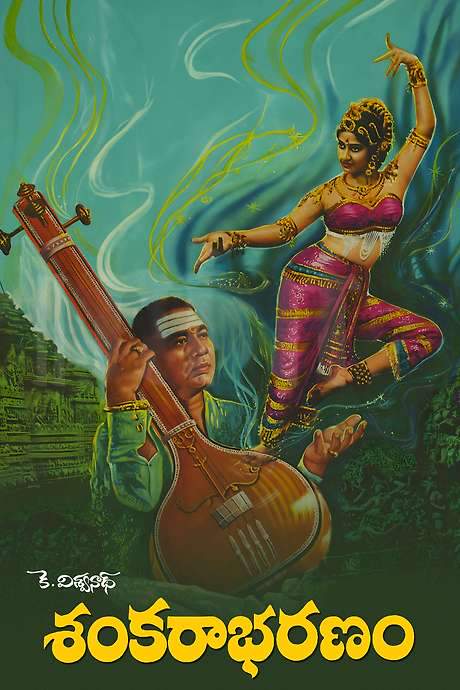
Sankarabharanam (1980) Detailed Story Recap
Bhavni Bhavai (1981) Spoiler-Packed Plot Recap
Kaliyil Alpam Karyam (1984) Full Summary & Key Details
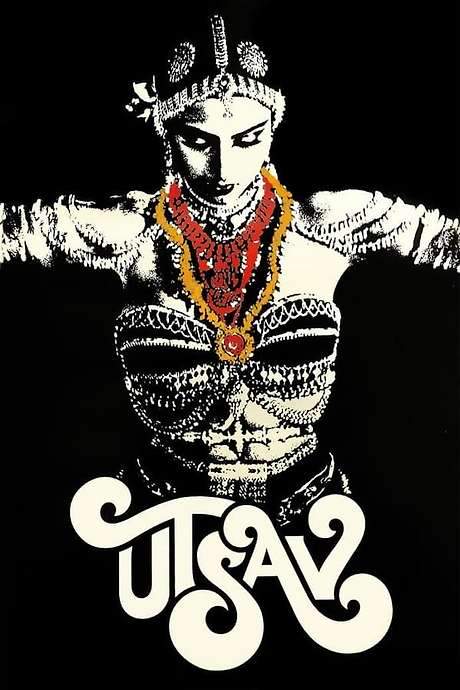
Utsav (1984) Full Summary & Key Details
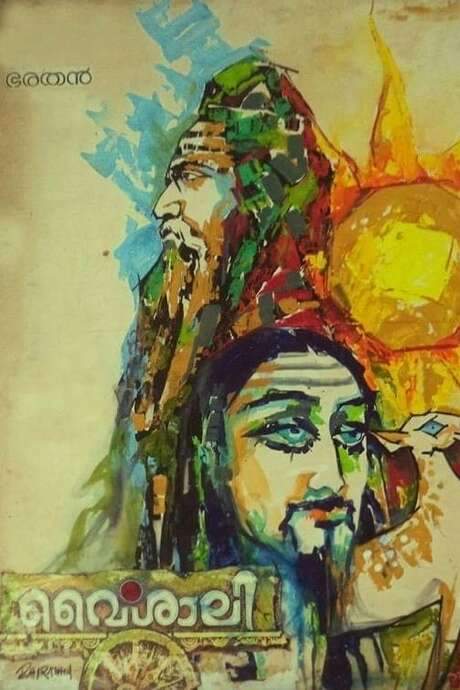
Vaishali (1988) Story Summary & Characters
Kalathil Santhippom (2021) Full Movie Breakdown
Kaalamellam Kaathiruppen (1997) Spoiler-Packed Plot Recap
Kaadu (1973) Detailed Story Recap
Kali Jotta (2023) Complete Plot Breakdown
Parthan Kanda Paralokam (2008) Story Summary & Characters
Kallanum Bhagavathiyum (2023) Spoiler-Packed Plot Recap
Kalathur Kannamma (1960) Full Summary & Key Details
Kalidasu (2008) Detailed Story Recap