
Katari Veera Surasundarangi
Year: 2012
Runtime: More mins
Language: Kannada
Director: Suresh Krishna
After his death, a man finds himself facing Yama, the god of death. Sent to heaven, he unexpectedly falls in love with Lord Indra’s daughter, prompting his immediate return to Earth. Determined to seek revenge, he embarks on a journey filled with challenges and obstacles.
Where to Watch Katari Veera Surasundarangi?
Find where to stream, rent, or buy Katari Veera Surasundarangi (2012) in the US with current JustWatch availability, up-to-date pricing, and platform listings for subscription, rental, and digital purchase options.

Streaming availability powered by 
Warning: spoilers below!
Haven’t seen Katari Veera Surasundarangi yet? This summary contains major spoilers. Bookmark the page, watch the movie, and come back for the full breakdown. If you're ready, scroll on and relive the story!
Timeline & Setting – Katari Veera Surasundarangi (2012)
Explore the full timeline and setting of Katari Veera Surasundarangi (2012). Follow every major event in chronological order and see how the environment shapes the story, characters, and dramatic tension.
Last updated: March 05, 2026 at 18:34
Main Characters – Katari Veera Surasundarangi (2012)
Meet the key characters of Katari Veera Surasundarangi (2012), with detailed profiles, motivations, and roles in the plot. Understand their emotional journeys and what they reveal about the film’s deeper themes.
Last updated: March 05, 2026 at 18:34
Major Themes – Katari Veera Surasundarangi (2012)
Explore the central themes of Katari Veera Surasundarangi (2012), from psychological, social, and emotional dimensions to philosophical messages. Understand what the film is really saying beneath the surface.
Last updated: March 05, 2026 at 18:34
Katari Veera Surasundarangi (2012) Character & Theme Questions Answered – Info FAQ
Browse frequently asked questions about Katari Veera Surasundarangi (2012) focused on characters, relationships, themes, symbols, setting, and story context. This movie info FAQ gives spoiler-aware explanations for character arcs, world details, and thematic interpretation so readers can better understand what the film is really about.
What are the main settings in the movie?
The movie unfolds across three realms: Heaven, where Upendra initially arrives after death and encounters divine beauty but finds it boring; Earth, the mortal world where he returns to complete a challenge and pursue his romance with Indraja; and Hell, the realm of decision where Yama weighs his fate. Each realm represents a different aspect of the cosmic order the story explores.
Who is Yama in the movie?
Yamadharma Raja is the ruler of the afterlife who struggles to decide Upendra's fate. Because Upendra has neither significant sins nor good deeds, Yama faces an unusual dilemma, his standard judgment system cannot categorize this human. Yama experiments with the rules by sending Upendra to Earth to test whether divine rules can accommodate human tenderness, ultimately showing that mercy matters more than rigid judgment.
Who is Lord Indra in the story?
Lord Indra is the king of the gods and father of Indraja. He disapproves of his daughter's relationship with a human, setting Upendra a ten-day earthly challenge on the condition that he forgets his death. His character represents the strict cosmic order that opposes human-divine unions, though the film ultimately suggests love can rewrite such destinies.
Who is Indraja?
Indraja is the daughter of Lord Indra and the divine being Upendra falls in love with after arriving in heaven. She initially rejects Upendra but eventually reciprocates his feelings, participating in a high-stakes bargain with the divine realm. Her character embodies both defiance against cosmic rules and devotion to her chosen partner.
What is the Love vs Destiny theme about?
The film explores how love challenges the strict cosmic order governing Heaven, Hell, and Earth. Upendra and Indraja's romance pushes gods to reconsider rules that bar humans from divine unions. The story argues that love can rewrite destinies, with the relationship forcing afterlife beings to weigh mercy against ritual, the conclusion being that love ultimately triumphs over predetermined fate.
How does the movie handle morality and the afterlife?
The film presents morality as a negotiation rather than a fixed verdict. Because Upendra has neither sin nor virtue, Yama's decision becomes complicated, his traditional judgment system fails. The story suggests mercy and love alter outcomes more than any cosmic accounting of deeds. This challenges the idea of rigid afterlife judgments, instead proposing that compassion and connection matter most.
What is the Memory and Identity theme about?
Memory and identity are central to the story's challenge, Upendra must undergo his earthly test while forgetting his death ordeal. The danger is permanent erasure of both memory and love. The face-changing trick by Yama plays with identity, showing appearances can mask who we are. The conclusion suggests that remembered love solidifies identity and triumphs over manipulation, making memory essential to selfhood.
What is the tone of the movie?
The movie has a whimsical, playful tone that treats Hindu mythology elements like Yama and Indra as characters in a light-hearted romantic adventure. Despite涉及死亡和来世的重要主题, the film treats these heavier ideas fantastically rather than gravely. The overall atmosphere is cheerful and optimistic, with the high-stakes cosmic challenge balanced by humor and romance centered on love's ultimate victory.
Who is Upendra in the movie?
Upendra is the human protagonist who dies and finds himself facing Yama before unexpectedly falling in love with Lord Indra's daughter in heaven. His character represents the human who challenges divine order simply by being himself, neither particularly virtuous nor sinful. His journey tests whether cosmic rules can bend for human emotion, and his determination to return to Earth to pursue love drives the central conflict.
Who is Chitragupta in the story?
Chitragupta is Yama's scribe who accompanies Upendra on his earthly journey and helps track his actions. He embodies the record-keeping of deeds within the mythic framework of Hindu afterlife beliefs. His presence represents the cosmic documentation of human behavior, though the film ultimately questions whether such records should determine destiny.
Does the movie use Hindu mythology?
Yes, the film is deeply rooted in Hindu mythology, featuring well-known deities like Yama (the god of death), Lord Indra (king of the gods), and concepts of heaven, hell, and the afterlife. It plays playfully with these mythological elements, using them as the framework for a romantic story rather than treating them with religious gravity. The narrative weaves traditional beliefs about cosmic judgment and divine realms into its contemporary storytelling.

Explore Movie Threads
Discover curated groups of movies connected by mood, themes, and story style. Browse collections built around emotion, atmosphere, and narrative focus to easily find films that match what you feel like watching right now.
Whimsical Afterlife Adventures like Katari Veera Surasundarangi
Romantic quests through fantastical realms where love defies divine rules.If you enjoyed the playful celestial romance of Katari Veera Surasundarangi, you'll love these movies. This thread gathers fantastical stories where love conquers all in imaginative afterlives, featuring charismatic characters on whimsical quests against divine odds.
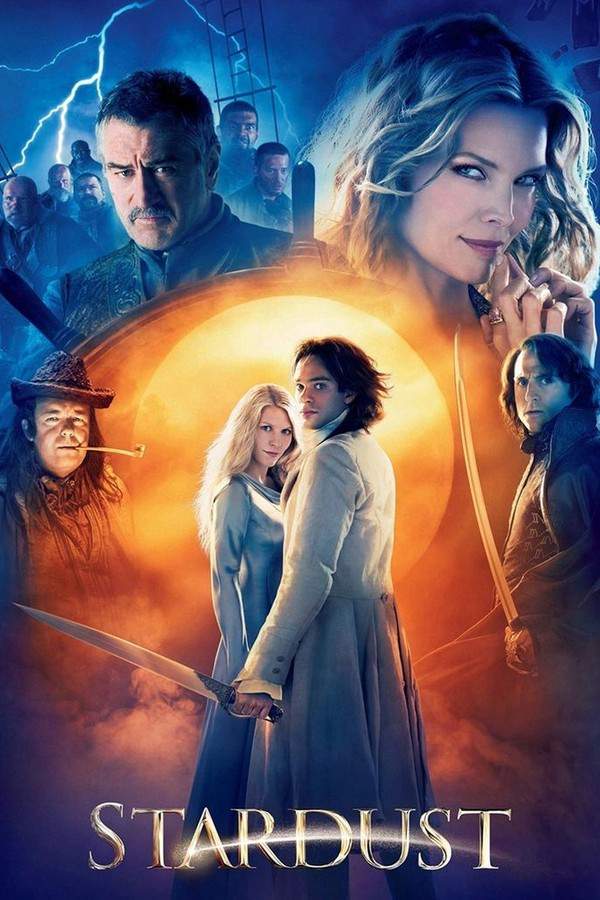
Stardust
2007
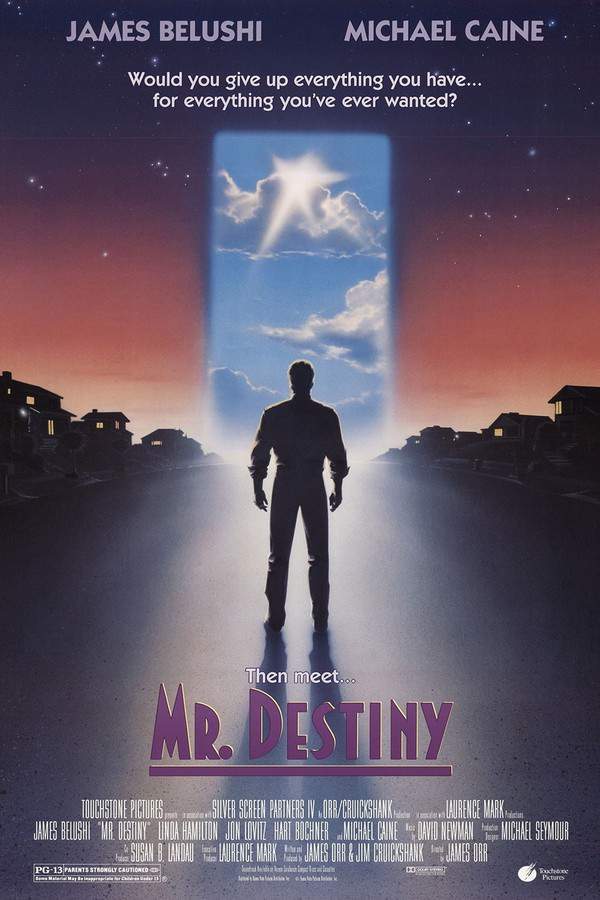
Mr. Destiny
1990

Bedazzled
2000

Irish Wish
2024
Katari Veera Surasundarangi
2012
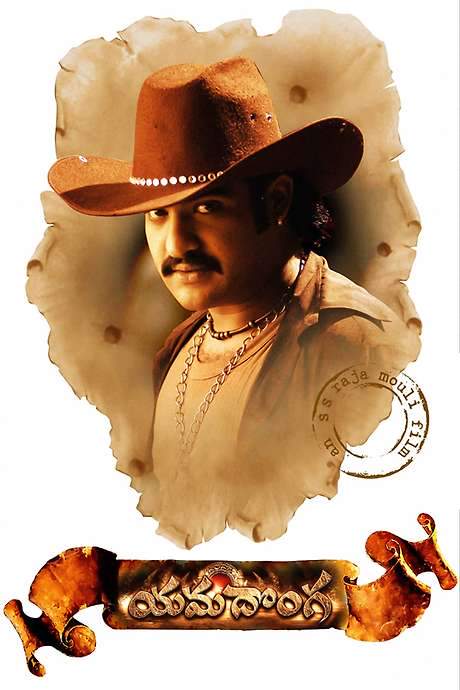
Yamadonga
2007

The Butcher’s Wife
1991

Ghosts Can’t Do It
1989

Upon the Magic Roads
2021

For Heaven’s Sake
1950

Heavenly Music
1943

Night in Paradise
1946

Toothless
1997

Night Life of the Gods
1935
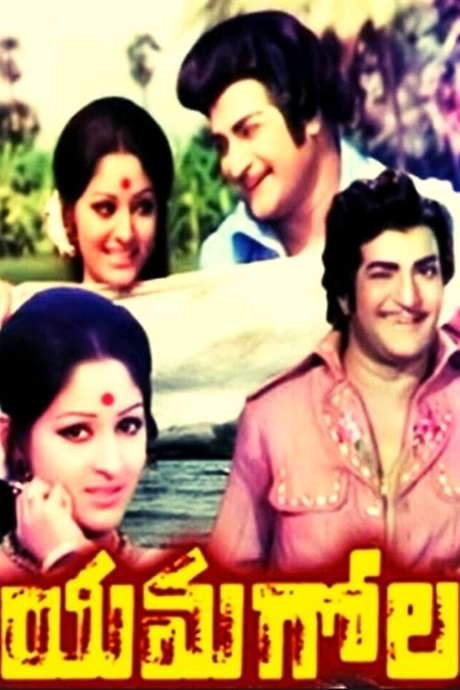
Yamagola
1977
Narrative Summary
These stories typically begin with a character's arrival in a fantastical afterlife, where they immediately challenge the established order, often by falling in love with a celestial being. The plot revolves around a series of magical trials or a tight deadline, leading to a triumphant return to the living world or a happy resolution within the afterlife itself.
Why These Movies?
They are grouped by their shared tone of lighthearted fantasy, fast-paced romantic plots set in imaginative divine realms, and a core theme of love's power to overcome seemingly impossible, god-ordained obstacles.
Romantic Quests Against the Clock like Katari Veera Surasundarangi
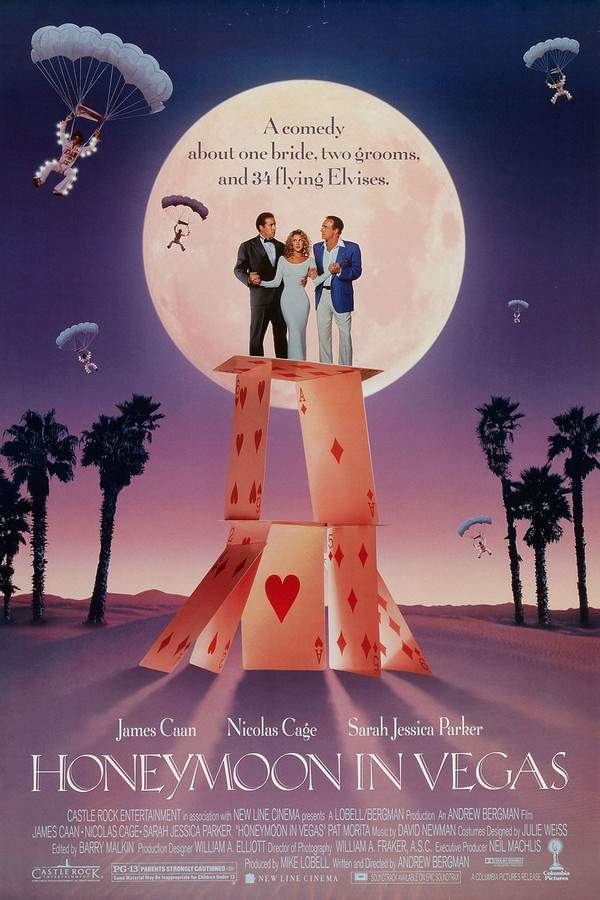
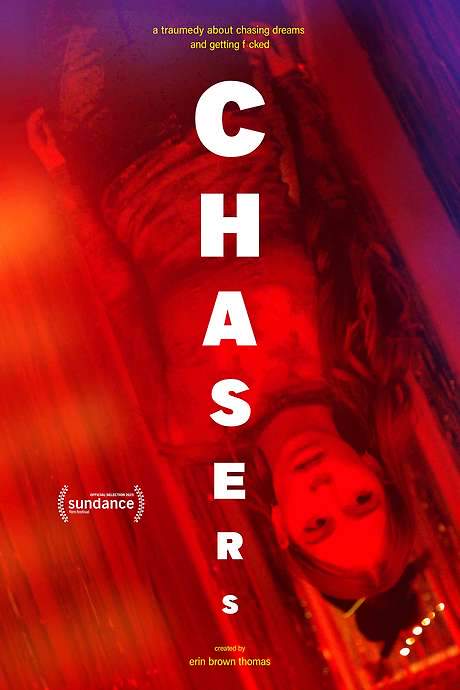
High-stakes romantic missions where lovers race against a deadline.Fans of Katari Veera Surasundarangi's time-sensitive romantic mission will enjoy these films. This collection features fast-paced stories where love is the ultimate prize in a race against time, filled with obstacles, tricks, and a guaranteed happy ending.












Narrative Summary
The narrative follows a clear goal: achieve a romantic objective before time runs out. The journey is fast-paced, structured around escalating challenges that test the protagonist's commitment and cleverness. A central twist or deception often raises the stakes, culminating in a victorious finale that validates the power of love and determination.
Why These Movies?
These films share a specific plot structure defined by a tight deadline, a clear romantic goal, and a sequence of obstacles. The combination of fast pacing, moderate complexity from plot twists, and a lighthearted, triumphant mood creates a cohesive and engaging experience.
Unlock the Full Story of Katari Veera Surasundarangi
Don't stop at just watching - explore Katari Veera Surasundarangi in full detail. From the complete plot summary and scene-by-scene timeline to character breakdowns, thematic analysis, and a deep dive into the ending - every page helps you truly understand what Katari Veera Surasundarangi is all about. Plus, discover what's next after the movie.
Katari Veera Surasundarangi Summary
Read a complete plot summary of Katari Veera Surasundarangi, including all key story points, character arcs, and turning points. This in-depth recap is ideal for understanding the narrative structure or reviewing what happened in the movie.

Katari Veera Surasundarangi Timeline
Track the full timeline of Katari Veera Surasundarangi with every major event arranged chronologically. Perfect for decoding non-linear storytelling, flashbacks, or parallel narratives with a clear scene-by-scene breakdown.


