Plot Explained Spoilers guaranteed!
Plot Explained

Browse by genre

Night Life of the Gods (1935) movie poster

Plot Summary

Night Life of the Gods (1935) Plot Summary Explained

Release, runtime and language
1935 · 73 mins · English
Loading streaming availability…
Directed by
Lowell Sherman
Starring
Alan Mowbray, Douglas Fowley, Richard Carle, Phillips Smalley, Gilbert Emery, Wesley Barry

Scientist Hunter Hawk creates a device that petrifies flesh. While celebrating, he meets a half‑naked leprechaun named Meg. In New York they go to the Metropolitan Museum of Art and use the invention to turn the Greek‑god statues into living people. The night becomes a drunken romp through the city, with Medusa’s severed head in Perseus’ hand.

On this page (6)
  1. 1 Where to watch
  2. 2 What happens: full plot
  3. 3 Plot questions answered
  4. 4 Movie threads
  5. 5 Movies like Night Life of the Gods
  6. 6 Every angle
Loading streaming availability…

Full plot summary · contains spoilers

What Happens in Night Life of the Gods: Full Plot Summary

The whole story of Night Life of the Gods (1935) explained, from the opening scene to the final frame: every key event, every twist and what it all adds up to. Read it as a quick recap before the sequel, to check a scene you missed, or to finally understand what really happened.

Hunter Hawk, Alan Mowbray, is an eccentric scientist who nearly blows himself up during a dangerous experiment. When he comes to, he discovers his invention has succeeded beyond his wildest dreams: a ring that can turn living beings into statues and, astonishingly, revive statues back to life. He tests it on his dog, then uses it on his disagreeable family, turning several relatives into stone and sparing only his favorite niece, Daphne Lambert Peggy Shannon.

Hawk and Daphne celebrate with a bottle of wine, and then Daphne heads off to meet her boyfriend Cyril Sparks Douglas Fowley. Hawk, now in a drunken mood, staggers through a cornfield where he encounters Old Man Turner, a gardener who proves to be a leprechaun. Turner takes Hawk home to meet his daughter Meg Florine McKinney, and the two quickly hit it off.

They embark on a spree, turning other disagreeable people into statues left and right, and even bring statues of Greek gods to life in the Metropolitan Museum of Art. The gods join them on a whirlwind tour of the modern world, with Manhattan as the glittering stage, provoking wild mayhem and sparking a growing disillusionment with contemporary life. Hawk grows weary of what he has wrought, yet he and Meg choose to press on in their desire to be together.

As the consequences mount and fear of being locked up as a madman grows, Hawk makes a fateful decision: he turns the ring on Meg and himself so they can stay together. The next moment finds him waking in an ambulance, discovering that the entire extraordinary evening was the result of head injuries sustained in the explosion that opened the story.

Last updated: February 20, 2026 at 12:33

Was this helpful?

Plot questions answered

Night Life of the Gods Plot Explained: Your Questions Answered

The questions people ask most about Night Life of the Gods (1935): what happens in the confusing scenes, why the characters do what they do, the twists, hidden details and what the ending means. Each answer contains spoilers.

Q1

Why did Hunter Hawk spare his niece Daphne from being turned into a statue?

Hawk spares Daphne because she is his favorite niece. When he tests the ring on his disagreeable family members, he specifically chooses not to petrify her, showing a clear preference that contrasts with his willingness to punish the rest of his relatives.

Foreshadowing: The decision to spare Daphne establishes Hawk's selective judgment, hinting he can control who deserves punishment.

  • daphne lambert
  • family members
  • petrification ring
  • favorite niece
Q2

How does the petrification ring work in the movie?

The ring is a device created by Hunter Hawk that can turn living beings into stone statues and also reverse the process, bringing statues back to life. Hawk first tests it on his dog, then uses it on his family, and later on statues in the museum.

Foreshadowing: The dual ability to petrify and revive is established early, making the final twist more ironic.

  • petrification ring
  • statues
  • turn to stone
  • revive
Q3

Why does Hunter Hawk bring the Greek god statues at the Metropolitan Museum to life?

Hawk uses his ring on the Greek god statues to add excitement to his drunken adventure with Meg. He wants to show her the wonders he can create and to experience the chaos of having ancient deities walk the modern world.

Foreshadowing: The decision to revive gods foreshadows the comedic clash between ancient mythology and contemporary New York.

  • greek gods
  • metropolitan museum
  • revive statues
  • manhattan
Q4

Why do Hawk and Meg turn themselves into statues at the end?

Hawk and Meg petrify themselves because they want to stay together and escape the consequences of their actions. Fearing they will be caught and labeled as madmen, Hawk uses the ring on both of them as a final act of control and desperate escape.

Foreshadowing: This desperate choice reflects Hawk's earlier pattern of using the ring to solve problems, showing how his inventions have consumed him.

  • meg
  • petrify themselves
  • ring
  • escape consequences
Q5

Was the entire adventure in Night Life of the Gods a hallucination?

Yes, the film reveals that Hawk was unconscious throughout the entire adventure. He awakens in an ambulance learning that the extraordinary evening with the leprechaun, the revived gods, and the citywide mayhem was all a hallucination caused by head injuries from the laboratory explosion at the beginning.

Foreshadowing: The twist recontextualizes every event, though earlier hints of Hawk's drunken state and the story's whimsical tone make the revelation feel consistent.

  • hallucination
  • dream
  • ambulance
  • twist ending
  • head injuries
Q6

Who is Old Man Turner and why is he a leprechaun?

Old Man Turner is revealed to be a leprechaun who appears to the drunken Hawk in a cornfield. He takes Hawk home to meet his daughter Meg and helps guide the adventure, though the entire encounter is part of Hawk's head-injury hallucination.

Foreshadowing: The introduction of the leprechaun immediately signals the film's fantastical and whimsical tone.

  • old man turner
  • leprechaun
  • meg
  • fairy
Q7

Why do the Greek gods become disillusioned during their Manhattan tour?

When Hawk and Meg escort the revived Greek gods through Manhattan, the deities are bewildered and dissatisfied with modern life. They find contemporary society shallow and uninspiring compared to their ancient glory, leading to their critical reactions and chaos.

Foreshadowing: The gods' disillusionment sets up the growing tension that contributes to Hawk's regret about his invention.

  • greek gods
  • manhattan
  • disillusioned
  • modern world
  • tour
Q8

Why does Hunter Hawk regret creating the petrification ring?

As the night progresses and the gods cause mayhem throughout Manhattan, Hawk grows weary of the chaos he has unleashed. He realizes his invention has created more problems than it solved, leading him to question whether bringing the statues to life was wise.

Foreshadowing: Hawk's growing fatigue signals the turning point that leads to his drastic decision to petrify himself and Meg.

  • regret
  • weary
  • mayhem
  • consequences
  • ring
Q9

What happens to all the petrified people and revived gods after the twist ending?

The film does not address what becomes of the petrified family members or the revived Greek gods after Hawk awakens in the ambulance. Since the entire adventure was revealed to be a hallucination from his head injuries, the implication is that none of the petrifications or revivals actually occurred in reality.

Foreshadowing: The ambiguous fate of the statues reinforces the dreamlike quality of the entire narrative.

  • statues
  • petrified people
  • gods
  • twist
  • reality

Movie threads

More Movies Like Night Life of the Gods, by Mood & Story

Curated lists built around what makes Night Life of the Gods tick: the same mood, the same kind of story or the same emotional payoff. Each list explains why these movies belong together.

Movies with mythology come to life like in Night Life of the Gods

Fantastical romps where ancient myths collide with the modern world. If you enjoyed the chaotic fun of Greek statues coming to life in Night Life of the Gods, you'll love these movies where mythology erupts into the modern world. Discover similar fantastical comedies and playful adventures featuring gods, monsters, and magical beings on a rampage.

  • fantastical
  • playful
  • mischievous
  • celebratory
  • whimsical
  • drunken spree
  • Tone: whimsical, playful
  • Pacing: fast, energetic
Why these movies?

The story pattern: The narrative pattern typically involves an ordinary person or inventor stumbling upon a way to bring mythological beings to life. This act triggers a series of comedic escapades as the newly animated creatures explore the modern world, often leading to a celebratory, mischievous spree before order is restored or the adventure is revealed as a dream.

Why they belong together: Movies in this thread share a core premise of mythological intrusion, a whimsical and playful tone, and a focus on lighthearted, fantastical fun rather than epic or serious drama. They connect through their shared celebration of chaos and the joy of seeing ancient legends unleashed.
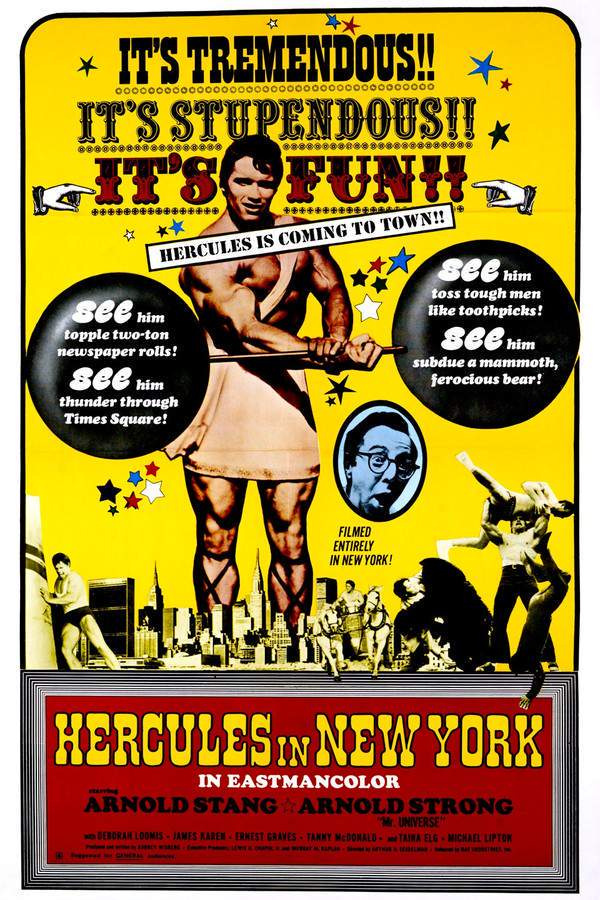
Movies about madcap inventors like in Night Life of the Gods

Eccentric scientists create magical devices that lead to a night of hilarious, reality-bending chaos. If you liked the story of an inventor's petrification device causing mayhem in Night Life of the Gods, explore these movies featuring eccentric scientists and their chaotic creations. Find similar fast-paced comedies about magical inventions, whimsical adventures, and fantastical wish fulfillment.

  • inventor
  • whimsical
  • mischievous
  • drunken spree
  • fantastical
  • playful
  • Tone: whimsical, mischievous
  • Pacing: fast, chaotic
Why these movies?

The story pattern: The journey follows an inventor who unveils a device with extraordinary, often magical, properties. This invention immediately propels the characters into a rapid series of events—a 'spree' through a city or surreal landscape—filled with comedic mishaps and fantastical encounters. The story often concludes with a return to normalcy, sometimes framed as a dream, leaving a sense of lighthearted, unforgettable fun.

Why they belong together: This thread groups movies based on the central archetype of the whimsical inventor and the specific narrative structure of a chaotic, fast-paced adventure triggered by their creation. They share a mix of scientific curiosity and pure fantasy, all wrapped in a playful, mischievous vibe.

If you liked this

Movies Like Night Life of the Gods

Similar movies to Night Life of the Gods: the same genre, themes or kind of story. Each one comes with its own plot summary, timeline and ending explained.

Browse all movie summaries

Every angle

Night Life of the Gods (1935) Explained: Plot, Timeline & Characters

Everything about Night Life of the Gods in one place: what happens in the plot summary, the timeline in chronological order, the characters and meaning and a spoiler-free summary. What's After the Movie adds the cast, box office and post-credit scenes.

Coming soon on iOS and Android

The Plot Explained Movie Summary App

Plot summaries, endings explained and timelines on your phone. Catch up on any movie in minutes, save your favorites and never miss a twist again.

Be the first to know when we launch. Your email stays private, always.

Learn more about the app