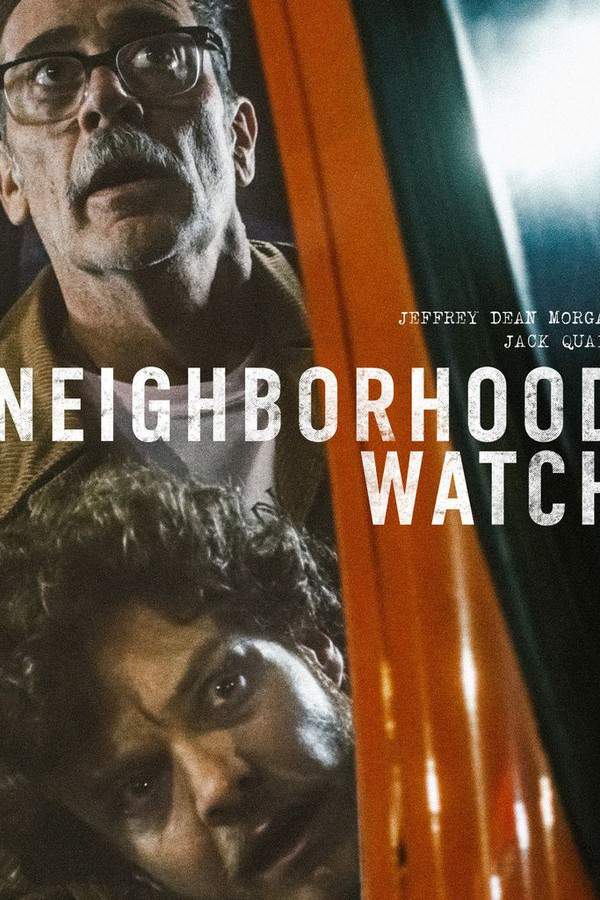
Malik and Imani Jeffries, a young Black couple, move into a new house in the fictional, affluent Atlanta suburb of Harvey Hill, a neighborhood steeped in old money and old tensions. The moment they settle in, their next-door neighbor, a self-assured HOA president named Karen Christina Rosenvinge Drexler, makes a chilly first impression. She refuses to shake Malik’s hand, sneers about money in her home, and immediately installs a security camera aimed squarely at their property. The couple tries to read this as a perk of neighborhood vigilance, but the mood in Harvey Hill soon reveals itself as less about safety and more about surveillance, control, and fear.
Karen’s hostility is not a one-off temper tantrum; it stems from a pattern of conduct that exposes her virulently racist mindset. In the home of a community that places reputation over reconciliation, she harbors Neo-Confederate memorabilia and uses her power to target Black residents, often pulling in her brother Michael Wind, a patrolman with the Atlanta Police Department, to enforce her agenda. Malik and Imani find themselves under quiet pressure from a woman who treats the HOA like a weapon, weaponizing meetings, rules, and neighborhood gossip to unsettle them.
The tension escalates quickly. Karen engineers a series of humiliations, including uninvited insinuations at a party and a relentless barrage of small, humiliating demands. She attends the couple’s housewarming and, within minutes, offends attendees by insinuating that Black Americans who are unhappy with life in the country should relocate to Africa. The next day, she targets three Black adolescents who merely walk by, demanding they identify themselves. When they refuse, she pulls strings to trigger an arrest, a move captured on Imani’s cellphone. The teenagers are released after video evidence surface, and a civil-rights lawyer, Charles Wright, sues the HOA, leading to Karen’s eventual removal from the presidency.
Frustration turns to calculated malice as Karen enlists Mike to pull Malik over after work, pointing to a past marijuana moment as a justification for action. No marijuana is found, so Mike plants a bag in Malik’s trunk and arrests him after a scuffle. Malik posts bail and returns home, while Karen presses forward, urging Imani and Malik to leave Harvey Hill. The couple, undeterred, hire Charles to represent them, who uncovers a troubling history: a Black vigilante killed Karen’s police officer husband Ken Drexler and two other officers years earlier, a trauma that helps explain her fragile, unreliable grip on power. The revelation adds a chilling layer to her behavior, illustrating how personal vendettas and professional authority have become entangled in a toxic loop.
That night, Karen escalates once more by feeding Mike a falsified search warrant and orchestrating another arrest for an unregistered handgun. Imani’s distress resonates as she phones Charles, who contacts the precinct and reveals Malik’s arrest history is murky at best. In a separate assault on their home, Karen cuts the power and storms inside with a gun. Imani defends herself with a sword as a neighbor calls the police. Karen fires multiple shots, grazing Imani and prompting a violent intervention. A life-or-death standoff ensues as Mike and Hill shoot at each other; Mike falls, Hill is wounded, and Imani—showing courage and resolve—seizes a moment to shoot Karen in self-defense.
In the aftermath, Malik is released and the city issues a formal apology along with compensation for the couple’s ordeal. Imani, who is pregnant, steps into a leadership role within the Homeowners Association and leads a decisive shift for the community, renaming Harvey Hill to honor a broader legacy of civil rights leadership: John Lewis. The transformation marks a rebirth for the neighborhood, turning a place once branded by bias and fear into a space that recognizes dignity, accountability, and a more inclusive future.
The story unfolds with a careful, steady rhythm that foregrounds the lived experiences of Malik and Imani as they navigate power, prejudice, and justice. It remains focused on the consequences of bigotry in a community that ought to be defined by neighborly cooperation, not surveillance and intimidation. Through moments of tension, legal battles, and a final act of self-defense, the film questions what it means to belong, who gets to call a place home, and how a community can heal after a rupture caused by fear, hate, and the politics of control.