









Plot Explained Spoilers guaranteed!
Plot Explained

Browse by genre

Japan Organized Crime Boss (1969) movie poster

Characters & Themes

Japan Organized Crime Boss (1969) Characters, Setting & Themes Explained

Release, runtime and language
1969 · 97 mins · Japanese
Directed by
Kinji Fukasaku
Starring
Seizaburô Kawazu, Hideo Murota, Tomisaburô Wakayama, Nenji Kobayashi, Takashi Noguchi, Hiroshi Hasegawa

After serving time, a Yokohama yakuza seeks a quiet life but must assume leadership of his clan when his boss dies. His modest crew is drawn into a brutal showdown between a powerful Osaka syndicate and the Tokyo alliance fighting for city control. He clings to the old yakuza code, yet is outmatched by a new breed of ruthless, honor‑less thugs.

On this page (8)
  1. 1 Where to watch
  2. 2 Characters explained (7)
  3. 3 Where & when it takes place
  4. 4 Themes & meaning (4)
  5. 5 Character & meaning questions
  6. 6 Movie threads
  7. 7 Movies like Japan Organized Crime Boss
  8. 8 Every angle

Where to watch

Where to Watch Japan Organized Crime Boss (1969)

Where can you watch Japan Organized Crime Boss? Stream, rent or buy it in the US, including on Eternal Family, Midnight Pulp and OVID: current JustWatch availability with up-to-date prices.

Streaming availability powered by JustWatch

7 main characters · contains spoilers

Japan Organized Crime Boss Characters Explained: Who Is Who

The main characters of Japan Organized Crime Boss (1969), heroes and villains: what drives them, how they change over the course of the story and what each of them reveals about the film's bigger ideas.

  • Yato (Seizaburô Kawazu)

    Chairman of the Tokyo Alliance, Yato is a calculating power broker who uses diplomacy and force to block Boss Danno’s expansion. He orchestrates strategic moves, leveraging allies and rivals to maintain balance and advantage. His composed exterior masks a readiness to employ ruthless measures when necessary. He emerges as one of the key architects shaping the conflict between rival factions.

    • 🗺️ Leader
    • ⚖️ Strategist
  • Tetsuo Tsukamoto

    played by Koji Tsuruta

    Hamanaka’s right-hand man, released after eight years in prison, learns his wife has committed suicide. He initially seeks a truce with the Sakurada Family but is driven by vengeance, ultimately taking actions to honor his men’s desires. His evolving sense of duty pits family loyalty against personal justice. His arc centers on choosing between obedience to the gang and his own moral code.

    • 🗡️ Vengeful
    • 🧭 Loyal
  • Miyahara

    played by Tomisaburô Wakayama

    Leader of the Hokuryu Kai, Miyahara is depicted as a drug-addicted figure who is expelled from the Tokyo Alliance and later confronts the rival factions. His defiance triggers confrontations and escalations, culminating in a deadly ambush that narrows the field of battle. His presence destabilizes the alliances and forces opposition to react with force.

    • 🌀 Turbulent
    • 🔪 Enforcer
  • Kamiyama

    played by Yoshi Katō

    Retired boss of the Hamanaka family, Kamiyama offers his experience as an unofficial adviser to Tsukamoto. He represents the older generation’s perspective and provides strategic counsel amid the violence. His involvement signals a continuum of old loyalties shaping new power plays. He acts as a stabilizing, though cautious, voice within the turmoil.

    • 🧭 Mentor
    • 🛡️ Protector
  • Kazama

    played by Bunta Sugawara

    A senior Hamanaka officer, Kazama ruthlessly murders Boss Sakurada to protect his own faction’s interests. He returns home mortally wounded, dying soon after and leaving a tragic wake. His actions reveal the brutal pragmatism at the heart of gang politics and the high personal costs of leadership. He also catalyzes crucial shifts in allegiance and power.

    • 🔪 Enforcer
    • 💀 Ruthless
  • Taki

    played by Harumi Sone

    Kazama’s sister, left with little after her brother’s machinations. She works as a singer and finds support and eventual romance with Tsukamoto, offering a humanizing counterpoint to the gang violence. Her presence underscores the personal costs of the yakuza conflicts on families and bystanders. She embodies resilience amid upheaval.

    • 🎤 Entertainer
    • 💔 Survivor
  • Ooba

    played by Noboru Andō

    A former boss with a grudge against the Danno Organization, Ooba coordinates attacks and becomes a central figure in the violent feud. His actions trigger a deadly pursuit and a dramatic confrontation that exposes the fragility of alliances. He is ultimately killed, marking a turning point in the power struggle.

    • ⚔️ Vendetta
    • 💥 Fallout

Last updated: October 04, 2025 at 17:22

Was this helpful?

Setting

Where and When Does Japan Organized Crime Boss Take Place?

The setting of Japan Organized Crime Boss (1969): the year and time period, the places and locations, and how they shape the characters, the mood and the tension of the story.

Time period

Postwar Japan, late 1940s

Set in the immediate aftermath of World War II, the story captures a cityscape in transition where rebuilt economies and shattered loyalties give rise to powerful yakuza networks. Power vacuums and political pressure foster intense factional infighting among Osaka, Yokohama, and Tokyo crews. The era's instability amplifies violence, betrayals, and the brutal pursuit of influence.

Location

Osaka, Yokohama, Tokyo

The Danno Organization's base centers in Osaka, while Yokohama becomes a frontline battleground for proxy wars against rival families. Tokyo emerges as the political hub where the Tokyo Alliance negotiates power and peace terms. The film unfolds in a gritty postwar urban landscape filled with docks, clubs, backroom deals, and shifting loyalties.

  • 🏙️ Osaka
  • 🌆 Yokohama
  • 🗼 Tokyo

Last updated: October 04, 2025 at 17:22

Was this helpful?

4 major themes

Japan Organized Crime Boss Meaning: Themes & Message Explained

What is Japan Organized Crime Boss (1969) really about? The emotional, social and philosophical themes the film keeps returning to, its symbolism and the message beneath the surface.

  • Power Struggle

    Warring factions vie for dominance as the Danno Organization and the Tokyo Alliance maneuver to expand or contain influence. Alliances are forged with calculated precision and broken when convenience wanes. The conflict reveals how authority is built on leverage, fear, and calculated risk rather than mere loyalty. The balance of power constantly shifts as leaders edge toward decisive, often devastating, moves.

  • Loyalty Vengeance

    Characters wrestle with loyalty to their families versus the pull of personal revenge. Tsukamoto’s arc embodies this tension, as dutiful duty clashes with a desire for vengeance after personal losses. The film probes how vengeance can both justify and destroy those who pursue it. Loyalties are tested by blood ties, grudges, and the harsh realities of gang warfare.

  • City Aftermath

    Postwar urban centers become theaters of crime where rebuilding roofs over heads coincides with rebuilding power structures. The violence leaves scars on communities and individuals alike, highlighting a society struggling to redefine order. The city itself acts as a character, shaping choices and accelerating the rise and fall of its criminal hierarchies. Economic desperation and factional rivalries collide in alleys, clubs, and backrooms.

  • Alliances Betrayal

    Strategic pacts are constantly negotiated, renegotiated, and broken as interests realign. The narrative shows how alliances can shield a group one day and doom it the next, depending on shifting calculations and personal agendas. Betrayal is the price of political survival within the yakuza world. Trust is a scarce resource, traded like a commodity in a brutal game.

Last updated: October 04, 2025 at 17:22

Was this helpful?

Character & theme questions

Japan Organized Crime Boss Characters & Meaning: Your Questions Answered

The questions people ask about Japan Organized Crime Boss (1969): who the characters really are, their relationships, what the symbols mean, where it takes place and what the movie is really about. Each answer contains spoilers.

Q1

Where does the movie take place?

The story unfolds across three major Japanese cities: Osaka serves as the base for the Danno Organization, Yokohama becomes the frontline battleground for proxy wars between rival families, and Tokyo functions as the political hub where the Tokyo Alliance negotiates power and peace terms.

  • osaka
  • yokohama
  • tokyo
  • setting
  • yakuza territories
Q2

When is the movie set?

The film is set in the immediate postwar period of Japan during the late 1940s, a time when rebuilt economies and shattered loyalties gave rise to powerful yakuza networks. This era of instability, marked by power vacuums and political pressure, amplifies the violence and factional infighting among the criminal organizations.

  • postwar japan
  • 1940s
  • time period
  • historical setting
Q3

Who is Yato and what is his role?

Yato is the Chairman of the Tokyo Alliance, depicted as a calculating power broker who uses both diplomacy and force to block Boss Danno's expansion. He orchestrates strategic moves, leveraging allies and rivals to maintain balance and advantage, with a composed exterior that masks his readiness to employ ruthless measures when necessary.

  • yato
  • tokyo alliance
  • chairman
  • villain
Q4

Who is Tetsuo Tsukamoto and what does he want?

Tetsuo Tsukamoto is Hamanaka's right-hand man who is released after eight years in prison to find his wife has committed suicide. Initially seeking a truce, he is ultimately driven by vengeance and must choose between loyalty to his gang and his personal moral code as the conflict escalates.

  • tetsuo tsukamoto
  • protagonist
  • vengeance
  • hamanaka family
Q5

What is the main conflict in the movie?

The central conflict revolves around the tension between old-school yakuza honor codes and a new breed of ruthless, honor-less criminals. The protagonist clings to traditional values but is outmatched by younger, more brutal forces that embrace betrayal and pragmatic violence over loyalty.

  • yakuza code
  • honor
  • old vs new
  • conflict
  • betrayal
Q6

What does the Power Struggle theme represent?

The Power Struggle theme depicts how warring yakuza factions maneuver for dominance, with alliances forged through calculated precision and broken when convenience demands. Authority is shown as built on leverage, fear, and calculated risk rather than mere loyalty, with the balance of power constantly shifting toward devastating moves.

  • power struggle
  • yakuza politics
  • alliances
  • dominance
Q7

How does the movie explore loyalty and vengeance?

Characters wrestle with loyalty to their families versus the pull of personal revenge, with Tsukamoto's arc embodying this tension. The film shows how vengeance can both justify and destroy those who pursue it, as loyalties are tested by blood ties, grudges, and the harsh realities of gang warfare.

  • loyalty
  • vengeance
  • family
  • revenge
  • moral conflict
Q8

How does the setting reflect the story's themes?

Postwar urban centers become theaters of crime where rebuilding cities coincide with rebuilding criminal power structures. The city itself acts as a character, shaping choices and accelerating the rise and fall of its criminal hierarchies, as economic desperation and factional rivalries collide in alleys, clubs, and backrooms.

  • postwar city
  • urban setting
  • rebuilding
  • crime world
Q9

Who is Miyahara and why is he significant?

Miyahara is the leader of the Hokuryu Kai, depicted as a drug-addicted figure who is expelled from the Tokyo Alliance. His defiance triggers confrontations and escalations, culminating in a deadly ambush that narrows the field of battle and destabilizes existing alliances.

  • miyahara
  • hokuryu kai
  • expelled
  • defiance
Q10

What role does Kazama play in the story?

Kazama is a senior Hamanaka officer who ruthlessly murders Boss Sakurada to protect his own faction's interests. He returns home mortally wounded and dies soon after, his actions revealing the brutal pragmatism at the heart of gang politics and catalyzing crucial shifts in allegiance and power.

  • kazama
  • murder
  • betrayal
  • hamanaka faction
Q11

What does the Alliances and Betrayal theme explore?

The theme shows how strategic pacts are constantly negotiated, renegotiated, and broken as interests realign. Alliances can shield a group one day and doom it the next, depending on shifting calculations. Betrayal becomes the price of political survival, with trust traded like a scarce commodity.

  • alliances
  • betrayal
  • trust
  • politics
  • yakuza world
Q12

Who is Taki and what does she represent?

Taki is Kazama's sister, left with little after her brother's machinations. She works as a singer and finds support and eventual romance with Tsukamoto, offering a humanizing counterpoint to the gang violence and underscoring the personal costs of yakuza conflicts on families and bystanders.

  • taki
  • singer
  • romance
  • victim
  • collateral damage
Q13

What message does the movie convey about honor?

The film presents a dark reflection on honor being rendered obsolete by a new, more ruthless criminal ethos. The protagonist's core values are systematically defeated as he is outmatched by forces he cannot contend with, leading to a tragic outcome that highlights the existential obsolescence of traditional yakuza values.

  • honor
  • moral decline
  • traditional values
  • tragedy
  • obsolescence

Movie threads

More Movies Like Japan Organized Crime Boss, by Mood & Story

Curated lists built around what makes Japan Organized Crime Boss tick: the same mood, the same kind of story or the same emotional payoff. Each list explains why these movies belong together.

Stories of a dying code like in Japan Organized Crime Boss

Stories where honorable individuals are crushed by a ruthless new world. If you liked the theme of traditional honor being rendered obsolete in Japan Organized Crime Boss, explore movies with similar narratives. These films feature protagonists fighting a losing battle against a new, merciless world, focusing on the emotional weight of generational change and the tragedy of sticking to one's principles in the face of overwhelming odds.

  • honor-bound
  • melancholic
  • fatalistic
  • grim
  • tragic
  • desperate
  • Tone: dark, melancholic, fatalistic
  • Pacing: steady, deliberate
Why these movies?

The story pattern: The narrative follows a principled protagonist who is thrust into a conflict with a powerful, often impersonal, force that represents a new, less honorable era. Their struggle is characterized by a series of losses and betrayals, highlighting the futility of their code. The story arc is typically a linear descent towards a tragic conclusion, emphasizing the inevitability of their defeat.

Why they belong together: Movies in this thread are grouped by their shared thematic focus on the clash between old and new values. They create a specific, melancholic mood where the audience knows the protagonist is doomed from the start, making their struggle all the more compelling and emotionally resonant. The tone is consistently dark and fatalistic.

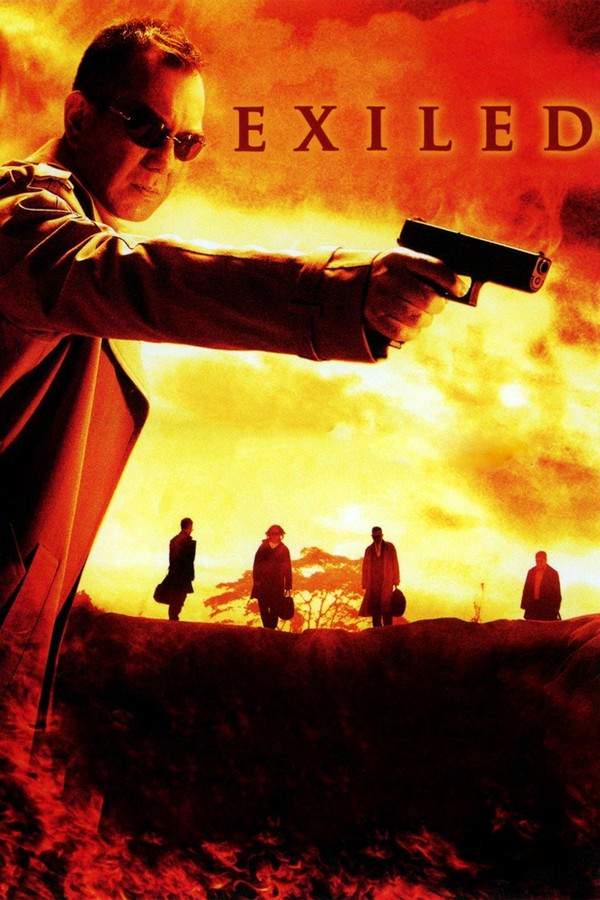
Gritty gang war movies like Japan Organized Crime Boss

Anxiety-filled tales of criminal empires clashing for survival and control. Fans of the brutal showdown and tense power struggle in Japan Organized Crime Boss will find more like it here. Discover movies that delve into the gritty dynamics of organized crime, featuring violent turf wars, complex alliances, and a pervasive sense of anxiety and fatalism within a claustrophobic criminal underworld.

  • grim
  • brutal
  • tense
  • claustrophobic
  • anxious
  • fatalistic
  • Tone: dark, tense, brutal
  • Pacing: steady, anxious build-up
Why these movies?

The story pattern: The plot typically revolves around a looming or active war between rival factions. A central character, often a reluctant leader, is caught in the middle, forced to make difficult choices to protect their crew. The narrative is straightforward, driven by escalating conflict and betrayals, leading to a violent and destructive climax that leaves little room for hope.

Why they belong together: These movies share a specific, high-intensity vibe defined by their grim setting, brutal violence, and focus on the mechanics of power within a criminal organization. The pacing is steady and anxious, building towards an inevitable and bloody confrontation. The mood is consistently tense, claustrophobic, and fatalistic.

If you liked this

Movies Like Japan Organized Crime Boss

Similar movies to Japan Organized Crime Boss: the same genre, themes or kind of story. Each one comes with its own plot summary, timeline and ending explained.

Browse all movie summaries

Every angle

Japan Organized Crime Boss (1969) Explained: Plot, Timeline & Characters

Everything about Japan Organized Crime Boss in one place: what happens in the plot summary, the timeline in chronological order, the characters and meaning. What's After the Movie adds the cast, box office and post-credit scenes.

Coming soon on iOS and Android

The Plot Explained Movie Summary App

Plot summaries, endings explained and timelines on your phone. Catch up on any movie in minutes, save your favorites and never miss a twist again.

Be the first to know when we launch. Your email stays private, always.

Learn more about the app