Plot Explained Spoilers guaranteed!
Plot Explained

Browse by genre

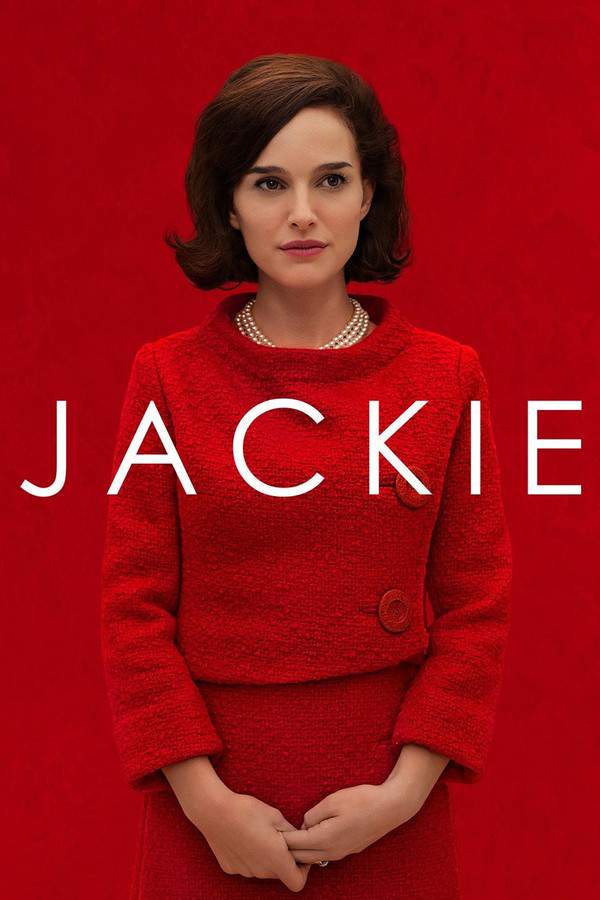
Jackie (2016) movie poster

Plot Summary

Jackie (2016) Plot Summary Explained

Release, runtime and language
2016 · 100 min · English
Loading streaming availability…
Directed by
Pablo Larraín

This biographical drama portrays Jacqueline Bouvier Kennedy in the weeks following her husband John F. Kennedy's assassination. Natalie Portman delivers a powerful performance as she privately confronts the tragedy, struggling to maintain composure while working with President Lyndon B. Johnson’s staff to shape the narrative of the events. The film explores her determination to preserve the image of Camelot and her efforts to navigate the immense grief and political pressures following the loss of her husband.

On this page (6)
  1. 1 Where to watch
  2. 2 What happens: full plot
  3. 3 Plot questions answered
  4. 4 Movie threads
  5. 5 Movies like Jackie
  6. 6 Every angle
Loading streaming availability…

Full plot summary · contains spoilers

What Happens in Jackie: Full Plot Summary

The whole story of Jackie (2016) explained, from the opening scene to the final frame: every key event, every twist and what it all adds up to. Read it as a quick recap before the sequel, to check a scene you missed, or to finally understand what really happened.

The film opens with a striking close-up of Jackie Kennedy as portrayed by Natalie Portman. It's November 1963 in Hyannis Port, Massachusetts, and we see her grappling with the aftermath of her husband's tragic assassination. A journalist, played by Billy Crudup, arrives at the home where Jackie is temporarily staying, and she reflects on the horrible headlines circulating in the press about her. She warns him that she intends to edit their conversation, a notion he finds unlikely.

As the interview unfolds, Jackie expresses her relief at having been with her husband, John F. Kennedy, whom she affectionately calls Jack, during that fateful moment. The journalist remarks on her potential as a broadcaster, which leads to a poignant flashback to 1962, where Jackie is busy filming a CBS special. Her social secretary, Nancy (played by Greta Gerwig), stands by as Jackie assures the American public that the restoration of the White House is funded by her own means and not taxpayer dollars.

The interview takes a somber turn as the journalist probes into Jackie's faith, but she remains tight-lipped. Instead, she recalls the horrifying day when she held her husband's bloody, dismembered remains after the assassination. The film offers a chilling glimpse into the frantic moments on Air Force One, showcasing the chaos as Jackie grapples with her grief and the reality of her husband’s condition.

Amidst her sorrow, we witness Jackie's determination to honor her husband properly by choosing his funeral arrangements meticulously. She resolutely states her desire to include the Irish Cadets, as they had been dear to Jack. Despite facing pushback, Jackie insists on not hiding from the media or the public, signaling her strength and resilience.

As Jackie navigates her profound loss, the film reveals her interaction with Bobby Kennedy (played by Peter Sarsgaard), discussing practical matters concerning the funeral. Their intense conversation reveals Jackie’s desire to ensure that Jack is remembered distinctly, particularly after she insists on the casket remaining closed for the viewing, reflecting the intimate bond they shared.

Jackie's internal conflict becomes evident as she wrestles not only with her grief but also with the public scrutiny she faces. Through a series of progressively revealing conversations, we gain insight into her character—an intelligent and strong woman facing immense pressure to maintain her husband's legacy while grappling with personal sorrow.

Her reflections on history highlight profound themes as she contemplates the tragic fates of past presidents like Abraham Lincoln, lamenting that such figures are often remembered only for their deaths rather than their lives or contributions. As she prepares for a grand procession, Jackie maintains her defiance, determined to be seen alongside her husband, despite the dangers surrounding such an event.

The film intricately weaves Jackie's public and private personas, portraying her stoic front amidst public mourning and the heartbreaking reality of losing her partner. In a final emotional crescendo, Jackie candidly admits to the journalist about her own battles with guilt, as she feels that she could have intervened to save Jack’s life during that tragic day.

Jackie's story ultimately serves as a reminder of a legacy marked by love and loss, and the film concludes with her reaffirmation of their shared ideals encapsulated in Camelot, the vision she yearned to preserve. The poignant imagery of her driving through D.C., overshadowed by the enormous weight of public expectation, leaves the audience contemplating the complexities of grief and remembering those we love.

Last updated: November 15, 2024 at 17:55

Was this helpful?

Plot questions answered

Jackie Plot Explained: Your Questions Answered

The questions people ask most about Jackie (2016): what happens in the confusing scenes, why the characters do what they do, the twists, hidden details and what the ending means. Each answer contains spoilers.

Q1

Why did Jackie insist on a closed casket for JFK's viewing?

Jackie insisted on keeping the casket closed because she had witnessed the traumatic extent of her husband's injuries. She had held his dismembered remains in her arms on Air Force One, and she wanted the American public to remember JFK as he was in life, composed and dignified, rather than seeing the brutal reality of his death. This decision also reflected her desire to protect his legacy and maintain control over how he would be remembered.

  • funeral arrangements
  • closed casket
  • JFK assassination
  • Jackie Kennedy
Q2

What did Jackie mean by preserving the Camelot legacy?

Jackie used the term Camelot to describe the idealized vision of the Kennedy administration, the hope, optimism, and cultural sophistication that characterized her husband's presidency. After JFK's death, she was determined to preserve this narrative rather than let the assassination define his legacy. She wanted Americans to remember the Camelot ideal, which represented the best of what Jack had tried to accomplish, rather than focusing solely on his violent death.

  • Camelot
  • legacy
  • JFK
  • Kennedy administration
  • memory
Q3

What was Jackie's relationship with Bobby Kennedy after JFK's assassination?

Jackie and Bobby Kennedy had tense but practical conversations about organizing JFK's funeral. While Bobby was dealing with the political implications, Jackie was focused on preserving her husband's dignity and legacy. Their discussions revealed tension between political concerns and personal grief, but they ultimately worked together to create the state funeral that Jackie envisioned, one that would honor JFK's memory and status as a president.

  • Bobby Kennedy
  • funeral planning
  • JFK
  • Robert Kennedy
Q4

Why did Jackie agree to interview with the journalist?

Jackie agreed to the interview as a way to control the narrative surrounding her husband's death. She explicitly told the journalist she intended to edit their conversation, demonstrating her desire to shape how the public perceived both her and JFK's legacy. The interview served as an opportunity for Jackie to articulate her version of events on her own terms, rather than allowing the press to define the story.

  • interview
  • journalist
  • media
  • control
  • narrative
Q5

What did Jackie mean by comparing JFK's death to Abraham Lincoln's?

Jackie reflected on how American presidents are often remembered more for their deaths than their lives or accomplishments. By comparing JFK to Abraham Lincoln, she expressed her fear that her husband's legacy would be reduced to the traumatic moment of his assassination rather than the Camelot ideal and policies he had worked toward. This reflection revealed her deep concern about how history would remember Jack.

  • Abraham Lincoln
  • history
  • presidential legacy
  • memory
Q6

Why was Jackie determined to walk in the funeral procession?

Despite security concerns and immense personal grief, Jackie insisted on walking alongside the funeral procession from the White House to St. Matthew's Cathedral. She wanted to be visibly present to honor her husband's memory and demonstrate strength during a moment of national crisis. This act of defiance was also her way of ensuring that Jack was remembered not just as a president, but as a beloved figure worthy of such tributes.

  • funeral procession
  • walking
  • dignity
  • defiance
Q7

Why was the White House restoration so important to Jackie?

The White House restoration represented Jackie's personal contribution to American history and her commitment to preserving cultural heritage. In the 1962 CBS special, she emphasized that the restoration was funded through her own means, not taxpayer money. This project was her way of creating a lasting legacy that would outlive the Kennedy administration and demonstrate her dedication to preserving American history and tradition.

  • White House
  • restoration
  • CBS special
  • legacy
Q8

Why did Jackie feel guilty about JFK's assassination?

Jackie confessed to the journalist that she carried guilt over the assassination, feeling that she could have somehow intervened to save her husband's life. This guilt stemmed from being present during the traumatic event, she was holding him as he was shot. Despite any logical reasoning, she wrestled with the emotional belief that she might have been able to prevent the tragedy, a common psychological response to traumatic loss.

  • guilt
  • trauma
  • grief
  • responsibility
Q9

How did Jackie manage her private grief while maintaining a public presence?

Jackie navigated an extreme duality between her private sorrow and public duties. While grieving the brutal loss of her husband, she forced herself to appear stoic and composed for the nation. She made calculated decisions about how she would be seen publicly, from her pink Chanel suit stained with blood to her determined walks in the funeral procession. This careful management of her public image was her way of honoring Jack while protecting the Kennedy legacy.

  • public image
  • grief
  • private
  • stoic
  • composure
Q10

What was the significance of the Irish Cadets in JFK's funeral?

Jackie specifically requested that the Irish Cadets, a group of young Irishmen who had served as honor guards during Kennedy's visit to Ireland, participate in the funeral. She insisted on this detail because the trip to Ireland had been deeply meaningful to Jack, and she wanted to honor that connection. Despite pushback from officials, she maintained her decision, using the funeral arrangements as a way to weave personal meaning into the state ceremony.

  • Irish Cadets
  • funeral
  • Ireland
  • honor guard

Movie threads

More Movies Like Jackie, by Mood & Story

Curated lists built around what makes Jackie tick: the same mood, the same kind of story or the same emotional payoff. Each list explains why these movies belong together.

Movies about public figures grieving like Jackie

Intimate portraits of famous figures grappling with immense personal tragedy in the public eye. If you were captivated by the private grief and public pressure in Jackie, this collection features similar films. Discover movies like Jackie that explore the lives of famous individuals navigating immense personal tragedy under the harsh glare of the media and public expectation.

  • somber
  • grieving
  • introspective
  • lonely
  • resilient
  • oppressive
  • Tone: melancholic, heavy, introspective
  • Pacing: slow, deliberate, reflective
Why these movies?

The story pattern: Stories in this thread typically center on a biographical or historical figure in the immediate aftermath of a profound loss. The narrative conflict arises from the clash between their raw, private emotions and their duty to a public image or legacy. The structure often uses intimate, reflective moments to contrast with public-facing performances.

Why they belong together: These films are grouped together because they share a deep focus on the specific type of grief experienced by those who cannot mourn privately. They are united by a melancholic tone, heavy emotional weight, and a thematic exploration of legacy, media, and the performance of composure.

Movies about crafting a legacy like Jackie

Stories about characters determined to shape how history will remember a person or event. For viewers who admired Jackie's determination to preserve the Camelot ideal, this thread highlights similar stories. Find movies like Jackie where characters become architects of their own or someone else's legacy, battling against time and circumstance to control the historical narrative.

  • determined
  • meditative
  • strategic
  • historical
  • bittersweet
  • reflective
  • Tone: bittersweet, determined, reflective
  • Pacing: slow, methodical
Why these movies?

The story pattern: The narrative pattern follows a protagonist, often in a position of vulnerability, who recognizes that the story of an event or person is slipping from their control. The central journey involves their strategic efforts to curate memories, manipulate media, and champion a specific, often idealized, version of history, leading to a bittersweet conclusion where the myth is secured but the personal cost is profound.

Why they belong together: These movies are connected by the powerful theme of narrative control. They share a complex, often non-linear structure that contrasts reality with the constructed myth. The tone is consistently bittersweet, balancing the success of legacy-building with the sadness of the truth it obscures.

If you liked this

Movies Like Jackie

Similar movies to Jackie: the same genre, themes or kind of story. Each one comes with its own plot summary, timeline and ending explained.

Browse all movie summaries

Every angle

Jackie (2016) Explained: Plot, Timeline & Characters

Everything about Jackie in one place: what happens in the plot summary, the timeline in chronological order, the characters and meaning and a spoiler-free summary. What's After the Movie adds the cast, box office and post-credit scenes.

Coming soon on iOS and Android

The Plot Explained Movie Summary App

Plot summaries, endings explained and timelines on your phone. Catch up on any movie in minutes, save your favorites and never miss a twist again.

Be the first to know when we launch. Your email stays private, always.

Learn more about the app