Plot Explained Spoilers guaranteed!
Plot Explained

Browse by genre

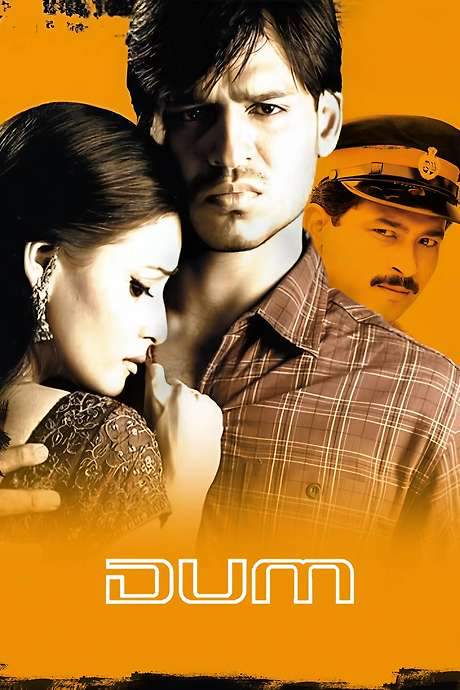
Dum (2003) movie poster

Plot Summary

Dum (2003) Plot Summary Explained

Release, runtime and language
2003 · 160 mins · Tamil
Directed by
A. Venkatesh
Starring
Radha Ravi, Ashish Vidhyarthi, Delhi Ganesh, Silambarasan, Livingston, Sumithra

Satya, the son of a police constable, repeatedly lands in trouble and serves time, only to be bailed out by his father. After a drunken night he’s beaten by college students, he’s rescued by Suchitra, the police commissioner’s daughter, who donates blood. He falls for her, faces family and authority opposition, but perseveres, ultimately receiving his IPS selection letter.

On this page (6)
  1. 1 Where to watch
  2. 2 What happens: full plot
  3. 3 Plot questions answered
  4. 4 Movie threads
  5. 5 Movies like Dum
  6. 6 Every angle

Where to watch

Where to Watch Dum (2003)

Where can you watch Dum? Stream, rent or buy it in the US, including on Fawesome, Hoopla and Plex: current JustWatch availability with up-to-date prices.

Streaming availability powered by JustWatch

Full plot summary · contains spoilers

What Happens in Dum: Full Plot Summary

The whole story of Dum (2003) explained, from the opening scene to the final frame: every key event, every twist and what it all adds up to. Read it as a quick recap before the sequel, to check a scene you missed, or to finally understand what really happened.

Uday and Mohan come from modest, lower-middle-class backgrounds and share a bold dream: to join the police force. Despite pressure from their families and the many obstacles in their path, they believe their raw talent and determination will carry them all the way to the academy. Their faith pays off when they cross paths with their training officer, Raj Dutt Sharma, whose faith in their abilities gives them a real chance to prove themselves. Under Sharma’s guidance, the pair grow into officers who are respected for their integrity and willingness to stand up for what is right, earning a growing reputation as no-nonsense, upright cops.

The story takes a sharp turn when Kaveri (Uday’s girlfriend) witnesses a disturbing act by Inspector Shankar (also known as Encounter Shankar), who urinates in a river. An attempt to lash out at Kaveri nearly turns violent, and Uday steps in to defend her, beating Shankar. Shankar vows revenge, and Sharma warns that Shankar is a corrupt, ego-driven officer who abuses his powers. Sharma then reveals a deeper conspiracy: on the orders of Minister Deshmukh, a goon named Babu Kasai killed a rival. Lakshmi, Sharma’s wife, was a key witness, and while she came forward to testify, Shankar—on Deshmukh’s payroll—stormed Sharma’s house and killed Sharma’s daughter in front of Lakshmi. The shock left Lakshmi in a daze, and Shankar’s political protection helped him climb the ranks even as Sharma was demoted to the role of selecting officers for training.

Fuelled by this truth, Uday resolves to end Shankar’s menace once and for all. But Shankar strikes first, killing Mohan and pushing Uday to the edge. In a tense confrontation, Uday turns the tables, taking Shankar’s gun and fatally wounding Babu Kasai, leading many to believe Shankar was the killer. Shankar retaliates by killing Deshmukh and framing Uday for the crime. The twist deepens when it’s revealed that Babu’s death was staged and that he is very much alive, held in captivity, which prompts a broader manhunt led by Shankar.

As the pursuit unfolds, Shankar closes in on Uday, Kaveri, and the truth itself. Babu, on his deathbed, confesses all his crimes to Kaveri, who records the confession on video. The commissioner arrives at the crime scene, and the video confession seals Shankar’s guilt. With his alibi collapsed, Shankar is ordered to surrender, and a desperate chase ends with Uday tracking down Shankar and killing him, bringing a brutal form of justice to light. Uday finally surrenders and faces trial; the evidence clears him, and the public celebration that follows underscores the restorative arc of a man who stood against corruption.


Last updated: October 09, 2025 at 15:09

Was this helpful?

Plot questions answered

Dum Plot Explained: Your Questions Answered

The questions people ask most about Dum (2003): what happens in the confusing scenes, why the characters do what they do, the twists, hidden details and what the ending means. Each answer contains spoilers.

Q1

Why did Uday beat Shankar at the river?

Uday attacked Shankar after Shankar tried to slap Kaveri, his girlfriend. Kaveri had witnessed Shankar urinating in the river and confronted him about it, which enraged the corrupt inspector. When Shankar turned his anger on Kaveri, Uday stepped in and beat him, setting off the cycle of revenge that drives the story.

Foreshadowing: Earlier in their training, Sharma warns Uday about Shankar's ego and abuse of power, making this confrontation inevitable.

  • uday
  • shankar
  • kaveri
  • river
  • rivalry
  • beat down
Q2

Who killed Sharma's daughter?

Inspector Shankar killed Sharma's daughter. He stormed into Sharma's house on the orders of Minister Deshmukh, murdering the child in front of Lakshmi, Sharma's wife, who was a key witness to a earlier murder committed by Babu Kasai. The trauma left Lakshmi in a daze and gave Shankar political protection to climb the ranks.

Foreshadowing: Sharma mentions that Shankar is on Deshmukh's payroll and abuses his powers before revealing the full extent of his corruption.

  • sharma
  • daughter
  • shankar
  • killed
  • murder
  • deshmukh
Q3

Why is Shankar hunting Uday?

Shankar targets Uday because Uday publicly humiliated him at the river by beating him, and Uday later becomes a threat to Shankar's corruption when he learns the truth about Shankar's crimes. Shankar kills Mohan to break Uday, then frames him for Deshmukh's murder to destroy him completely.

Foreshadowing: Sharma warns Uday that Shankar is egoistic and vindictive, promising that this confrontation would have consequences.

  • shankar
  • uday
  • hunt
  • mohan
  • revenge
  • frame up
Q4

How did Uday frame Shankar for Babu Kasai's death?

Uday cornered Shankar at a crime scene and used Shankar's own gun to kill Babu Kasai. This made it appear that Shankar had murdered the criminal, misleading onlookers into believing Shankar was the killer. The staged death was part of Uday's plan to turn the authorities against Shankar.

Foreshadowing: Uday vows to end Shankar's menace after learning about the conspiracy, showing his willingness to use drastic measures.

  • uday
  • babu kasai
  • shankar
  • gun
  • frame
  • staged death
Q5

Is Babu Kasai actually dead?

No, Babu Kasai's death was staged. Uday kept him captive alive after the fake killing at the crime scene. Babu later confesses all his crimes to Kaveri on video while on his deathbed, providing the crucial evidence needed to expose Shankar and Deshmukh's conspiracy.

Foreshadowing: The manhunt for Babu seems unusually extensive, hinting that his fate is more complicated than initially believed.

  • babu kasai
  • alive
  • captive
  • confession
  • video
Q6

Who killed Minister Deshmukh?

Shankar killed Minister Deshmukh. After Uday framed him for Babu's murder, Shankar retaliated by assassinating Deshmukh and framing Uday for the crime. This desperate act was meant to eliminate the minister who ordered the original crimes and to further entrap Uday.

Foreshadowing: Shankar's political protection came from Deshmukh's orders, making the minister a liability once the conspiracy began unraveling.

  • deshmukh
  • shankar
  • killed
  • murder
  • minister
Q7

How was Uday exonerated?

Uday was cleared after Kaveri presented the video confession of Babu Kasai to the commissioner. Babu, while dying, confessed to all his crimes including the original murder ordered by Deshmukh. This evidence revealed Shankar as the true culprit and exposed the frame-up, leading to Uday's acquittal in court.

Foreshadowing: Kaveri secretly records Babu's confession, setting up the crucial turning point where evidence finally breaks the conspiracy.

  • uday
  • exonerated
  • court
  • confession
  • video
  • acquitted
Q8

What role did Kaveri play in exposing Shankar?

Kaveri was instrumental in bringing down Shankar. She witnessed Shankar's criminal behavior at the river and later recorded Babu Kasai's dying confession on video. She presented this evidence to the commissioner, which proved Shankar's guilt and broke the conspiracy wide open.

Foreshadowing: Kaveri's initial confrontation with Shankar at the river sets her on a path toward becoming a key witness against corruption.

  • kaveri
  • video confession
  • evidence
  • shankar
  • witness
Q9

Why did Shankar kill Mohan?

Shankar killed Mohan to break Uday psychologically and eliminate his partner in the fight against corruption. Mohan was Uday's closest friend and fellow cop who stood by him throughout the conflict. Killing Mohan was Shankar's opening move in his vendetta, intended to make Uday vulnerable and isolated.

Foreshadowing: Shankar is established as a vindictive, ego-driven officer who abuses power and seeks revenge against those who oppose him.

  • mohan
  • killed
  • shankar
  • uday
  • revenge
  • friendship
Q10

Why was Sharma demoted to training officer?

Sharma was demoted after his wife Lakshmi testified against Shankar regarding Babu Kasai's murder. Shankar, acting on Deshmukh's orders, killed Sharma's daughter in front of Lakshmi as punishment. The trauma left Lakshmi unable to testify effectively, and Shankar used his political connections to get promoted while Sharma was stripped of his rank and made responsible for selecting new police cadets.

Foreshadowing: Sharma's personal loss is directly tied to his wife's testimony against the corruption he fights.

  • sharma
  • demoted
  • training officer
  • deshmukh
  • shankar
  • corruption

Movie threads

More Movies Like Dum, by Mood & Story

Curated lists built around what makes Dum tick: the same mood, the same kind of story or the same emotional payoff. Each list explains why these movies belong together.

Gritty revenge thrillers like Dum

Fast-paced stories of determined individuals taking on a corrupt system. If you liked the tense, high-stakes battle against corruption in Dum, explore these movies with similar themes. This thread gathers stories about determined underdogs facing systemic injustice, featuring fast pacing, heavy emotional weight, and cathartic victories.

  • vengeful
  • gritty
  • tense
  • determined
  • cathartic
  • high-stakes
  • Tone: tense, gritty, determined
  • Pacing: fast, relentless
Why these movies?

The story pattern: The narrative typically follows a clear arc: an injustice creates a personal catalyst for the protagonist, who then embarks on a dangerous quest for vengeance. The journey involves facing significant personal loss, being hunted by powerful enemies, and overcoming overwhelming odds, culminating in a final, decisive confrontation where justice is ultimately served.

Why they belong together: These films are grouped together because they share a core DNA of a vengeful protagonist, a high-intensity pace with constant danger, and a central conflict pitting an individual against a deeply entrenched corrupt system, leading to a emotionally charged but ultimately satisfying resolution.
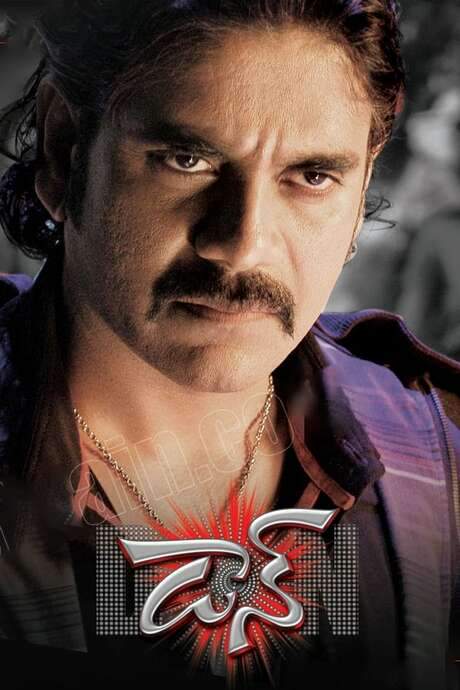
Movies with tragic catharsis like Dum

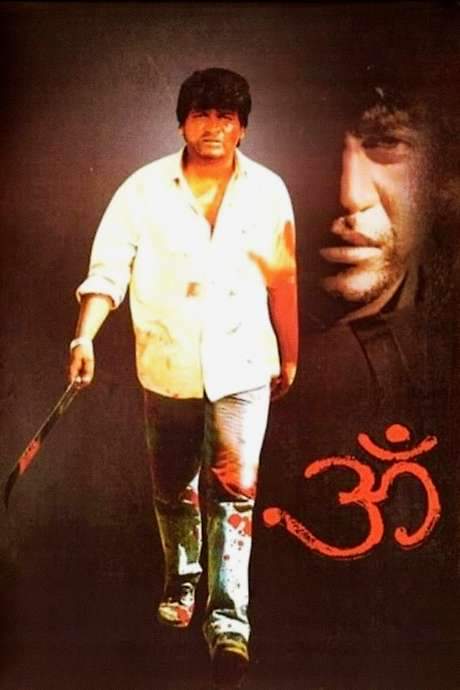
Stories where profound loss fuels a determined, ultimately redeeming climb. For viewers who appreciated the heavy emotional weight and tragic events in Dum that lead to a satisfying victory. This collection features films with similar emotional arcs, where characters endure significant suffering but ultimately achieve a cathartic and hopeful resolution.
  • tragic
  • cathartic
  • hopeful
  • determined
  • emotional
  • gritty
  • Tone: tragic, hopeful, cathartic
  • Pacing: steady, emotionally driven
Why these movies?

The story pattern: The narrative pattern involves a protagonist experiencing a devastating personal tragedy, often the loss of a loved one, which serves as the primary motivation for their subsequent actions. The story charts their difficult path through grief, revenge, or redemption, facing immense obstacles, with the emotional payoff coming from a final, hard-earned victory that provides closure and a sense of justice.

Why they belong together: These films are united by their heavy emotional weight, often triggered by a central tragic event, and their focus on a cathartic emotional release by the end. They balance darkness with light, ensuring the journey, while painful, leads to a meaningful and hopeful conclusion.

If you liked this

Movies Like Dum

Similar movies to Dum: the same genre, themes or kind of story. Each one comes with its own plot summary, timeline and ending explained.

Browse all movie summaries

Every angle

Dum (2003) Explained: Plot, Timeline & Characters

Everything about Dum in one place: what happens in the plot summary, the timeline in chronological order, the characters and meaning and a spoiler-free summary. What's After the Movie adds the cast, box office and post-credit scenes.

Coming soon on iOS and Android

The Plot Explained Movie Summary App

Plot summaries, endings explained and timelines on your phone. Catch up on any movie in minutes, save your favorites and never miss a twist again.

Be the first to know when we launch. Your email stays private, always.

Learn more about the app