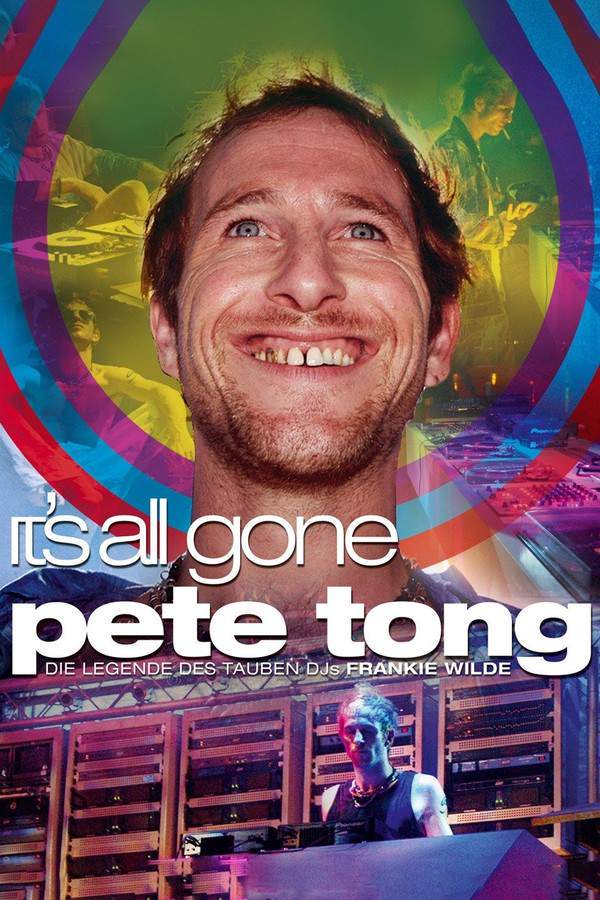
It's All Gone Pete Tong

A determined deaf woman develops an unexpected connection with a DJ struggling with addiction and a crisis of confidence. As he confronts his demons and attempts recovery, she offers him support and understanding, helping him to rediscover his passion and find his way back to his music. Their bond offers both of them a chance at redemption and a renewed sense of purpose.
Where to Watch It's All Gone Pete Tong?
Find where to stream, rent, or buy It's All Gone Pete Tong (2005) in the US with current JustWatch availability, up-to-date pricing, and platform listings for subscription, rental, and digital purchase options.





Streaming availability powered by 
Warning: spoilers below!
Haven’t seen It's All Gone Pete Tong yet? This summary contains major spoilers. Bookmark the page, watch the movie, and come back for the full breakdown. If you're ready, scroll on and relive the story!
Timeline – It's All Gone Pete Tong (2005)
Trace every key event in It's All Gone Pete Tong (2005) with our detailed, chronological timeline. Perfect for unpacking nonlinear stories, spotting hidden connections, and understanding how each scene builds toward the film’s climax. Whether you're revisiting or decoding for the first time, this timeline gives you the full picture.
Last updated: November 21, 2024 at 10:11
It's All Gone Pete Tong (2005) Timeline Questions Answered – Chronology FAQ
Find frequently asked questions about the It's All Gone Pete Tong (2005) timeline, including chronological order, nonlinear jumps, cause-and-effect links, and scene sequence clarifications. This timeline FAQ helps explain when key events happen, how moments connect, and why the story unfolds in that specific order.
What causes Frankie Wilde to lose his hearing?
Frankie's hearing loss begins during an Arsenal match when he experiences an unbearable high-pitched whine in his ear. While he initially tries to continue working, his condition deteriorates progressively. The definitive cause comes when his friend Horst, during a heated argument, smashes a guitar against an amplifier, creating deafening feedback that ruptures Frankie's eardrum and condemns him to permanent deafness.
The initial whine during the match foreshadows the fragility of his hearing, establishing that his career is built on increasingly unstable ground.
Why does Max abandon Frankie after his hearing loss?
Max abandons Frankie because he sees him as no longer profitable. Once Frankie becomes deaf and can no longer produce or perform music professionally, Max views him as a lost investment and walks away, leaving Frankie to face his crisis alone.
Max's later return to exploit Frankie for commercial gain reveals his character as someone motivated by profit rather than genuine loyalty.
What is the meaning of the guilt-ridden badger vision Frankie sees?
The badger vision represents Frankie's own inner chaos and guilt over his addiction. When he confronts the figure in his soundproof home, he recognizes it as a manifestation of his self-destructive tendencies. This confrontation triggers his decision to dispose of all drugs and begin his path to recovery.
How does Penelope help Frankie rediscover music after becoming deaf?
Penelope, a lip-reading instructor, helps Frankie redefine his relationship with music by engaging his other senses. She teaches him innovative techniques to interpret sound through vibration and visual cues. Together, they develop a mixing system that uses oscilloscope patterns, allowing Frankie to create music by visualizing sound waves rather than hearing them.
Their initial professional relationship blossoms into romance, providing the emotional foundation for Frankie's transformation.
Why does Frankie become a street musician at the end of the movie?
After his successful Pacha performance and growing discomfort with Max's exploitative commercialization, Frankie chooses to step away from fame entirely. He embraces a simpler life, becoming a homeless street musician. This choice reflects his personal growth, he finds contentment in authenticity and connection rather than celebrity.
What is the 'Hear No Evil' mix CD that Frankie creates?
"Hear No Evil" is the groundbreaking mix CD Frankie creates using his oscilloscope-based mixing system. The title cleverly references the phrase "see no evil" while acknowledging his deafness. The project attracts Max's attention and becomes the catalyst for Frankie's career revival, demonstrating that he can create music without hearing.
Why does Frankie’s wife Sonya leave him?
Sonya leaves Frankie because she can no longer cope with his declining condition and increasingly erratic behavior. Seeking stability and a normal life, she departs while Frankie is at his lowest point, adding to his isolation during his descent into depression and addiction.
Why does Max exploit Frankie for commercial gain after his comeback?
When Frankie gains attention again with his innovative music, Max returns and organizes insensitive promotional events that treat Frankie's deafness as a novelty act rather than celebrating his artistic achievement. This commercialization alienates the deaf community and creates tension with Penelope, who recognizes the exploitation.
How does Frankie perform DJ sets after becoming deaf?
Frankie performs at Pacha using his oscilloscope system, which translates sound into visual patterns he can interpret. He also feels the vibrations of the music through his body. The performance proves stunningly successful, with many asserting it showcases even greater artistry than his previous hearing-enabled work.
This success validates the innovative techniques Penelope helped him develop, proving his deafness does not limit his creativity.
Do Frankie and Penelope have a child together?
Yes, the film ends with Frankie, now a street musician, crossing paths with Penelope and their child on a quiet corner. They walk together hand in hand, radiating joy and tranquility, suggesting they have built a family despite their unconventional journey.
What motivates Frankie to teach deaf children at the end?
Frankie dedicates himself to teaching deaf children to sense sound and appreciate music, passing on the wisdom he gained from Penelope. This act represents his complete transformation, from a self-destructive addict to a purposeful mentor. It shows he has found meaning beyond fame, using his experience to build connections within his community.
Why does Frankie choose to step away from fame after his Pacha success?
Frankie chooses to step away because he becomes uncomfortable with Max's exploitative promotion and the superficial nature of celebrity. After experiencing both the heights of fame and the depths of despair, he finds peace in simplicity, authentic connection with Penelope, their child, and his community through teaching.

Explore Movie Threads
Discover curated groups of movies connected by mood, themes, and story style. Browse collections built around emotion, atmosphere, and narrative focus to easily find films that match what you feel like watching right now.
Movies about artistic rebirth like It's All Gone Pete Tong
Profound personal collapse leads to a hard-won creative and spiritual rebirth.If you enjoyed the story of a DJ overcoming personal demons in It's All Gone Pete Tong, you'll find similar movies here. These films explore artists facing crises, from career downfall to addiction, and their journey to find redemption and a renewed creative purpose.
It's All Gone Pete Tong
2005

Radio Star
2006

Soundtracker
2010

The Beat Beneath My Feet
2014

The Lyricist Wannabe
2023

Do Re Mi
1996

The Gene Krupa Story
1959
Leap of Faith
2024
Lifted
2010
Taking Woodstock
2009
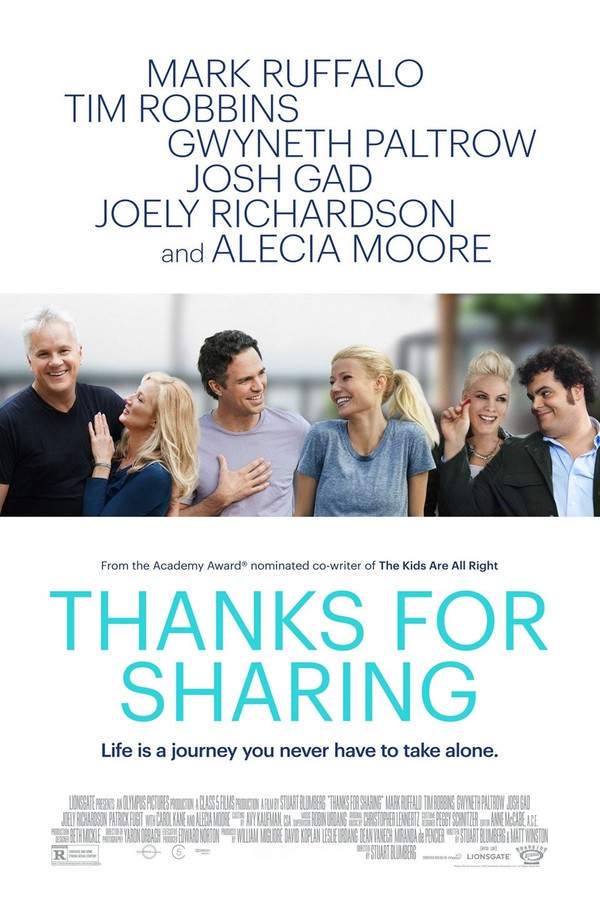
Thanks for Sharing
2013
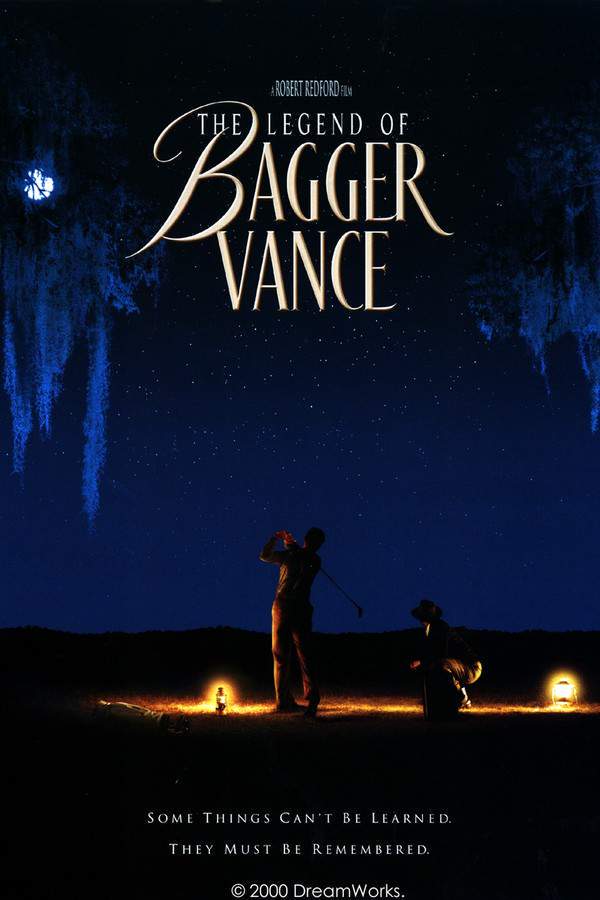
The Legend of Bagger Vance
2000

Saint John of Las Vegas
2010

Song One
2015

CODA
2021
Narrative Summary
Stories in this thread typically begin with a character at the peak of their creative powers, followed by a catastrophic fall triggered by internal demons or external misfortune. The core of the narrative is the arduous, often non-linear, process of hitting rock bottom and then slowly, painfully rebuilding a new identity and a new relationship with their art, often with the help of an unexpected ally.
Why These Movies?
Movies are grouped here for their shared focus on the intersection of artistry and personal crisis. They blend the melancholy of loss with the triumphant, hopeful feeling of rediscovery, offering a bittersweet but ultimately uplifting view of creative resilience.
Movies about hopeful human connections like It's All Gone Pete Tong
Unlikely relationships provide a lifeline through personal turmoil and despair.Viewers who liked the supportive relationship between Frankie and Penelope in It's All Gone Pete Tong will appreciate these films. They feature stories where an unlikely friendship or romance offers a chance at redemption and a renewed sense of purpose amidst personal struggles.

Un/Happy for You
2024

Lucky Them
2014

As It Is in Heaven
2004

Long Life, Happiness and Prosperity
2002
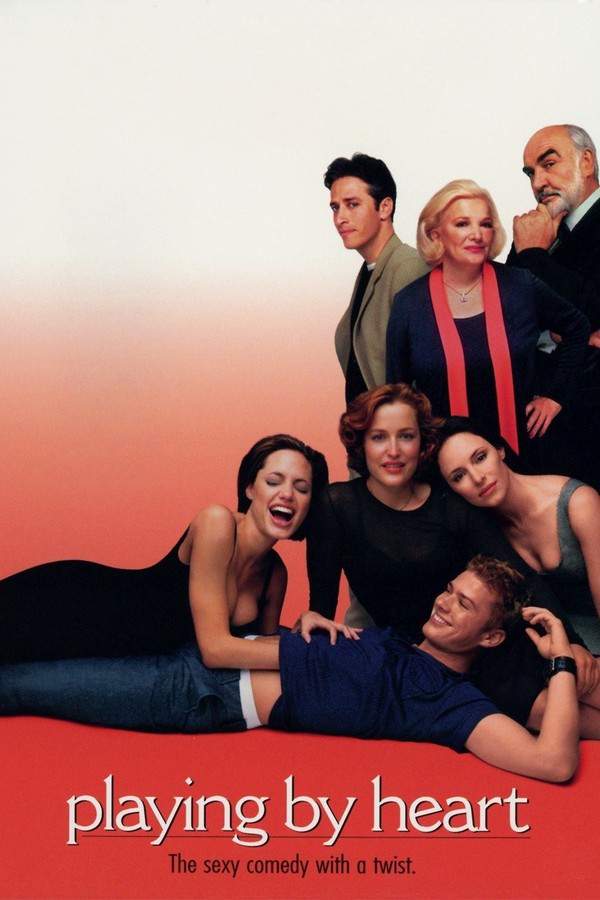
Playing by Heart
1999

Another Round
2020
Thanks for Sharing
2013
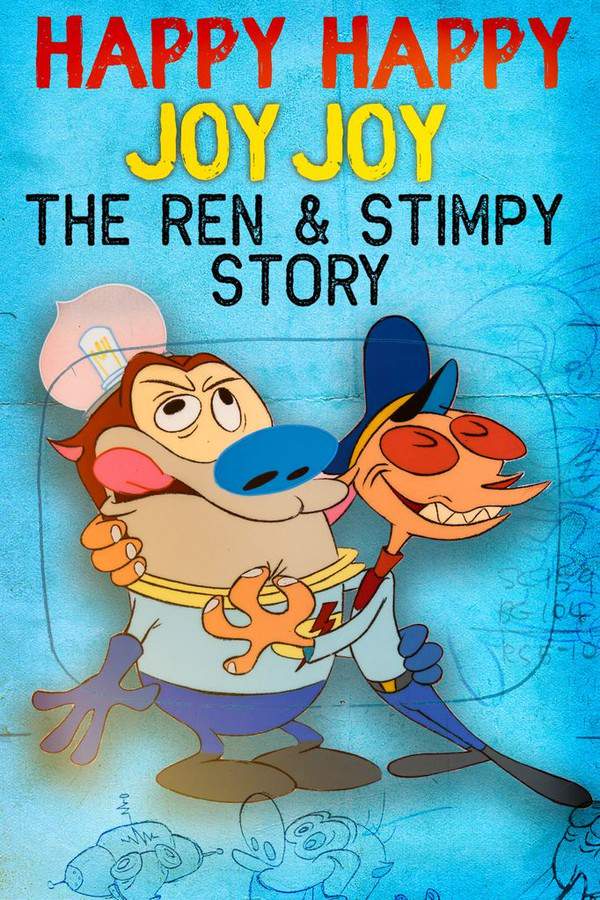
Happy, Happy
2011
Little Black Book
2004

Something to Talk About
1995
The Upside of Anger
2005
Afterglow
1997

Sunlight
2025

Disappearing Acts
2000

Hello, My Name Is
2022
Narrative Summary
The narrative pattern involves two characters from different worlds whose lives intersect at a point of vulnerability for at least one of them. Their relationship develops steadily, acting as a stabilizing force against self-destructive tendencies or isolation. The journey is not about a perfect happy ending, but about finding strength and hope through mutual understanding, leading to a realistically bittersweet but positive conclusion.
Why These Movies?
These films are united by their emphasis on human connection as a redemptive force. They share a mix of melancholy and hope, a steady pacing that allows relationships to develop authentically, and an emotional core that is impactful but not overwhelmingly heavy.
Unlock the Full Story of It's All Gone Pete Tong
Don't stop at just watching - explore It's All Gone Pete Tong in full detail. From the complete plot summary and scene-by-scene timeline to character breakdowns, thematic analysis, and a deep dive into the ending - every page helps you truly understand what It's All Gone Pete Tong is all about. Plus, discover what's next after the movie.
It's All Gone Pete Tong Summary
Read a complete plot summary of It's All Gone Pete Tong, including all key story points, character arcs, and turning points. This in-depth recap is ideal for understanding the narrative structure or reviewing what happened in the movie.

Characters, Settings & Themes in It's All Gone Pete Tong
Discover the characters, locations, and core themes that shape It's All Gone Pete Tong. Get insights into symbolic elements, setting significance, and deeper narrative meaning - ideal for thematic analysis and movie breakdowns.


Similar Movies to It's All Gone Pete Tong
Discover movies like It's All Gone Pete Tong that share similar genres, themes, and storytelling elements. Whether you’re drawn to the atmosphere, character arcs, or plot structure, these curated recommendations will help you explore more films you’ll love.
Tony Takitani
2005
Tommy
1975

All That Jazz
1979
Undiscovered
2005

Diamond Tongues
2016
Lost in the Pershing Point Hotel
2001

Dog
2017

Hear My Song
1991

Queen Kong
1976

It’s Trad, Dad!
1962

Dog Heaven
1927

For Pete’s Sake!
1934

It Should Happen to You
1954

Pete Kelly’s Blues
1955

Sorry, We’re Dead
2024
Explore More About Movie It's All Gone Pete Tong
It's All Gone Pete Tong (2005) Plot Summary & Movie Recap
It's All Gone Pete Tong (2005) Scene-by-Scene Movie Timeline
It's All Gone Pete Tong (2005) Spoiler-Free Summary & Key Flow
Movies Like It's All Gone Pete Tong – Similar Titles You’ll Enjoy
Tony Takitani (2005) Full Summary & Key Details
Tommy (1975) Full Movie Breakdown
All That Jazz (1979) Movie Recap & Themes
Undiscovered (2005) Full Summary & Key Details
Diamond Tongues (2016) Story Summary & Characters
Lost in the Pershing Point Hotel (2001) Plot Summary & Ending Explained
Dog (2017) Full Movie Breakdown
Hear My Song (1991) Detailed Story Recap
Queen Kong (1976) Full Movie Breakdown
It’s Trad, Dad! (1962) Plot Summary & Ending Explained
Dog Heaven (1927) Story Summary & Characters
For Pete’s Sake! (1934) Complete Plot Breakdown
It Should Happen to You (1954) Story Summary & Characters
Pete Kelly’s Blues (1955) Plot Summary & Ending Explained
Sorry, We’re Dead (2024) Plot Summary & Ending Explained