Year: 1975
Runtime: 111 min
Language: English
A tender drama about a young boy named Tommy, who finds comfort and strength through his vivid imagination. Caught in the difficult situation of a custody battle, he forms a special bond with an imaginary tiger, providing him solace and a sense of resilience. The film explores themes of hope, inner strength, and the power of imagination in the face of adversity, highlighting the importance of connection and finding light even during challenging times.
Warning: spoilers below!
Haven’t seen Tommy yet? This summary contains major spoilers. Bookmark the page, watch the movie, and come back for the full breakdown. If you're ready, scroll on and relive the story!
Read the complete plot breakdown of Tommy (1975), including all key story events, major twists, and the ending explained in detail. Discover what really happened—and what it all means.
In the prologue set in 1945, a tender montage follows Nora [Ann-Margret] and her husband, Group Captain Walker, as they begin their honeymoon. When his leave ends, Walker heads back to war as a bomber pilot and is shot down on a mission. He is listed as missing in action and presumed dead, though in truth he survives with severe burns, hidden from his family. Back home in England, Nora gives birth to a son, Tommy [Roger Daltrey], on V-E Day, a moment that marks a fragile beacon of hope amid the shadows of war.
Five years later, in 1950, Nora begins a new relationship with Frank [Oliver Reed], a holiday worker she and Tommy meet at a seaside camp. Tommy looks up to his “Uncle” Frank and dreams aloud about running his own holiday camp someday. On New Year’s Eve, Nora and Frank imagine a bright future together, but that night the returning Captain Walker disrupts their bed, and Frank murders him. Tommy witnesses the murder in the reflective glare of a mirror, and the couple pressures Tommy to keep silent as they scramble to cover their tracks. The trauma triggers a dissociative state in Tommy, who outwardly appears “deaf, dumb, and blind” while his inner experience takes on a psychedelic intensity, an odd transformation that will shape the rest of his life (Amazing Journey). At a Christmas party soon after, Nora frets that Tommy “doesn’t know what day it is,” hinting at the depth of his fractured perception (Christmas).
Over the next sixteen years, Nora and Frank try in vain to coax Tommy out of his shell. They seek help from a faith healer (Eyesight to the Blind) and even turn to a drug dealer (The Acid Queen), but nothing yields lasting change. They place him with a string of questionable babysitters (Cousin Kevin / Fiddle About), and at one point leave him alone with a mirror, letting him wander off into a strange vision. That vision leads him to a junkyard where a pinball machine sits, and Tommy begins to play with a remarkable sense of timing and precision (Sparks). The media and Frank recognize him as a pinball prodigy, a public ascent that takes on aura despite his disability, and his triumph culminates in a televised victory against the “Pinball Wizard,” with The Who providing the backing soundtrack and energy. Nora watches the spectacle and tries to celebrate, even as a deeper ache lingers behind the smiles (Extra, Extra, Extra; Champagne).
A medical specialist finally offers a glimmer of explanation: Tommy’s state appears emotionally triggered, not physically rooted, and the doctor suggests the only hope is to keep guiding him toward mirrors and reflection (There’s a Doctor; Go to the Mirror!). Frustrated and desperate, Nora shoves Tommy through the mirror, and the world snaps back into focus as he screams, a dramatic reawakening that marks a turning point: Tommy is now fully aware and ready to shape his own path (I’m Free).
Armed with that new sense of self, Tommy declares a grand, nearly messianic mission to transform the world. He embarks on lecture tours that resemble glam-rock gospel performances, riding the energy of the crowd and gathering friends and followers wherever he goes, often aided by the uplift of the crowd’s belief in him (Mother and Son / Miracle Cure; Sally Simpson / Sensation). Nora and Frank’s home becomes a bustling compound as more and more converts arrive, drawn to Tommy’s message and charisma. They expand with an extension that becomes “Tommy’s Holiday Camp,” a secular shrine to his newly minted gospel of enlightenment (Welcome / Tommy’s Holiday Camp).
Yet the growing community’s hunger for meaning clashes with the practical demands of leadership. When the followers demand something useful from Tommy, he answers by demonstrating his power in new, troubling ways—by deafening, muting, and blinding everyone around him. This unintended provocation ignites a riot, and the dream dissolves in tragedy as Nora and Frank are killed and the camp burns to the ground (We’re Not Gonna Take It). Amid the rubble, Tommy finds his parents and wearily mourns before walking away into the mountains, returning to the peak where their honeymoon once began to greet a new dawn and the rising sun, closing the story with a haunting, hopeful cadence: Listening to You.

Last Updated: October 09, 2025 at 15:42
Discover curated groups of movies connected by mood, themes, and story style. Browse collections built around emotion, atmosphere, and narrative focus to easily find films that match what you feel like watching right now.
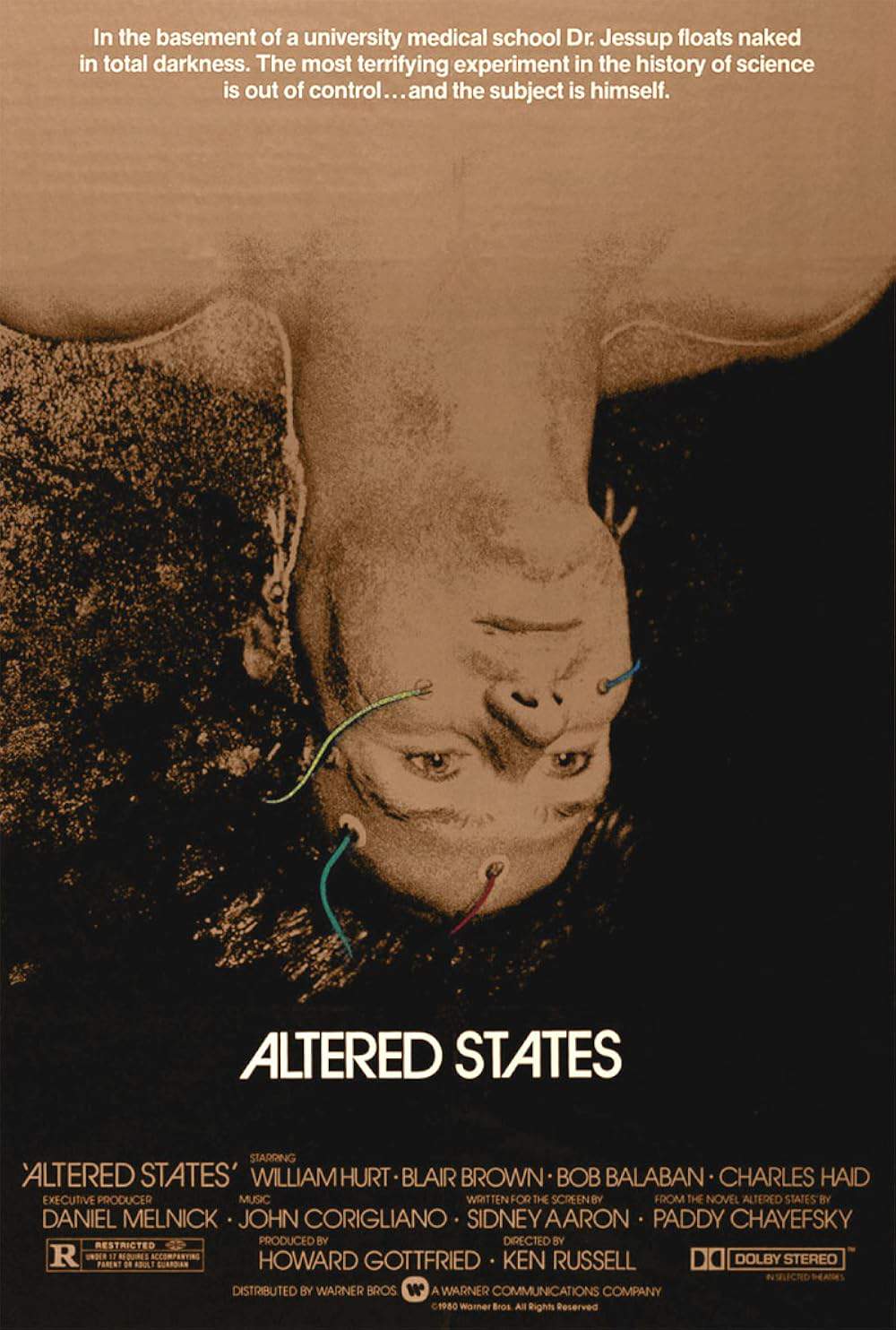
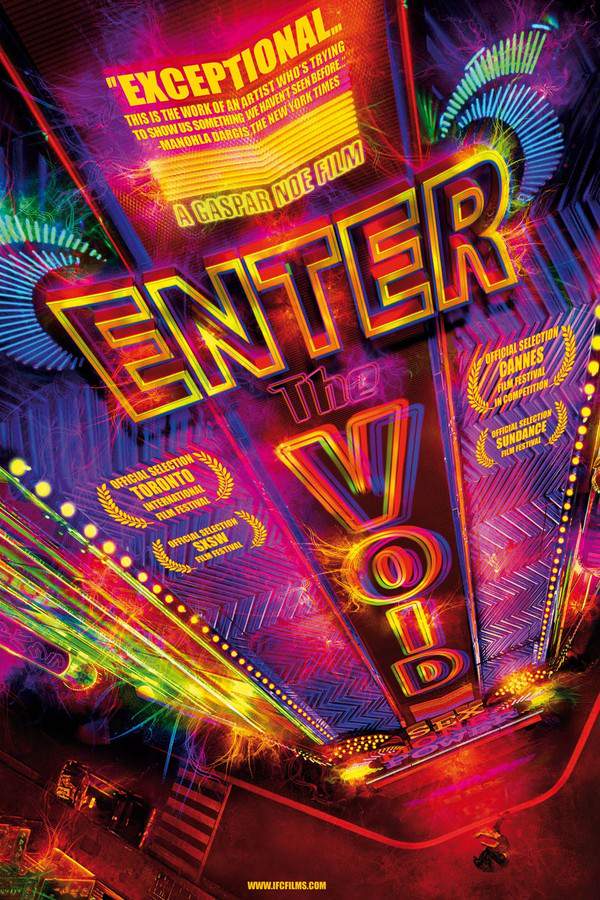
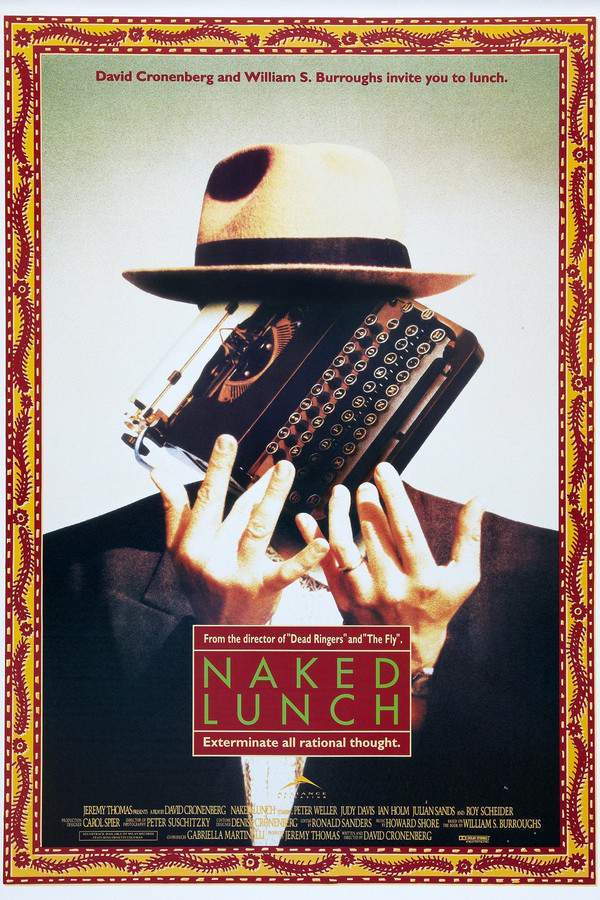
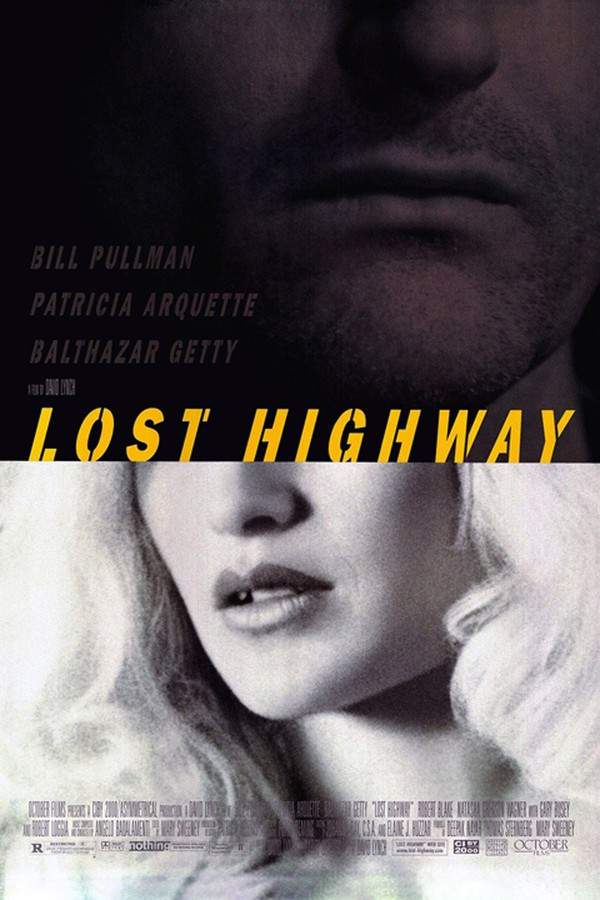
Films that explore psychological damage through surreal, symbolic imagery and sound.For viewers who liked the surreal, symbolic depiction of trauma in Tommy, this section finds movies with similar journeys. These stories use psychedelic visuals and disorienting narratives to explore psychological damage, offering intense, dreamlike experiences for fans of emotional and stylistic depth.
These narratives typically follow a character who has experienced a profound trauma, leading to a fractured perception of reality. The story unfolds through a blend of harrowing realism and surreal fantasy, using visual and auditory spectacle to represent the character's internal struggle for recovery or meaning.
Movies are grouped here based on their shared approach to visualizing psychological distress. They combine a dark, heavy tone with surreal, often intense, aesthetics to create a unique emotional and sensory experience centered on trauma and coping.
Stories about unlikely figures elevated to fame, only to face destructive consequences.If you were fascinated by Tommy's journey from traumatized boy to pinball messiah and his subsequent downfall, this list is for you. Discover similar movies about flawed figures who achieve cult-like fame, exploring the darker side of idolatry and the personal price of being a symbol.
The pattern involves a character, often with a unique talent or perceived purity, being discovered and commercialized. Their rise to fame is depicted as a chaotic, fast-paced montage, but this success is hollow and unsustainable. The narrative climaxes with the violent or chaotic destruction of their following, leaving the protagonist isolated but perhaps wiser.
These films are united by a specific character arc: the creation and destruction of a public figure. They share a variable pacing that accelerates with fame and collapses into chaos, a dark tone critiquing fame culture, and a bittersweet ending that questions the cost of being a symbol.
Don't stop at just watching — explore Tommy in full detail. From the complete plot summary and scene-by-scene timeline to character breakdowns, thematic analysis, and a deep dive into the ending — every page helps you truly understand what Tommy is all about. Plus, discover what's next after the movie.
Track the full timeline of Tommy with every major event arranged chronologically. Perfect for decoding non-linear storytelling, flashbacks, or parallel narratives with a clear scene-by-scene breakdown.
Discover the characters, locations, and core themes that shape Tommy. Get insights into symbolic elements, setting significance, and deeper narrative meaning — ideal for thematic analysis and movie breakdowns.
Get a quick, spoiler-free overview of Tommy that covers the main plot points and key details without revealing any major twists or spoilers. Perfect for those who want to know what to expect before diving in.
Visit What's After the Movie to explore more about Tommy: box office results, cast and crew info, production details, post-credit scenes, and external links — all in one place for movie fans and researchers.
Discover movies like Tommy that share similar genres, themes, and storytelling elements. Whether you’re drawn to the atmosphere, character arcs, or plot structure, these curated recommendations will help you explore more films you’ll love.
Tommy (1975) Scene-by-Scene Movie Timeline
Tommy (1975) Movie Characters, Themes & Settings
Tommy (1975) Spoiler-Free Summary & Key Flow
Movies Like Tommy – Similar Titles You’ll Enjoy
Tomboy (2011) Detailed Story Recap
Babes in Toyland (1961) Plot Summary & Ending Explained
Tommy's Honour (2017) Movie Recap & Themes
Tom of Your Life (2020) Complete Plot Breakdown
Tom & Thomas (2002) Complete Plot Breakdown
Something to Sing About (2000) Plot Summary & Ending Explained
Tommy Tricker and the Stamp Traveller (1988) Full Summary & Key Details
Tom Thumb (1972) Ending Explained & Film Insights
It’s All Happening (1963) Ending Explained & Film Insights
The Return of Tommy Tricker (1994) Movie Recap & Themes
Tommy and the Cool Mule (2009) Story Summary & Characters
Magique (2008) Ending Explained & Film Insights
Tom Thumb (1958) Film Overview & Timeline
Tommy and the Wildcat (1998) Movie Recap & Themes
The Tommy Steele Story (1957) Ending Explained & Film Insights