Plot Explained Spoilers guaranteed!
Plot Explained

Browse by genre

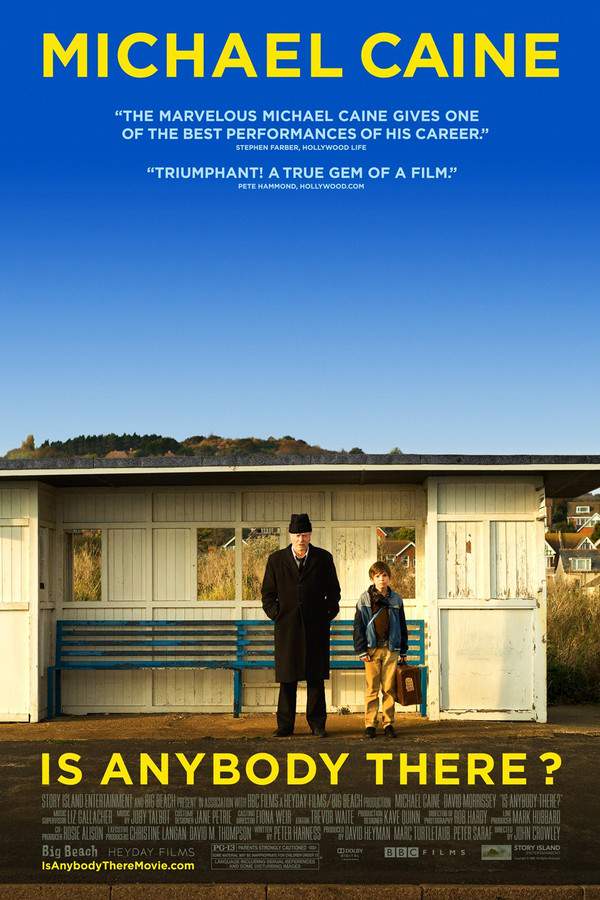
Is Anybody There? (2009) movie poster

Plot Summary

Is Anybody There? (2009) Plot Summary Explained

Release, runtime and language
2009 · 94 min · English
Directed by
John Crowley
Starring
Michael Caine, Bill Milner

During the Christmas season, a young boy named Edward feels overlooked by his preoccupied parents while assisting at Lark Hall, a care home by the sea. Feeling lonely, he unexpectedly connects with a former magician. The retired performer helps Edward rediscover joy and a sense of wonder during a time of year that feels isolating.

On this page (5)
  1. 1 What happens: full plot
  2. 2 Plot questions answered
  3. 3 Movie threads
  4. 4 Movies like Is Anybody There?
  5. 5 Every angle

Full plot summary · contains spoilers

What Happens in Is Anybody There?: Full Plot Summary

The whole story of Is Anybody There? (2009) explained, from the opening scene to the final frame: every key event, every twist and what it all adds up to. Read it as a quick recap before the sequel, to check a scene you missed, or to finally understand what really happened.

In 1987, we meet Edward (Bill Milner), a curious ten-year-old boy residing in an old people’s home run by his parents, David ([David Morrissey]) and Anne-Marie ([Anne-Marie Duff]). Amidst the atmosphere filled with the remnants of life and the presence of fading spirits, Edward becomes fascinated with uncovering proof of an afterlife, often resorting to his tape recorder to document his so-called "encounters" with the unknown.

His quest is significantly aided by Clarence (Michael Caine), a frail yet vibrant former magician in the early stages of dementia, who has recently moved into the care facility. Their first encounter occurs on a lone stretch of road, where Edward is almost struck by Clarence's camper van, a vehicle that Clarence was adamantly living in, resisting any thoughts of settling into the home.

Irritated by the loss of his room, control of the television, and the general sense of privacy and freedom, Edward devises a plan to set off the fire alarm. As the residents trudge outside into the pouring rain, he seizes the opportunity to create chaos within the building, relishing in his moment of rebellion.

The following day, as he walks to school, Edward spots Clarence’s van, its engine ominously running. He opens the door only to be met by a cloud of carbon monoxide. With Clarence hospitalized, Edward takes the time to rummage through his belongings, discovering an array of posters showcasing Clarence's illustrious past as a magician.

Determined to forge a deeper connection, Edward visits Clarence in the hospital, bringing along a few personal items and offering a heartfelt apology. This marks the beginning of a beautiful friendship, where both Edward and Clarence embark on a journey that enables them to confront their own life challenges.

As their bond strengthens, Edward introduces Clarence to a unique ritual he practices in a bid to contact the departed. This shared interest in magic ignites a spark within them, prompting Edward to learn tricks he can share with his classmates. On his birthday, Clarence takes Edward and his friends for a ride in the van. However, confusion at a roundabout leads to an unexpected accident. Frustrated, Clarence leaves the van by the water’s edge, ultimately leading to a poignant argument where he denies the existence of an afterlife. In a fit of anger, Edward storms off.

Later, during Edward’s birthday celebration at the home, his excitement wanes until Clarence announces he will perform magic. The audience delights in the card tricks, but one trick, intended to fake a finger being cut off, goes awry.

In a touching segment, Edward organizes a trip to visit Clarence's wife's grave. However, Clarence's dementia raises its head when he fails to recognize it as her final resting place. In a moment that is both tender and profound, he mistakes Edward's mother for his late wife, leading to an emotional reconciliation.

Tragically, Clarence eventually passes away, leaving Edward profoundly changed. Through the process, Edward gains emotional maturity, and inspired by his own parents' earlier struggles, they decide to rekindle their relationship, motivated by a renewed sense of hope.
Last updated: November 08, 2024 at 03:20

Was this helpful?

Plot questions answered

Is Anybody There? Plot Explained: Your Questions Answered

The questions people ask most about Is Anybody There? (2009): what happens in the confusing scenes, why the characters do what they do, the twists, hidden details and what the ending means. Each answer contains spoilers.

Q1

Why did Edward set off the fire alarm at Lark Hall?

Edward set off the fire alarm because he felt frustrated and trapped living in the care home. He resented losing his privacy, having no control over the television, and being surrounded by elderly residents. The fire alarm was an act of rebellion against the restrictions of his situation, and he enjoyed watching the chaos as residents shuffled outside into the rain.

  • fire alarm
  • rebellion
  • Lark Hall
  • Edward
  • frustration
Q2

Was Clarence's carbon monoxide incident intentional?

The incident appears accidental rather than intentional. Clarence was living in his camper van and resisting moving into the care home. When Edward discovered the van with its engine running the next day, he opened the door and was exposed to carbon monoxide, leading to Clarence's hospitalization. However, the film leaves some ambiguity about whether Clarence may have been contemplating suicide given his depression and resistance to accepting care.

Foreshadowing: Earlier, Clarence was described as adamantly living in his van and resisting settling into the home, suggesting he was struggling emotionally.

  • carbon monoxide
  • Clarence
  • van
  • hospitalization
  • suicide
Q3

Why did Clarence deny the existence of an afterlife after the accident?

Clarence denied the afterlife because he was frustrated and upset about the accident at the roundabout. When Edward pressed him about whether he still believed in the afterlife, Clarence, likely feeling defensive and overwhelmed by his declining abilities due to dementia, lash ed out and denied its existence. This moment reflected his inner turmoil rather than his true beliefs, as he had previously connected with Edward's interest in contacting the departed.

  • afterlife
  • Clarence
  • accident
  • denial
  • dementia
Q4

What went wrong during Clarence's magic trick at the birthday celebration?

During Edward's birthday celebration at the care home, Clarence performed a trick meant to fake a finger being cut off. However, the trick went awry and appeared to actually injure him or at least looked much more realistic and disturbing than intended. The audience laughed, but the moment highlighted Clarence's declining cognitive and motor skills due to his dementia.

  • magic trick
  • finger
  • birthday
  • Clarence
  • accident
Q5

Why did Clarence mistake Edward's mother for his late wife at the cemetery?

Clarence mistook Edward's mother for his late wife because his dementia was worsening. When Edward took him to visit his wife's grave, Clarence failed to recognize the grave as her final resting place. In a tender yet heartbreaking moment, he confused Edward's mother, Anne-Marie, with his deceased wife, leading to an emotional reconciliation where he expressed longing for his lost spouse.

  • Clarence
  • wife
  • grave
  • dementia
  • Anne-Marie
Q6

How did Edward's parents' relationship change by the end of the movie?

Edward's parents David and Anne-Marie rekindled their strained relationship after Clarence's death. The experience of watching Edward form a deep connection with Clarence, and witnessing the emotional growth their son underwent through this friendship, inspired them to work on their own marriage. Edward's newfound emotional maturity and the lessons about connection and loss motivated the family to rebuild their bonds.

  • David
  • Anne-Marie
  • parents
  • relationship
  • rekindled
Q7

Why was Clarence so resistant to moving into Lark Hall?

Clarence resisted moving into Lark Hall because he valued his independence and freedom. He chose to live in his camper van instead, viewing it as a last remnant of his former life as a traveling magician. Moving into the care home represented for him the final surrender of his autonomy and identity, which he was not ready to accept, especially while dealing with the early stages of dementia.

  • Clarence
  • Lark Hall
  • camper van
  • resistance
  • independence
Q8

What was Edward's purpose in using his tape recorder to document encounters?

Edward used his tape recorder to document what he believed were encounters with the afterlife. Living in a care home surrounded by elderly residents and what the film describes as 'fading spirits,' Edward became fascinated with finding proof of life after death. The tape recorder represented his attempts to capture evidence of the supernatural, reflecting his loneliness and his search for meaning and connection beyond the physical world.

  • tape recorder
  • afterlife
  • Edward
  • supernatural
  • evidence
Q9

How did Edward and Clarence's friendship begin?

Their friendship began with an unconventional meeting on a lonely stretch of road, where Clarence's camper van nearly struck Edward. Initially, their connection was rocky, Edward was annoyed about the loss of his room and privacy at the care home, while Clarence was irritated about losing his van. However, after Clarence was hospitalized following the carbon monoxide incident, Edward visited him with personal items and apologized, marking the true beginning of their bond.

  • Edward
  • Clarence
  • friendship
  • hospital
  • van
Q10

How did Clarence's death affect Edward?

Clarence's death profoundly changed Edward, marking a significant turning point in his emotional journey. Through their friendship, Edward gained emotional maturity and learned valuable lessons about loss, mortality, and human connection. The grief of losing his friend helped him grow and reflect on his own life and relationships, ultimately leading him to inspire his parents to rekindle their marriage and approach life with renewed hope.

  • Clarence
  • death
  • Edward
  • growth
  • impact

Movie threads

More Movies Like Is Anybody There?, by Mood & Story

Curated lists built around what makes Is Anybody There? tick: the same mood, the same kind of story or the same emotional payoff. Each list explains why these movies belong together.

Movies about unlikely friendships like Is Anybody There?

Stories where the young and old form transformative bonds through shared loneliness. If you enjoyed the tender bond between Edward and Clarence in Is Anybody There?, you'll find similar heartfelt stories here. These movies focus on transformative intergenerational relationships, often featuring characters who are lonely or lost finding unexpected connection and wisdom in one another.

  • tender
  • reflective
  • hopeful
  • melancholic
  • heartwarming
  • quiet
  • Tone: bittersweet, tender, reflective
  • Pacing: steady, character-driven
Why these movies?

The story pattern: Stories in this thread typically follow a lonely or disillusioned younger character who crosses paths with an elderly individual, often one who is gruff, isolated, or grappling with their own past. Through a series of shared experiences, they break down barriers, helping each other confront personal struggles, heal old wounds, and find new meaning or joy in life.

Why they belong together: These movies are grouped by their core focus on a specific, heartwarming character dynamic. They share a tone that balances the sadness of aging, loss, or loneliness with the hopeful warmth of human connection, resulting in a deeply reflective and emotionally resonant experience.

Quiet and melancholic dramas like Is Anybody There?

Reflective stories where small, tender moments pierce through a veil of sadness. For viewers who appreciated the quiet, reflective mood of Is Anybody There?, this list features similar dramas. These movies have a steady pace, a bittersweet tone, and explore serious themes like loss and dementia, while finding pockets of hope and warmth through human connection.

  • melancholic
  • quiet
  • reflective
  • tender
  • hopeful
  • lonely
  • Tone: melancholic, bittersweet, tender
  • Pacing: steady, contemplative
Why these movies?

The story pattern: The narrative pattern involves characters in a state of emotional stasis or sadness, often due to loss or life transitions. The plot is not driven by high drama but by subtle, character-revealing moments. A central relationship or series of small events gently disrupts the melancholy, allowing characters to slowly rediscover a sense of wonder, purpose, or peace without erasing the underlying sorrow.

Why they belong together: These films are united by a specific mood blend: a foundation of quiet sadness punctuated by hope. They share a similar pacing—steady and contemplative—and an emotional weight that is substantial but not overwhelming, perfect for viewers seeking a thoughtful, moving experience.

If you liked this

Movies Like Is Anybody There?

Similar movies to Is Anybody There?: the same genre, themes or kind of story. Each one comes with its own plot summary, timeline and ending explained.

Browse all movie summaries

Every angle

Is Anybody There? (2009) Explained: Plot, Timeline & Characters

Everything about Is Anybody There? in one place: what happens in the plot summary, the timeline in chronological order, the characters and meaning and a spoiler-free summary. What's After the Movie adds the cast, box office and post-credit scenes.

Coming soon on iOS and Android

The Plot Explained Movie Summary App

Plot summaries, endings explained and timelines on your phone. Catch up on any movie in minutes, save your favorites and never miss a twist again.

Be the first to know when we launch. Your email stays private, always.

Learn more about the app