Plot Explained Spoilers guaranteed!
Plot Explained

Browse by genre

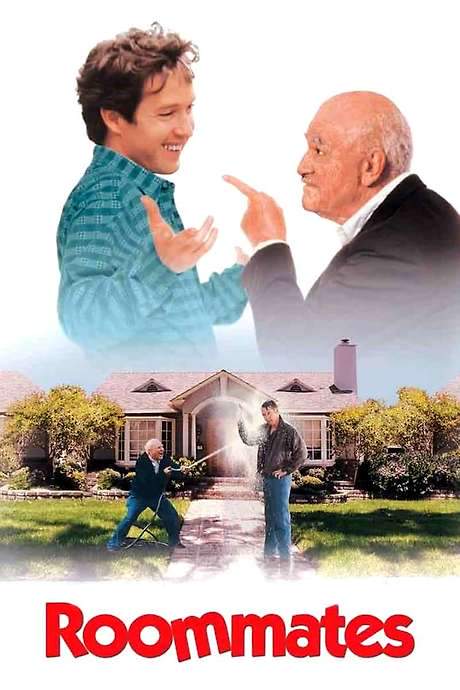
Roommates (1994) movie poster

Plot Summary

Roommates (1994) Plot Summary Explained

Release, runtime and language
1994 · 100 mins · English
JustWatch #10,737 20
Directed by
Alan Metzger
Starring
Randy Quaid, Charles Durning, Elizabeth Peña, Eric Stoltz, Frank Buxton, Jill Teed

The story of a macho straight and a well-educated gay man who have to share an apartment at a half-way house for aids-patients. Slowly they become friends.

On this page (6)
  1. 1 Where to watch
  2. 2 What happens: full plot
  3. 3 Plot questions answered
  4. 4 Movie threads
  5. 5 Movies like Roommates
  6. 6 Every angle

Where to watch

Where to Watch Roommates (1994)

Where can you watch Roommates? Stream, rent or buy it in the US, including on Amazon Prime Video, Hoopla and Amazon MX Player: current JustWatch availability with up-to-date prices.

Streaming availability powered by JustWatch

Full plot summary · contains spoilers

What Happens in Roommates: Full Plot Summary

The whole story of Roommates (1994) explained, from the opening scene to the final frame: every key event, every twist and what it all adds up to. Read it as a quick recap before the sequel, to check a scene you missed, or to finally understand what really happened.

In 1963 Pittsburgh, a cantankerous Polish-American baker named Rocky Holzcek stands firm on a deeply felt family creed: “Family takes care of family!” At 77 years old, Rocky shocks his relatives by deciding to adopt his young grandson Michael after the boy’s parents pass away, despite everyone warning that Rocky is far too old to take on such a responsibility. The two of them make a home in Rocky’s apartment, where the daily ritual of card games becomes a quiet anchor in their new life. Rocky’s habit of meticulously arranging his hand, one card at a time, often tests Michael’s patience and his own sense of tempo, but it also becomes a shared rhythm that bonds them through the early years.

Fast-forward about twenty years, and Michael has carved out a demanding career as a medical intern in Columbus. When illness or circumstance sweeps through Rocky’s life, fate conspires to pull him back into Michael’s orbit. Rocky, now more settled into his stubborn resilience than ever, is forced to leave his own apartment after an eviction, and he returns to live with Michael. In a college history class, Rocky sheds a stubborn chip on his shoulder by telling the truth as he sees it about the “S” in Harry S Truman’s name—claiming the letter stands for something, despite the professor’s insistence that it does not. This moment underscores Rocky’s stubborn insistence on personal memory over formal authority and his belief that history, like family, is something you defend with conviction.

Although the crusty elder continues to butt heads with Michael’s life, he does find common ground with Michael’s college roommates, who are Chinese. The shared card games persist, with Rocky’s careful timing of his hand still a source of quiet amusement and occasional irritation. The evolving household also includes Beth, Michael’s girlfriend at the time, who among others becomes part of their circle and life. Rocky’s initial skepticism about Beth softens over time as she becomes a steady, integral presence in the family. Eventually, Michael and Beth marry, and they relocate to Pittsburgh so that Michael can begin his medical residency while Rocky remains a constant, if sometimes stubborn, presence in their lives. Rocky continues working as a baker, a livelihood that keeps him connected to his past and to the everyday joys that stitching a family together requires.

An illness casts Rocky’s health into sharper relief, and he must move back to Pittsburgh to live with Michael and Beth—and he grows warmer toward Beth in the process. The household dynamic broadens to include the couple’s life and responsibilities, and Rocky remains a steady, if deliberate, mentor to his grandchildren. Cards remain a shared pleasure, and Beth, though many years younger than Rocky, is welcomed into the routine; she even holds her place in the game, taking her turn with a patient, practiced hand that draws occasional playful comparisons to Rocky himself.

Seven years pass, and Rocky is still a fixed, benevolent force in a home that has grown to include two children. Michael has built a significant medical career, and the family has settled into a rhythm that seems to honor Rocky’s old motto: family care endures through all upheavals. Then tragedy strikes when Beth is killed in an automobile accident, tearing a new hole in the family fabric. Rocky once again steps in to support his grandson in a moment of profound loss, and Beth’s mother arrives with a demand to take the children. Michael, initially swayed by the pressure, confronts the reality of his obligations. Rocky delivers a quiet but forceful reminder of their shared creed, declaring, “Family takes care of family.” Michael, inspired by Rocky’s unwavering stance, refuses to surrender the children to Beth’s mother, and the two of them decisively bring the kids into their home, ending the discussion with a firm, “End of discussion!”

The film closes in a hospital room where Rocky lies somewhat frail but mentally alert, and Michael, along with the grandchildren, gathers to celebrate what would become Rocky’s 107th birthday. The mood is a blend of tenderness and gravity as Michael reads the room and notices Rocky’s strength fading. He pretends not to see the dwindling energy, flipping through a newspaper and, in a bittersweet moment, stumbles upon a want ad for a Chinese bakery—an echo of Rocky’s college days and the friends who stood by him. Michael looks to Rocky and asks, almost as a final check, “You know anything about this?” Rocky offers a faint, comforting smile, then grows weaker. Michael recognizes the unspoken truth and, with quiet courage, tells him it’s okay to go. Rocky passes away peacefully, knowing his grandson is well, and that he has given all the care he possibly could.

Throughout the years, the film unfolds as a testament to intergenerational love and duty, centering on a man who believes deeply in the power of family to weather hardship. The story balances humor and heartbreak, showing how rituals—like card games that require patience, or the stubborn insistence on doing what’s right for the family—can sustain people when life becomes heavy with loss. It paints a portrait of resilience, loyalty, and the quiet, enduring conviction that the responsibilities we inherit from those who came before us can become the very foundations of a life well lived.
Last updated: October 09, 2025 at 11:05

Was this helpful?

Plot questions answered

Roommates Plot Explained: Your Questions Answered

The questions people ask most about Roommates (1994): what happens in the confusing scenes, why the characters do what they do, the twists, hidden details and what the ending means. Each answer contains spoilers.

Q1

Why does Rocky decide to adopt his grandson at 77 years old?

Rocky adopts Michael after the boy's parents die, despite warnings from relatives that he's too old for such a responsibility. He does this because of his deeply held family creed: "Family takes care of family." Rocky believes it's his duty to take in his grandson and raise him, regardless of his age.

  • rocky
  • michael
  • adoption
  • family creed
  • duty
Q2

Why does Rocky move in with Michael in Columbus?

Rocky is forced to leave his own apartment after an eviction. With nowhere else to go, Michael invites Rocky to move in with him in Columbus, where Michael is working as a medical intern. This marks the beginning of their cohabitation in Michael's adult life.

  • rocky
  • michael
  • columbus
  • eviction
  • moving in
Q3

Why does Rocky become friends with Michael's Chinese college roommates?

Rocky bonds with Michael's Chinese roommates through their shared love of card games. Despite his stubborn, crusty exterior, Rocky connects with them through humor and shared stories, bridging cultural gaps. The card games become a central ritual that brings the household together.

Foreshadowing: Early card games between Rocky and Michael laid the foundation for his ability to bond with others through this shared activity.

  • chinese roommates
  • card games
  • friendship
  • rock
Q4

Why does Rocky become more accepting of Beth over time?

Initially skeptical of Beth, Rocky's attitude softens as he sees her steady, integral presence in the family. Over years of living together in Pittsburgh, Beth becomes a trusted member of the household. When Rocky moves back in with Michael and Beth due to illness, he grows even warmer toward her.

  • beth
  • rocky
  • acceptance
  • daughter-in-law
  • family
Q5

Why does Rocky step up after Beth dies in the accident?

When Beth is killed in an automobile accident, Rocky steps in to support his grandson during profound loss. He reinforces the family motto "Family takes care of family" and helps Michael through grief while caring for the grandchildren.

  • beth death
  • rocky support
  • grief
  • grandchildren
Q6

Why does Rocky insist Michael fight for custody of the children?

When Beth's mother demands to take the grandchildren after Beth's death, Michael initially considers giving them up. Rocky delivers a quiet but forceful reminder of their family creed, declaring "Family takes care of family." He urges Michael to refuse and fight for the children's future, leading to their firm decision to keep the siblings together.

  • custody battle
  • beth mother
  • rocky
  • michael
  • family duty
Q7

What leads Michael to refuse giving up the children to Beth's mother?

Inspired by Rocky's unwavering stance and the family creed, Michael declares there is no option to surrender the children. He and Rocky stand firm together, with Michael saying "End of discussion!" to Beth's mother, who then backs off.

  • michael
  • children
  • beth mother
  • family creed
  • refusal
Q8

Why does Rocky smile when Michael shows him the Chinese bakery want ad?

In the hospital on his 107th birthday, Michael shows Rocky a newspaper ad for a Chinese bakery as a joke, a reference to Rocky's college days when he befriended Michael's Chinese roommates. Rocky offers a faint, comforting smile, recalling those shared moments of connection and friendship.

Foreshadowing: Rocky's earlier bonding with Michael's Chinese roommates during card games in Columbus becomes the emotional callback for this moment.

  • chinese bakery
  • birthday
  • memory
  • hospital
  • rock
Q9

How does Rocky pass away at the end of the movie?

Rocky dies peacefully in the hospital on his 107th birthday, surrounded by Michael and the grandchildren. After sharing a final moment with Michael, who tells him it's okay to go, Rocky passes away knowing his grandson is well and that he has fulfilled his family duty.

  • rocky death
  • hospital
  • 107th birthday
  • peaceful passin
Q10

Why do Rocky and Michael keep playing cards throughout their lives?

Card games become the daily ritual that anchors Rocky and Michael's relationship from the moment Rocky adopts him in 1963. Rocky's meticulous, slow way of arranging his hand tests Michael's patience, but the games also create a shared rhythm that bonds them. The card games continue over decades, with Michael's college roommates, with Beth, and eventually with the grandchildren, becoming a symbol of family connection and continuity.

  • card games
  • tradition
  • bond
  • rocky
  • michael
  • ritual
Q11

Why does Rocky argue with the college professor about the S in Harry S Truman?

In a Columbus college history class, Rocky asserts that the S in Harry S Truman's name stands for something, directly challenging the professor's insistence that it doesn't. This moment showcases Rocky's stubborn insistence on personal memory over formal authority, his belief that history, like family, is something you defend with conviction.

  • harry truman
  • history class
  • professor
  • rock
Q12

Why do Michael and Beth move to Pittsburgh after getting married?

Michael and Beth marry and relocate to Pittsburgh so Michael can begin his medical residency. This moves the family unit back to Rocky's hometown, where Rocky continues working as a baker. The relocation marks a full circle for Rocky, returning to his roots while the family grows.

  • michael
  • beth
  • pittsburgh
  • medical residency
  • move

Movie threads

More Movies Like Roommates, by Mood & Story

Curated lists built around what makes Roommates tick: the same mood, the same kind of story or the same emotional payoff. Each list explains why these movies belong together.

Movies about intergenerational bonds like Roommates

Quiet films about the evolving relationships between different generations. Discover movies like Roommates that explore the tender, complex dynamics between grandparents and grandchildren, or other intergenerational pairs. These films focus on family duty, shared history, and the quiet strength found in these special relationships.

  • heartwarming
  • melancholic
  • intergenerational
  • patient
  • nostalgic
  • resilient
  • Tone: bittersweet, heartwarming
  • Pacing: slow, character driven
Why these movies?

The story pattern: The narrative follows a long span of time, often decades, to show how a relationship matures and deepens. Conflicts arise from generational gaps or life changes, but the core is a steady, resilient bond built on shared rituals, caregiving, and an acceptance of life's natural cycles.

Why they belong together: These films are grouped by their central focus on an intergenerational connection as the primary relationship. They share a patient, character-driven pace and a tone that blends heartwarming moments with the inherent melancholy of time's passage.

Bittersweet found family dramas like Roommates

Stories where unlikely groups form deep bonds through shared hardship. If you liked the themes of found family and resilience in Roommates, explore these similar movies. They feature groups or pairs from different backgrounds forming deep, supportive bonds while navigating grief and life's challenges together.

  • resilient
  • bittersweet
  • comforting
  • found family
  • quiet
  • heartwarming
  • Tone: bittersweet, comforting
  • Pacing: slow, patient
Why these movies?

The story pattern: The plot often begins with characters in a state of loss or displacement. Forced by circumstance into a shared space or situation, initial friction gives way to a profound, supportive connection. The journey emphasizes emotional resilience and the creation of a new support system, leading to a poignant, bittersweet conclusion that acknowledges both loss and love.

Why they belong together: They are united by the central theme of 'found family' as a source of strength. They share a similar emotional mix—a medium emotional weight with a distinctly bittersweet tone—and a focus on quiet, character-driven drama over high-stakes plot.

If you liked this

Movies Like Roommates

Similar movies to Roommates: the same genre, themes or kind of story. Each one comes with its own plot summary, timeline and ending explained.
Browse all movie summaries

Every angle

Roommates (1994) Explained: Plot, Timeline & Characters

Everything about Roommates in one place: what happens in the plot summary, the timeline in chronological order, the characters and meaning and a spoiler-free summary. What's After the Movie adds the cast, box office and post-credit scenes.

Coming soon on iOS and Android

The Plot Explained Movie Summary App

Plot summaries, endings explained and timelines on your phone. Catch up on any movie in minutes, save your favorites and never miss a twist again.

Be the first to know when we launch. Your email stays private, always.

Learn more about the app