Plot Explained Spoilers guaranteed!
Plot Explained

Browse by genre

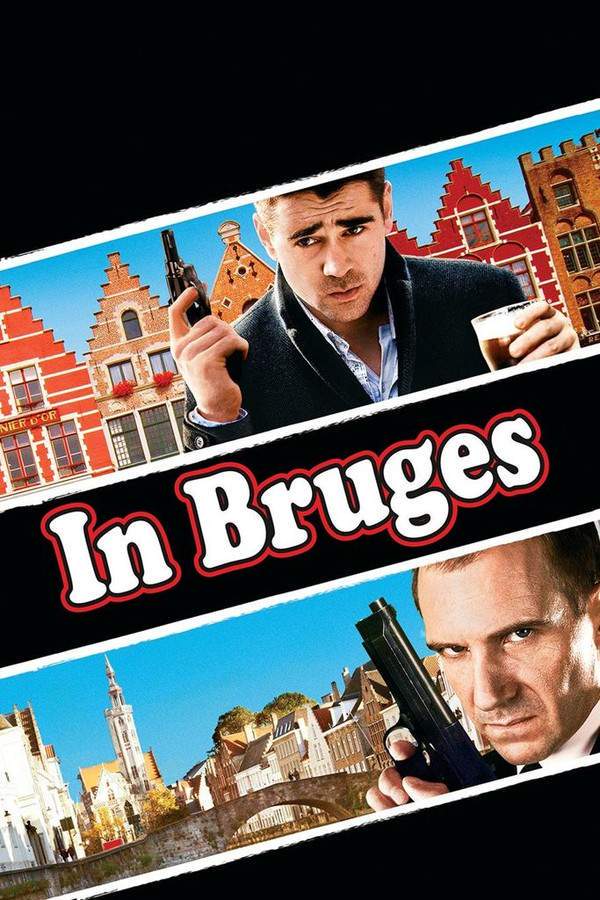
In Bruges (2008) movie poster

Plot Summary

In Bruges (2008) Plot Summary Explained

Release, runtime and language
2008 · 107 min · English
Directed by
Martin McDonagh
Starring
Colin Farrell, Brendan Gleeson

After a job gone wrong, two Irish hitmen are sent to hide out in the medieval city of Bruges. While Ken finds the city’s beauty surprisingly appealing, Ray is deeply unhappy and longs to leave. They await further orders, encountering quirky locals and grappling with their consciences amidst the historic setting. As Ray’s frustration grows, Ken attempts to appreciate the city’s charm and offers a counterpoint to his partner’s despair.

On this page (6)
  1. 1 Where to watch
  2. 2 What happens: full plot
  3. 3 Plot questions answered
  4. 4 Movie threads
  5. 5 Movies like In Bruges
  6. 6 Every angle

Where to watch

Where to Watch In Bruges (2008)

Where can you watch In Bruges? Stream, rent or buy it in the US, including on Amazon Video, Apple TV Store and Fandango At Home: current JustWatch availability with up-to-date prices.

Streaming availability powered by JustWatch

Full plot summary · contains spoilers

What Happens in In Bruges: Full Plot Summary

The whole story of In Bruges (2008) explained, from the opening scene to the final frame: every key event, every twist and what it all adds up to. Read it as a quick recap before the sequel, to check a scene you missed, or to finally understand what really happened.

The film is a darkly comedic exploration that kicks off in the enchanting medieval city of Bruges, Belgium, where two Irish hitmen, [Ray](colin-farrell) and [Ken](brendan-gleeson), find themselves unwittingly on a forced hiatus. While Ken is mesmerized by the picturesque surroundings, Ray harbors nothing but disdain for this seemingly wretched place. Their predicament stems from a troubling incident in London that has left them with orders to lie low in Bruges, awaiting further communication from their volatile boss, Harry (played by Ralph Fiennes). Ray's visible discontent culminates in a cynical inquiry about how long they will be marooned in Bruges, leading Ken to suggest a possible duration of two weeks—a notion that sends Ray into a spiral of frustration.

Adding to their misfortunes, the Christmas season leaves them with just one hotel room available, furnished with twin beds, triggering Ray's ire. An allusion to their dark past surfaces in their hotel room when Ken cautiously mentions the London incident, provoking an emotional retreat from Ray who finds solace in the bathroom, overwhelmed with distress.

As the days unfold, Ray's dissatisfaction becomes comedic; he sarcastically suggests they could be experiencing paradise in the Bahamas instead of this "bleeping" Bruges. Despite Ken's attempts to encourage him to explore the city's beauty, Ray's refusal to engage means he remains stuck in a cycle of angst. A significant moment occurs when Ray encounters a family of overly large Americans, berating them with a biting commentary about their size and their decision to climb the tower, leading to a chaotic yet humorous chase scene.

Their adventures take a turn when they stumble upon a film set, igniting Ray's joviality at the unusual sight of a dwarf, whom he mislabels in a moment of poor taste. This humor is punctuated by a flirtation with Chloe (Clemence Poesy), who captivates Ray, despite his initial cluelessness about her actual status. Meanwhile, Ken receives a scathing message from Harry, filled with profanities regarding their unavailability during his call, which adds a layer of tension to their situation.

As the film progresses through a series of absurd misadventures, Ray's impulsiveness leads to confrontations that jeopardize their safety. Their day-to-day interactions, filled with grim humor and dark revelations, highlight their contrasting personalities and the emerging father-son dynamic between Ken and Ray. The dramatic pulse of the narrative is underscored by Ray's haunted conscience regarding the innocent life lost during the London incident—a secret that weighs heavily on him, as evidenced by a harrowing confession in a confessional booth.

Amidst the backdrop of beautiful Bruges, their comedic escapades gradually spiral into darker territory. The once lighthearted adventure deepens as the two hitmen navigate their violent affiliations, friendships, and ultimately, the question of redemption. Ken's inner conflict regarding Harry's intention to eliminate Ray culminates in a desperate measure to both save Ray and confront Harry, leading to a tragic climax that reframes the concept of morality within a world shrouded in violence and guilt.

In the end, the film presents a haunting conclusion as Ray finds himself in a pivotal moment, confronted by his past actions while grappling with the fragility of life. Throughout this journey, Bruges transforms from a setting of forced leisure to a stage where personal reckoning and unresolved guilt converge in a darkly poetic finale, leaving Ray to ponder his fate among themes of heaven, hell, and purgatory, all while desperately wishing to avoid dying in the very city he despised.

Last updated: November 03, 2024 at 23:05

Was this helpful?

Plot questions answered

In Bruges Plot Explained: Your Questions Answered

The questions people ask most about In Bruges (2008): what happens in the confusing scenes, why the characters do what they do, the twists, hidden details and what the ending means. Each answer contains spoilers.

Q1

Why were Ray and Ken sent to Bruges?

They were sent to Bruges by their boss Harry after a job in London went terribly wrong. During the hit, they accidentally killed an innocent person, a child, which haunts Ray throughout the film. Harry told them to lie low and wait for further instructions while he dealt with the fallout.

Foreshadowing: Early in the film, Ken cautiously mentions the London incident in their hotel room, causing Ray to emotionally retreat, hinting at the weight of what happened.

  • ray
  • ken
  • harry
  • bruges
  • london job
  • hide out
Q2

What was the London incident?

The London incident refers to a botched hit where Ray and Ken accidentally killed a child. This is the source of Ray's intense guilt throughout the film. He confesses this in a church booth, revealing that he has been haunted by taking an innocent life and believes he deserves to die for it.

Foreshadowing: Ray's visible distress when Ken mentions the incident in their hotel room hints at something far worse than a failed job.

  • london
  • child
  • killed
  • innocent
  • guilt
  • confession
Q3

Why does Ray hate Bruges so much?

While Ray claims to despise Bruges, his hatred stems primarily from guilt over killing the innocent child in London. He explicitly states he feels like he's in purgatory, and his anger at the city is really a projection of his self-loathing and desire for punishment.

Foreshadowing: Ray's cynical remark about being in paradise in the Bahamas contrasts with his later admission that Bruges represents his personal purgatory.

  • ray
  • bruges
  • purgatory
  • guilt
  • self hatred
Q4

Why does Ken protect Ray?

Ken protects Ray because he sees him as a sort of surrogate son and has developed genuine affection for him despite their violent profession. When Ken learns Harry plans to kill Ray, he chooses to betray his boss and risk his own life to give Ray a chance at redemption rather than let him be executed.

Foreshadowing: The father-son dynamic between Ken and Ray is established early through their bickering and Ken's attempts to guide Ray.

  • ken
  • ray
  • protect
  • harry
  • betrayal
  • father son
Q5

What happens at the end?

In the tragic climax, Ken confronts Harry to protect Ray. During the confrontation, Ken shoots himself in the head rather than kill Harry or let Ray die. Harry then chases Ray through the city and is accidentally shot and killed by Ray when Harry falls onto a knife. Ray survives but is left devastated, calling the experience 'something real' as he finally confronts mortality.

Foreshadowing: Ken repeatedly asks Ray what the best and worst ways to die are, foreshadowing his suicide and the film's exploration of death.

  • ending
  • ken
  • harry
  • ray
  • death
  • tragic climax
Q6

Why does Ken kill himself?

Ken kills himself to break the cycle of violence and save Ray. Knowing Harry will kill Ray regardless, and unable to kill his longtime boss himself, Ken chooses to sacrifice his own life. He removes both Ray's and Harry's bullets, takes his own life, and tells Harry that Ray is 'not a bad guy', ensuring Ray lives while fulfilling what he sees as his own redemption.

Foreshadowing: Ken tells Ray earlier that some people go to heaven and some people go to hell, indicating his belief he deserves the latter.

  • ken
  • suicide
  • redemption
  • sacrifice
  • harry
  • ray
Q7

Why is Bruges called purgatory?

Ray explicitly compares Bruges to purgatory, believing he deserves to be there as punishment for killing the innocent child in London. The medieval city's ancient, static quality reinforces this, it's a place between heaven and hell where Ray must confront his guilt before facing his ultimate fate.

Foreshadowing: Ray's constant references to death and his statement that he's in Bruges because he's 'not very happy' hint at his view of the city as transitional punishment.

  • bruges
  • purgatory
  • guilt
  • punishment
  • ray
  • heaven
  • hell
Q8

Why is Harry so angry at Ray and Ken?

Harry is furious because Ray and Ken were unreachable when he tried to contact them during their time in Bruges. More fundamentally, he views the London incident as a massive failure, killing a child instead of the intended target made the job a disaster, and he sees their entire existence as a embarrassment to his operation. His rage builds throughout the film until he travels to Bruges to personally deal with them.

Foreshadowing: The angry voicemail Harry leaves early in the film establishes his volatile temperament and foreshadows his arrival.

  • harry
  • angry
  • voicemail
  • london
  • failure
  • boss
Q9

Who dies in the movie?

By the end of the film, both Ken and Harry are dead, while Ray survives. Ken commits suicide during his confrontation with Harry to protect Ray. Harry dies when he accidentally falls onto Ray's gun during their struggle, with Ray pulling the trigger without meaning to. Ray is left alive but profoundly changed by losing the two people closest to him.

Foreshadowing: The film's heavy focus on death, heaven, hell, and redemption from early on foreshadows the tragic body count.

  • death
  • ken
  • harry
  • ray
  • dies
  • ending
Q10

Does Ray survive?

Yes, Ray is the only main character to survive. After Ken kills himself and Harry is accidentally shot, Ray is left alive but emotionally devastated. He survives despite believing he deserved to die for killing the child, and the film ends with him walking away from Bruges having been given what he sees as a chance at redemption he didn't feel he deserved.

Foreshadowing: Ray's repeated statements that he wants to leave Bruges but keeps getting stuck foreshadow that his survival comes with remaining consequences.

  • ray
  • survives
  • lives
  • ending
  • redemption
Q11

Why does Ray flap his arms at the tower?

Ray's absurd behavior at the Belfry tower, flapping his arms and shouting at the American tourists, is a manifestation of his restless, self-destructive energy. Unable to process his guilt, he acts out chaotically, creating conflict for its own sake. The scene also establishes his bitter, unfiltered contempt for the tourists, which sets up his later violent outbursts.

Foreshadowing: This moment showcases Ray's pattern of channeling internal turmoil into external aggression.

  • ray
  • tower
  • Belfry
  • americans
  • behavior
  • chaos

Movie threads

More Movies Like In Bruges, by Mood & Story

Curated lists built around what makes In Bruges tick: the same mood, the same kind of story or the same emotional payoff. Each list explains why these movies belong together.

Criminal Purgatory Stories Like In Bruges

Dangerous characters trapped in picturesque settings, mixing gallows humor with fatalistic dread. Explore movies like In Bruges where hitmen and outlaws find themselves in an unexpected hiding place. These crime dramas and thrillers share a unique blend of dark comedy, fatalistic tension, and beautiful settings that feel like a purgatory for troubled souls. If you enjoyed the clashing tones of In Bruges, you'll find similar films here.

  • darkly comedic
  • fatalistic
  • tense
  • morally conflicted
  • absurdist
  • melancholic
  • Tone: dark, tense, comedic
  • Pacing: steady, deliberate
Why these movies?

The story pattern: The narrative typically follows characters waiting for orders or a final judgment, using the downtime to reflect on their actions. The central conflict is often internal—a crisis of conscience—while external threats slowly close in. The juxtaposition of mundane tourism or local charm with the protagonists' dangerous reality creates a unique, absurdist tension that builds to an inevitable, often violent, confrontation.

Why they belong together: These films are grouped by their unique tonal cocktail: the blend of serious crime drama with absurdist, dark humor, all set against a backdrop that is both beautiful and confining. They share a focus on character morality, the waiting game of criminal life, and an atmosphere that is simultaneously tense, melancholic, and strangely humorous.

Moral Crisis Thrillers Like In Bruges

Killers and operatives facing the traumatic consequences of a single, terrible mistake. Find movies similar to In Bruges that delve into the psychology of professionals facing a grave moral error. These character-driven thrillers and dramas explore heavy themes of guilt, redemption, and the weight of taking an innocent life. If you were moved by Ray's despair in In Bruges, this thread gathers films with comparable emotional journeys.

  • morally conflicted
  • guilt-ridden
  • somber
  • heavy
  • redemptive
  • traumatic
  • Tone: somber, dark, heavy
  • Pacing: steady, character-driven
Why these movies?

The story pattern: The journey begins with a catastrophic failure that violates the character's personal code or sense of detachment. This triggers a deep depression or existential crisis, forcing them to question their entire life's work. The narrative follows their attempt to cope, which may involve seeking redemption, accepting punishment, or rebelling against the system that created them, leading to a climactic choice that defines their moral standing.

Why they belong together: This thread unites films by their profound focus on the psychological fallout of violence, specifically the guilt from harming innocents. They feature heavy emotional weight, complex character arcs centered on redemption, and a tone that balances intense drama with the bleak reality of their professions. The pacing is often steady, allowing for deep character exploration.

If you liked this

Movies Like In Bruges

Similar movies to In Bruges: the same genre, themes or kind of story. Each one comes with its own plot summary, timeline and ending explained.

Browse all movie summaries

Every angle

In Bruges (2008) Explained: Plot, Timeline & Characters

Everything about In Bruges in one place: what happens in the plot summary, the timeline in chronological order, the characters and meaning and a spoiler-free summary. What's After the Movie adds the cast, box office and post-credit scenes.

Coming soon on iOS and Android

The Plot Explained Movie Summary App

Plot summaries, endings explained and timelines on your phone. Catch up on any movie in minutes, save your favorites and never miss a twist again.

Be the first to know when we launch. Your email stays private, always.

Learn more about the app