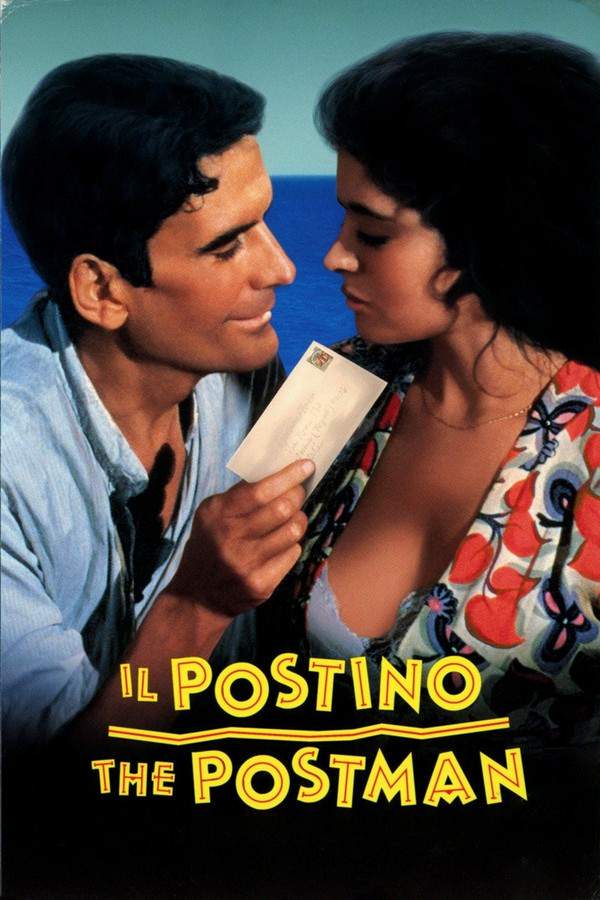
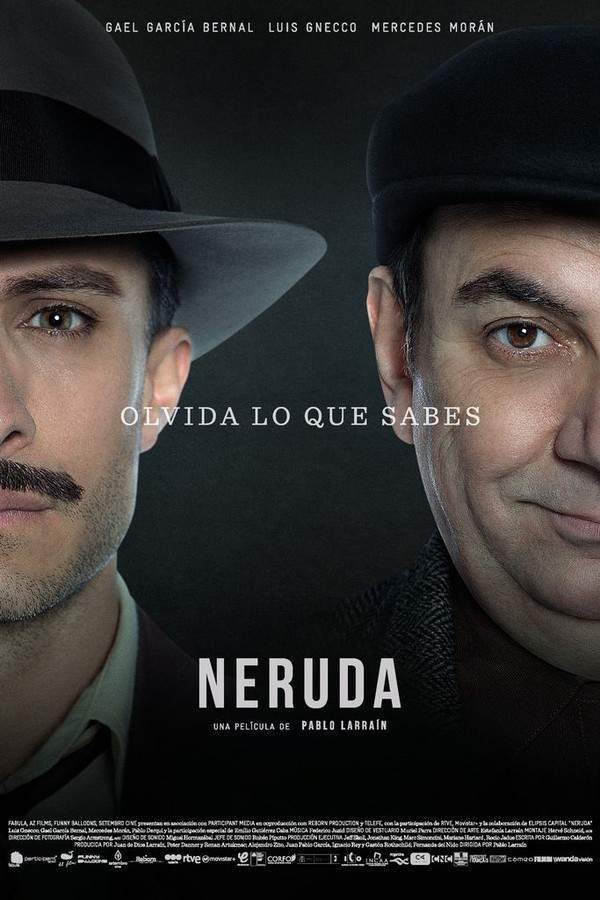
In 1950, the renowned Chilean poet Pablo Neruda finds himself exiled to a quaint island off the coast of Italy for political reasons, accompanied by his devoted wife. On this remote island, a local man named Mario Ruoppolo, feeling discontent with his life as a fisherman, seeks a new path. He manages to secure a temporary position as a postman, with Neruda as his sole recipient. Using his bicycle, Mario dutifully delivers the poet's mail, navigating an island devoid of any motor vehicles.
Although not formally educated, Mario strikes up a friendship with Neruda, gradually absorbing the poet's ideals and verses. Simultaneously, his heart becomes entwined with that of the enchanting Beatrice Russo, who serves at her aunt's village café. Shy and uncertain around her, Mario turns to Neruda for assistance, frequently consulting the poet on the suitability of metaphors for his own poems. Through Neruda's guidance, he learns to articulate his feelings for Beatrice more eloquently, utilizing poetry to woo her. Despite her aunt's stern disapproval of Mario due to the sensual nature of his verses—which are primarily borrowed from Neruda's work—Beatrice finds herself captivated.
Eventually, Mario and Beatrice wed; however, their bliss is slightly marred by the priest's initial refusal to permit Neruda to stand as best man due to political concerns. This issue is swiftly resolved, given the political climate dominated by Di Cosimo and the Christian Democrats. During the wedding, Neruda is pleasantly informed that the Chilean authorities have lifted the warrant for his arrest, allowing him to return to his homeland.
In the months that follow, Mario sends a letter to Neruda, but alas, he receives no reply. Some time later, he does get a response, but it sadly turns out to be from Neruda's secretary, requesting the return of Neruda's belongings to Chile. While in his homeland, Mario discovers an old phonograph and reminisces as he listens to the tune that greeted him upon first meeting Neruda. Inspired, he captures the beautiful sounds of the island, even preserving the heartbeat of his unborn child on a cassette.
Five years later, Neruda encounters Beatrice and her son, Pablito—named in Neruda's honor—at the same inn where he had once met Mario. Through Beatrice, he learns the tragic news of Mario's death prior to their son's arrival into the world. Just before his demise, Mario was meant to share a poem at a significant communist rally in Naples, which ended in chaos due to police intervention. Beatrice entrusts Neruda with the precious recordings of life's sounds that Mario had lovingly compiled. The film closes with Neruda wandering along the beach where he cherished moments with Mario, intertwined with the haunting memory of the violent demonstration that took Mario's life.