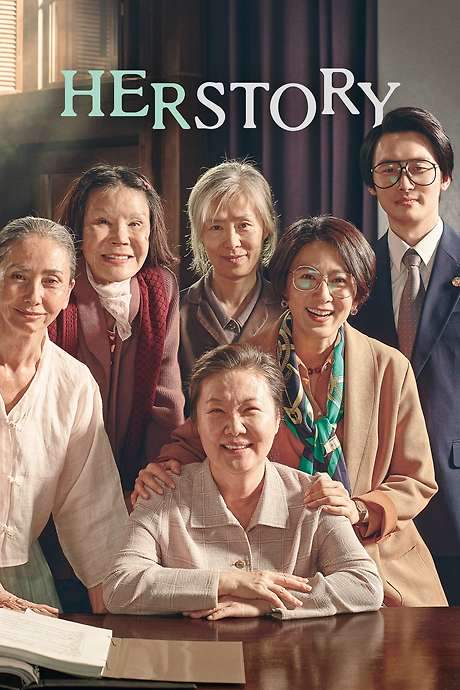
Nah Ok-Bun, Na Moon-hee, is an elderly woman known around her district as the “Goblin Granny” for her relentless citizen-complaint habits and outspoken persistence. When she crosses paths with Park Min-jae, Lee Je-hoon, a newly appointed junior civil service officer, she immediately bristles at his calm, by-the-book attitude that seems to brush off her decades of grievances. The clash between an impatient veteran of public service and a stubborn elder who fights for every voice sets the stage for a quiet but deep clash of worlds.
Yet the story takes a surprising turn when Ok-Bun hints at a different motive behind her tenacity: she longs to learn English. She hopes the skill will open doors—for herself and for a larger cause she holds dear. The local resident center’s senior class proves unsuitable, and the English academy’s pace proves too rapid, leaving Ok-Bun frustrated and briefly kicked out. It’s in this moment of doubt that she notices Min-jae speaking fluent English with a native speaker at the academy, a sight that rekindles a chance for connection.
Against his initial instinct to avoid taking on a difficult student, Min-jae is softened by a look at Ok-Bun’s daily life—her steadfast care for her younger brother, Young-jae. That warmth pierces his resolve, and he agrees to become her English teacher. What begins as a reluctant arrangement gradually blossoms into meaningful progress: Ok-Bun’s English improves, and with it, her confidence blooms.
As the lessons unfold, Min-jae learns that Ok-Bun’s goal goes beyond mere communication. She hopes to honor a lost friend’s dream: Jeong-Shim’s wish to testify at the public hearing in Washington, D.C., about the comfort women who suffered under wartime oppression. Ok-Bun has prepared her words, but the enormity of speaking in a foreign place—coupled with the weight of history—threatens to overwhelm her.
In the moments when doubt grows loud and the unfamiliar surroundings press in, Min-jae’s quiet presence in the audience becomes a source of courage for Ok-Bun. Her voice finally finds its ground, allowing her to testify to the atrocities committed by the Japanese military with a dignity that reflects the resilience she has shown in learning a new language and in standing up for a remembered past. The film traces not just a linguistic journey, but the way compassion and persistence can bridge generations, heal old wounds, and give a voice to those who endured unspeakable hardship.