
















Plot Explained Spoilers guaranteed!
Plot Explained

Browse by genre

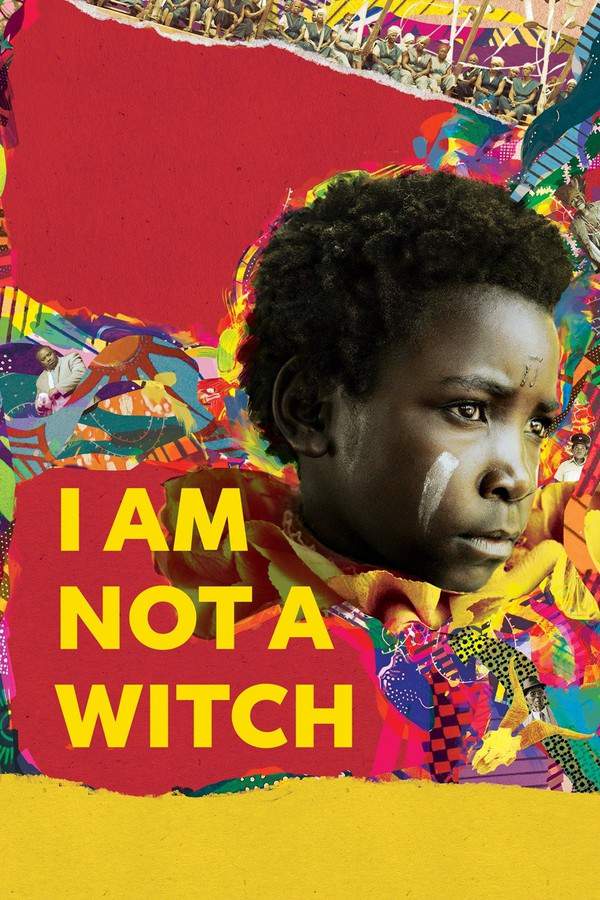
I Am Not a Witch (2018) movie poster

Timeline

I Am Not a Witch (2018) Timeline Explained – Every Event in Order

Release, runtime and language
2018 · 93 min · English
Echo score 80
JustWatch #23,111 1
Directed by
Rungano Nyoni
Starring
Benfors 'Wee Do, Boniventure, Boyd Banda, Brisky, Chileshe Kalimamukwento, Dyna Mufuni

Following a petty accusation, eight-year-old Shula finds her life irrevocably changed and is banished to a barren desert camp for suspected witchcraft. There, she joins other young girls similarly accused and must adjust to the camp’s strange and unsettling customs. A mysterious ribbon binds her to this existence, and she faces potential torment if she defies the camp’s rigid rules while attempting to understand the accusations against her.

On this page (7)
  1. 1 Where to watch
  2. 2 Events in order (13)
  3. 3 Timeline questions answered
  4. 4 Movie threads
  5. 5 Movies like I Am Not a Witch
  6. 6 Categories
  7. 7 Every angle

Where to watch

Where to Watch I Am Not a Witch (2018)

Where can you watch I Am Not a Witch? Stream, rent or buy it in the US, including on MUBI, Fawesome and Hoopla: current JustWatch availability with up-to-date prices.

Streaming availability powered by JustWatch

13 events in order · contains spoilers

I Am Not a Witch Timeline: Events in Chronological Order

Every key event of I Am Not a Witch (2018) in order, scene by scene, with when and where it takes place. Use it to untangle flashbacks, time jumps and parallel storylines, to refresh your memory before the sequel or to find the exact scene you are thinking of.

  1. Arrival of Shula

    A serious little girl named Shula arrives in a village where her presence immediately stirs rumors about her possessing witch-like abilities. The villagers are intrigued and fearful, leading to assumptions about her powers without any confirmation from Shula.

    Where
    Village
  2. Consultation of the Witch Doctor

    In response to the growing speculation about Shula's potential powers, local authorities decide to consult a witch doctor. They offer a sacrificial chicken to gauge Shula's true nature and to determine if she is indeed a witch.

    Where
    Village
  3. Confinement with Elderly Women

    Assuming she possesses witch powers, authorities confine Shula alongside a group of elderly women who are tied to large spools of white ribbon. This confinement symbolizes the societal fear and oppression faced by those suspected of witchcraft.

    Where
    Village
  4. Trial for Theft

    Shula is summoned to participate in a trial regarding an elderly man’s claim of theft. Although unsure of the thief's identity, she consults the other witches for guidance, leading to conflicting advice and increasing tension during the trial.

    Where
    Village Court
  5. Identifying the Culprit

    In an unexpected turn of events, Shula successfully identifies the true culprit of the theft. This achievement earns her some respect from the villagers, highlighting her potential despite the pressures around her.

    Where
    Village Court
  6. Exploitation by Officials

    A senior government official and his wife exploit Shula’s situation, manipulating her into performing various tasks, including conjuring rain. This showcases the exploitation of vulnerable individuals for personal gain in the face of superstition.

    Where
    Village
  7. Enrollment in School

    After appearing on a chat show where her education is questioned, Shula is enrolled in a school for children like her who have faced rejection from typical educational settings. This moment offers Shula a glimpse of normalcy and hope amidst her struggles.

    Where
    School
  8. Forced Removal from School

    Shula's brief respite ends when a witch doctor and a farmer forcibly take her from school, demanding that she perform a rain dance. Exhausted from the demands placed upon her, Shula feels her identity slipping away as she is forced into this role.

    Where
    School
  9. Desire to Escape

    Overwhelmed by her situation, Shula confesses to her fellow witches that she longs to be a goat instead of enduring the torments of her reality. That night, she stealthily gathers her ribbons, preparing for a desperate escape from her confining life.

    When
    Night
    Where
    Village
  10. Grim Discovery

    The following morning, villagers discover two men discarding a body in a field, sparking fear and mourning among the witches. They lament for Shula, although it remains uncertain whether the body truly belongs to her.

    When
    Morning
    Where
    Field
  11. Mourning and Rain

    As the witches mourn for Shula, an unexpected downpour begins, symbolizing a possible connection to their grief or the cleansing of their pain. The rhythm of the rain suggests a turning point amidst the tragedy they face.

    Where
    Village
  12. Freedom of the Ribbons

    With the truck that normally transports the women now empty, the ribbons that once bound them symbolize their newfound freedom. The ribbons flutter freely in the wind, a stark contrast to their previous confinement.

    Where
    Village
  13. Echoes of the Goat

    In the distance, the sound of a goat bleating is heard, leaving an ambiguous symbolism in the air. This echoes Shula's earlier wish to become a goat, intertwining her fate with the mystical elements surrounding the village.

    Where
    Village

Last updated: November 16, 2024 at 14:21

Was this helpful?

Timeline questions answered

I Am Not a Witch Timeline Explained: Your Questions Answered

When does it happen, and why in that order? The questions people ask about the chronology of I Am Not a Witch (2018): time jumps, flashbacks, cause and effect between scenes and the correct order of events, each answered with spoilers.

Q1

Why is Shula accused of witchcraft?

Shula is accused simply because she is a serious little girl who arrives in a village, and the villagers immediately assume she possesses witch-like abilities. When she refuses to either confirm or deny having powers, the authorities interpret her silence as confirmation and decide to consult a witch doctor to determine her fate.

Foreshadowing: The village's quickness to label her as a witch establishes the superstitious and fearful atmosphere that will drive much of the film's conflict.

  • shula
  • witchcraft accusation
  • village
  • witch doctor
Q2

What do the white ribbons tied to the witches represent?

The white ribbons physically bind the accused women to their existence in the camp, symbolizing their loss of freedom and autonomy. The ribbons are attached to large spools that they must carry, representing how the community's superstition chains them to their label as witches. At the end, when the ribbons are left free to flutter in the wind, this symbolizes their liberation from this oppressive confinement.

Foreshadowing: Shula is tied to the ribbons from the moment she arrives, establishing early that escape will require breaking free from this binding.

  • white ribbons
  • symbolism
  • bondage
  • freedom
  • camp
Q3

Why is Shula forced to conjure rain?

A senior government official and his wife exploit Shula's situation, manipulating her into performing various tasks including conjuring rain. This reflects how vulnerable individuals accused of witchcraft are used by those in power for personal gain, forcing them to perform supernatural acts based on superstition rather than any actual ability.

Foreshadowing: The officials' exploitation of Shula begins early when they coerce her into tasks, establishing the pattern of manipulation that continues throughout the film.

  • rain
  • exploitation
  • government official
  • coercion
Q4

What happens to Shula at the end of the movie?

The ending is deliberately ambiguous. Two men are seen discarding a body in a field, and the witches mourn for Shula, but it remains unclear whether the body actually belongs to her. The ribbons that bound the women are left free to flutter in the wind, and a goat bleats in the distance, echoing her earlier wish to become a goat. This imagery suggests she may have escaped, though her fate remains unresolved.

Foreshadowing: Shula's nighttime preparation to gather her ribbons and escape foreshadows the possibility of her breaking free from the camp.

  • ending
  • fate
  • escape
  • ambiguous ending
  • body
  • ribbons
Q5

Why does Shula say she wants to become a goat?

After being forcibly removed from school and forced to perform a rain dance for the witch doctor and farmer, Shula is exhausted from the endless demands placed upon her. Overwhelmed by her ordeal and the loss of her brief respite at school, she confesses to the other witches that she wishes she had become a goat instead, expressing her desire to escape the torments of her human existence.

Foreshadowing: This wish foreshadows the ambiguous ending where the sound of a goat bleating is heard, potentially symbolizing her transformation or escape.

  • goat
  • escape wish
  • despair
  • school
Q6

Who takes Shula from school and why?

Shula is forcibly removed from school by a witch doctor and a farmer who demand that she perform a rain dance. Despite briefly finding hope and normalcy through education after being enrolled following a chat show appearance, Shula is pulled back into the exploitative cycle of being used for her supposed witchcraft abilities.

Foreshadowing: Her enrollment in school represents a temporary escape from her chains, making the forced removal even more impactful.

  • school
  • witch doctor
  • farmer
  • rain dance
  • forced removal
Q7

How does Shula manage to identify the thief during the trial?

Shula is summoned to a trial involving an elderly man's claim of theft. Though she is initially uncertain about the thief's identity, she consults the other witches for guidance. Their conflicting advice creates tension, but in an unexpected turn, Shula successfully identifies the true culprit, earning her some respect from the villagers despite the circumstances.

Foreshadowing: This moment shows Shula's ability to navigate the oppressive system around her, hinting at her resourcefulness despite her young age.

  • trial
  • thief
  • identification
  • court
  • witches
Q8

Why does it start raining at the end of the film?

An unexpected downpour occurs as the witches mourn for Shula following the discovery of the body. The rain arrives during their grief, and combined with the freed ribbons fluttering in the wind and the distant bleating of a goat, it creates a powerful symbolic moment representing cleansing, renewal, and possible transformation after tragedy.

Foreshadowing: The rain contrasts with the earlier forced rain dances, appearing here as a natural rather than coerced phenomenon.

  • rain
  • ending
  • symbolism
  • mourning
  • transformation
Q9

What happens to the other witches after Shula disappears?

With Shula gone, the truck that normally transports the women is now empty, and the ribbons that once bound them are left loose. The witches are no longer confined to the camp, suggesting they have been freed from their forced labor and the oppressive system that held them. Their collective mourning transforms into a form of liberation.

Foreshadowing: This freedom is juxtaposed with the ambiguity of whether Shula herself escaped or perished.

  • witches
  • freedom
  • truck
  • ribbons
  • liberation
Q10

Why does the senior government official exploit Shula?

The senior government official and his wife take advantage of Shula's vulnerable position as an accused witch to coerce her into performing various tasks, including conjuring rain. This demonstrates how those in positions of power manipulate vulnerable individuals, particularly women and children labeled as witches, for personal gain while using superstition as a pretext.

Foreshadowing: This exploitation sets up Shula's trajectory throughout the film, showing how the label of witchcraft makes her a target for manipulation.

  • government official
  • exploitation
  • coercion
  • power abuse

Movie threads

More Movies Like I Am Not a Witch, by Mood & Story

Curated lists built around what makes I Am Not a Witch tick: the same mood, the same kind of story or the same emotional payoff. Each list explains why these movies belong together.

Movies with slow-burn systemic dread like I Am Not a Witch

Stories where quiet pressure from a corrupt system creates suffocating tension. If you liked the oppressive atmosphere of I Am Not a Witch, this thread gathers movies that explore similar themes of systemic injustice and psychological manipulation. These films use a slow pace to build a heavy, melancholic mood, focusing on characters trapped within corrupt or superstitious systems.

  • oppressive
  • unsettling
  • melancholic
  • powerless
  • somber
  • claustrophobic
  • Tone: bleak, oppressive, unsettling
  • Pacing: slow burn
Why these movies?

The story pattern: Narratives in this thread follow characters who are trapped within an unjust system, often one that is accepted as normal by those around them. The plot unfolds slowly, focusing on the psychological toll of compliance and the faint, often ambiguous, possibility of resistance or escape.

Why they belong together: These movies are grouped by their shared focus on atmospheric, systemic horror. They prioritize a bleak tone and a slow, deliberate pace to convey the weight of oppression, creating a deeply unsettling and emotionally heavy viewing experience centered on powerlessness.

Movies about lost innocence like I Am Not a Witch

Heartbreaking journeys of children forced to confront a cruel adult world. Fans of I Am Not a Witch's portrayal of a child's exploitation will find similar powerful stories here. This thread collects films that focus on the emotional journey of a young protagonist whose innocence is shattered by a harsh and unjust world, often with ambiguous or bleak outcomes.

  • somber
  • heartbreaking
  • desolate
  • powerless
  • gritty
  • tragic
  • Tone: somber, bleak, heavy
  • Pacing: steady, character-driven
Why these movies?

The story pattern: The narrative pattern follows a child protagonist whose normal world is shattered by an external force—be it war, poverty, superstition, or adult cruelty. The story charts their emotional descent as they are forced to navigate a reality they are unprepared for, with their vulnerability being central to the plot's emotional impact.

Why they belong together: These films are united by their profound emotional focus on a child's perspective during a crisis. They share a heavy emotional weight, a somber or bleak tone, and often an ambiguous ending, leaving the viewer to contemplate the lasting scars of such an experience.

If you liked this

Movies Like I Am Not a Witch

Similar movies to I Am Not a Witch: the same genre, themes or kind of story. Each one comes with its own plot summary, timeline and ending explained.

Browse all movie summaries

Categories

Movie Lists Featuring I Am Not a Witch

I Am Not a Witch appears in these hand-built movie categories. Each one groups movies by a specific mood, theme or story type, with their plot summaries and endings explained.

View all movie categories

Every angle

I Am Not a Witch (2018) Explained: Plot, Timeline & Characters

Everything about I Am Not a Witch in one place: what happens in the plot summary, the timeline in chronological order, the characters and meaning and a spoiler-free summary. What's After the Movie adds the cast, box office and post-credit scenes.

Coming soon on iOS and Android

The Plot Explained Movie Summary App

Plot summaries, endings explained and timelines on your phone. Catch up on any movie in minutes, save your favorites and never miss a twist again.

Be the first to know when we launch. Your email stays private, always.

Learn more about the app