
















Plot Explained Spoilers guaranteed!
Plot Explained

Browse by genre

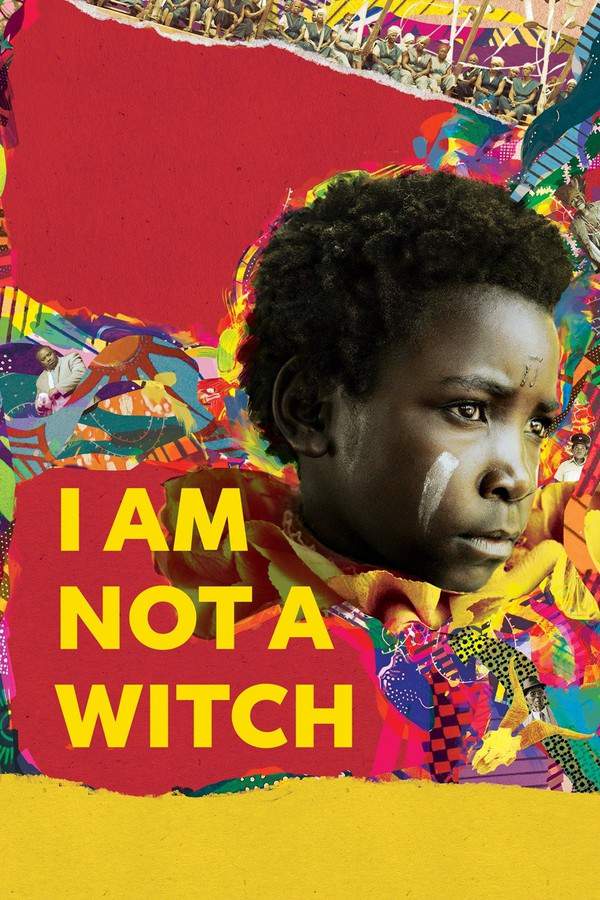
I Am Not a Witch (2018) movie poster

Characters & Themes

I Am Not a Witch (2018) Characters, Setting & Themes Explained

Release, runtime and language
2018 · 93 min · English
Echo score 80
JustWatch #23,440 6
Directed by
Rungano Nyoni
Starring
Benfors 'Wee Do, Boniventure, Boyd Banda, Brisky, Chileshe Kalimamukwento, Dyna Mufuni

Following a petty accusation, eight-year-old Shula finds her life irrevocably changed and is banished to a barren desert camp for suspected witchcraft. There, she joins other young girls similarly accused and must adjust to the camp’s strange and unsettling customs. A mysterious ribbon binds her to this existence, and she faces potential torment if she defies the camp’s rigid rules while attempting to understand the accusations against her.

On this page (9)
  1. 1 Where to watch
  2. 2 Characters explained (3)
  3. 3 Where & when it takes place
  4. 4 Themes & meaning (3)
  5. 5 Character & meaning questions
  6. 6 Movie threads
  7. 7 Movies like I Am Not a Witch
  8. 8 Categories
  9. 9 Every angle

Where to watch

Where to Watch I Am Not a Witch (2018)

Where can you watch I Am Not a Witch? Stream, rent or buy it in the US, including on MUBI, Fawesome and Hoopla: current JustWatch availability with up-to-date prices.

Streaming availability powered by JustWatch

3 main characters · contains spoilers

I Am Not a Witch Characters Explained: Who Is Who

The main characters of I Am Not a Witch (2018), heroes and villains: what drives them, how they change over the course of the story and what each of them reveals about the film's bigger ideas.

  • Shula

    played by Maggie Mulubwa

    Shula is a serious young girl whose life dramatically changes when she is accused of witchcraft. Initially unsure of her supposed powers, she navigates the complexities of being a scapegoat in a superstitious community. Despite the oppressive circumstances, her resilience and cleverness lead her to earn respect, showcasing her inner strength.

    • 👧 Young
    • 🧙‍♀️ Witch
    • 💪 Resilient
  • Senor Government Official

    played by Henry B.J. Phiri

    The senior government official represents the exploitation of power in the village, using Shula's situation for personal gain. His coercive tactics highlight the corrupt nature of authority and its impact on vulnerable individuals. He embodies the intersection of politics and superstition that governs the lives of the villagers.

    • 🏛️ Authority
    • 💼 Corruption
  • Witch Doctor

    played by Dyna Mufuni

    The witch doctor is a pivotal figure in the film, fueling the superstitions that lead to Shula's entrapment. He symbolizes the intertwining of tradition and power, playing a key role in reinforcing societal fears. His character reflects the complexities of belief systems that both empower and oppress.

    • 🔮 Tradition
    • 👁️ Power

Last updated: October 22, 2024 at 21:34

Was this helpful?

Setting

Where and When Does I Am Not a Witch Take Place?

The setting of I Am Not a Witch (2018): the year and time period, the places and locations, and how they shape the characters, the mood and the tension of the story.

Time period

The movie is set in a contemporary time period, highlighting the conflict between traditional beliefs and modern perspectives on education and rights. During this era, the concept of witchcraft remains a point of contention in certain societies, reflecting ongoing struggles related to gender, power, and societal norms.

Location

Village

The village serves as the main setting for the events of the movie, marked by its deep-rooted beliefs in witchcraft and superstition. It is a place where traditional customs collide with modernity, influencing the lives of its inhabitants. The community's attitudes towards witches and the supernatural shape the narrative surrounding the protagonist, Shula.

  • 🏡 Village
  • 🧙‍♀️ Witchcraft

Last updated: October 22, 2024 at 21:34

Was this helpful?

3 major themes

I Am Not a Witch Meaning: Themes & Message Explained

What is I Am Not a Witch (2018) really about? The emotional, social and philosophical themes the film keeps returning to, its symbolism and the message beneath the surface.

  • Oppression

    The theme of oppression is central to Shula's journey as she faces confinement and exploitation by authority figures. The village's perception of witchcraft symbolizes societal fears, leading to the marginalization of individuals like her. Throughout the film, Shula's struggle serves as a poignant reflection on the broader themes of power and control.

  • Education

    Shula's brief enrollment in school introduces the theme of education as a means of empowerment. The stark contrast between her academic aspirations and the limitations imposed by her circumstances highlights the importance of education in breaking cycles of oppression. The film subtly critiques the barriers faced by those deemed 'different' in society.

  • Nature and Control

    The manipulation of natural elements, such as rain, represents the power dynamics at play in the story. Shula's coerced performances, including the rain dance, illustrate humanity's attempt to exert control over nature. This theme intertwines with the villagers' belief in magic, suggesting a deeper commentary on the relationship between belief and reality.

Last updated: October 22, 2024 at 21:34

Was this helpful?

Character & theme questions

I Am Not a Witch Characters & Meaning: Your Questions Answered

The questions people ask about I Am Not a Witch (2018): who the characters really are, their relationships, what the symbols mean, where it takes place and what the movie is really about. Each answer contains spoilers.

Q1

Where is the movie set and what are the key characteristics of the location?

The movie takes place in a rural village where deep-rooted beliefs in witchcraft and superstition dominate daily life. This traditional community operates under customs that blend with modern influences, creating a tension between old-world fears and contemporary perspectives. The village serves as both a physical location and a symbol of the social constraints that shape the narrative.

  • village setting
  • witchcraft
  • superstition
  • traditional community
Q2

What time period does the film take place in?

The film is set in a contemporary time period, highlighting the ongoing conflict between traditional beliefs and modern views on education, rights, and governance. Despite being set in modern times, the concept of witchcraft remains a serious point of contention, reflecting deeper societal struggles related to gender, power, and marginalized groups.

  • contemporary
  • modern era
  • tradition
  • modernity
  • time period
Q3

What are the main themes explored in the film?

The film explores three primary themes: Oppression, Education, and Nature and Control. Oppression centers on Shula's captivity and exploitation by authority figures. Education is presented as a potential means of empowerment, with Shula's brief school enrollment contrasting sharply with her circumstances. Nature and Control examines how natural elements like rain are manipulated, reflecting power dynamics between the villagers and those they consider magical.

  • themes
  • oppression
  • education
  • nature
  • control
  • symbolism
Q4

What does the theme of oppression represent in the story?

The theme of oppression represents how vulnerable individuals, particularly children and women, are marginalized and exploited by those in power. Shula's false accusation of witchcraft becomes a tool for control, trapping her in a system that uses superstition to justify confinement and forced performances. The village's perception of witchcraft symbolizes broader societal fears that perpetuate cycles of oppression.

  • oppression
  • marginalization
  • exploitation
  • power
  • control
  • witchcraft
Q5

How is education portrayed as a theme in the movie?

Education is portrayed as a symbol of empowerment and escape from oppressive circumstances. Shula's brief enrollment in school represents hope and the possibility of a different life. The film critiques the barriers faced by those deemed 'different' in society, showing how educational opportunities are denied to marginalized individuals. This theme highlights the importance of knowledge and learning as tools for breaking cycles of oppression.

  • education
  • school
  • empowerment
  • learning
  • opportunity
  • barriers
Q6

What does the rain dance symbolize in the film?

The rain dance symbolizes the manipulation of natural elements by those in power. Shula is coerced into performing the dance, illustrating how vulnerable individuals are used to exert control over nature and reinforce community beliefs in magic. This theme explores the relationship between belief and reality, showing how superstition serves political purposes.

  • rain dance
  • nature
  • control
  • superstition
  • manipulation
  • belief
Q7

Who is Shula and what is her role in the story?

Shula is an eight-year-old girl whose life changes dramatically when she is falsely accused of witchcraft. Initially uncertain of her supposed powers, she becomes a scapegoat for the superstitious community. Despite her oppressive circumstances, she demonstrates resilience and cleverness, eventually earning respect from others in the camp. Her character represents childhood vulnerability and inner strength in the face of systemic injustice.

  • Shula
  • protagonist
  • witchcraft accusation
  • resilience
  • strength
Q8

Who is the Senior Government Official and what role does he play?

The Senior Government Official, played by Henry B.J. Phiri, represents the exploitation of power in the village. He uses Shula's situation for personal gain, employing coercive tactics to maintain control over both Shula and the villagers. His character embodies the intersection of politics and superstition, showing how authority figures can manipulate traditional beliefs for their own benefit.

  • government official
  • authority
  • corruption
  • exploitation
  • power
Q9

Who is the Witch Doctor and what is his significance?

The Witch Doctor, played by Dyna Mufuni, is a pivotal figure who fuels the superstitions leading to Shula's entrapment. He symbolizes the intertwining of tradition and power, playing a key role in reinforcing societal fears about witchcraft. His character reflects the complexities of belief systems that simultaneously empower and oppress, showing how traditional figures can perpetuate harmful practices.

  • witch doctor
  • tradition
  • superstition
  • belief
  • power
  • tradition
Q10

What is the significance of the ribbon that binds Shula?

The mysterious ribbon that binds Shula to the camp serves as both a physical and symbolic constraint. It represents her forced connection to the witch camp and the limitations imposed upon her by the community's beliefs. The ribbon also signifies the hold that superstition and tradition have over the villagers, binding them to outdated practices.

  • ribbon
  • binding
  • constraint
  • captivity
  • symbolism
Q11

What message does the film convey about witchcraft accusations?

The film conveys that witchcraft accusations often serve as tools for marginalizing vulnerable individuals, particularly children and women. The story illustrates how superstition can be weaponized by those in power to maintain control and exploit innocent people. The movie critically examines the societal impact of such accusations, highlighting the injustice and harm they cause to those falsely labeled as witches.

  • witchcraft accusations
  • scapegoat
  • injustice
  • superstition
  • vulnerability
Q12

How does the film portray the conflict between tradition and modernity?

The film portrays tradition and modernity as competing forces that coexist uneasily in the village. While the community holds onto superstitious beliefs about witchcraft, modern influences like education and government officials represent changing social dynamics. The tension between these worldviews creates the central conflict, showing how traditional practices can persist even in contemporary times, often to the detriment of marginalized individuals.

  • tradition
  • modernity
  • conflict
  • change
  • society
  • beliefs

Movie threads

More Movies Like I Am Not a Witch, by Mood & Story

Curated lists built around what makes I Am Not a Witch tick: the same mood, the same kind of story or the same emotional payoff. Each list explains why these movies belong together.

Movies with slow-burn systemic dread like I Am Not a Witch

Stories where quiet pressure from a corrupt system creates suffocating tension. If you liked the oppressive atmosphere of I Am Not a Witch, this thread gathers movies that explore similar themes of systemic injustice and psychological manipulation. These films use a slow pace to build a heavy, melancholic mood, focusing on characters trapped within corrupt or superstitious systems.

  • oppressive
  • unsettling
  • melancholic
  • powerless
  • somber
  • claustrophobic
  • Tone: bleak, oppressive, unsettling
  • Pacing: slow burn
Why these movies?

The story pattern: Narratives in this thread follow characters who are trapped within an unjust system, often one that is accepted as normal by those around them. The plot unfolds slowly, focusing on the psychological toll of compliance and the faint, often ambiguous, possibility of resistance or escape.

Why they belong together: These movies are grouped by their shared focus on atmospheric, systemic horror. They prioritize a bleak tone and a slow, deliberate pace to convey the weight of oppression, creating a deeply unsettling and emotionally heavy viewing experience centered on powerlessness.

Movies about lost innocence like I Am Not a Witch

Heartbreaking journeys of children forced to confront a cruel adult world. Fans of I Am Not a Witch's portrayal of a child's exploitation will find similar powerful stories here. This thread collects films that focus on the emotional journey of a young protagonist whose innocence is shattered by a harsh and unjust world, often with ambiguous or bleak outcomes.

  • somber
  • heartbreaking
  • desolate
  • powerless
  • gritty
  • tragic
  • Tone: somber, bleak, heavy
  • Pacing: steady, character-driven
Why these movies?

The story pattern: The narrative pattern follows a child protagonist whose normal world is shattered by an external force—be it war, poverty, superstition, or adult cruelty. The story charts their emotional descent as they are forced to navigate a reality they are unprepared for, with their vulnerability being central to the plot's emotional impact.

Why they belong together: These films are united by their profound emotional focus on a child's perspective during a crisis. They share a heavy emotional weight, a somber or bleak tone, and often an ambiguous ending, leaving the viewer to contemplate the lasting scars of such an experience.

If you liked this

Movies Like I Am Not a Witch

Similar movies to I Am Not a Witch: the same genre, themes or kind of story. Each one comes with its own plot summary, timeline and ending explained.

Browse all movie summaries

Categories

Movie Lists Featuring I Am Not a Witch

I Am Not a Witch appears in these hand-built movie categories. Each one groups movies by a specific mood, theme or story type, with their plot summaries and endings explained.

View all movie categories

Every angle

I Am Not a Witch (2018) Explained: Plot, Timeline & Characters

Everything about I Am Not a Witch in one place: what happens in the plot summary, the timeline in chronological order, the characters and meaning and a spoiler-free summary. What's After the Movie adds the cast, box office and post-credit scenes.

Coming soon on iOS and Android

The Plot Explained Movie Summary App

Plot summaries, endings explained and timelines on your phone. Catch up on any movie in minutes, save your favorites and never miss a twist again.

Be the first to know when we launch. Your email stays private, always.

Learn more about the app