
Hyderabad Nawabs
Year: 2006
Runtime: 120 mins
Language: Hindi
Director: Lakshmikanth Chenna
Two local boys fall in love with the girls of a local chicken shop vendor named Hanif. Hanif denies marriage and then the boys take help of a Local gangster Mama.
Warning: spoilers below!
Haven’t seen Hyderabad Nawabs yet? This summary contains major spoilers. Bookmark the page, watch the movie, and come back for the full breakdown. If you're ready, scroll on and relive the story!
Timeline – Hyderabad Nawabs (2006)
Trace every key event in Hyderabad Nawabs (2006) with our detailed, chronological timeline. Perfect for unpacking nonlinear stories, spotting hidden connections, and understanding how each scene builds toward the film’s climax. Whether you're revisiting or decoding for the first time, this timeline gives you the full picture.
Last updated: October 09, 2025 at 16:29
Hyderabad Nawabs (2006) Timeline Questions Answered – Chronology FAQ
Find frequently asked questions about the Hyderabad Nawabs (2006) timeline, including chronological order, nonlinear jumps, cause-and-effect links, and scene sequence clarifications. This timeline FAQ helps explain when key events happen, how moments connect, and why the story unfolds in that specific order.
Why does Suri exaggerate the beating he received from Mama?
Suri exaggerates the incident to make Mama seem like a bigger threat than it actually was. By painting Mama as more dangerous, Suri manipulates Ajju Tehzab into taking action, hoping that his boss will confront Mama and potentially give Suri more power or protection in the territory. This strategic exaggeration reveals Suri's cunning nature and his desire to use the situation to his advantage.
Earlier, Suri was shown peddling drugs inside Mama's territory without permission, establishing his reckless behavior.
Why does Mama beat Suri in the Old City?
Mama beats Suri because Suri was selling drugs inside Mama's territory without his permission. The Old City is controlled by Mama, and anyone operating within his domain without approval faces consequences. When Mama arrives and sees Suri breaking his rules, he confronts him directly and teaches him a harsh lesson about respecting territorial boundaries.
The opening scene establishes that Suri works for Ajju Tehzab but operates in Mama's area, creating immediate conflict.
Why does Hanif Bhai want his daughters to marry NRIs?
Hanif Bhai wants his daughters Reshma and Najma to marry wealthy NRIs (Non-Resident Indians) because he dreams of upward mobility and respectability. Despite his rough background as a former chicken thief, Hanif has built a respectable life, and marrying his daughters to rich men living abroad would elevate his family's status in the community. This ambition creates direct conflict with his daughters' personal desires.
The film establishes early that Hanif cares deeply about appearances and social standing.
Why do Reshma and Najma fall for Munna and Pappu despite their father's plans?
Reshma and Najma fall in love with Munna and Pappu because they are drawn to the boys' boldness, charm, and genuine affection. Munna openly expresses his love for Reshma, while Pappu publicly confesses his feelings for Najma and gives her a rose. Despite knowing their father opposes such matches, the daughters are attracted to the authenticity and excitement the boys bring, contrasting with the transactional marriages their father arranges.
Both girls are shown secretly longing for more than their father's arranged future, with Reshma stealing money showing her rebellious nature.
How does Pappu confess his love to Najma?
Pappu confesses his love to Najma publicly in front of the girls' college where she studies. He gathers his courage and proclaims his feelings openly before running away nervously. Later, Najma is seen kissing a rose he gave her, signaling that she reciprocates his affection despite the social and family obstacles against their relationship.
Pappu was earlier shown trying to get close to girls through ticket scalping, establishing his scheming but romantic nature.
What is the significance of Hanif Bhai's past as a chicken thief?
The rumor that Hanif Bhai used to be a chicken thief adds rough humor to his current respectable facade. Despite building a legitimate chicken shop business and dreaming of marrying his daughters to wealthy NRIs, his past represents the humble and criminal roots he tries to escape. This contrast between his background and his aspirations creates irony and highlights the theme of social mobility in the Old City community.
Hanif is introduced running a chicken shop, with the rumor establishing his transformation from criminal to businessman.
Why does Ajju Tehzab vow to take care of Mama?
Ajju Tehzab vows to deal with Mama after hearing Suri's exaggerated report of the beating. While playing Carom in Mangalat, Ajju Tehzab appears calm but is clearly intent on confronting Mama directly. This vow sets up the gangster conflict thread and hints at the power struggle between the two rival figures in different parts of the city.
Ajju Tehzab is introduced as a leader who delegates quick deals to Suri, showing he operates through his men.
Why does the phone prank become a recurring joke in the film?
The phone prank works as a recurring comedy bit because it creates a chain reaction of misunderstandings. Munna borrows his classmate's phone, pretends it's dead, and calls a random number asking for "Farha." When the person swears at him, Munna cuts the line. Later, when the classmate answers his phone, he receives the same barrage of curses, continuing the gag. This running joke underscores the film's light-hearted tone and the characters' mischievous nature.
Munna is introduced at a girls' college teasing a girl, establishing his prankster personality early.
What is Pappu's role as a ticket scalper?
Pappu works as a ticket scalper outside a busy theater, selling premium tickets at higher prices. He specifically targets girls, hoping to get seats next to attractive women. When men offer to buy tickets, he refuses, calling them "royal beggars," but sells to women without hesitation. This establishes Pappu as a schemer who uses cunning tactics to pursue romantic interests, mirroring Munna's bold approaches.
Pappu's ticket scalping sets up his later romantic pursuit of Najma at the college.
Why are Arif and Anwar returning from America important?
Arif and Anwar, the sons of Sajid Bhai, are returning to Hyderabad after five years of studying in America. Their return is significant because it creates potential marriage prospects in the community. When discussing potential matches for Hanif Bhai's sons, Sajid mentions that good matches should be found for them too, establishing the intersection of family ambitions and romantic subplots across different households.
Sajid Bhai discusses the sons' return while talking to Hanif Bhai about marriage arrangements.
Why does Reshma steal money from her father's pocket?
Reshma steals money from Hanif Bhai's pocket as an act of rebellion against her father's controlling nature and his plans to arrange her marriage to an NRI. This moment reveals Reshma's defiant streak and suggests she has secret desires that conflict with her father's expectations. Her rebellious act foreshadows her eventual choice to pursue love on her own terms rather than accept an arranged marriage.
Reshma is shown as the more assertive daughter, openly pursuing Munna despite her father's disapproval.

Explore Movie Threads
Discover curated groups of movies connected by mood, themes, and story style. Browse collections built around emotion, atmosphere, and narrative focus to easily find films that match what you feel like watching right now.
Neighborhood comedies with local schemers like Hyderabad Nawabs
Playful comedies where street-smart characters navigate love and local power dynamics.If you enjoyed the street-smart humor and romantic scheming of Hyderabad Nawabs, you'll like these movies. They feature playful characters navigating love and local rivalries in a specific neighborhood vibe, blending lighthearted comedy with the drama of family and community expectations.
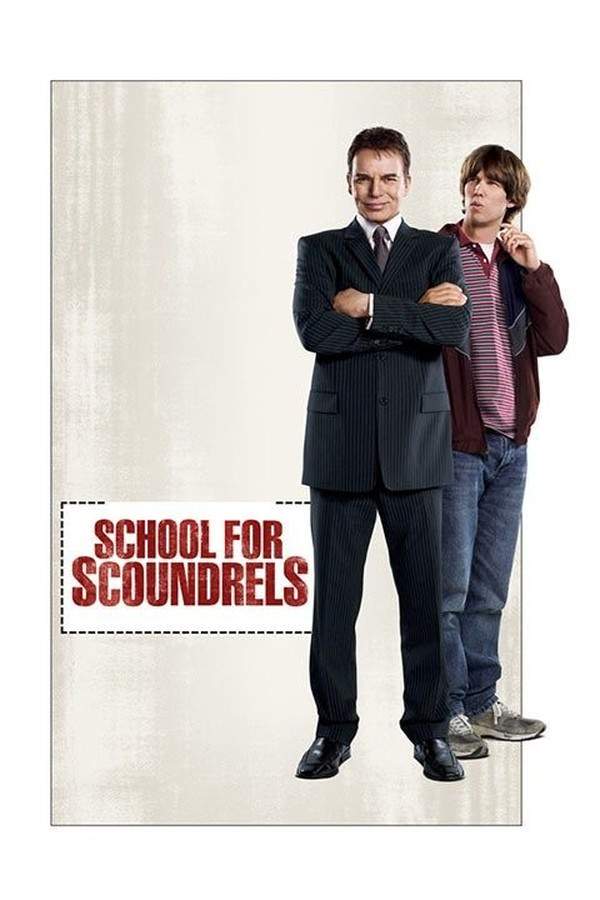
School for Scoundrels
2006
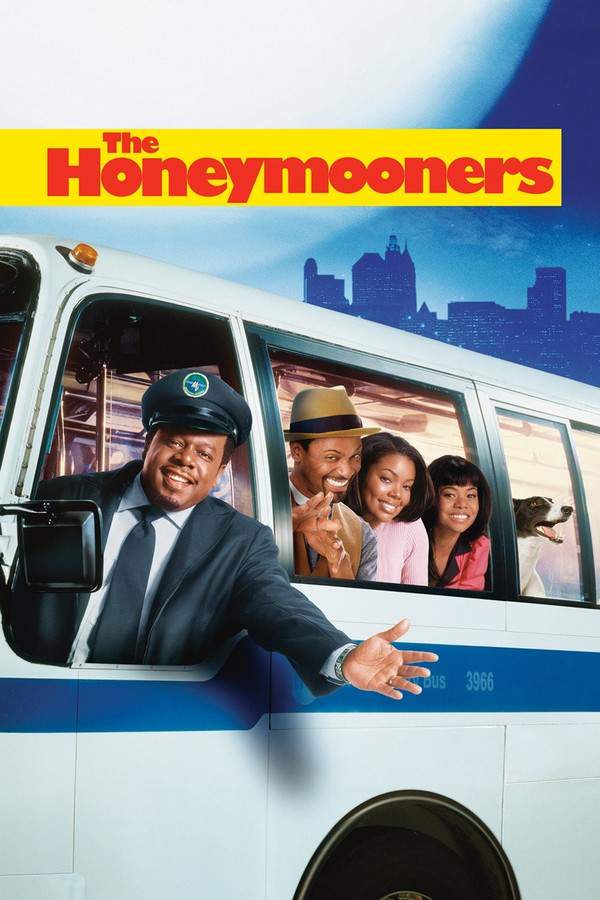
The Honeymooners
2005
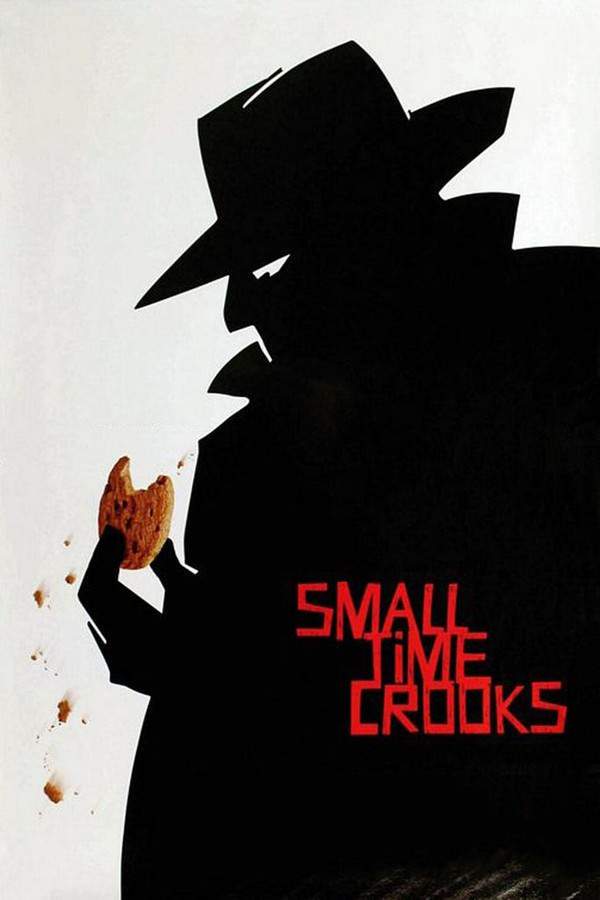
Small Time Crooks
2000

New in Town
2009
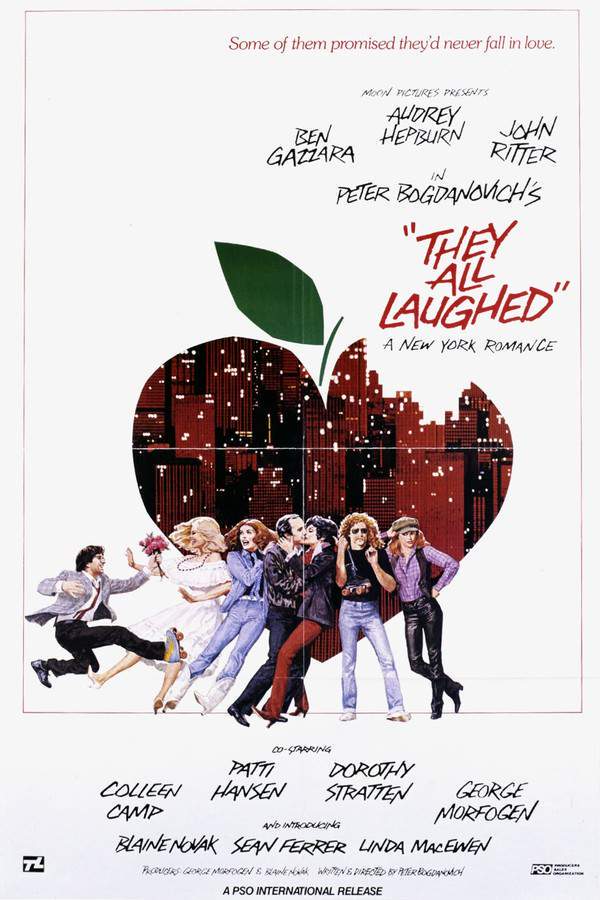
They All Laughed
1981
How to Beat the High Cost of Living
1980
Boys' Night Out
1962

The Love Scam
2025

Mr. Local
2019

All Night Long
1981

The Romancing Star
1987

The North Avenue Irregulars
1979

L.A. Without a Map
1998

Man About the House
1974

The Talk of the Town
1942
Narrative Summary
Stories in this thread typically follow clever but impulsive protagonists who concoct elaborate plans to achieve a goal, usually winning a romantic partner or overcoming a local authority figure. Their schemes create comedic chaos, intertwining subplots of romance, family pressure, and neighborhood politics before reaching a satisfying, often humorous, resolution.
Why These Movies?
These films are grouped together because they share a light, playful tone centered on clever characters operating within a close-knit community. They balance romantic pursuits with comedic friction against local figures, creating a specific vibe of charming chaos and street-level problem-solving.
Romantic comedies about scheming for love like Hyderabad Nawabs
Whimsical stories where love blooms through elaborate, often comedic, plans.Movies like Hyderabad Nawabs where the characters use clever schemes and hustles to win over their love interests. If you liked the playful romantic plotting and the involvement of outside help like a local gangster, these films offer similar mixes of lighthearted romance and comedic deception.

Love Tactics
2022

Set It Up
2018

Addicted to Love
1997

Just Go with It
2011
The Love Scam
2025

Chasing Two Hares
2003

Lovin’ the Ladies
1930

You Can’t Beat Love
1937

Trial and Error
1997

Please Believe Me
1950

A New Kind of Love
1963

The Lovable Cheat
1949

Woman Chases Man
1937
Indiscreet
1958

Chasing Two Hares
1961
Narrative Summary
The narrative pattern involves a romantic goal that seems blocked by an obstacle—often a disapproving parent or class differences. The protagonists, sometimes with the help of a quirky third party, devise an intricate scheme to overcome this hurdle. The plot pivots on the execution of this plan, the humor of its near-failures, and the final revelation leading to romance.
Why These Movies?
This thread connects movies based on a specific romantic comedy structure: the use of a hustle or scheme as the primary driver of the plot. They share a light tone, moderate romance focus, and a sense of playful mischief as characters bend the rules for love.
Unlock the Full Story of Hyderabad Nawabs
Don't stop at just watching - explore Hyderabad Nawabs in full detail. From the complete plot summary and scene-by-scene timeline to character breakdowns, thematic analysis, and a deep dive into the ending - every page helps you truly understand what Hyderabad Nawabs is all about. Plus, discover what's next after the movie.
Hyderabad Nawabs Summary
Read a complete plot summary of Hyderabad Nawabs, including all key story points, character arcs, and turning points. This in-depth recap is ideal for understanding the narrative structure or reviewing what happened in the movie.

Characters, Settings & Themes in Hyderabad Nawabs
Discover the characters, locations, and core themes that shape Hyderabad Nawabs. Get insights into symbolic elements, setting significance, and deeper narrative meaning - ideal for thematic analysis and movie breakdowns.


