Plot Explained Spoilers guaranteed!
Plot Explained

Browse by genre

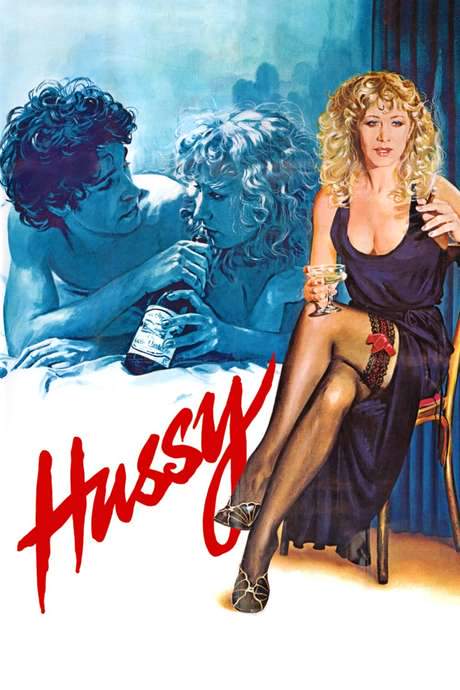
Hussy (1980) movie poster

Plot Summary

Hussy (1980) Plot Summary Explained

Release, runtime and language
1980 · 95 mins · English
Loading streaming availability…
Directed by
Matthew Chapman
Starring
Helen Mirren, Paul Angelis, Andy Lucas, John Shea, William Hootkins, Chris Sullivan

The film asks how much sex is enough as Beaty, a prostitute, and Emory, a lighting‑and‑sound technician, fall in love while working at a London cabaret. Their passionate bond is strained by the demands of their jobs, jealousy and the blurred line between performance and personal life, making their relationship anything but easy.

On this page (6)
  1. 1 Where to watch
  2. 2 What happens: full plot
  3. 3 Plot questions answered
  4. 4 Movie threads
  5. 5 Movies like Hussy
  6. 6 Every angle
Loading streaming availability…

Full plot summary · contains spoilers

What Happens in Hussy: Full Plot Summary

The whole story of Hussy (1980) explained, from the opening scene to the final frame: every key event, every twist and what it all adds up to. Read it as a quick recap before the sequel, to check a scene you missed, or to finally understand what really happened.

Beaty Simons, Helen Mirren, works as a prostitute at a London cabaret, and Emory Cole, John Shea, is the sound and lighting technician who becomes entangled in her world. Their affair blooms under the glitz of the cabaret, even as Beaty’s line of work casts a long shadow over their chances of a normal life. Emory carries a heavy unease about Beaty’s past and the life she leads, while Beaty herself wrestles with the responsibility of her young son and the fear of what leaving everything behind might do to him.

Two figures from their histories arrive, pulling the pair into a dangerous convergence. Max, Murray Salem, is Emory’s urbane, outspoken friend who pushes him toward a drug deal, bringing a taste of danger and excess into their fragile arrangement. Beaty’s former lover and perhaps her pimp, Alex Denham, Paul Angelis, is a brute whose presence unsettles Beaty and threatens the fragile trust she’s built with Emory. Alex is quiet and raging, a stark contrast to Max’s sharpness and style, and Beaty’s resistance to rekindling anything with Alex only fuels his volatile temper. Yet Alex agrees to join the caper, thinking it’s gun smuggling, as the trio contends with loyalty, fear, and the tangled motives that bind them.

On the day of the caper, the uneasy alliance fractures in a tense car ride. Max taunts Alex until the tension breaks and Alex shoots Max dead, leaving Emory and Alex to dispose of the body. The aftermath reveals a chilling truth: Alex is aware of Emory’s plan to take Beaty and her son away and he seems prepared to do whatever it takes to secure his hold. He hands Emory a stash of cash found on Max’s body and urges him to use it to keep everyone safe, even as the grim reality settles in that the future may depend on violence and separation rather than escape.

When Emory and Beaty finally reunite, Beaty’s resolve wavers. She refuses to flee the country immediately, torn by the fear of uprooting her child and the stubborn pull of a past she isn’t sure she can sever. Yet the promise of a fresh start glimmers in the proceeds from the night’s grim work, offering a route to a life free from the men who stalk them. The final scenes pull the trio toward a last-ditch bid for freedom: Emory, Beaty, and her child race to catch a plane, eyes fixed on a future liberated from the weight of their entwined histories.

Last updated: October 09, 2025 at 14:43

Was this helpful?

Plot questions answered

Hussy Plot Explained: Your Questions Answered

The questions people ask most about Hussy (1980): what happens in the confusing scenes, why the characters do what they do, the twists, hidden details and what the ending means. Each answer contains spoilers.

Q1

Why does Emory struggle to commit to Beaty?

Emory carries the trauma of his wife's accidental death, which haunts him and makes him wary of fully committing to Beaty. He fears that getting deeply involved with her will reopen those old wounds, especially given her complicated past as a prostitute and the responsibilities that come with it. This emotional baggage creates doubt in their relationship even as his feelings for her grow.

Foreshadowing: Earlier, Emory confesses this dark secret in Beaty's dressing room, revealing why he keeps emotional distance despite their attraction.

  • Emory
  • Beaty
  • trust issues
  • wife's death
  • commitment
  • trauma
Q2

Why does Alex kill Max in the car?

During the caper, Max taunts Alex relentlessly in the cramped car, pushing Alex's volatile temper to its breaking point. Alex is described as brutish and quick to violence, and Max's goading finally triggers the fatal shooting. The tension between Max's sharp, urbane demeanor and Alex's raw, aggressive nature explodes into murder.

Foreshadowing: From Alex's first appearance, his rage and volatility are established as a dangerous threat.

  • Alex
  • Max
  • murder
  • shooting
  • car
  • tension
Q3

Why does Alex give Emory the money from Max's body?

Alex gives Emory the cash found on Max's body as a grim gesture to ensure their escape. Alex realizes Emory planned to take Beaty and her son away, and rather than stand in their way, he uses the money as a practical means to help them flee. It's a utilitarian pact built on survival rather than goodwill - Alex accepts that violence and separation are the price of their freedom.

Foreshadowing: Alex's decision hints at a deeper understanding of the situation, showing he knows more about Emory's plans than initially revealed.

  • Alex
  • Emory
  • money
  • Max
  • body
  • escape
  • flight
Q4

Why does Beaty initially refuse to flee with Emory?

Beaty refuses to leave immediately because she fears uprooting her young son, whose custody she shares. The thought of taking him away from everything familiar terrifies her. Additionally, she struggles to sever ties with her past - the life she knows, however harmful, feels more certain than the unknown. Her reluctance stems from maternal responsibility and an uncertain attachment to her old life.

Foreshadowing: Earlier, Beaty's custody situation is revealed as a key factor complicating any escape plan.

  • Beaty
  • Emory
  • son
  • custody
  • flee
  • London
  • refusal
Q5

Why does Alex agree to join the caper despite hating Emory?

Alex agrees to join because he believes the caper involves gun smuggling, not drug dealing. His misunderstanding of the plan lures him into the dangerous scheme. Additionally, Alex likely sees an opportunity to stay close to Beaty and maintain some control over her life, even as he outwardly agrees to help Emory and Max.

Foreshadowing: Max and Emory organize the plan under pressure while Beaty remains anxious about the consequences.

  • Alex
  • caper
  • gun smuggling
  • Max
  • Emory
  • join
Q6

Why is Alex a threat to Beaty and Emory's relationship?

Alex is Beaty's abusive former lover and the father of her son, making him a dangerous presence who threatens the fragile trust she's built with Emory. His brutish, volatile nature and refusal to accept Beaty's rejection create constant tension. His arrival forces Beaty to confront a past she's trying to escape, and his willingness to be involved in the caper shows he'll go to dangerous lengths to remain in her orbit.

Foreshadowing: Beaty's resistance to rekindling anything with Alex only fuels his volatile temper.

  • Alex
  • Beaty
  • threat
  • abuse
  • former lover
  • pimp
  • Emory
Q7

Why does Emory want to take Beaty and her son away?

Emory wants to escape London to give Beaty and her son a chance at a normal life free from the dangers of her profession and the men who control it. His own past - including the trauma of his wife's death - motivates him to protect Beaty from a similar fate. The caper provides the financial means to make this escape possible, offering a route to a new life.

Foreshadowing: Emory's confession about his wife's death establishes his protective motivation toward Beaty.

  • Emory
  • Beaty
  • son
  • flee
  • London
  • new life
  • escape
Q8

What happens to Max during the caper?

Max is killed by Alex during the caper when tensions explode in the car. Max has been taunting Alex throughout the drive, and Alex's volatile temper finally snaps - he shoots Max dead in the cramped vehicle. Emory and Alex then dispose of Max's body together, keeping their plan from collapsing under the weight of murder and panic.

Foreshadowing: Max's abrasive personality and sharp taunts have been building tension throughout the caper setup.

  • Max
  • death
  • Alex
  • shooting
  • caper
  • body disposal
Q9

What role does the money from the caper play in their escape?

The money from Max's body becomes the key to funding their escape. After Alex kills Max, he gives the cash to Emory with instructions to use it to keep everyone safe. This money, though bloodied by murder, represents their only chance at starting over - a practical means to board a plane and leave London behind, though it changes nothing about the emotional weight Beaty carries.

Foreshadowing: The caper's proceeds offer a route to a life free from the men who stalk them.

  • money
  • caper
  • escape
  • flight
  • Emory
  • Beaty
  • plane
Q10

Why do Beaty, Emory, and her son race to catch the plane?

They race to the plane because it's their only chance at escaping the dangerous situation in London. With Max dead, Alex involved in murder, and their pasts threatening to catch up with them, the plane represents freedom and a fresh start. The final sprint through the terminal is a desperate bid to outrun the consequences of their choices and the men who haunted them.

Foreshadowing: The buildup from the caper's aftermath creates mounting pressure to flee before danger arrives.

  • plane
  • race
  • airport
  • escape
  • Beaty
  • Emory
  • son
  • flee
Q11

Why does Max try to recruit Emory for the drug deal?

Max, Emory's urbane and sharp-tongued friend, arrives in London specifically to recruit Emory for a drug deal. He uses his charm and the promise of money to draw Emory into the dangerous scheme. Max sees Emory as a willing participant or useful connection, bringing a taste of danger and excess into the fragile arrangement Emory has built with Beaty.

Foreshadowing: Max wastes no time trying to recruit Emory upon arriving in London.

  • Max
  • Emory
  • drug deal
  • recruit
  • danger
  • money

Movie threads

More Movies Like Hussy, by Mood & Story

Curated lists built around what makes Hussy tick: the same mood, the same kind of story or the same emotional payoff. Each list explains why these movies belong together.

Gritty Underbelly Romance Movies like Hussy

Passionate relationships forged and tested in dangerous, marginal worlds. Discover movies similar to Hussy, featuring intense workplace romances set against a backdrop of crime and desperation. If you liked the passionate yet strained love story within the London cabaret scene, you'll find more films here about relationships tested by dangerous jobs and moral ambiguity.

  • gritty
  • passionate
  • anxious
  • oppressive
  • desperate
  • claustrophobic
  • Tone: dark, passionate, desperate
  • Pacing: variable, alternating tension
Why these movies?

The story pattern: Stories in this thread follow characters who find passionate connection in oppressive, often illicit, environments. Their love becomes a form of escapism, but the external pressures of crime, exploitation, or survival create intense jealousy, danger, and moral conflict, forcing the characters to navigate a treacherous path between their personal bond and professional demands.

Why they belong together: These movies are grouped together because they share a specific blend of high-stakes romance and a gritty, often dark, atmosphere. The central tension arises from the collision of intimate human connection with a dangerous, corrupting world, leading to heavy emotional weight and typically ambiguous or bittersweet outcomes.

Movies about Desperate Escapes like Hussy

Characters risk everything for a chance at freedom from oppressive circumstances. Find films similar to Hussy that explore themes of escapism from oppressive lives. If you were captivated by the characters' frantic race for freedom from the London cabaret world, this list features other gritty dramas about high-stakes getaways, moral compromises, and ambiguous new beginnings.

  • desperate
  • oppressive
  • anxious
  • gritty
  • melancholic
  • tense
  • Tone: dark, melancholic, tense
  • Pacing: variable, building to frantic
Why these movies?

The story pattern: The narrative pattern involves characters who are deeply enmeshed in a damaging situation—be it prostitution, crime, or a toxic environment—and pin their hopes on a single, dangerous plan for escape. The journey is fraught with tension, betrayal, and sacrifice, often culminating in an ambiguous ending that questions whether true freedom is ever attainable.

Why they belong together: These films share a core thematic focus on escapism as a desperate, last-ditch effort. They create a cohesive vibe through their oppressive atmospheres, high emotional stakes, and a pacing that swings between deliberate buildup and frantic, tense action, all leading to an emotionally heavy and frequently uncertain conclusion.

If you liked this

Movies Like Hussy

Similar movies to Hussy: the same genre, themes or kind of story. Each one comes with its own plot summary, timeline and ending explained.

Browse all movie summaries

Every angle

Hussy (1980) Explained: Plot, Timeline & Characters

Everything about Hussy in one place: what happens in the plot summary, the timeline in chronological order, the characters and meaning and a spoiler-free summary. What's After the Movie adds the cast, box office and post-credit scenes.

Coming soon on iOS and Android

The Plot Explained Movie Summary App

Plot summaries, endings explained and timelines on your phone. Catch up on any movie in minutes, save your favorites and never miss a twist again.

Be the first to know when we launch. Your email stays private, always.

Learn more about the app