Plot Explained Spoilers guaranteed!
Plot Explained

Browse by genre

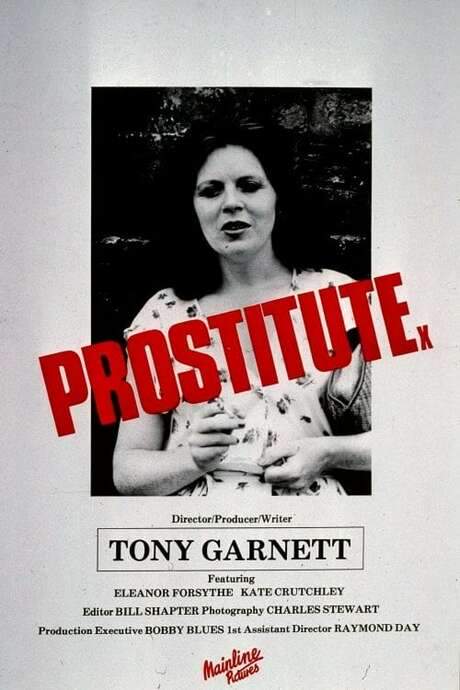
Prostitute (1980) movie poster

Plot Summary

Prostitute (1980) Plot Summary Explained

Release, runtime and language
1980 · 94 mins · English
Directed by
Tony Garnett
Starring
Lloyd McGuire, Count Prince Miller, Gillian Hawser, Kim Durham, Paul Moriarty, Ysanne Churchman

The story follows Sandra, a hopeful yet inexperienced young woman from Birmingham who moves to London seeking wealthier clients, and her friend Louise, a social worker determined to reform outdated, hypocritical prostitution laws. As they pursue their ambitions, harsh reality shatters their dreams and exposes deep societal bias against women.

On this page (5)
  1. 1 What happens: full plot
  2. 2 Plot questions answered
  3. 3 Movie threads
  4. 4 Movies like Prostitute
  5. 5 Every angle

Full plot summary · contains spoilers

What Happens in Prostitute: Full Plot Summary

The whole story of Prostitute (1980) explained, from the opening scene to the final frame: every key event, every twist and what it all adds up to. Read it as a quick recap before the sequel, to check a scene you missed, or to finally understand what really happened.

In Birmingham, a close-knit network of women who work as prostitutes watch out for one another, sharing a quiet solidarity in a city that often treats them as invisible. One of them, Sandra, has a young child and dreams of moving beyond street pickups toward something steadier, something safer. Her friend Rose lives with her mother and a larger extended family of sex workers, and Rose is suddenly arrested by the vice squad while simply walking home, not actively soliciting clients. Under pressure to plead guilty, she is sentenced to three months in prison. At the same time, Louise—a social worker who shares a flat with Sandra—worries about how police harass these women and ignore their rights under the law, fueling a sense of injustice that will ripple through the story.

Louise’s concern grows into action as she recruits Rose’s mother to urge other local prostitutes to organize, form discussions, and eventually push for changes in the laws that govern their lives. She is so connected with Sandra that she even invites her to a wedding as a guest, though Sandra’s priorities pull her toward London in search of better opportunities. Louise’s research leads her to Griff, a lecturer on penal reform who takes an interest in the cause, but his grasp on the daily realities of sex workers’ lives remains shaky. Despite this, Louise is drawn to him personally and invites him to stay the night, briefly crossing paths with Sandra in the process.

The story then moves Sandra toward London, where she meets Andrea, a London-based sex worker who helps recruit, at a business event, several regional prostitutes into a new network. Sandra decides to move, arranging for Winston, a longtime friend, to watch over her teenage son during the transition. In London, Sandra is steered toward a difficult path: she works as a massage provider for the abrasive local boss Mrs. "T", a person with whom Andrea has a fraught history. Andrea herself has left Mrs. T in a bitter split, and she warns Sandra that there will be no favors done for her in this line of work. The work grows harsher, with clients treating Sandra poorly in ways she hadn’t experienced in Birmingham, and she ultimately quits Mrs. T’s operation. In response, Andrea severs ties as well.

That precarious new life is rattled when corrupt vice police invade Sandra’s apartment without a warrant, plant drugs, and demand all her money and free sexual services to avoid arrest. The threat of corruption weighs heavily on Sandra, testing her resilience and complicating any hope she has of a safer livelihood. Louise, meanwhile, endures pressure from her supervisor who suggests she is becoming too involved with the women’s lives, yet her activism continues to draw more prostitutes into the conversation, attracting cautious interest from a local MP who sees the potential for broader reform. Rose is released from prison and returns to her mother and their extended family, a small victory that underscores the resilience of the community.

Back in Birmingham, Louise’s work gains traction as the BBC shows interest in documenting the cause, but she remains wary and insists on protecting the women who have trusted her with their stories. She carefully questions the researchers, hoping to avoid sensationalism and exploitation in the service of a compelling TV feature. Amid these ongoing struggles, Sandra returns to Birmingham but finds purpose in a quiet act of care: she goes to a park and helps other children on the swings, a powerful reminder that her parenting instincts and empathy survive the hardships she has faced.

Throughout the film, the characters’ lives intersect in a delicate balance of activism, personal risk, and stubborn hope. The story portrays how a community of women navigates legal systems, policing, and social stigma while striving to protect their families and push for change, even as they confront the daunting realities of life on the margins. The emotional core remains anchored in Sandra’s tenderness toward her son, Rose’s resilience, and Louise’s commitment to ensuring that the women she works with are heard, respected, and protected, no matter how daunting the obstacles may seem.

Last updated: October 09, 2025 at 14:29

Was this helpful?

Plot questions answered

Prostitute Plot Explained: Your Questions Answered

The questions people ask most about Prostitute (1980): what happens in the confusing scenes, why the characters do what they do, the twists, hidden details and what the ending means. Each answer contains spoilers.

Q1

Why does Sandra decide to move to London?

Sandra moves to London seeking better opportunities beyond the dangerous street pickups she relies on in Birmingham. She dreams of finding steadier, safer work and imagines the capital might offer higher-paying clients and improved conditions for herself and her young son.

Foreshadowing: Earlier, Sandra watches her network of fellow prostitutes in Birmingham and dreams of moving beyond street-level work.

  • sandra london opportunity
  • prostitute moving cities
  • better life
Q2

Why is Rose arrested when she wasn't actively soliciting?

Rose is arrested simply for walking home, not for any actual prostitution activity. The vice squad targets her despite her innocence, and she is pressured into pleading guilty to avoid a longer sentence, resulting in a three-month prison term.

Foreshadowing: The film opens by showing how police harass these women and ignore their legal rights.

  • rose arrest
  • vice squad
  • unfair arrest prostitute
Q3

Why does Sandra quit working for Mrs. T?

Sandra quits Mrs. T's operation because the work becomes increasingly hostile. Clients treat her poorly in ways she hadn't experienced in Birmingham, and the massage business proves predatory and高压 with no protection or support, making the conditions unbearable.

Foreshadowing: Andrea warned Sandra that there would be no favors done for her in this line of work.

  • sandra quits
  • mrs t boss
  • massage parlour exploitation
Q4

What happens during the corrupt police raid on Sandra's apartment?

Vice squad officers invade Sandra's apartment without a warrant, plant drugs, and then extort both money and free sexual services from her in exchange for avoiding arrest. This incident highlights the dangerous corruption sex workers face and the threats they endure.

Foreshadowing: Earlier, Louise worries about how police harass these women and ignore their rights under the law.

  • police corruption
  • drug planting
  • extortion prostitute
Q5

Why does Andrea cut ties with Sandra after she quits?

Andrea severs her relationship with Sandra immediately after Sandra quits Mrs. T's operation. This suggests Andrea remains loyal to the network she helped build and cannot support someone who leaves the organization, perhaps to protect her own position or relationships within the London sex work scene.

Foreshadowing: Andrea had warned Sandra that working for Mrs. T would offer no favors, indicating a complicated loyalty structure.

  • andrea
  • sandra breakup
  • london network
Q6

What motivates Louise to become an activist for prostitutes?

Louise's activism stems from anger over how police harass these women and consistently ignore their rights under the law. As a social worker sharing a flat with Sandra, she witnesses firsthand the injustice and hypocrisy in how sex workers are treated, fueling her determination to organize them and push for legal reform.

Foreshadowing: The film establishes Louise's concern about police harassment early in the story.

  • louise activism
  • prostitute rights
  • law reform
Q7

What happens to Rose after she is released from prison?

Rose serves her three-month sentence and is released, happily rejoining her mother and their extended family of sex workers in Birmingham. Her return represents a small victory that underscores the resilience and solidarity of their community.

Foreshadowing: Rose was arrested early in the film while simply walking home.

  • rose released
  • prison return
  • community support
Q8

Why does Louise invite Griff to stay the night despite his limited understanding?

Although Griff is a lecturer on penal reform with only theoretical knowledge of sex workers' daily realities, Louise is personally drawn to him. She invites him to stay the night, briefly crossing paths with Sandra in the process, suggesting a romantic connection develops alongside their shared activism.

Foreshadowing: Louise meets Griff while researching penal reform and his interest in the cause brings them together.

  • louise griff relationship
  • romantic interest activist
Q9

Why does Sandra return to Birmingham after London?

After enduring harsh conditions, a corrupt police raid, and losing her connection with Andrea, Sandra quietly returns to Birmingham. Rather than seeing her son, she goes to a park and helps other children on swings, an act that demonstrates her enduring maternal instincts and empathy despite her hardships.

Foreshadowing: Sandra's deep bond with her child was established early, showing her priority has always been motherhood.

  • sandra returns
  • maternal instinct
  • park children
Q10

What happens with the BBC documentary about the prostitutes?

Louise's activism attracts BBC interest in making a documentary about the cause. However, she carefully questions the researchers and negotiates to protect the women who trusted her, insisting on avoiding sensationalism and exploitation while sharing their stories.

Foreshadowing: Louise's network of organized prostitutes grows throughout the film, drawing broader attention.

  • bbc documentary
  • media attention
  • prostitute activism
Q11

Why does Louise invite Sandra to a wedding as a guest?

Louise is so connected with Sandra as her flatmate and friend that she invites her to a wedding as a guest. However, Sandra's priorities pull her toward London in search of better opportunities, showing the tension between her personal relationships and her ambition for improved circumstances.

Foreshadowing: The invitation occurs early, establishing their close friendship before Sandra's departure.

  • wedding invitation
  • sandra louise friendship
Q12

How does Sandra arrange care for her son when moving to London?

When Sandra decides to move to London, she arranges for Winston, a longtime friend, to watch over her teenage son during the transition. Louise also commits to looking after him, showing the strong support network Sandra has built despite her difficult profession.

Foreshadowing: Sandra's maternal responsibilities and her young child were established from the beginning as her primary motivation.

  • sandra son care
  • winston
  • childcare arrangement

Movie threads

More Movies Like Prostitute, by Mood & Story

Curated lists built around what makes Prostitute tick: the same mood, the same kind of story or the same emotional payoff. Each list explains why these movies belong together.

Gritty social realism movies like Prostitute

Stories that expose societal injustice through intimate, character-driven portraits. Find more movies like Prostitute that explore harsh social realities with a sobering, realistic approach. These films often focus on characters fighting systemic injustice, blending heavy emotional themes with a steady, character-driven pace. If you liked the socially conscious narrative of Prostitute, you'll appreciate these similarly impactful dramas.

  • gritty
  • socially conscious
  • somber
  • resilient
  • oppressive
  • sobering
  • Tone: melancholic, sobering
  • Pacing: steady, character-driven
Why these movies?

The story pattern: Narratives in this thread typically follow characters navigating oppressive systems—be they legal, economic, or social. The conflict is often between individual dignity and institutional indifference, leading to journeys marked by small acts of defiance, sobering setbacks, and a focus on the personal cost of societal failure rather than tidy resolutions.

Why they belong together: These movies are grouped by their commitment to unflinching realism, their focus on serious social issues, and their melancholic yet resilient tone. They share a steady pacing that allows for deep character immersion and a medium-to-heavy emotional weight derived from their engagement with real-world struggles.

Bittersweet journeys of resilience like in Prostitute

Where personal victories are hard-won but overshadowed by ongoing hardship. Explore movies similar to Prostitute that feature bittersweet endings and themes of resilience against adversity. These films portray characters who find strength and small triumphs despite overwhelming challenges, resulting in emotionally heavy, thoughtful narratives. If you appreciated the complex ending of Prostitute, these stories offer a similar emotional payoff.

  • bittersweet
  • resilient
  • somber
  • hopeful
  • sobering
  • emotional
  • Tone: bittersweet, melancholic
  • Pacing: steady, deliberate
Why these movies?

The story pattern: The narrative pattern involves characters pursuing a goal or fighting for change, facing repeated setbacks that test their spirit. The climax often brings a partial, personal victory—such as a strengthened relationship or a moment of self-realization—while the larger, systemic problem remains, creating an ending that is both poignant and realistic.

Why they belong together: These films are united by their bittersweet emotional arc, their focus on character resilience in the face of adversity, and their heavy emotional weight. They balance somber moods with quietly hopeful moments, creating a nuanced and deeply human viewing experience.

If you liked this

Movies Like Prostitute

Similar movies to Prostitute: the same genre, themes or kind of story. Each one comes with its own plot summary, timeline and ending explained.

Browse all movie summaries

Every angle

Prostitute (1980) Explained: Plot, Timeline & Characters

Everything about Prostitute in one place: what happens in the plot summary, the timeline in chronological order, the characters and meaning and a spoiler-free summary. What's After the Movie adds the cast, box office and post-credit scenes.

Coming soon on iOS and Android

The Plot Explained Movie Summary App

Plot summaries, endings explained and timelines on your phone. Catch up on any movie in minutes, save your favorites and never miss a twist again.

Be the first to know when we launch. Your email stays private, always.

Learn more about the app