
H.R. Giger Revealed
Year: 2010
Runtime: 52 mins
Language: German
Director: David N. Jahn
The documentary offers an intimate view of H.R. Giger’s imagination and personal life. It includes extensive interviews with Giger and commentary from Ernst Fuchs, Stanislav Grof and Debbie Harry. Though it notes major stages of his work, the focus is less a biography than a vivid exploration of the distinctive surreal world created by the Swiss master.
Where to Watch H.R. Giger Revealed?
Find where to stream, rent, or buy H.R. Giger Revealed (2010) in the US with current JustWatch availability, up-to-date pricing, and platform listings for subscription, rental, and digital purchase options.




Streaming availability powered by 
Warning: spoilers below!
Haven’t seen H.R. Giger Revealed yet? This summary contains major spoilers. Bookmark the page, watch the movie, and come back for the full breakdown. If you're ready, scroll on and relive the story!
Timeline – H.R. Giger Revealed (2010)
Trace every key event in H.R. Giger Revealed (2010) with our detailed, chronological timeline. Perfect for unpacking nonlinear stories, spotting hidden connections, and understanding how each scene builds toward the film’s climax. Whether you're revisiting or decoding for the first time, this timeline gives you the full picture.
Last updated: October 01, 2025 at 10:24
H.R. Giger Revealed (2010) Timeline Questions Answered – Chronology FAQ
Find frequently asked questions about the H.R. Giger Revealed (2010) timeline, including chronological order, nonlinear jumps, cause-and-effect links, and scene sequence clarifications. This timeline FAQ helps explain when key events happen, how moments connect, and why the story unfolds in that specific order.
What is biomechanical style in art?
Biomechanical style is Giger's signature aesthetic that depicts humans and machines intertwined in a cold, interlocking relationship. The fusion creates forms that appear both organic and mechanical simultaneously, producing an unsettling intimacy where the body becomes a conduit for mechanical and supernatural forces. This distinctive visual language became his hallmark and influenced countless filmmakers and artists.
Early in the documentary, Giger's transition from monochromatic canvases to his biomechanical works marks this stylistic emergence.
How did Giger's night-terrors influence his art?
Giger suffered from sleep disorders known as night-terrors, which generated vivid, disturbing visions that fed directly into his artwork. These nightmare states produced the dreamlike, unsettling imagery that defines his biomechanical universe. The documentary explains how these personal nocturnal experiences translated into the cold, otherworldly atmosphere that characterizes his paintings and film designs.
The documentary introduces his early works as surreal, nightmarish dreamscapes before connecting them to his personal sleep disturbances.
How did Ridley Scott discover Giger's work for Alien?
Ridley Scott describes discovering Giger's Necronomicon art book and realizing immediately that his search for the perfect alien design had ended. Scott was seeking a creature that felt both realistic and viscerally unsettling, and Giger's biomechanical vocabulary provided exactly that. This collaboration produced one of cinema's most iconic creature designs and marked a pivotal moment in sci-fi horror aesthetics.
The documentary earlier establishes Giger's reputation among filmmakers seeking dark, atmospheric visual design.
Why did Debbie Harry collaborate with H.R. Giger?
Debbie Harry recounts the specific circumstances that sparked her collaboration with Giger in the documentary. Her involvement provided a starry, human entry point into Giger's laboratory of nightmarish beauty, bridging the gap between his esoteric art world and pop culture audiences. Leslie Barany, Giger's US agent, facilitated the connection that brought Harry into his creative circle.
The documentary hints at Giger's expanding network beyond the art world before revealing Harry's involvement.
What was the 2005 Prague exhibition?
The Prague exhibition ran from April 14 to September 13, 2005 at the National Technical Museum, showcasing Giger's work to international audiences. David N. Jahn, who began as Giger's assistant in 2000, helped coordinate this major presentation. The event illustrated the global reach of Giger's biomechanical imagery and solidified his artistic footprint across European cultural centers.
The documentary traces Jahn's progression from studio assistant to exhibition coordinator before detailing this landmark show.
Which films used Giger's design work?
Giger's biomechanical aesthetic influenced numerous dark cinema projects, most notably Ridley Scott's Alien, David Lynch's Dune, Poltergeist II, and Species. Filmmakers sought his collaboration to achieve realistic, visceral textures for their creature and environment designs. His demand for cold, surgical logic in the interplay of machine and flesh created a visual language that cinema repeatedly echoed.
The documentary establishes Giger's signature style before showcasing its cinematic applications.
How was this documentary made?
David N. Jahr began as an assistant at Giger's Zürich studio in 2000 and later became a central figure in the documentary's creation. While Jahn handled most shooting, Giger provided support and his wife Carmen arranged interviews. The production spanned multiple locations including Zürich, New York City, Paris, and Prague, weaving together the artist's network of collaborators.
The documentary hints at its own genesis through Jahn's involvement before revealing the full production story.
How did Giger's artistic technique develop over time?
Giger began with monochromatic airbrush canvases depicting surreal, nightmarish dreamscapes with fetishistic imagery. He later expanded to include markers, ink, and pastel tones while maintaining the crisp, cold logic of his aesthetic. This technical evolution never abandoned his core biomechanical vision but deepened its visual complexity.
The documentary opens with his early works before demonstrating how his methods diversified.
Why is Giger's work described as beautifully disturbing?
The documentary argues that Giger presents the horror of his paintings with such precision and aesthetic control that it transcends mere fright into unsettling beauty. His biomechanical forms combine the intimate (the human body) with the alien (machines) in ways that feel both intimate and otherworldly. The cold, surgical logic of his compositions invites viewers to appreciate the craft while confronting uncomfortable imagery.
Early commentary in the documentary establishes this tension between horror and beauty.
What is Giger's lasting influence on art and cinema?
The documentary positions Giger as a towering figure in modern art whose unsettling aesthetic continues resonating across art, music, and film. His biomechanical vocabulary influenced creature design in blockbuster sci-fi, while his approach expanded boundaries between organic and mechanical representation. His legacy persists among gothic culture, occult circles, and contemporary visual artists seeking definitive dark inspiration.
The documentary builds toward this assessment by tracing his international exhibitions and cross-media impact.

Explore Movie Threads
Discover curated groups of movies connected by mood, themes, and story style. Browse collections built around emotion, atmosphere, and narrative focus to easily find films that match what you feel like watching right now.
Documentaries about visionary artists like H.R. Giger Revealed
Unveiling the intimate and surreal creative processes of singular artistic minds.If you enjoyed the immersive journey into H.R. Giger's mind, you'll appreciate these movies like H.R. Giger Revealed. This list features similar documentaries and biopics that explore the unique creative processes and surreal worlds of other singular artistic visionaries, focusing on their legacy and distinctive aesthetic.

Buñuel in the Labyrinth of the Turtles
2019

I Shot Andy Warhol
1996
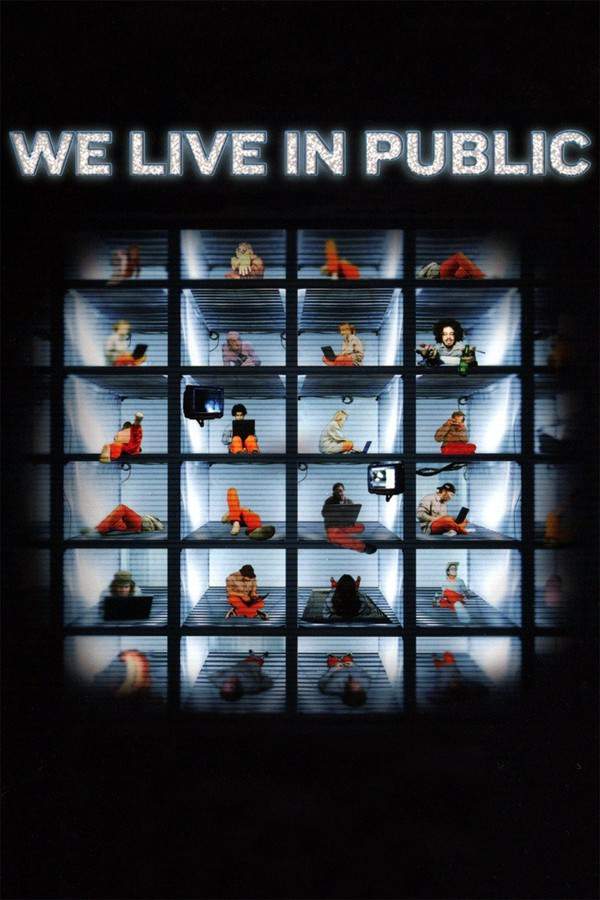
We Live in Public
2009
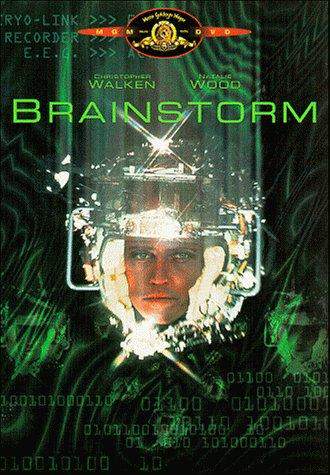
Brainstorm
1983
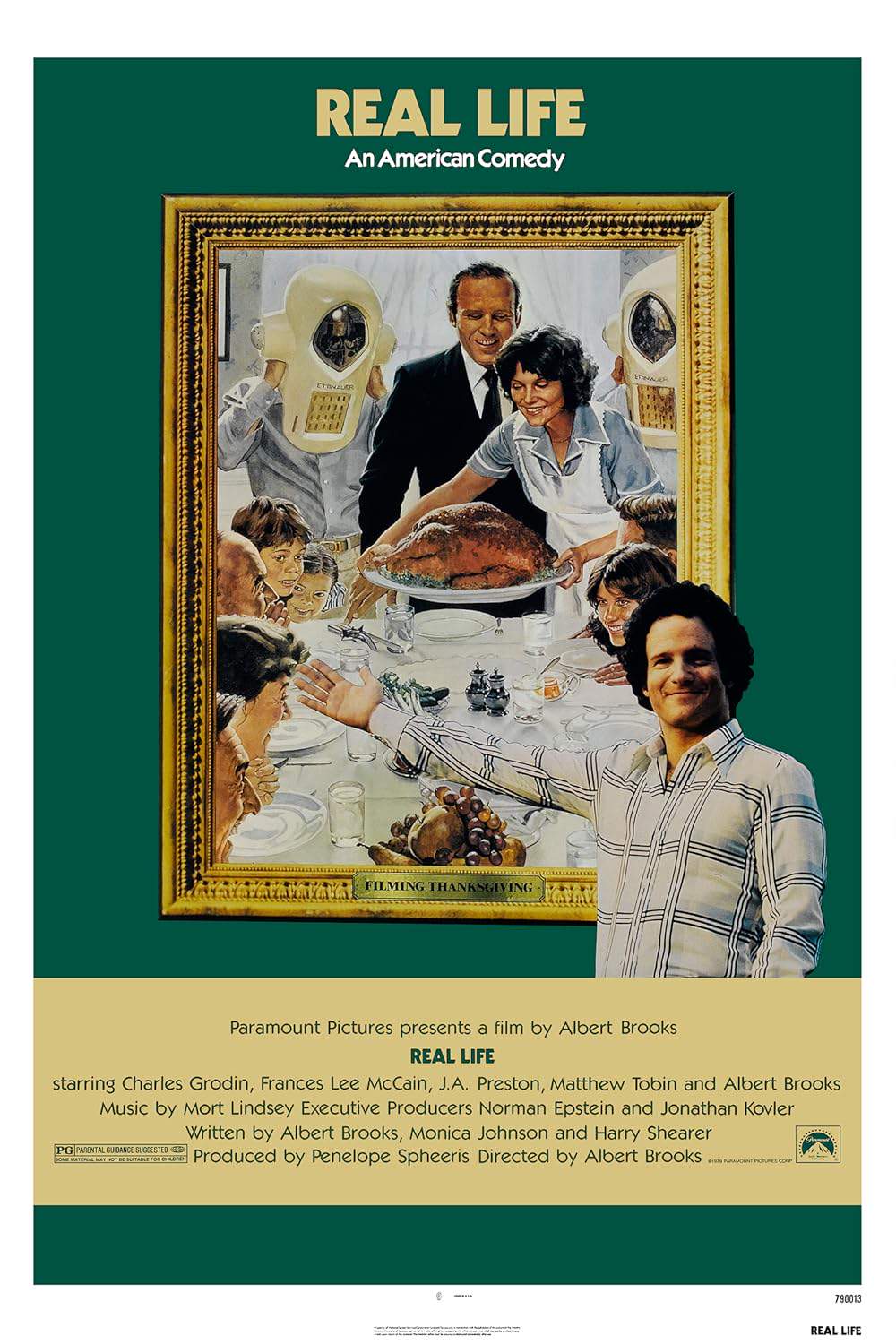
Real Life
1979
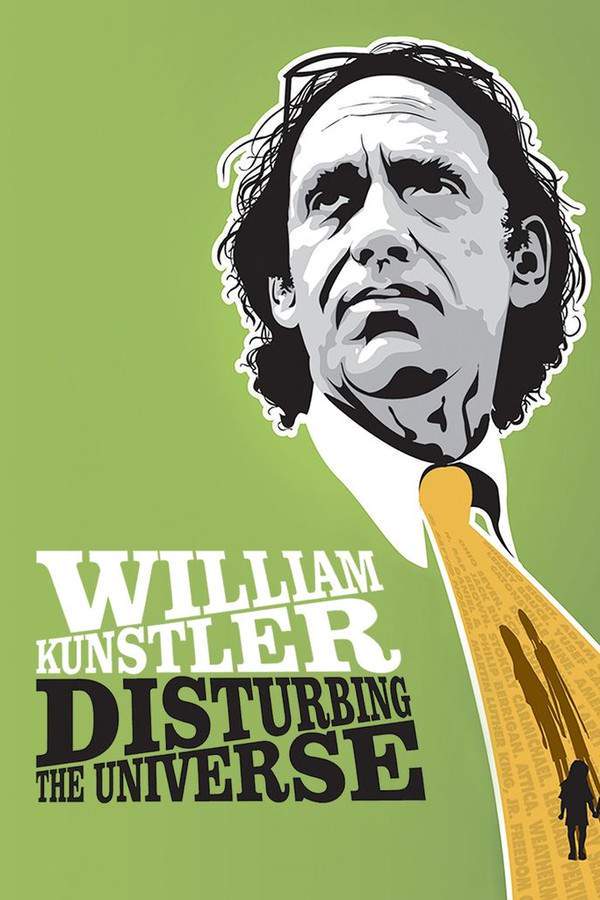
William Kunstler: Disturbing the Universe
2009

Seeing Heaven
2010
H.R. Giger Revealed
2010
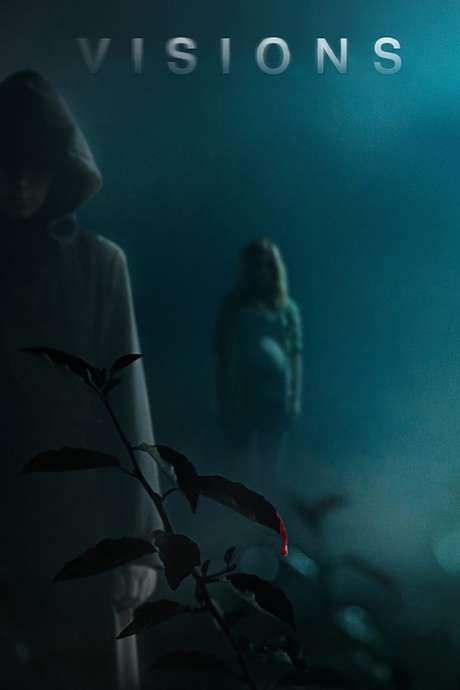
Visions
2015

Illusions
1982

The Vanishing World
1987

Goya: Or the Hard Way to Enlightenment
1971
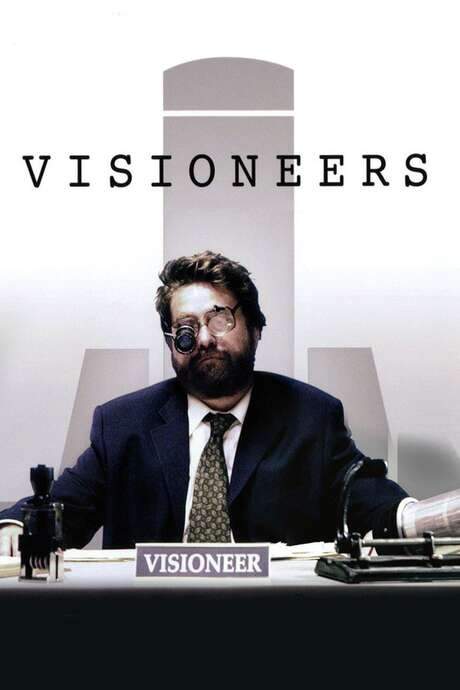
Visioneers
2008

Encounter with the Unknown
1972

Love Is the Devil: Study for a Portrait of Francis Bacon
1998
Narrative Summary
Films in this thread often eschew straightforward biography in favor of a more experiential structure. They weave together interviews, archival footage, and commentary to create a vivid portrait of the artist's inner world and the themes that drive their work. The journey is one of discovery, aiming to understand the source of a unique creative vision.
Why These Movies?
These movies are grouped together because they share a deep focus on artistic genius, a reverent tone, and an exploratory approach to their subjects. They prioritize understanding the artist's world over a simple timeline of events, resulting in a similarly intimate and intellectually engaging experience.
Dark and dreamlike exploratory movies like H.R. Giger Revealed
Steady-paced films that guide you through unsettling and surreal imaginative worlds.For viewers who liked the dark and dreamlike journey of H.R. Giger Revealed, this list recommends similar movies with an unsettling and exploratory vibe. Discover other films that prioritize immersive atmosphere and surreal world-building, offering a steady-paced descent into uniquely imaginative and biomechanical or fantastical realms.
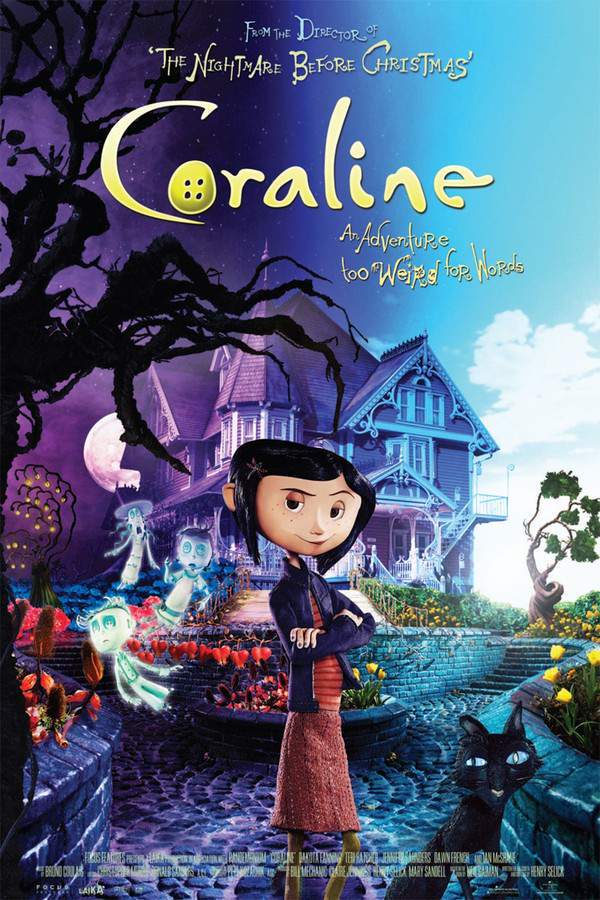
Coraline
2009

Legend
1986
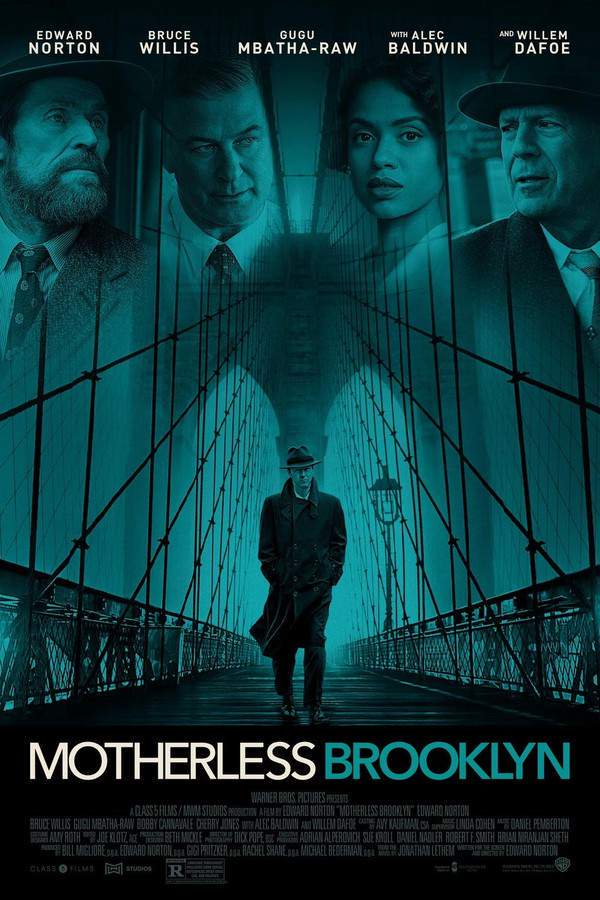
Motherless Brooklyn
2019
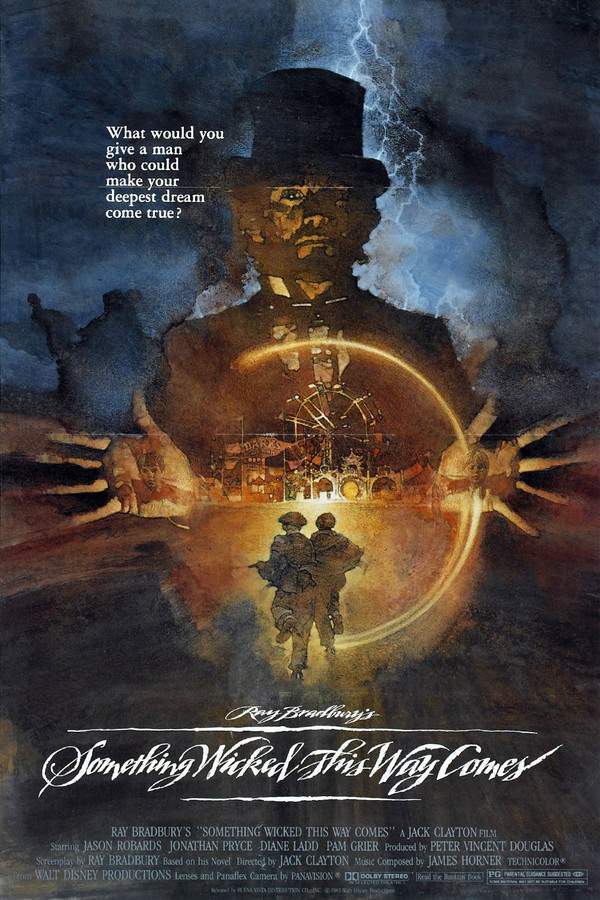
Something Wicked This Way Comes
1983

Nightbitch
2024

Embrace of the Vampire
2013
H.R. Giger Revealed
2010

Poor Things
2019

Motorama
1991
Illusions
1982

DC Showcase: The Phantom Stranger
2020

Cave of the Living Dead
1964
Visioneers
2008

Mesa of Lost Women
1953
Encounter with the Unknown
1972
Narrative Summary
The narrative pattern here is one of exploration and immersion rather than a traditional character arc or plot resolution. The film acts as a lens through which the viewer examines a complex, often nightmarish world. The pacing is steady, allowing the audience to fully absorb the intricate details and pervasive mood of the created universe.
Why These Movies?
These films are connected by their shared commitment to building a cohesive, dark, and surreal atmosphere. They prioritize mood and world-building over fast-paced action, using a steady, deliberate pace to let the viewer inhabit a unique and often unsettling imaginative space.
Unlock the Full Story of H.R. Giger Revealed
Don't stop at just watching - explore H.R. Giger Revealed in full detail. From the complete plot summary and scene-by-scene timeline to character breakdowns, thematic analysis, and a deep dive into the ending - every page helps you truly understand what H.R. Giger Revealed is all about. Plus, discover what's next after the movie.
H.R. Giger Revealed Summary
Read a complete plot summary of H.R. Giger Revealed, including all key story points, character arcs, and turning points. This in-depth recap is ideal for understanding the narrative structure or reviewing what happened in the movie.

Characters, Settings & Themes in H.R. Giger Revealed
Discover the characters, locations, and core themes that shape H.R. Giger Revealed. Get insights into symbolic elements, setting significance, and deeper narrative meaning - ideal for thematic analysis and movie breakdowns.


