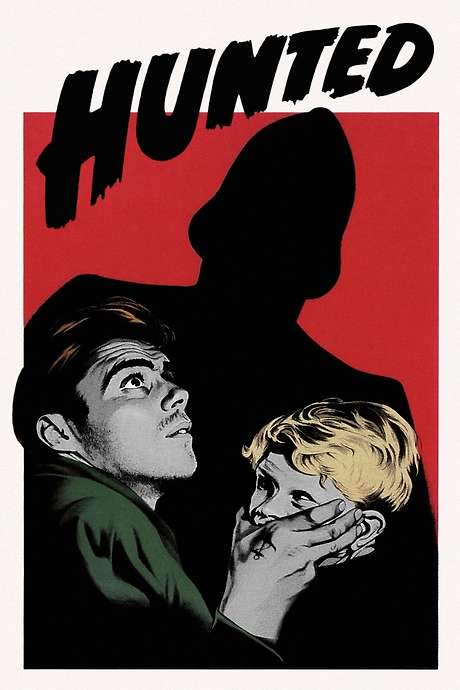
Dib, a dog-fighting kingpin, pursues revenge after his prized hound is killed in a brutal fight, setting off a chain of desperate decisions. He hires Hassan, a poor man who ekes out a living through petty crime, to kidnap a middleman from a rival crew. Hassan brings along his reluctant son, Issam, who is sharper and more cautious than his father. Issam is suspicious from the start, even more so when their red van feels like an ominous badge of bad luck, a superstition that proves unsettling as the mission unfolds.
The kidnapping sparks a rapid, panicked scramble to cover their tracks. The target suffocates in the trunk of the car, and the pair must race against the clock to hide the body before dawn. They are dismissed by an old associate of Dib who used to run similar jobs but has since walked away from crime, a decision that haunts them as they search for options. Issam argues that neither plan will work, yet they press on with risky schemes: first concealing the corpse in a shallow, rock-filled well, then digging another grave in the countryside, only to be chased by the fear of discovery.
A last-ditch attempt sends them back to the city after a tense encounter at a police roadblock, where they recruit Hassan’s old, drunken fisherman friend to dump the body in the sea. That plan founders when the fisherman himself tumbles into the water, leaving the two with the corpse and a guiltier conscience than before. The weight of obligation grows heavier as Hassan is suddenly haunted by the Islamic ritual of cleansing the dead; he insists on washing the body and wrapping it in a shroud, a process that unsettles them both and is inflamed by visions of the departed.
A crack in the plan comes when Hassan’s disapproving mother intervenes, catching them in the act but choosing to help with the cleansing rather than exposing them. Issam seeks another helper to dispose of the body, yet that plan fails, leaving Issam trapped in a warehouse with rival gang members. Dib mobilizes a gang of henchmen to stage a rescue, pulling them toward a chilling solution: an acquaintance with a large oven who is asked to cut up the body. Hassan refuses to participate in that gruesome act, and Dib reluctantly hires someone else to complete it. The body is burned and disposed of in the trash, erasing a part of the night’s violence but not its consequences.
The following morning, Hassan and Issam are seen walking home, weighed down by what they have done. A dog later appears in a wasteland strewn with garbage, carrying a charred, human arm in its mouth, a stark reminder of the violence and the cost that lingers in the landscape. The film closes on a note of unresolved guilt and the harrowing toll of a crime that spiraled from revenge into an inescapable moral abyss.