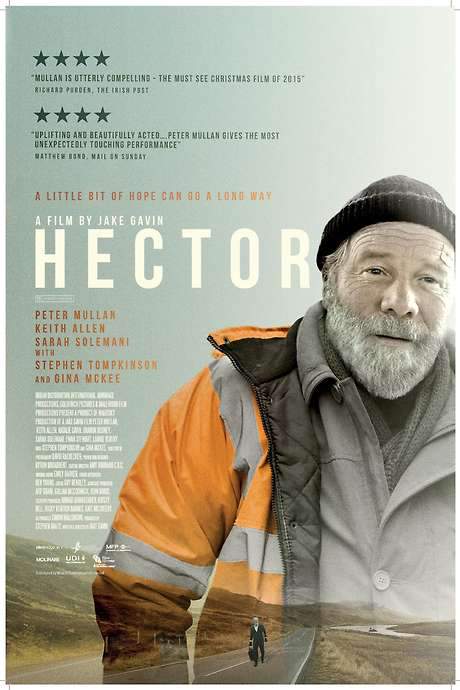
Hector McAdam is a warm-hearted, limping, homeless man whose rich inner life and painful history unfold across a season of cold streets and crowded shelters. The film traces how his past—a blend of gentle acts of kindness and the subtle, sometimes harsh, indifference of others—shapes the way he moves through the world. In the present day, he moves with a small circle of companions, his close-knit if improvised family: Dougie and Hazel, who share the road and the shelter with him after a stranger offers them jackets that spark a quiet sense of belonging.
A trip to Glasgow for a hospital appointment sets the tone for the ensuing odyssey. The appointment is scheduled for a few weeks later and is described as non-urgent, but the journey becomes urgent in its own way as the day’s events push Hector to confront his fragmented ties to the past. On the way back from the oncology department, an old acquaintance recognizes him and mentions his brother, Peter, who tried to locate him after he vanished years ago. Hector, wary and worn, chooses silence over conversation. The encounter is followed by a tense moment when he is attacked by youths seeking to steal his bag, only to be rescued by a shopkeeper who patches him up and repairs what the street has taken. He resists alcohol, and he doubles down on safeguarding the few letters that carry sentimental weight—little anchors in a life otherwise spent moving from one shelter to the next.
Driven by a sense of unfinished business, Hector resolves to reconnect with his siblings, a task that leads him north to Newcastle in search of his sister, Lizzie. The reunion is complicated: Lizzie’s husband, Derek, confronts him with old resentments and cold practicality, insisting that Lizzie will not meet him after fifteen years of silence. Derek’s hostility is matched by Hector’s stubborn vulnerability as he asks for Lizzie’s contact details and a place to stay, only to be turned away with a stern, practical refusal. He speaks of spending Christmas with friends in a London shelter, and the conversation touches on the deeper ache of family brokenness. When Hector asks about Peter, Derek hedges—London is the answer he offers, and the suggestion to return is met with a firm refusal.
The journey takes a stark, affecting turn at a service station where Hector seeks rest for a cold night. There he encounters Hazel and Dougie. The night brings tragedy: Dougie dies after a cruelly ordinary moment of hardship, and Hazel flees, leaving Hector to face the consequences and the police. The next leg of the trip lands him in Liverpool, where a church shelter offers him a warm space and a voucher for a café. Even there, the day’s small comforts are undercut by misread signals—the waitress accuses him of theft when he spills his tea and searches for a towel. The film refuses easy resolution, treating these moments as real, lived experiences in a life spent without a stable home base.
London becomes a pivotal arc in Hector’s story. The Christmas shelter there is initially full, but a perceptive volunteer, Sara, recognizes him from Christmases past and finds him a bed. She extends a lifeline by giving him internet access to contact his family and, importantly, help him search for Peter. As the shelter becomes a temporary ground, Hazel reappears, and Hector’s steadiness helps calm her, while Sara helps her find shelter with other women. The arrival of Peter at the shelter marks a bittersweet turning point: he has searched multiple shelters, called their sister to wish her a Merry Christmas, and learned from Derek about Hector’s plans. Peter asks Hector how he sustains himself, and Hector explains that a social worker helped him claim benefits while he moved from place to place. Peter offers to keep in touch, but Hector reminds him that his chosen family—his fellow shelter friends—has become his real family. He clarifies that “life” is what broke him, not a single rift with Peter.
In a quiet, intimate moment, Hector reveals a long-held memory: his wife and daughter were killed on Christmas Eve by a drunk driver. The revelation reframes the entire journey as less about reunion and more about coming to terms with loss, guilt, and forgiveness. The following day, he shares a Christmas dinner with his new circle, and Peter returns to introduce him to Lizzie and Derek near the shelter. Lizzie, who had previously rebuked him for not staying in touch, comes to terms with the weight of past choices as Hector explains that the blame lay not only with them but with life itself, the forces that pulled them apart. With the shelter gradually emptying, Sara expresses hope that they will meet again next year, while Hector prepares for a temporary return north to continue his operation. The final scenes frame a crucial decision: he will spend some time with his sister, but his long-term path remains the road he travels with his makeshift family, the people who have learned to look out for one another on the margins.
As the narrative closes, the film does not moralize or preach. It honestly presents resilience, memory, and the stubborn possibility of connection even when the odds seem insurmountable. The threads of kindness and cruelty, generosity and struggle, weave together into a portrait of a man who refuses to let his past define every moment of his future. Through Hector’s eyes, audiences are invited to witness not just the hardships of homelessness, but the enduring human impulse to reach out, to be found, and to find a way back to some sense of family and belonging, even if that family is built from shared shelter floors, kind strangers, and the stubborn warmth of the human heart.