Plot Explained Spoilers guaranteed!
Plot Explained

Browse by genre

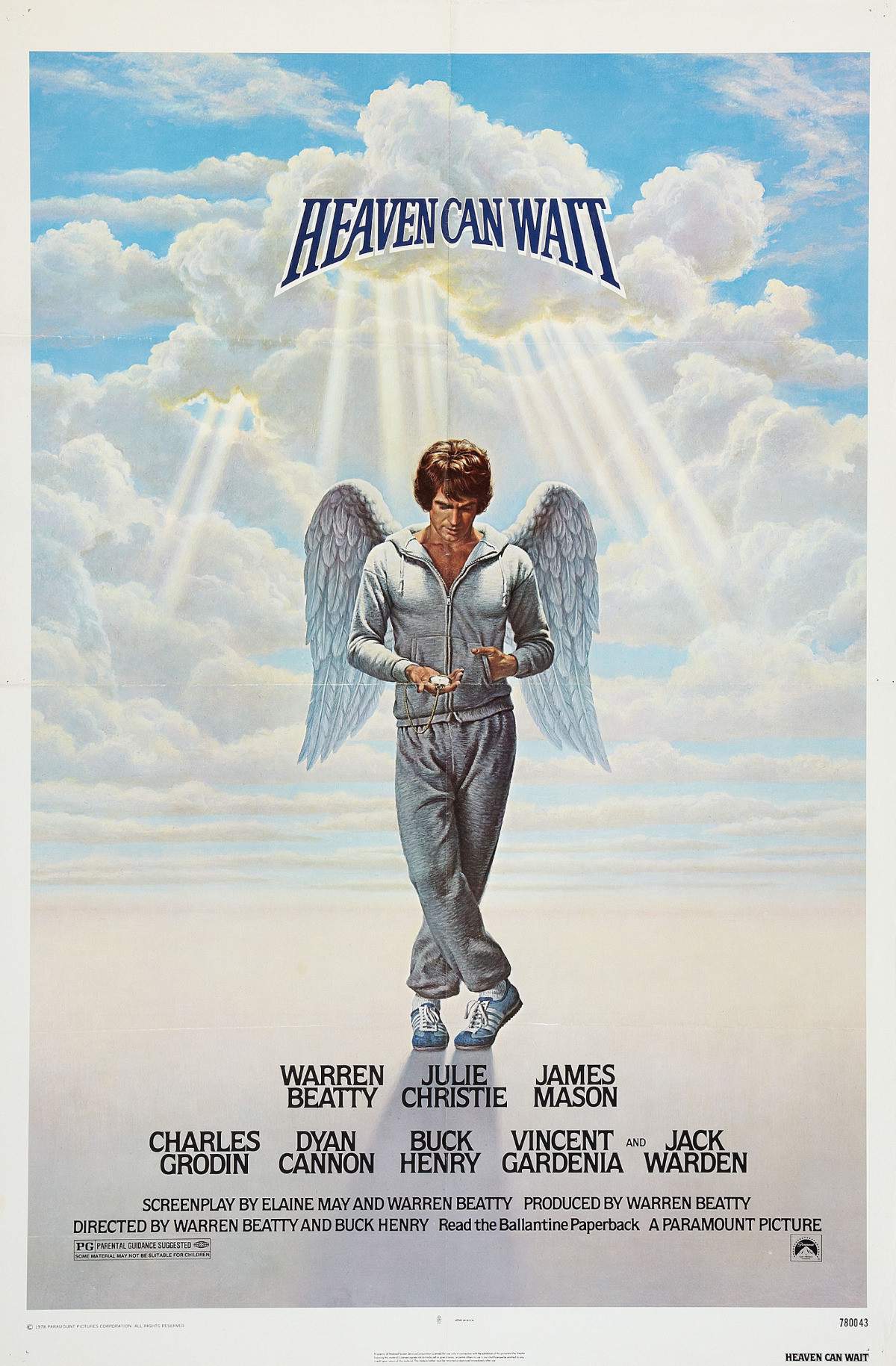
Heaven Can Wait (1943) movie poster

Timeline

Heaven Can Wait (1943) Timeline Explained – Every Event in Order

Release, runtime and language
1943 · 112 mins · English
JustWatch #32,006 1
Directed by
Ernst Lubitsch
Starring
Don Ameche, Florence Bates, Claire Du Brey, Scotty Beckett, James Flavin, Louis Calhern

He lives by a creed of love, honor, and obedience, but the decadent playboy Henry van Cleve dies and finds himself at Hell’s gates, convinced he belongs there. The devil doubts his worthiness. Henry reviews his life—his lavish excesses, a 25‑year marriage to Martha, and a moment of infidelity—hoping that a higher authority will deliver a fair judgment.

On this page (6)
  1. 1 Where to watch
  2. 2 Events in order (12)
  3. 3 Timeline questions answered
  4. 4 Movie threads
  5. 5 Movies like Heaven Can Wait
  6. 6 Every angle

Where to watch

Where to Watch Heaven Can Wait (1943)

Where can you watch Heaven Can Wait? Stream, rent or buy it in the US, including on YouTube TV, Fawesome and Hoopla: current JustWatch availability with up-to-date prices.

Streaming availability powered by JustWatch

12 events in order · contains spoilers

Heaven Can Wait Timeline: Events in Chronological Order

Every key event of Heaven Can Wait (1943) in order, scene by scene, with when and where it takes place. Use it to untangle flashbacks, time jumps and parallel storylines, to refresh your memory before the sequel or to find the exact scene you are thinking of.

  1. Arrival before His Excellency

    An aged Henry Van Cleve arrives at the opulent afterlife reception area, certain he does not belong. He is personally greeted by His Excellency and asked to explain his life. To determine his worthiness, Henry begins telling the story of his dissolute years.

    Where
    The afterlife reception area
  2. Birth and family

    Henry is born in Manhattan on October 25, 1872, the spoiled only child of Randolph and Bertha. His paternal grandmother is doting, while his grandfather Hugo Van Cleve understands him better than most. The family dynamics set the stage for Henry's charm and restlessness.

    When
    1872-10-25
    Where
    Manhattan
  3. Upbringing and appetite for showgirls

    Growing up in privilege, Henry remains somewhat idle and enamored of attractive showgirls. His naive yet worldly family circle shapes his view of romance and risk. This upbringing seeds the impulse he will follow for years to come.

    When
    late 19th century
    Where
    Manhattan/Home
  4. Public telephone encounter

    Henry overhears a beautiful woman lying to her mother on a public telephone and tailors his actions to follow her into Brentano's bookstore. He pretends to be an employee to get closer, only to discover she is already engaged. When the deception is revealed, she departs, leaving Henry intrigued by what he has glimpsed.

    When
    late 19th century
    Where
    Brentano's bookstore
  5. Martha revealed

    Cousin Albert introduces Martha, whom Henry discovers is the mystery woman. Martha is the fiancée of Albert and entangled with her feuding parents, the Strables. Henry convinces her to elope with him, shocking the family, but Grandpa Van Cleve supports them and they are eventually welcomed back.

    When
    late 19th century
    Where
    Family circle / Strable house
  6. Marriage and fatherhood

    Henry and Martha marry and soon become proud parents of a son. Their union enjoys moments of happiness but is tested by Henry's appetite for other women. The early years of their marriage are marked by public scrutiny and private desire.

    When
    early 20th century
    Where
    Home
  7. Tenth anniversary crisis

    On the eve of their tenth anniversary, Martha suspects Henry's ongoing dalliances and returns to her parents. Henry and Grandpa follow, and Henry secretly visits the Strable house to beg forgiveness and urges Martha to elope again, a reconciliation that delights Grandpa Van Cleve.

    When
    on the eve of their 10th anniversary
    Where
    Strable house
  8. Fifteen years later and Peggy Nash

    Fifteen years after the elopement, Henry meets chorus girl Peggy Nash in her dressing room. His meeting with her appears to be an attempt to push her away from his son Jack, but Peggy uncovers Henry's true identity and he buys her silence for $25,000.

    When
    circa 1910s-1920s
    Where
    Peggy Nash's dressing room
  9. Jack's relief

    Jack reveals that he was glad to have Peggy leave so easily, indicating a pragmatic attitude toward his father's indiscretions. The younger generation treats Henry's lifestyle with a wry, amused detachment.

    When
    circa after Peggy event
    Where
    Jack's social circle
  10. Martha's death

    Martha dies shortly after their 25th anniversary, ending the marriage's long arc of romance and scandal. Henry resumes an active social life, much to the amusement of his son and peers.

    When
    circa 1920s-1930s
    Where
    Family home
  11. Final years and death

    On October 26, 1942, the day after his 70th birthday, Henry dies under the care of a beautiful nurse. A dream had portended this moment, underscoring the fate and the frame of the story.

    When
    1942-10-26
    Where
    Henry's home
  12. Judgement and invitation to the other place

    After hearing Henry's story, His Excellency denies him entry and suggests he try the 'other place'. Martha and Henry's grandfather wait there, hinting that a small room vacant in the annex might finally be ready for him.

    When
    post-death
    Where
    Gates of the afterlife

Last updated: October 07, 2025 at 09:52

Was this helpful?

Timeline questions answered

Heaven Can Wait Timeline Explained: Your Questions Answered

When does it happen, and why in that order? The questions people ask about the chronology of Heaven Can Wait (1943): time jumps, flashbacks, cause and effect between scenes and the correct order of events, each answered with spoilers.

Q1

Why was Henry sent to the other place instead of Hell?

After recounting his life to His Excellency, Henry is denied entry to the seats of the righteous and is instead directed to try 'the other place.' This ambiguous destination suggests he wasn't condemned to traditional Hell but also didn't earn a place among the righteous. The hint that Martha and his grandfather Hugo wait there implies a reunion in a kind of purgatorial annex, leaving the final judgment uncertain.

  • heaven
  • hell
  • afterlife
  • judgment
  • henry van cleve
Q2

Why did Henry pay Peggy Nash $25,000?

Henry paid Peggy Nash $25,000 to buy her silence after she discovered his true identity. When Henry visited Peggy in her dressing room, he was trying to push her away from his son Jack, but Peggy uncovered who he really was. The payment was essentially hush money to prevent a scandal that would have damaged both the Van Cleve family reputation and Jack's position.

  • peggy nash
  • 25000
  • blackmail
  • henry van cleve
  • scandal
Q3

Why did Henry try to push Peggy away from his son Jack?

Henry attempted to separate Peggy Nash from his son Jack, though the exact motivation is ambiguous. The timeline suggests Henry may have been trying to protect Jack from what he perceived as an unsuitable relationship, possibly a chorus girl with questionable motives. However, the attempt backfired when Peggy learned Henry's true identity and demanded money to keep his involvement secret.

  • peggy nash
  • jack van cleve
  • henry
  • protect
  • son
Q4

Why did Grandpa Van Cleve support Henry's elopement with Martha?

Grandpa Hugo Van Cleve was the only family member who truly understood Henry beneath his reckless exterior. When Henry eloped with Martha, Grandpa gave quiet approval despite the scandal, recognizing that Henry's boldness might actually lead to a legitimate life. Grandpa's wry, knowing smile at both elopements suggests he saw potential for redemption in Henry that the rest of the family missed.

Foreshadowing: Grandpa Hugo is introduced early as the family member who sees through Henry's pretenses.

  • hugo van cleve
  • grandpa
  • elopement
  • support
  • family
Q5

Why did Martha return to Henry after the tenth anniversary crisis?

On the eve of their tenth anniversary, Martha returned to her parents' house after suspecting Henry of ongoing infidelity. Henry followed her to the Strable home, secretly visited her, and convinced her to elope again, a dramatic gesture of reconciliation. This second elopement renewed their marriage, though Henry's behavior continued.

  • martha
  • tenth anniversary
  • reconciliation
  • elopement
  • marriage
Q6

What is the verdict on Henry's life in the afterlife?

His Excellency denies Henry entry to the seats reserved for the righteous and the reconciled. Rather than condemning him to Hell, the figure suggests Henry try 'the other place,' hinting that Martha and Grandpa Hugo wait in a different corner of existence. The film leaves the verdict ambiguous, suggesting forgiveness might exist beyond conventional judgment.

  • afterlife
  • judgment
  • his excellency
  • verdict
  • heaven
  • hell
Q7

Why did Henry continue pursuing other women despite his marriage to Martha?

Henry's appetite for showgirls and romantic adventure was established from his privileged upbringing in Manhattan, where he developed a taste for pleasure and risk. Despite genuinely loving Martha and eventually reconciling after multiple crises, Henry could not abandon his wandering eye. The film presents this flaw without fully excusing it, showing how it created tension throughout his 25-year marriage.

Foreshadowing: Henry's attraction to showgirls and his restless nature are established during his youth.

  • infidelity
  • marriage
  • showgirls
  • martha
  • henry van cleve
Q8

What does the other place mean in the ending?

The 'other place' appears to be an alternative section of the afterlife, not Hell's main gates, but a different corner where souls like Martha and Grandpa Hugo wait. His Excellency hints that a small room in the annex might be vacant and ready for Henry. The ending remains deliberately ambiguous, suggesting Henry might finally belong somewhere despite his moral failings.

  • other place
  • annex
  • heaven
  • afterlife
  • ending
Q9

Why was Jack relieved that Peggy left?

After Henry paid Peggy $25,000 to leave, Jack revealed he was actually glad she walked away so easily. This suggests Jack didn't genuinely love Peggy and may have been relieved to be freed from a relationship he didn't seek. The film portrays the younger generation as viewing Henry's lifestyle with wry, amused detachment rather than moral outrage.

  • jack van cleve
  • peggy nash
  • relief
  • son
  • pragmatic
Q10

How did Henry meet Martha at the bookstore?

Henry overheard a beautiful woman lying to her mother on a public telephone and followed her into Brentano's bookstore. He improvised by pretending to be an employee to get closer to her, only to discover she was already engaged, to his cousin Albert. The woman was Martha Strabel, and this initial deception set the tone for their controversial relationship.

  • bookstore
  • brentano
  • martha
  • first meeting
  • deception
Q11

Why does Henry tell His Excellency his life story?

Henry arrives at the afterlife convinced he belongs in Hell, but His Excellency challenges this assumption. Henry then recounts his life story as a kind of testimony, hoping his account will influence the judgment. The narrative structure frames his entire life as a defense, with the act of recounting itself meant to tilt the scales of justice in his favor.

  • confession
  • his excellency
  • life story
  • judgment
  • afterlife

Movie threads

More Movies Like Heaven Can Wait, by Mood & Story

Curated lists built around what makes Heaven Can Wait tick: the same mood, the same kind of story or the same emotional payoff. Each list explains why these movies belong together.

Movies with afterlife judgments like Heaven Can Wait

Stories where characters face a cosmic review of their life's choices. If you enjoyed the reflective journey and celestial court in Heaven Can Wait, you'll appreciate these movies. This collection features films where characters face a judgment or review of their lives, leading to bittersweet, thought-provoking narratives that explore themes of love, regret, and redemption in a similar tone.

  • afterlife
  • reflective
  • judgment
  • nostalgic
  • sentimental
  • somber
  • Tone: bittersweet, reflective, sentimental
  • Pacing: steady, flashback-driven
Why these movies?

The story pattern: Narratives typically begin at the endpoint—death or near-death—and use flashbacks to reconstruct a character's life. The central conflict is an internal, moral one, as the protagonist and a celestial arbiter debate the worth of their earthly existence, often leading to an ambiguous or nuanced conclusion.

Why they belong together: Movies are grouped here for their shared supernatural premise of post-mortem judgment and their focus on a reflective, character-driven story structure. They share a mix of witty charm and somber sentimentality, using a steady pace to explore complex themes of morality and memory.

Movies about charming rogues like the protagonist in Heaven Can Wait

Affectionate portraits of lovable scoundrels navigating society's expectations. Fans of Henry van Cleve's charismatic and flawed nature in Heaven Can Wait will find more to love here. Discover films featuring charming scoundrels whose lives are a mix of romance, wit, and gentle social satire, all exploring the tension between personal happiness and family or societal expectations.

  • witty
  • charming
  • social satire
  • romantic
  • nostalgic
  • upper class
  • Tone: witty, bittersweet, charming
  • Pacing: steady, character-driven
Why these movies?

The story pattern: The narrative follows a charismatic central character who challenges or ignores social mores, often through a series of episodic escapades or a long-term relationship. The conflict arises from the clash between their irresistible personality and the consequences of their actions, leading to a story that is both critical and fond of its hero.

Why they belong together: These movies are connected by their focus on a specific character archetype—the charming, flawed individual—and a tone that mixes romantic comedy with sophisticated social satire. They share a steady, conversational pacing and a medium emotional weight, finding humor and heart in moral complexity.

If you liked this

Movies Like Heaven Can Wait

Similar movies to Heaven Can Wait: the same genre, themes or kind of story. Each one comes with its own plot summary, timeline and ending explained.

Browse all movie summaries

Every angle

Heaven Can Wait (1943) Explained: Plot, Timeline & Characters

Everything about Heaven Can Wait in one place: what happens in the plot summary, the timeline in chronological order, the characters and meaning and a spoiler-free summary. What's After the Movie adds the cast, box office and post-credit scenes.

Coming soon on iOS and Android

The Plot Explained Movie Summary App

Plot summaries, endings explained and timelines on your phone. Catch up on any movie in minutes, save your favorites and never miss a twist again.

Be the first to know when we launch. Your email stays private, always.

Learn more about the app