Plot Explained Spoilers guaranteed!
Plot Explained

Browse by genre

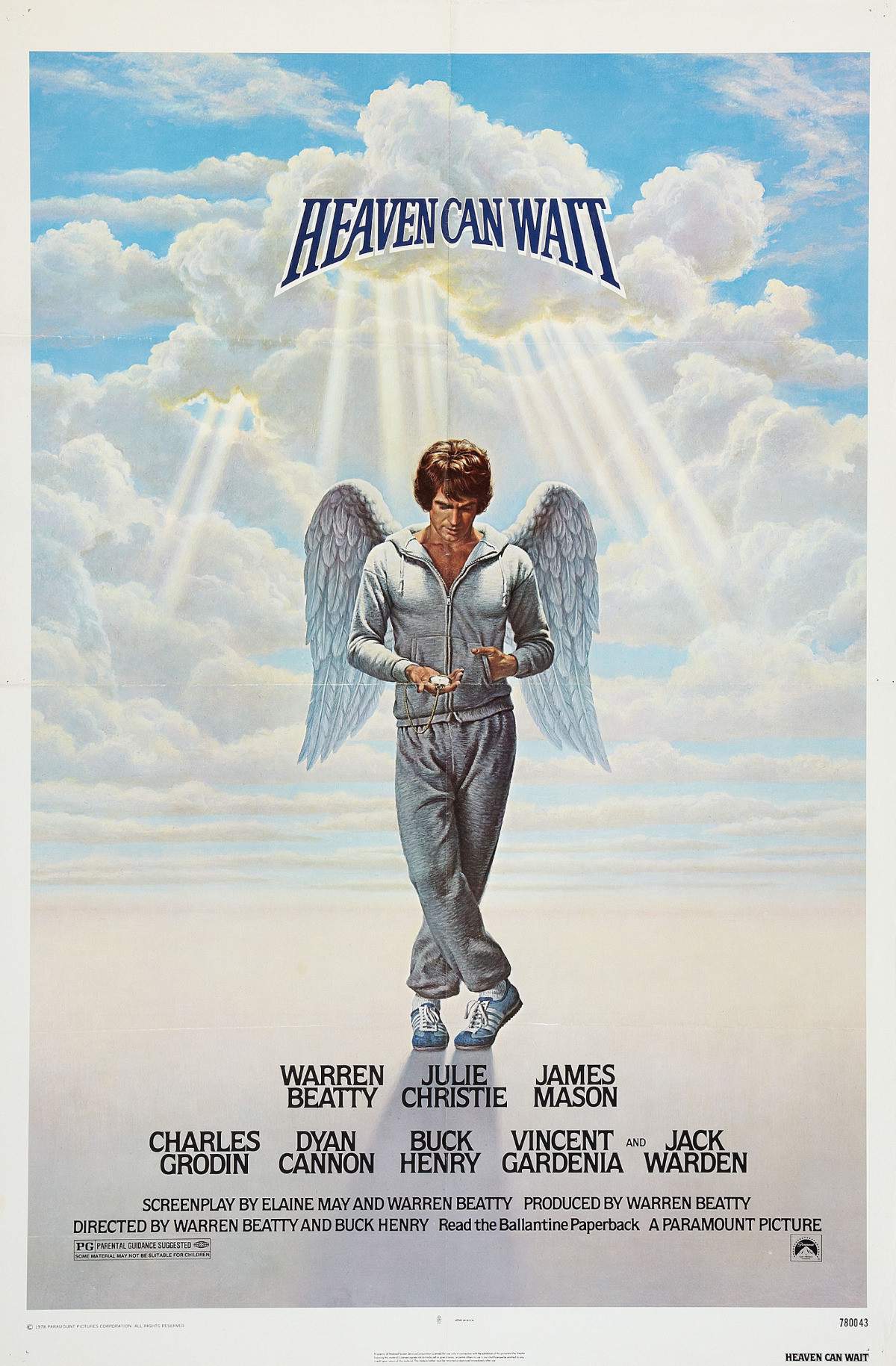
Heaven Can Wait (1943) movie poster

Characters & Themes

Heaven Can Wait (1943) Characters, Setting & Themes Explained

Release, runtime and language
1943 · 112 mins · English
Loading streaming availability…
Directed by
Ernst Lubitsch
Starring
Don Ameche, Florence Bates, Claire Du Brey, Scotty Beckett, James Flavin, Louis Calhern

He lives by a creed of love, honor, and obedience, but the decadent playboy Henry van Cleve dies and finds himself at Hell’s gates, convinced he belongs there. The devil doubts his worthiness. Henry reviews his life—his lavish excesses, a 25‑year marriage to Martha, and a moment of infidelity—hoping that a higher authority will deliver a fair judgment.

On this page (8)
  1. 1 Where to watch
  2. 2 Characters explained (8)
  3. 3 Where & when it takes place
  4. 4 Themes & meaning (3)
  5. 5 Character & meaning questions
  6. 6 Movie threads
  7. 7 Movies like Heaven Can Wait
  8. 8 Every angle
Loading streaming availability…

8 main characters · contains spoilers

Heaven Can Wait Characters Explained: Who Is Who

The main characters of Heaven Can Wait (1943), heroes and villains: what drives them, how they change over the course of the story and what each of them reveals about the film's bigger ideas.

  • Henry Van Cleve (Don Ameche)

    The spoiled, wealthy heir who narrates his own dissolute life. He is witty, self-justifying, and relentlessly self-centered, yet the story reveals his capacity for charm and tenderness toward his family. His behavior fuels a lifelong tension between desire, propriety, and responsibility.

    • 💎 Aristocrat
    • 😏 Charm
    • 💔 Morally flawed
  • Martha Strabel Van Cleve

    played by Gene Tierney

    Henry's wife, descended from the feuding Strabels. Her marriage to Henry begins with romance but is strained by his infidelities, leading to separations and reconciliations. She embodies the moral center of the family and the consequences of Henry's actions.

    • 💍 Partner
    • 🧭 Moral center
    • 👩‍👧 Family
  • Hugo Van Cleve

    played by Charles Coburn

    Henry's grandfather, a self-made businessman who understands Henry better than his parents. He represents practical wisdom and generosity within a volatile family dynamic. His presence anchors the story's critique of wealth and lineage.

    • 🏛️ Patriarch
    • 🧠 Wise
    • 💬 Advisor
  • Bertha Van Cleve

    played by Spring Byington

    Henry's naive and status-conscious mother, part of the upper-crust milieu that shapes Henry's early life. Her behavior reflects the protective yet controlling nature of wealthy parenting in the era.

    • 🎀 Matriarch
    • 🏰 Wealthy
    • 👒 Social expectations
  • Peggy Nash

    played by Helene Reynolds

    A chorus girl whom Henry tries to manage or buy off, reflecting his willingness to distance himself from his own family’s concerns by controlling ventures outside marriage. Her presence underscores the theme of money influencing romance.

    • 🎭 Entertainer
    • 💵 Financial leverage
    • 🧭 Social catalyst
  • Jack Van Cleve

    played by Tod Andrews

    Henry and Martha's son, a young man navigating relationships of his own, including dating Peggy. His perspective provides a lens on how the previous generation's choices echo into the next.

    • 👦 Heir
    • 🕊️ Romance
    • 🧭 Legacy
  • Yvette ("Mademoiselle")

    played by Signe Hasso

    A mysterious showgirl encountered early in Henry's life, representing the allure and danger of glamour outside conventional marriage. Her encounter foreshadows Henry's ongoing entanglements.

    • 💃 Enchantress
    • 🕶️ Temptation
    • ✨ Glamour
  • Martha Strabel Van Cleve (young/family dynamics)

    A younger portrayal of Martha within the family critique, showing the interplay between personal independence and societal pressures. Her evolving relationship with Henry highlights the arc from elopement to reconciliation and loss.

    • 👩‍👧 Family
    • 💞 Romance
    • 🧭 Morality

Last updated: October 04, 2025 at 18:29

Was this helpful?

Setting

Where and When Does Heaven Can Wait Take Place?

The setting of Heaven Can Wait (1943): the year and time period, the places and locations, and how they shape the characters, the mood and the tension of the story.

Time period

1870s–1940s

The arc begins with Henry's birth in 1872 and covers the late 19th century through the early 20th century, highlighting gilded-age manners and social expectations. It moves through decades of evolving social norms, elopements, and family drama, ending in 1942 with Henry's death. The period encompasses the tail end of the Gilded Age, the Roaring Twenties, and the World War II era, all seen through a personal, ceremonial lens.

Location

New York City, Manhattan (Brentano's bookstore), Strable House, Kansas City, Afterlife reception area

The story unfolds primarily in New York City's high-society circles, anchored by Manhattan's affluent milieu. Key locations include the Brentano's bookstore where Henry pursues his mystery woman, and the Strable family estate where social life and family estrangement collide. The narrative later touches on Kansas City as Martha contemplates life with Henry, and culminates in a surreal afterlife reception area, hinting at a final, annex-like resting place.

  • 🗺️ Urban setting
  • 👑 Upper-class society
  • 🕰️ Historical era

Last updated: October 04, 2025 at 18:29

Was this helpful?

3 major themes

Heaven Can Wait Meaning: Themes & Message Explained

What is Heaven Can Wait (1943) really about? The emotional, social and philosophical themes the film keeps returning to, its symbolism and the message beneath the surface.

  • Romance & Infidelity

    Henry's love life drives much of the plot, from a first, reckless attraction to Martha to later affairs that threaten his marriage. The tension between desire and duty tests loyalties within a wealthy, judgment-happy circle. The story uses humor and pathos to question whether romantic entanglements can be reconciled with a moral life.

  • Wealth & Social Class

    Raised in privilege, Henry navigates the expectations of old-money society and its insistence on appearances. The Strable family dynamic and social rituals shape decisions, marriages, and reputations, illustrating how money and status constrain personal freedom. The plot critiques aristocratic vanity while revealing the comforts it affords.

  • Afterlife & Judgment

    The narrative pivots when Henry seeks admission to the afterlife, facing a stern, otherworldly examiner. The encounter blends satire with moral inquiry, implying that indulgence without remorse may not be enough for entry. The ending hints at consequences beyond mortal life and suggests a different fate awaiting him in the annex of the beyond.

Last updated: October 04, 2025 at 18:29

Was this helpful?

Character & theme questions

Heaven Can Wait Characters & Meaning: Your Questions Answered

The questions people ask about Heaven Can Wait (1943): who the characters really are, their relationships, what the symbols mean, where it takes place and what the movie is really about. Each answer contains spoilers.

Q1

Where is most of the story set?

Most of the story takes place in New York City's affluent high-society circles, particularly Manhattan's wealthy neighborhoods. Key locations include the Brentano's bookstore and the Strable family estate, with additional scenes in Kansas City and a surreal afterlife reception area.

  • new york city
  • manhattan
  • setting
  • high society
  • locations
Q2

What time period does the movie cover?

The movie spans roughly 70 years, beginning with Henry's birth in 1872 and ending with his death in 1942. It encompasses the tail end of the Gilded Age, the Roaring Twenties, and the World War II era, showing how social norms evolved across these decades.

  • 1870s
  • 1940s
  • time period
  • historical era
  • gilded age
  • roaring twenties
Q3

What is the main theme of romance and infidelity about?

The film explores the tension between romantic desire and marital duty through Henry's repeated infidelities and his complex 25-year marriage to Martha. It uses both humor and pathos to question whether a person can reconcile romantic entanglements with living a moral life.

  • romance
  • infidelity
  • marriage
  • love
  • desire
  • duty
Q4

How does wealth and social class shape the story?

Raised in privilege, Henry navigates the expectations of old-money society and its insistence on appearances. The Strable family dynamics and social rituals heavily influence decisions, marriages, and reputations, illustrating how money and status both constrain personal freedom and provide comfort.

  • wealth
  • social class
  • aristocracy
  • old money
  • society
  • status
Q5

What does the movie say about the afterlife?

When Henry seeks admission to the afterlife, he faces a stern otherworldly examiner. The encounter blends satire with moral inquiry, suggesting that indulgence without remorse may not be enough for entry. The ambiguous ending hints at a different fate awaiting him in an annex of the beyond.

  • afterlife
  • judgment
  • heaven
  • hell
  • moral
  • death
  • ending
Q6

Who is Henry Van Cleve?

Henry Van Cleve is the film's protagonist, a spoiled wealthy heir who narrates his own dissolute life. He is witty, self-justifying, and relentlessly self-centered, yet the story reveals his capacity for charm and tenderness toward his family, creating ongoing tension between desire, propriety, and responsibility.

  • henry van cleve
  • protagonist
  • main character
  • wealthy heir
Q7

Who is Martha and what is her role?

Martha Strabel Van Cleve is Henry's wife, descended from the feuding Strabel family. Their marriage begins with romance but is strained by Henry's infidelities, leading to periods of separation and reconciliation. She embodies the moral center of the family and directly experiences the consequences of Henry's actions.

  • martha strabel
  • wife
  • marriage
  • moral center
  • family
Q8

Who is Hugo Van Cleve and what does he represent?

Hugo Van Cleve is Henry's grandfather, a self-made businessman who understands Henry better than his parents do. He represents practical wisdom and generosity within the volatile family dynamic, anchoring the story's critique of wealth and lineage.

  • hugo van cleve
  • grandfather
  • wisdom
  • family
  • businessman
Q9

What is the overall tone of the movie?

The film has a bittersweet tone, exploring a life filled with love and charm yet marred by infidelity and an uncertain final judgment. The witty dialogue and retrospective lens prevent it from becoming heavy, though serious themes of marital strife and death remain present throughout.

  • tone
  • bittersweet
  • mood
  • style
  • humor
  • drama
Q10

Is the ending ambiguous?

Yes, the ending is deliberately ambiguous. Henry is denied entry to Hell, but he is also not fully admitted to Heaven. The film hints at a different fate awaiting him in an annex of the afterlife, suggesting a nuanced moral conclusion that refuses to deliver a simple judgment.

  • ending
  • ambiguity
  • conclusion
  • fate
  • judgment
  • heaven

Movie threads

More Movies Like Heaven Can Wait, by Mood & Story

Curated lists built around what makes Heaven Can Wait tick: the same mood, the same kind of story or the same emotional payoff. Each list explains why these movies belong together.

Movies with afterlife judgments like Heaven Can Wait

Stories where characters face a cosmic review of their life's choices. If you enjoyed the reflective journey and celestial court in Heaven Can Wait, you'll appreciate these movies. This collection features films where characters face a judgment or review of their lives, leading to bittersweet, thought-provoking narratives that explore themes of love, regret, and redemption in a similar tone.

  • afterlife
  • reflective
  • judgment
  • nostalgic
  • sentimental
  • somber
  • Tone: bittersweet, reflective, sentimental
  • Pacing: steady, flashback-driven
Why these movies?

The story pattern: Narratives typically begin at the endpoint—death or near-death—and use flashbacks to reconstruct a character's life. The central conflict is an internal, moral one, as the protagonist and a celestial arbiter debate the worth of their earthly existence, often leading to an ambiguous or nuanced conclusion.

Why they belong together: Movies are grouped here for their shared supernatural premise of post-mortem judgment and their focus on a reflective, character-driven story structure. They share a mix of witty charm and somber sentimentality, using a steady pace to explore complex themes of morality and memory.

Movies about charming rogues like the protagonist in Heaven Can Wait

Affectionate portraits of lovable scoundrels navigating society's expectations. Fans of Henry van Cleve's charismatic and flawed nature in Heaven Can Wait will find more to love here. Discover films featuring charming scoundrels whose lives are a mix of romance, wit, and gentle social satire, all exploring the tension between personal happiness and family or societal expectations.

  • witty
  • charming
  • social satire
  • romantic
  • nostalgic
  • upper class
  • Tone: witty, bittersweet, charming
  • Pacing: steady, character-driven
Why these movies?

The story pattern: The narrative follows a charismatic central character who challenges or ignores social mores, often through a series of episodic escapades or a long-term relationship. The conflict arises from the clash between their irresistible personality and the consequences of their actions, leading to a story that is both critical and fond of its hero.

Why they belong together: These movies are connected by their focus on a specific character archetype—the charming, flawed individual—and a tone that mixes romantic comedy with sophisticated social satire. They share a steady, conversational pacing and a medium emotional weight, finding humor and heart in moral complexity.

If you liked this

Movies Like Heaven Can Wait

Similar movies to Heaven Can Wait: the same genre, themes or kind of story. Each one comes with its own plot summary, timeline and ending explained.

Browse all movie summaries

Every angle

Heaven Can Wait (1943) Explained: Plot, Timeline & Characters

Everything about Heaven Can Wait in one place: what happens in the plot summary, the timeline in chronological order, the characters and meaning and a spoiler-free summary. What's After the Movie adds the cast, box office and post-credit scenes.

Coming soon on iOS and Android

The Plot Explained Movie Summary App

Plot summaries, endings explained and timelines on your phone. Catch up on any movie in minutes, save your favorites and never miss a twist again.

Be the first to know when we launch. Your email stays private, always.

Learn more about the app