Plot Explained Spoilers guaranteed!
Plot Explained

Browse by genre

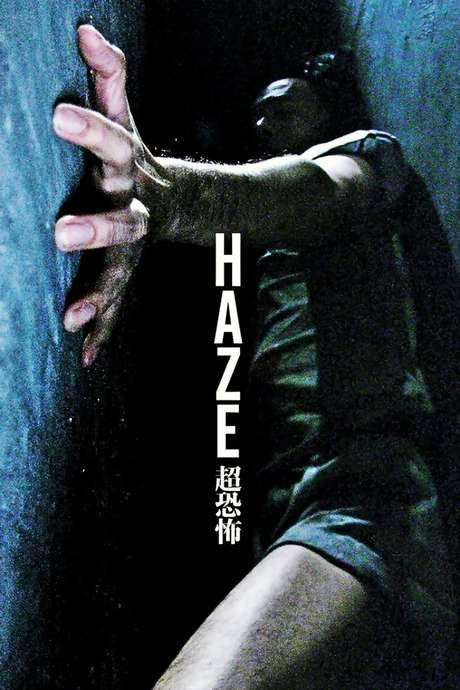
Haze (2005) movie poster

Plot Summary

Haze (2005) Plot Summary Explained

Release, runtime and language
2005 · 49 mins · Japanese
Loading streaming availability…
Starring
Shinya Tsukamoto, Masato Tsujioka, Takahiro Kandaka, Kaori Fujii, Takahiro Murase, Mao Saito

Bleeding and drugged, a man awakens in a filthy, cramped crawlspace with no memory of how he arrived. The tight confines give him barely enough room to move, and his stomach wound aches as he drifts in and out of awareness. Each attempt to find an exit brings greater pain and intensifies the terror and claustrophobia of his desperate situation.

On this page (6)
  1. 1 Where to watch
  2. 2 What happens: full plot
  3. 3 Plot questions answered
  4. 4 Movie threads
  5. 5 Movies like Haze
  6. 6 Every angle
Loading streaming availability…

Full plot summary · contains spoilers

What Happens in Haze: Full Plot Summary

The whole story of Haze (2005) explained, from the opening scene to the final frame: every key event, every twist and what it all adds up to. Read it as a quick recap before the sequel, to check a scene you missed, or to finally understand what really happened.

A man awakens in a small, concrete enclosure, suffering from a bleeding abdomen and lacking any memory of how he ended up there. As he struggles to move through the confined and torturous spaces, he eventually encounters a woman, and together they attempt to unravel the mysteries of their pasts.

The woman makes the courageous decision to escape by entering a ditch filled with murky water and severed bodies, and the man, driven by a mix of desperation and resolve, follows closely behind. As they navigate this perilous environment, an ominous growl echoes behind them, increasing the tension and urgency of their flight. The situation grows increasingly dire when they realize they must dive underwater to continue their escape.

Feeling discouraged and overwhelmed, the man pleads with her to turn back, but she remains resolute and refuses to abandon their quest. After some heartfelt discussion about the reasons behind their predicament, they share a fragile yet tender moment before plunging underwater to push forward.

In a visionary sequence, the man finds himself floating and suddenly spots a glimmer of light breaking through a closed hatch. Driven by instinct, he climbs and fights his way towards it, only to find himself bursting into the interior of a house in a fit of anger. As the scene shifts, he awakens flat on the floor, his abdomen bloodied once more. Nearby, he sees the woman's hand lying motionless, blood pooling around it while she weeps in distress. With a fierce determination to save her, he reaches for the phone and dials the emergency number.

Years later, the man, aged and weathered, rises from a sofa. On a nearby shelf rests a photograph of the woman, now aged but captured laughing joyfully in that moment. Venturing outside onto the rooftop, he stands in the warm sunlight, gently touching the clothes that are drying in the breeze.

In a poignant flashback, the scene reveals a young version of the man and woman, sitting side by side as they watch fireworks light up the night sky in the distance. He holds her hand, the two of them faintly smiling; however, the woman's eyes glisten with unshed tears, hinting at the weight of their shared experiences.

Last updated: October 02, 2026 at 03:21

Was this helpful?

Plot questions answered

Haze Plot Explained: Your Questions Answered

The questions people ask most about Haze (2005): what happens in the confusing scenes, why the characters do what they do, the twists, hidden details and what the ending means. Each answer contains spoilers.

Q1

Why can't the man remember how he ended up in the crawlspace?

The man was drugged and abducted before waking up in the concrete enclosure, which is why he has no memory of how he arrived. The same drug that caused his disorientation is also responsible for the bleeding wound on his abdomen, leaving him physically damaged and mentally unable to piece together the events leading to his imprisonment.

Foreshadowing: His drifting in and out of awareness from the very first scene signals that his senses cannot be trusted.

  • memory loss
  • drugged
  • abduction
  • crawlspace
  • disorientation
Q2

Who is the woman trapped with the man?

The woman is another victim of the same abduction, and she shares a pre-existing romantic relationship with the man that is only revealed in the closing flashback. The photograph on the shelf in the final act and the fireworks scene confirm that the two were a couple long before they were taken, which explains the trust and tenderness that develops between them inside the crawlspace.

  • woman
  • couple
  • relationship
  • abduction victims
  • photo
Q3

What is the growling creature chasing them?

The film deliberately keeps the source of the growls ambiguous, using the sound as a constant psychological threat rather than a fully revealed antagonist. It functions as a representation of the unseen danger lurking in the crawlspace, pushing the two characters to keep moving forward even when the only available path leads through a ditch of severed bodies.

  • growling
  • creature
  • threat
  • unseen danger
  • stalker
Q4

Why does the woman choose to enter the ditch filled with severed bodies?

She enters the murky water because it is the only available path forward, and remaining in place would leave them exposed to the growling threat behind them. Her willingness to wade through dismembered remains shows she has accepted that any escape requires facing the grotesque evidence of what has happened to other victims of the crawlspace.

  • ditch
  • severed bodies
  • escape route
  • murky water
  • courage
Q5

Why does the man want to turn back during the escape?

He is overwhelmed by pain from his abdominal wound, fear of the unknown, and the physical exhaustion of pushing through the cramped tunnels. The woman refuses to stop because the growling behind them makes retreat just as dangerous as moving forward, and her resolve forces him to keep going despite his doubt.

  • turn back
  • hesitation
  • fear
  • abdominal wound
  • resolve
Q6

What does the vision of the hatch and the light mean?

The vision represents a dreamlike or near-death state in which the man's consciousness reaches toward escape and safety. The light breaking through the closed hatch symbolizes hope, and his desperate climb toward it mirrors his psychological fight to survive before he is snapped back to the brutal reality of the crawlspace floor.

Foreshadowing: His drifting in and out of awareness hints that his perception of events cannot always be trusted.

  • vision
  • hatch
  • light
  • dream
  • near-death
  • hope
Q7

Why does the man burst into a house during the vision?

The house represents a return to the normal world, a place of safety and familiarity that his mind reaches for while his body is still trapped underground. The violent way he enters suggests the trauma of his experience is bleeding into what should be a sanctuary, turning even the idea of home into something charged with anger and pain.

  • house
  • vision
  • home
  • trauma
  • escape
Q8

What happened to the woman by the end of the crawlspace sequence?

When the man wakes on the floor, the woman is severely injured, with blood pooling around her outstretched hand as she weeps. The severity of her wounds suggests she bore the worst of the trauma during their escape, which is what drives the man to grab the phone and dial emergency services to save her life.

Foreshadowing: Her earlier willingness to push through the ditch foreshadows that she would take the physical cost of their escape onto herself.

  • woman injured
  • blood
  • weeping
  • emergency call
  • aftermath
Q9

Why does the man call emergency services at the end?

He dials the emergency number because the woman is bleeding out beside him and he is physically unable to stop the bleeding on his own abdomen. The phone call marks the only moment in the film where outside help becomes possible, pulling the story out of the sealed nightmare of the crawlspace and into the real world.

  • emergency
  • 911
  • phone call
  • rescue
  • survival
Q10

Did the man and woman survive the crawlspace?

Yes, both characters survive. The final scenes jump years into the future, showing the man as an elderly figure living with a photograph of the woman, who is shown young and laughing in the image, confirming that they both lived through the ordeal but were permanently marked by it.

  • survive
  • ending
  • years later
  • aftermath
  • outcome
Q11

What does the photograph of the woman mean in the final scene?

The photograph captures the woman in a moment of pure joy, serving as a tangible reminder of who she was before the trauma. For the aged man, it represents both enduring love and the life they were supposed to have, preserved as a single bright image against the darkness of what they endured in the crawlspace.

  • photograph
  • memory
  • love
  • keepsake
  • woman
Q12

Why does the ending show fireworks with the woman crying?

The flashback to the young couple watching fireworks captures a tender memory from before their abduction, a moment of peace that the trauma of the crawlspace can never erase. Her unshed tears in that scene hint at the tragedy to come and reinforce the bittersweet tone of the ending, where love survives but is forever shadowed by loss.

Foreshadowing: The tenderness between them in the fireworks scene is later mirrored in the crawlspace when they share a fragile moment before diving underwater.

  • fireworks
  • flashback
  • tears
  • young couple
  • memory
Q13

Is the crawlspace real or just a dream?

The crawlspace is presented as physically real because the man carries his abdominal wound from the tunnels into the final emergency scene, proving the experience happened to his body. The film layers dream, memory, and trauma on top of that reality, which is why the vision of the hatch and the house feels more like a dying moment than a literal transition.

  • real or dream
  • reality
  • non-linear
  • trauma
  • ambiguity
Q14

How did the man get the wound on his abdomen?

The wound is already present when he wakes up in the crawlspace and is never fully explained, suggesting it was inflicted during his abduction or as part of the cruelty of his imprisonment. It remains a constant source of pain that limits his movement and bleeds again after the escape, marking him as a survivor of deliberate violence rather than an accident.

  • abdominal wound
  • blood
  • injury
  • torture
  • captivity
Q15

Why does the aged man go to the rooftop in the final scene?

The rooftop provides an open, sunlit contrast to the suffocating crawlspace that defined his trauma. Touching the drying clothes in the breeze symbolizes a fragile return to normalcy and ordinary life, while the photograph of the woman on the shelf keeps her memory woven into his daily routine.

  • rooftop
  • sunlight
  • clothes
  • normalcy
  • survivor

Movie threads

More Movies Like Haze, by Mood & Story

Curated lists built around what makes Haze tick: the same mood, the same kind of story or the same emotional payoff. Each list explains why these movies belong together.

Bittersweet love stories inside horror like Haze

Stories where tender connection and heartbreak live side by side with the nightmare. Discover movies like Haze where horror, trauma, and quiet romance intertwine. These bittersweet films pair devastating scares and graphic body horror with tender relationships and heavy emotional weight. If you loved how Haze balances suffocating terror with melancholic love and aching loss, you will find your next favorite here.

  • bittersweet
  • tender
  • melancholic
  • romantic
  • haunting
  • sorrowful
  • Tone: bittersweet, melancholic
  • Pacing: variable, reflective
Why these movies?

The story pattern: These stories follow characters whose love is tested, fractured, or remembered through a haze of trauma, death, and horror. Non-linear timelines are common, with past relationships revealed as flashback, dream, or dying vision. The narrative often moves between moments of violence or dread and small, human gestures: holding hands, a photograph, a memory of fireworks. Endings tend toward bittersweet or melancholic, where love persists but loss is undeniable.

Why they belong together: These films share an emotional architecture where intimacy and horror are not opposites but partners. The relationship at the center gives the violence and confusion its emotional stakes, and the darkness gives the love its ache. Viewers experience a mix of terror, sadness, and unexpected tenderness, often with heavy emotional weight and complex, layered storytelling that lingers long after the credits.

If you liked this

Movies Like Haze

Similar movies to Haze: the same genre, themes or kind of story. Each one comes with its own plot summary, timeline and ending explained.

Browse all movie summaries

Every angle

Haze (2005) Explained: Plot, Timeline & Characters

Everything about Haze in one place: what happens in the plot summary, the timeline in chronological order, the characters and meaning and a spoiler-free summary. What's After the Movie adds the cast, box office and post-credit scenes.

Coming soon on iOS and Android

The Plot Explained Movie Summary App

Plot summaries, endings explained and timelines on your phone. Catch up on any movie in minutes, save your favorites and never miss a twist again.

Be the first to know when we launch. Your email stays private, always.

Learn more about the app