Year: 2006
Runtime: 65 min
Language: English
Director: Matthew Porterfield
During a summer in the Baltimore suburbs, seventeen-year-old Lena and twenty-year-old Joe unexpectedly become parents. Facing the complexities of raising a child, they confront the realities of responsibility and the challenges of adulthood. Their journey explores the transformative power of love and the profound changes that come with parenthood.
Warning: spoilers below!
Haven’t seen Hamilton yet? This summary contains major spoilers. Bookmark the page, watch the movie, and come back for the full breakdown. If you're ready, scroll on and relive the story!
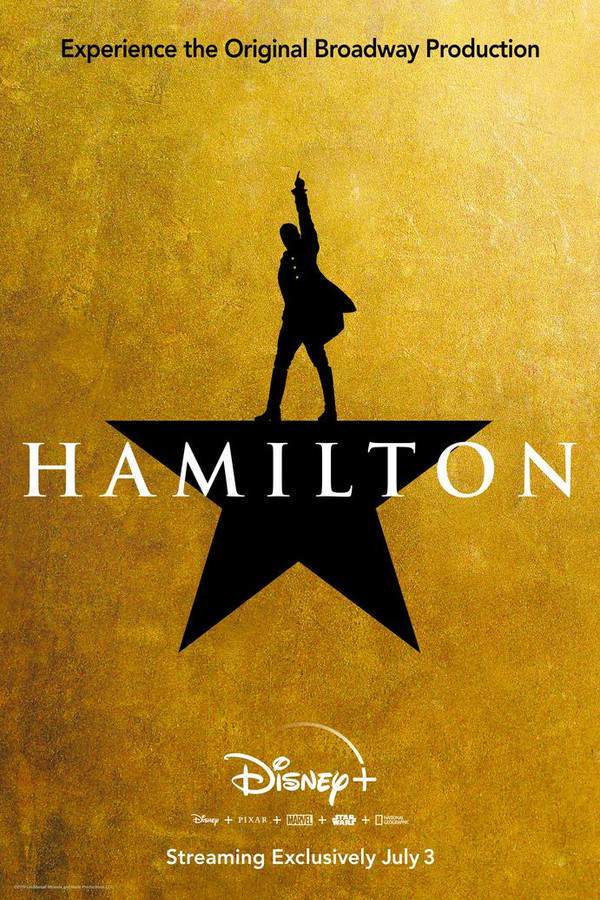
Trace every key event in Hamilton (2006) with our detailed, chronological timeline. Perfect for unpacking nonlinear stories, spotting hidden connections, and understanding how each scene builds toward the film’s climax. Whether you're revisiting or decoding for the first time, this timeline gives you the full picture.
Last updated: November 17, 2024 at 15:37
Find frequently asked questions about the Hamilton (2006) timeline, including chronological order, nonlinear jumps, cause-and-effect links, and scene sequence clarifications. This timeline FAQ helps explain when key events happen, how moments connect, and why the story unfolds in that specific order.
Hamilton supported Jefferson over Burr because he viewed Jefferson as the lesser of two evils. While Hamilton disagreed with many of Jefferson's political positions, he considered Burr to be morally bankrupt and dangerous - a man with no guiding principles who would do anything for power. This decision ultimately cost Burr his chance at the presidency and fueled his lifelong vendetta against Hamilton.
Burr's earlier comment that he would 'wait for it' while Hamilton took risks foreshadows his eventual betrayal.
Hamilton intentionally threw away his shot in the 1804 duel at Weehawken, choosing not to kill Burr. In his final moments, Hamilton reflected on his life's choices and could not bring himself to commit what would essentially be murder. He chose to let Burr's bullet strike him, viewing it as a kind of penance for his past ambitions and the many duels he had participated in or encouraged, including the one that killed his son Philip.
The film earlier shows multiple characters paying the ultimate price for duels, including Laurens and Philip.
Angelica loved Hamilton deeply but selflessly stepped aside when she realized Hamilton and Eliza had fallen in love. In 'Satisfied,' she explains that she chose her sister's happiness over her own desires, knowing that pursuing Hamilton would destroy her relationship with Eliza. Angelica married a man she did not love in Europe to satisfy family expectations, all while carrying her unrequited feelings for Hamilton.
The lyrics in 'Satisfied' reveal Angelica's internal conflict during the wedding toast, hinting at her unspoken love.
Hamilton admitted to the affair when James Reynolds, Maria's husband, threatened to expose him unless paid. Rather than face accusations of corruption and embezzlement (which would have been far more politically damaging), Hamilton chose to publish a pamphlet admitting to the affair but denying any financial misconduct. This honesty destroyed his reputation and severely strained his marriage to Eliza, but he believed it was the only way to protect his legacy.
Earlier scenes show Hamilton's reckless pursuit of pleasure despite his political responsibilities.
Philip Hamilton was killed in a duel with George Eacker in 1801. The confrontation arose after Philip defended his father's honor when Eacker criticized Alexander Hamilton in a public speech. During the duel, Philip was shot and died from his injuries. This tragedy brought Alexander and Eliza closer together in their shared grief, but it also hardened Hamilton's resolve regarding his political enemies, including Burr.
Hamilton's own history of duels and his encouragement of others to duel set the stage for Philip's fate.
Hamilton and Burr collaborated on the Federalist Papers in 1787-1788 to advocate for ratifying the U.S. Constitution. Despite their growing personal rivalry, Hamilton recognized Burr's legal skills and writing ability as valuable for the cause. Their partnership was purely political and practical - Hamilton needed help writing all 85 essays, and Burr was one of the most capable Federalist writers in New York at the time.
Early scenes show Burr and Hamilton drinking together, hinting at a once-cordial relationship before their rivalry intensified.
The rivalry developed gradually over years of political competition. Burr consistently outmaneuvered Hamilton in elections, and Hamilton viewed Burr as an opportunist with no core principles. The final break came when Hamilton secretly helped Jefferson win the presidency in 1800, preventing Burr from becoming president. This betrayal, combined with years of political slights and personal insults, led Burr to challenge Hamilton to a duel.
Burr's early line 'I am not the verse, not the son, I am not the hero in this story' hints at his resentment of Hamilton's glory.
Laurens' death in a minor skirmish in South Carolina devastated Hamilton. It intensified his hunger for glory and legacy, driving him to pursue ambitious political goals. The loss of his closest friend made Hamilton more determined to make his mark on history, contributing to his relentless work ethic and his later controversial political maneuvers. Laurens represented everything pure about the revolution to Hamilton.
The song 'Laurens' Last Shot' foreshadows his fate, and Hamilton's grief is shown through his increased dedication to his work.
Washington chose not to seek a third term because he believed two terms were enough to establish healthy precedents for the new nation. He was also exhausted from years of leadership during the revolution and his presidency, and he wanted to retire to Mount Vernon. Hamilton helped write Washington's famous Farewell Address, which warned against foreign entanglements and political parties.
Washington's earlier song 'History Has Its Eyes on You' hints at his understanding of his place in history.
Hamilton's obsessive work ethic stemmed from his desperate need to prove himself and secure his legacy. As an orphan who arrived in America with nothing, he feared being forgotten. This drove him to write constantly, attend every Senate session, and pursue ambitious political goals, often at the expense of family time. His work on the national bank and other projects consumed him, leading Eliza to plead with him to 'take a break' in the song of the same name.
Hamilton's opening song 'Alexander Hamilton' establishes his fear of being forgotten as the central motivation of his life.
Eliza burned Hamilton's letters in a moment of profound betrayal and grief after discovering his affair with Maria Reynolds. This act represented her attempt to erase the evidence of their intimate correspondence and protect her family's honor. However, in the film's epilogue, Eliza recounts that she preserved one letter, and she ultimately dedicated her life to preserving Hamilton's legacy, proving her enduring love despite his infidelity.
Earlier songs show the deep romantic connection between Hamilton and Eliza, making her betrayal feel more devastating.
After Hamilton's death, Eliza dedicated the rest of her life to safeguarding and promoting his legacy. She established the first private orphanage in New York, funded various memorials, and collected documents and stories about Hamilton's life. In the final song, she promises to 'tell your story' - ensuring that future generations would remember not just Hamilton's flaws, but his contributions to founding America.
The epilogue shows Eliza's commitment to preserving Hamilton's memory, completing the cycle of his legacy.
Aaron Burr lost his 1791 Senate race to Philip Schuyler (Eliza's father) because Hamilton actively worked against him. Hamilton viewed Burr as a dangerous political opponent and convinced Federalists to support Schuyler instead. This loss deepened Burr's resentment toward Hamilton and contributed to the personal and political vendetta that would eventually lead to the fatal duel.
Early scenes show the tension between Hamilton and Burr's differing approaches to politics.
Discover curated groups of movies connected by mood, themes, and story style. Browse collections built around emotion, atmosphere, and narrative focus to easily find films that match what you feel like watching right now.
Grand narratives where the price of building a legacy is paid in personal tragedy.If you liked Hamilton's blend of revolutionary scale and intimate tragedy, explore more movies like it. This list features historical dramas where grand ambitions and nation-building are balanced with heavy emotional weight and bittersweet outcomes for the characters.
Stories in this thread often follow ambitious figures whose public successes come at immense personal expense. The narrative spans years or decades, showing the rise of an empire, movement, or legacy, while simultaneously charting a decline in personal fortune through betrayal, loss, or isolation.
They are grouped by their shared experience of grandeur marred by melancholy, offering a complex emotional mix of inspiration and sorrow. The pacing is often fast or variable to cover sprawling timelines, but the emotional core remains heavy and reflective.
Intense stories where fierce ambition fuels both great achievements and bitter rivalries.Find movies similar to Hamilton that capture its energetic pace and focus on political ambition and intense rivalry. These stories share a complex narrative, high stakes, and a dramatic exploration of how competition shapes history and personal fate.
The narrative pattern involves a rapid ascent driven by talent and ambition, which is quickly met with an equally formidable rival. The conflict between these forces drives the plot, often involving public debates, strategic maneuvers, and a climax where the rivalry reaches a destructive peak.
They share a specific mix of fast pacing, high intensity, and complex character dynamics focused on ambition. The tone is urgent and often bittersweet, as the very drive that leads to success also sows the seeds of personal downfall or tragic conflict.
Don't stop at just watching - explore Hamilton in full detail. From the complete plot summary and scene-by-scene timeline to character breakdowns, thematic analysis, and a deep dive into the ending - every page helps you truly understand what Hamilton is all about. Plus, discover what's next after the movie.
Read a complete plot summary of Hamilton, including all key story points, character arcs, and turning points. This in-depth recap is ideal for understanding the narrative structure or reviewing what happened in the movie.
Discover the characters, locations, and core themes that shape Hamilton. Get insights into symbolic elements, setting significance, and deeper narrative meaning - ideal for thematic analysis and movie breakdowns.