













Plot Explained Spoilers guaranteed!
Plot Explained

Browse by genre

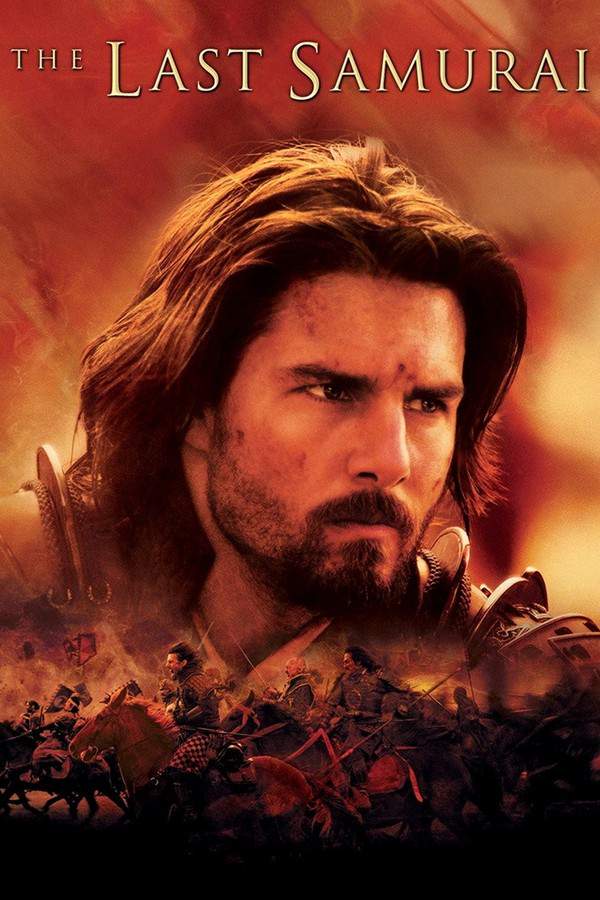
The Last Samurai (2003) movie poster

Characters & Themes

The Last Samurai (2003) Characters, Setting & Themes Explained

Release, runtime and language
2003 · 154 min · English
JustWatch #835 125
Directed by
Edward Zwick
Starring
Ken Watanabe, Billy Connolly, Tom Cruise
Budget
$140M

During the era of the Meiji Restoration in Japan, a disillusioned American Civil War veteran is hired to train the new Imperial army. He soon becomes immersed in the Samurai culture, finding himself caught between his loyalty to the Emperor and his growing respect for the traditional warrior ways. A clash of cultures and eras unfolds, challenging his beliefs and forcing him to confront his own sense of honor and purpose amidst a changing nation.

On this page (9)
  1. 1 Where to watch
  2. 2 Characters explained (4)
  3. 3 Where & when it takes place
  4. 4 Themes & meaning (3)
  5. 5 Character & meaning questions
  6. 6 Movie threads
  7. 7 Movies like The Last Samurai
  8. 8 Categories
  9. 9 Every angle

Where to watch

Where to Watch The Last Samurai (2003)

Where can you watch The Last Samurai? Stream, rent or buy it in the US, including on fuboTV, HBO Max and MGM Plus: current JustWatch availability with up-to-date prices.

Streaming availability powered by JustWatch

4 main characters · contains spoilers

The Last Samurai Characters Explained: Who Is Who

The main characters of The Last Samurai (2003), heroes and villains: what drives them, how they change over the course of the story and what each of them reveals about the film's bigger ideas.

  • Nathan Algren

    played by Tom Cruise

    Nathan Algren is a conflicted former U.S. Army Captain grappling with the traumas of his past. Initially cynical and troubled by his experiences in warfare, he undergoes significant growth as he immerses himself in Japanese culture. Algren's evolution reflects his struggle between honor and survival, ultimately leading him to embrace the samurai way of life.

    • 🪖 Soldier
    • 🇺🇸 American
    • 💔 Redeemer
  • Katsumoto

    Katsumoto is the resolute leader of the samurai, embodying the spirit of honor and tradition. He serves as both a mentor and a moral compass for Algren, guiding him through the complex world of samurai values. Katsumoto's commitment to his people and his willingness to embrace seppuku as a final act of defiance emphasize his deep sense of duty and honor.

    • ⚔️ Samurai
    • 🇯🇵 Leader
    • 🌸 Traditionalist
  • Taka

    Taka is Katsumoto's sister, who plays a crucial role in aiding Algren's transformation. Initially hostile toward him for his past actions, she becomes a mentor and source of comfort. Taka's strength and compassion help heal Algren's emotional scars, while their bond evolves into a profound connection that illustrates the theme of love amid chaos.

    • 💖 Mentor
    • 👩‍❤️‍👨 Compassionate
    • 🌺 Strong
  • Sergeant Zebulon Gant

    played by Billy Connolly

    Sergeant Zebulon Gant is Algren's loyal friend and fellow soldier, providing camaraderie and support throughout their endeavors. His experience and perspective on military life contrast with Algren's evolving views, representing the struggle between duty and personal growth. Gant's fate becomes a catalyst for Algren's deeper commitment to the samurai cause.

    • 🤝 Loyal
    • 🌍 Friend
    • 🪖 Veteran

Last updated: October 22, 2024 at 22:38

Was this helpful?

Setting

Where and When Does The Last Samurai Take Place?

The setting of The Last Samurai (2003): the year and time period, the places and locations, and how they shape the characters, the mood and the tension of the story.

Time period

1876

The story is set in 1876, a tumultuous time for Japan as it navigates modernization. This period marks the Meiji Restoration, where Japan sought to adopt Western practices while struggling to maintain its unique cultural identity. The clash of samurai traditions against the backdrop of an emerging imperial army highlights the conflicts of this era.

Location

Japan, Imperial City, Katsumoto's Village

The movie is primarily set in Japan during a transformative cultural period. Katsumoto's Village, where much of the character development occurs, is a serene and traditional space, reflecting the samurai's way of life. The Imperial City symbolizes the burgeoning modernization of Japan, showcasing the clash between tradition and progress.

  • 🏯 Japan
  • 🏙️ Imperial City
  • 🌄 Village

Last updated: October 22, 2024 at 22:38

Was this helpful?

3 major themes

The Last Samurai Meaning: Themes & Message Explained

What is The Last Samurai (2003) really about? The emotional, social and philosophical themes the film keeps returning to, its symbolism and the message beneath the surface.

  • Honor

    Honor is a central theme in 'The Last Samurai,' manifesting through the samurai's code and their commitment to their way of life. This theme challenges characters like Algren, who must confront their values in the face of modern warfare and personal redemption. Algren's journey involves learning to respect a culture that prioritizes honor over mere survival.

  • Cultural Clash

    The film intricately explores the theme of cultural clash as it juxtaposes the samurai's traditional values against the encroaching forces of Western modernization. Algren's transformation reflects a deeper understanding of the need to harmonize these two worlds. The narrative underscores the importance of recognizing and preserving cultural heritage amidst change.

  • Redemption

    Redemption is a poignant theme throughout the film, particularly for Algren, who seeks to atone for his past actions as a soldier. His journey to learn the way of the samurai symbolizes his quest for personal salvation. The relationships he forms, especially with Taka, highlight the healing power of love and understanding.

Last updated: October 22, 2024 at 22:38

Was this helpful?

Character & theme questions

The Last Samurai Characters & Meaning: Your Questions Answered

The questions people ask about The Last Samurai (2003): who the characters really are, their relationships, what the symbols mean, where it takes place and what the movie is really about. Each answer contains spoilers.

Q1

Where is The Last Samurai set?

The movie is set primarily in Japan, spanning two key locations: Katsumoto's Village, a serene traditional space that reflects the samurai's way of life, and the Imperial City, which symbolizes Japan's burgeoning modernization. This contrast between the two settings underscores the central conflict between tradition and progress.

  • japan
  • katsumoto village
  • imperial city
  • setting
  • locations
Q2

When does The Last Samurai take place?

The story is set in 1876 during the Meiji Restoration, a transformative period in Japanese history when Japan sought to modernize by adopting Western practices while struggling to maintain its cultural identity.

  • 1876
  • meiji restoration
  • time period
  • historical era
  • 19th century japan
Q3

What was the Meiji Restoration depicted in the film?

The Meiji Restoration was Japan's rapid modernization period in the late 19th century, when the Emperor was restored to power and Japan aggressively adopted Western technology and military practices. The film portrays the violent clash between this modernization push and the traditional samurai warrior class, whose way of life was being systematically dismantled.

  • meiji restoration
  • modernization
  • japan history
  • emperor
  • westernization
Q4

What does The Last Samurai say about honor?

Honor is the central theme of the film, embodied by the samurai's rigid code of conduct. The film challenges Algren, and the audience, to confront what it truly means to live with honor, not through conquest or survival, but through principle, sacrifice, and respect for one's enemies. Even the film's antagonists display a twisted form of honor in service of progress.

  • honor
  • samurai code
  • bushido
  • values
  • moral compass
Q5

How does The Last Samurai explore cultural clash?

The film intricately juxtaposes samurai traditional values against Western modernization. Algren's transformation from a cynical soldier to someone who embraces the samurai way represents the possibility of bridging these two worlds. The narrative suggests that cultural heritage must be recognized and preserved even amid necessary change, warning against blind adoption of progress that destroys what makes a culture unique.

  • cultural clash
  • modernization
  • tradition
  • western influence
  • japanese culture
Q6

What is the theme of redemption in The Last Samurai?

Redemption drives Algren's personal journey throughout the film. Haunted by his past actions as a soldier in the Indian Wars and the Civil War, he seeks atonement through his immersion in Japanese culture. His relationship with Taka and his eventual acceptance into the samurai clan symbolize his quest for personal salvation and a meaningful purpose beyond mere survival.

  • redemption
  • personal growth
  • atonement
  • algren journey
  • healing
Q7

Who is Nathan Algren in The Last Samurai?

Nathan Algren is a former U.S. Army Captain portrayed by Tom Cruise, who is hired to train Japan's new Imperial army. Initially cynical and troubled by the traumas of warfare, he undergoes significant growth when he becomes immersed in samurai culture. His journey represents the clash between Western pragmatism and Eastern honor, as he ultimately chooses the samurai way over his original mission.

  • nathan algren
  • tom cruise
  • protagonist
  • captain
  • american soldier
Q8

Who is Katsumoto in The Last Samurai?

Katsumoto is the noble leader of the samurai who opposes the Imperial government's modernization policies. He serves as both mentor and moral compass for Algren, teaching him the ways of the samurai. His unwavering commitment to honor and his people, culminating in his decision to commit seppuku as an act of defiance, makes him the spiritual heart of the film.

  • katsumoto
  • samurai leader
  • mentor
  • chief
  • tradition
Q9

Who is Taka in The Last Samurai?

Taka is Katsumoto's sister who initially resents Algren for his role in killing samurai soldiers. She becomes his mentor and source of emotional healing, helping him understand Japanese culture on a deeper level. Their relationship evolves into a profound connection that exemplifies the theme of love and understanding transcending wartime enmity.

  • taka
  • katsumoto sister
  • love interest
  • healing
  • compassion
Q10

What is the significance of Katsumoto's Village in the film?

Katsumoto's Village serves as the film's emotional center, representing the idealized traditional Japan that is destined to disappear. It is where Algren undergoes his transformation, learning bushido and finding purpose. The village's serene beauty contrasts sharply with the Industrial Imperial City, making its eventual destruction all the more poignant as a symbol of lost cultural heritage.

  • katsumoto village
  • traditional japan
  • samurai home
  • cultural heritage
Q11

What does the Imperial City represent in The Last Samurai?

The Imperial City represents the forces of modernization and progress that are sweeping through Japan. It is where Western technology, industrial weaponry, and new military tactics are concentrated. The city embodies the government's push to transform Japan into a world power, even if that transformation requires destroying centuries of tradition and the samurai who represent it.

  • imperial city
  • tokyo
  • modernization
  • industrial japan
  • government

Movie threads

More Movies Like The Last Samurai, by Mood & Story

Curated lists built around what makes The Last Samurai tick: the same mood, the same kind of story or the same emotional payoff. Each list explains why these movies belong together.

Movies of spiritual awakening and culture clash like The Last Samurai

Characters finding redemption and a new identity by immersing in a foreign culture. If you appreciated the journey of cultural immersion in The Last Samurai, explore movies where characters find redemption and purpose by embracing a foreign way of life. These stories often feature epic settings, heavy emotional weight, and a deep respect for tradition amidst inevitable change.

  • spiritual
  • respectful
  • epic
  • honor-bound
  • conflicted
  • tragic
  • Tone: bittersweet, respectful, melancholic
  • Pacing: steady, epic
Why these movies?

The story pattern: The narrative follows a protagonist, often from a modern or 'civilized' background, who is initially an antagonist or observer of a traditional culture. Through immersion, they undergo a spiritual and moral re-education, forging deep bonds and ultimately finding their loyalty divided between their old life and their newfound sense of honor and family.

Why they belong together: These films are grouped together by their core theme of personal transformation through cultural immersion. They share a heavy emotional weight, a bittersweet tone due to the often-tragic fate of the traditional culture, and a focus on themes of redemption, honor, and identity.

Epic stories of tragic honor and sacrifice like The Last Samurai

Epic stories where noble ideals are upheld at a great, personal cost. For viewers who valued the themes of honor and sacrifice in The Last Samurai, this collection features movies where characters face overwhelming odds for a noble cause. Expect high-stakes drama, intense battle sequences, and endings that are bittersweet yet deeply respectful of the characters' choices.

  • tragic
  • honor-bound
  • melancholic
  • epic
  • cathartic
  • respectful
  • Tone: bittersweet, tragic, honorable
  • Pacing: steady, building climax
Why these movies?

The story pattern: The plot revolves around a group or individual clinging to a rigid code of honor in the face of an unstoppable, modernizing force. The narrative builds steadily towards a climactic confrontation where victory is measured not by survival, but by the integrity of the sacrifice. The ending acknowledges the tragedy of loss while celebrating the enduring legacy of their principles.

Why they belong together: This thread connects films through their shared core of tragic heroism. They possess a high intensity, a steady pacing that builds toward a fateful climax, and a uniformly bittersweet ending feel that stems from honoring a lost cause with dignity.

If you liked this

Movies Like The Last Samurai

Similar movies to The Last Samurai: the same genre, themes or kind of story. Each one comes with its own plot summary, timeline and ending explained.

Browse all movie summaries

Categories

Movie Lists Featuring The Last Samurai

The Last Samurai appears in these hand-built movie categories. Each one groups movies by a specific mood, theme or story type, with their plot summaries and endings explained.

View all movie categories

Every angle

The Last Samurai (2003) Explained: Plot, Timeline & Characters

Everything about The Last Samurai in one place: what happens in the plot summary, the timeline in chronological order, the characters and meaning and a spoiler-free summary. What's After the Movie adds the cast, box office and post-credit scenes.

Coming soon on iOS and Android

The Plot Explained Movie Summary App

Plot summaries, endings explained and timelines on your phone. Catch up on any movie in minutes, save your favorites and never miss a twist again.

Be the first to know when we launch. Your email stays private, always.

Learn more about the app