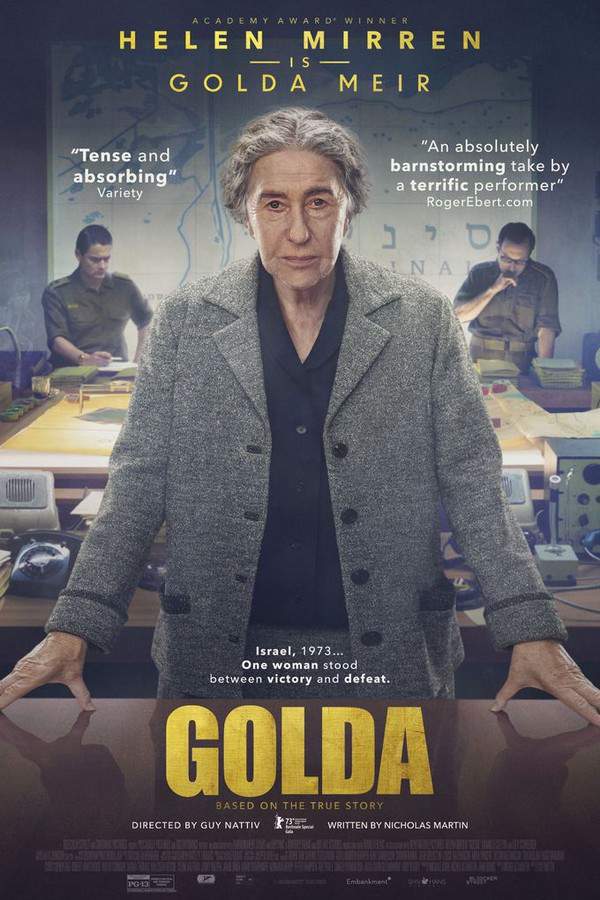
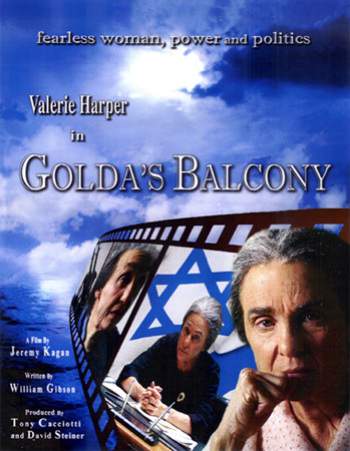
In October 1973, Mossad receives intelligence arguing that Egypt and Syria are preparing to launch a military campaign against Israel, and this information is promptly passed to Golda Meir, the Israeli prime minister. She greets the warning with caution, recognizing that she cannot mount a counter-plan without the support of her defense minister, Moshe Dayan, who shares a similar sense of doubt.
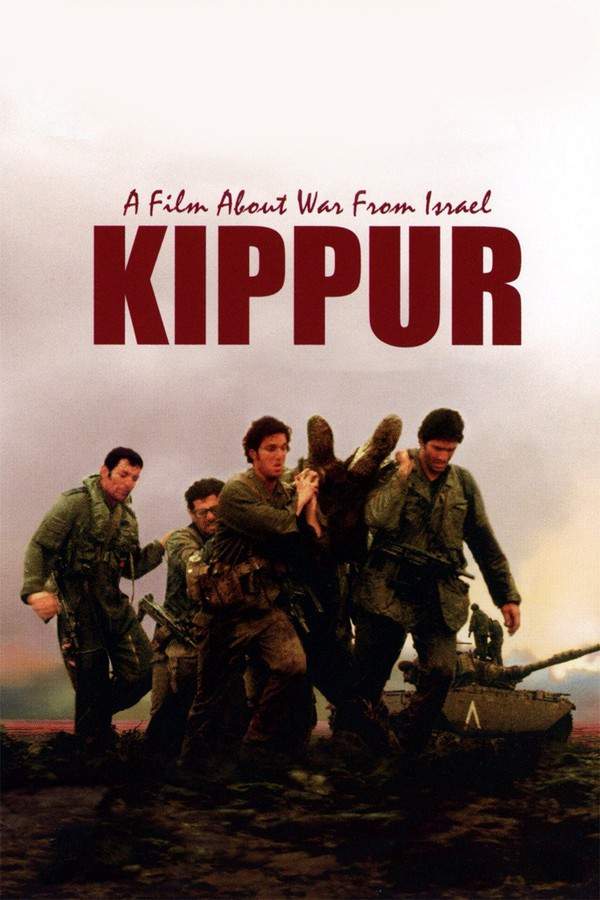
On 6 October, Yom Kippur opens with a sudden alert from Golda’s inner circle: Egypt has massed a large force opposite the Suez Canal, and hostilities could begin by sundown. Realizing how late Israel is to respond, she orders a partial mobilization rather than a full pre-emptive strike; the surprise attack still catches Israel off guard and proves more aggressive than expected. Meanwhile, Moshe Dayan—who had been surveying the Golan Heights—discovers that Syria has launched a major offensive against Israeli forces and feels deeply unsettled. He contemplates resignation, but Golda urges him to stay, even as her confidence in him falters.
Between 7–8 October, as Egypt and Syria press their advances, IDF chief of staff Lt. Gen. David Elazar proposes to pull back from exposed Sinai fortifications by deploying the 162nd Division led by Maj. Gen. Avraham Adan. Despite opposition from Zvi Zamir, Mossad’s chief, the plan moves forward, and the Israeli position in the Sinai is nonetheless tested and defeated by Egyptian forces. The following day, with the Syrian offensive easing, Dayan pushes for an air strike on Damascus to pressure Egypt. Yet a shortage of aircraft limits options, and Golda turns to U.S. Secretary of State Henry Kissinger to secure surplus jets, which he reluctantly provides.
As tensions escalate, Maj. Gen. Ariel Sharon proposes a bold plan to cross the canal with the 143rd Division to challenge the Egyptian Second and Third Armies. Zvi Zamir warns that the Egyptian 4th and 21st Divisions would cross within two days, potentially leaving Cairo exposed to an Israeli thrust. The Egyptians respond by advancing across the canal, meeting stiff resistance from Israeli armored forces under Lt. Gen. Haim Bar-Lev, yet they are repelled.
On 15 October, Sharon’s forces cross at an undefended point known as the “Chinese Farm.” They hold their ground despite ambushes, while Elazar prepares to seal off Suez from Cairo to compel Egypt into negotiations. Concurrently, Kissinger privately visits Golda and urges a ceasefire, but Golda presses ahead with a plan that ultimately pushes Egypt toward talks.
By the twentieth day, the two sides agree to continue talks and to exchange POWs, effectively slowing the fighting. However, Zvi Zamir privately reveals that IDF intelligence chief Maj. Gen. Eli Zeira failed to monitor Egyptian signals, allowing Israel to be caught off guard. Appalled, Golda accepts responsibility to shield the IDF from criticism. The war exacts a heavy emotional toll on the aging leader, who is later diagnosed with cancer.
One year later, in 1974, Chairman Agranat Commission proceedings begin as Golda testifies about her conduct during the war. She notes, off the record, that while she initially doubted, she genuinely believed the war was likely. Four years after that, on 8 December 1978, Golda dies bedridden while watching footage of her meeting with Egyptian president Anwar Sadat from the previous year.
The film’s closing monologue states that the commission clears Golda of any wrongdoing and that she lived to witness the Camp David Accords, the first formal steps toward peace between Israel and its Arab neighbors.