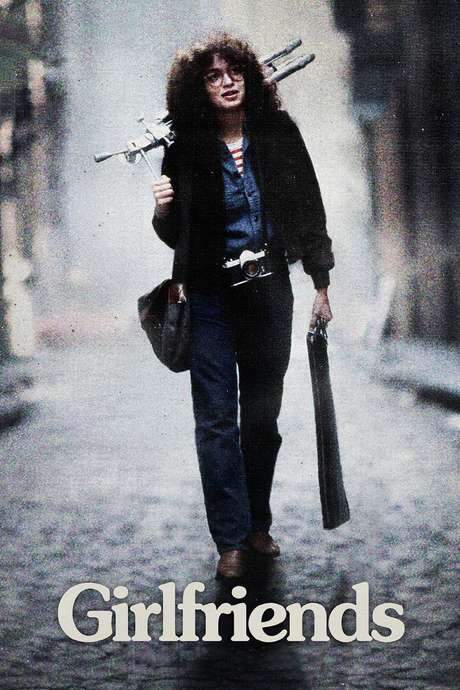
Photographer Susan Weinblatt Melanie Mayron supports herself by shooting baby pictures, weddings, and bar mitzvahs while she dreams of a gallery exhibit that will finally showcase her own artistic voice. She shares a compact apartment on Manhattan’s Upper West Side with her best friend, Anne Munroe Anita Skinner, an aspiring writer who is always chasing the next creative milestone. After selling three photographs to a magazine, Susan feels like she has stepped away from the world of portraits and wedding keepsakes—a shift that she hopes will anchor her future in fine art rather than commercial work. Yet life quietly begins to unravel when Anne moves out and marries her boyfriend, Martin Bob Balaban, leaving Susan to navigate the newly unsettled space in her daily routine and in her career, while she grapples with how to sell more of her photographs and gain the gallery exposure she craves.
In the midst of these changes, Susan develops a fascination with Rabbi Gold Eli Wallach, who oversees the bar mitzvahs and weddings she photographs. Their attraction gives way to a kiss, but the moment they attempt to take their connection further is complicated by an unexpected encounter with the rabbi’s wife and young son, which cools the heat between them and adds a layer of moral tension to Susan’s professional ambitions. This entanglement unfolds alongside her efforts to crack the gallery market: a clever misstep earns her a meeting with a gallery owner, which then leads to a recommendation to another gallerist who finally agrees to stage her own show. Amid these professional strides, Susan also starts a romance with Eric Christopher Guest, a man she meets at a lively house party, further widening the circle of friends and confidants who orbit her growing independence.
As the personal and professional dimensions collide, Susan finds herself at odds with Anne, who feels left behind by her friend’s drive and newfound autonomy, while Susan grows frustrated with Anne’s marriage and motherhood, sensing a different path she might never choose for herself. The friction deepens as Susan and Eric clash over whether she should give up her own apartment to move in with him, exposing how each of them values personal space and independence in a relationship that is still finding its footing. The gallery show becomes a culmination of these tensions, drawing in Susan’s broader social network even as Anne remains conspicuously absent—her absence explained only by Martin, who reveals that Anne has chosen a solitary trip to the countryside to focus on her work.
Seeking a quiet space to reflect, Susan heads to the countryside herself, where Anne makes a surprising, intimate confession: she had an abortion that very morning, a choice she explains as a difficult, deeply personal decision about not wanting more children. The two women share a moment of unguarded honesty, punctuated by tequila shots and a game or two, as they navigate forgiveness, sisterhood, and the uncertain path forward. Their reconciliation, however, is interrupted by Martin’s arrival, forcing them back into the external world where decisions about art, love, and life weigh heavily on all of them. In the end, the film threads together the tension between artistic ambition and personal choice, portraying a woman who refuses to be defined solely by relationships or conventional timelines, and who insists on shaping her own narrative—even when the roads she travels are complicated, messy, and deeply human.