





















Year: 2015
Runtime: 115 min
Language: Hebrew
Directors: Ronit Elkabetz, Shlomi Elkabetz
In Israel, where religious authorities dictate marriage and divorce proceedings, Viviane Amsalem seeks to end her marriage. For years, she has struggled to obtain a dissolution from her husband, Elisha, who refuses to grant her a divorce. As the case progresses, the judges are confronted with the complexities and absurdities of the legal system. The situation escalates, revealing a tragic struggle for freedom and highlighting the profound personal toll of religious law.
Warning: spoilers below!
Haven’t seen Gett: The Trial of Viviane Amsalem yet? This summary contains major spoilers. Bookmark the page, watch the movie, and come back for the full breakdown. If you're ready, scroll on and relive the story!
Read the complete plot breakdown of Gett: The Trial of Viviane Amsalem (2015), including all key story events, major twists, and the ending explained in detail. Discover what really happened—and what it all means.
Viviane Amsalem, portrayed by Ronit Elkabetz, has spent more than twenty years in marriage with her husband, Elisha, played by Simon Abkarian. Seeking her independence, Viviane approaches a religious court to obtain a gett, as the couple has been living apart and she no longer wishes to remain married to him. Despite Elisha’s hope for reconciliation and his request for her to return home, the court of rabbis mandates a trial reunion for the pair, which Viviane endeavors to undertake.
As time passes, her attempts to make the marriage work are overshadowed by deep-seated discord, prompting her to firmly stand for separation and initiating the divorce trial. Over several years, Viviane’s quest for freedom becomes increasingly strenuous, with Elisha consistently stalling the process. While he attempts to present himself as a dedicated husband and devout individual, testimonies from witnesses uncover a different story—revealing Elisha’s vengefulness and Viviane’s long-standing discontent in their relationship.
Tensions escalate when Elisha’s brother, who serves as his representative, claims that Viviane’s lawyer, Carmel, harbors feelings for her, igniting a feud between the two brothers. As Elisha seeks to evade more court appearances, he is ultimately held in contempt of court. After much back-and-forth, he reluctantly agrees to end the marriage only if the rabbinical panel mandates it. Yet, even when the panel intervenes, he refuses to consent to the divorce.
After a while, Viviane and Elisha make their way back to court, having seemingly reached a divorce agreement. Witnesses gather to sign the gett, and the rabbis present the document to Elisha, instructing him to hand it to Viviane. However, during the proceedings, Elisha falters, hesitating to declare that Viviane is free to pursue other relationships. This results in the couple being ejected from the court.
In a desperate last plea, Elisha requests a private moment with Viviane, proposing that he will grant her the divorce if she vows never to engage with another man. After some reflection, Viviane makes the promise, leading them back to the courtroom to finally complete their divorce proceedings.
Last Updated: November 16, 2024 at 18:20
Discover curated groups of movies connected by mood, themes, and story style. Browse collections built around emotion, atmosphere, and narrative focus to easily find films that match what you feel like watching right now.
Stories of individuals trapped and fighting against rigid, unjust institutions.If you liked Gett: The Trial of Viviane Amsalem's depiction of a woman battling religious law, you'll find similar stories here. These films explore the grim, tense, and often slow-burn struggles of individuals confronting rigid institutions, from legal courts to corporate or government machinery.
Narratives in this thread focus on a protracted, often draining battle where the antagonist is a system rather than a single person. The protagonist's journey is defined by resilience in the face of procedural delays, manipulative tactics, and the psychological toll of fighting for a seemingly simple goal that the system complicates endlessly.
These films are grouped by their shared mood of oppressive frustration and their thematic core of systemic injustice. They create a similar viewing experience of high tension and emotional heaviness, often with a slow, deliberate pace that mirrors the grinding nature of the conflict.
Films where tension and emotion build slowly to an unbearable pressure.For viewers who appreciated the claustrophobic, slow-burn tension of Gett: The Trial of Viviane Amsalem, this section highlights films with a similar pacing and mood. These movies use a slow, deliberate build-up to create an overwhelming sense of emotional weight and psychological pressure.
The narrative pattern involves a confined setting or situation—physical or emotional—that restricts the characters. The story unfolds gradually, focusing on the accumulating weight of small moments and setbacks rather than sudden dramatic events. The climax is often a release of this built-up pressure, which can be cathartic, tragic, or bittersweet.
These films are united by their specific mix of slow pacing and high emotional intensity. They prioritize atmosphere and mounting dread over fast-paced action, creating a unique, immersive, and often grueling viewing experience defined by its controlled, suffocating build-up.
Don't stop at just watching — explore Gett: The Trial of Viviane Amsalem in full detail. From the complete plot summary and scene-by-scene timeline to character breakdowns, thematic analysis, and a deep dive into the ending — every page helps you truly understand what Gett: The Trial of Viviane Amsalem is all about. Plus, discover what's next after the movie.
Track the full timeline of Gett: The Trial of Viviane Amsalem with every major event arranged chronologically. Perfect for decoding non-linear storytelling, flashbacks, or parallel narratives with a clear scene-by-scene breakdown.
Discover the characters, locations, and core themes that shape Gett: The Trial of Viviane Amsalem. Get insights into symbolic elements, setting significance, and deeper narrative meaning — ideal for thematic analysis and movie breakdowns.
Get a quick, spoiler-free overview of Gett: The Trial of Viviane Amsalem that covers the main plot points and key details without revealing any major twists or spoilers. Perfect for those who want to know what to expect before diving in.
Visit What's After the Movie to explore more about Gett: The Trial of Viviane Amsalem: box office results, cast and crew info, production details, post-credit scenes, and external links — all in one place for movie fans and researchers.
Discover movies like Gett: The Trial of Viviane Amsalem that share similar genres, themes, and storytelling elements. Whether you’re drawn to the atmosphere, character arcs, or plot structure, these curated recommendations will help you explore more films you’ll love.
Gett: The Trial of Viviane Amsalem (2015) Scene-by-Scene Movie Timeline
Gett: The Trial of Viviane Amsalem (2015) Movie Characters, Themes & Settings
Gett: The Trial of Viviane Amsalem (2015) Spoiler-Free Summary & Key Flow
Movies Like Gett: The Trial of Viviane Amsalem – Similar Titles You’ll Enjoy
Yentl (1984) Spoiler-Packed Plot Recap
Lemon Tree (2009) Story Summary & Characters
Advocate (2020) Plot Summary & Ending Explained
Let My People Go! (2013) Ending Explained & Film Insights
Le divorce (2003) Film Overview & Timeline
The Verdict (1982) Film Overview & Timeline
Divorce Iranian Style (1999) Ending Explained & Film Insights
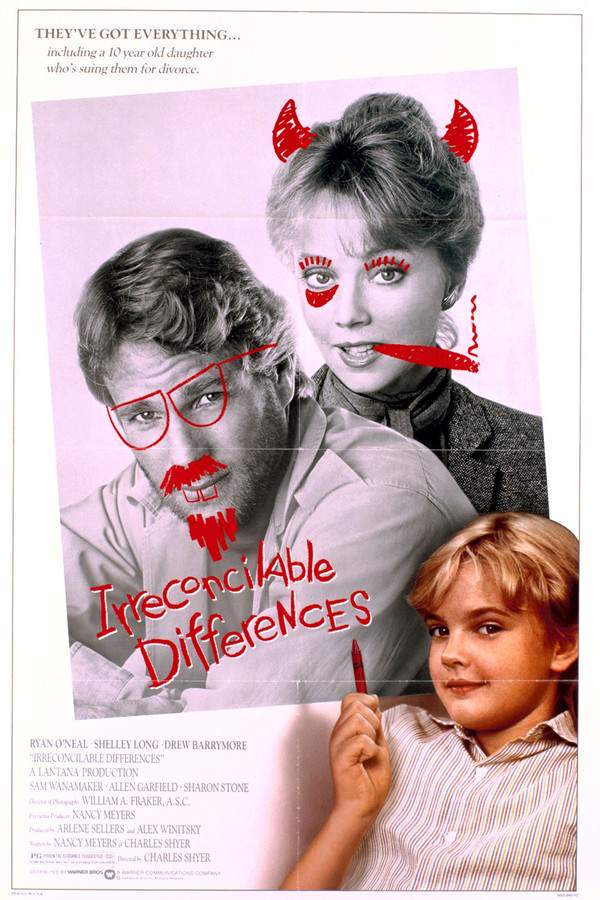
Irreconcilable Differences (1984) Complete Plot Breakdown
To Take A Wife (2004) Story Summary & Characters
Wedding in Galilee (1987) Story Summary & Characters
Possessions (1000) Story Summary & Characters
On Trial (1954) Ending Explained & Film Insights
Life According To Agfa (1992) Detailed Story Recap
Judith (1966) Story Summary & Characters
Jaffa (2009) Ending Explained & Film Insights