



















Plot Explained Spoilers guaranteed!
Plot Explained

Browse by genre

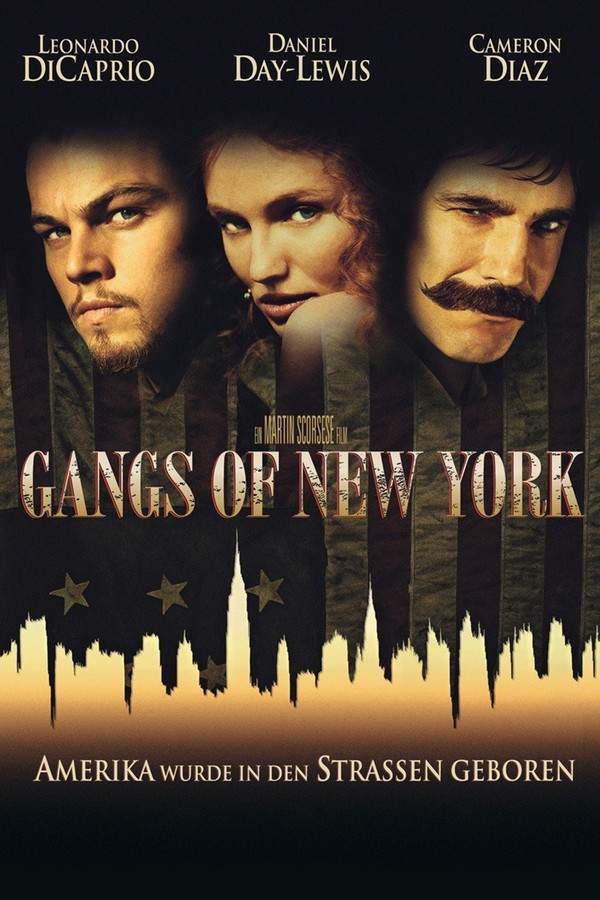
Gangs of New York (2002) movie poster

Timeline

Gangs of New York (2002) Timeline Explained – Every Event in Order

Release, runtime and language
2002 · 167 min · English
JustWatch #1,023 64
Directed by
Martin Scorsese
Starring
Leonardo DiCaprio, Cameron Diaz, Daniel Day-Lewis
Budget
$100M

Set in 1860s New York, the story follows Amsterdam Vallon, who seeks revenge against William Cutting, the powerful gang leader responsible for his father's death. Emerging from prison, Amsterdam finds himself in the dangerous Five Points neighborhood, where he must carefully balance his desire for justice with the need for self-preservation. He fights to establish a place for the Irish community within the harsh and violent landscape of the city.

On this page (7)
  1. 1 Where to watch
  2. 2 Events in order (15)
  3. 3 Timeline questions answered
  4. 4 The book behind the movie
  5. 5 Movie threads
  6. 6 Movies like Gangs of New York
  7. 7 Every angle

Where to watch

Where to Watch Gangs of New York (2002)

Where can you watch Gangs of New York? Stream, rent or buy it in the US, including on fuboTV, Paramount Plus Essential and Paramount Plus Premium: current JustWatch availability with up-to-date prices.

Streaming availability powered by JustWatch

15 events in order · contains spoilers

Gangs of New York Timeline: Events in Chronological Order

Every key event of Gangs of New York (2002) in order, scene by scene, with when and where it takes place. Use it to untangle flashbacks, time jumps and parallel storylines, to refresh your memory before the sequel or to find the exact scene you are thinking of.

  1. Territorial Conflict Begins

    In 1846, the stage is set in Lower Manhattan's Five Points as tensions rise between the Natives, the true Americans, and the Irish Catholic immigrants. This atmosphere of discord paves the way for violent confrontations fueled by cultural and territorial disputes.

    When
    1846
    Where
    Five Points, Lower Manhattan
  2. Battle at Paradise Square

    The hostilities culminate in a brutal showdown at Paradise Square. Led by Bill the Butcher Cutting, the Natives clash with the Irish gang known as the Dead Rabbits, headed by Priest Vallon, resulting in a bloody conflict that leaves Valleon dead before his son Amsterdam's eyes.

    Where
    Paradise Square
  3. Amsterdam's Escape and Orphanage

    After witnessing his father's murder at a young age, Amsterdam seizes the knife used in the act before escaping into the night. He finds refuge in an orphanage at Hellgate, where he grows up without his father's guidance.

    Where
    Hellgate
  4. Amsterdam Returns

    In September 1862, Amsterdam returns to New York as a young man, eager to reclaim his place in the world. He reunites with his childhood friend, Johnny Sirocco, who introduces him to the now-powerful Bill Cutting, further adding to his conflict.

    When
    September 1862
    Where
    New York
  5. Infiltrating Bill's Circle

    Amsterdam begins to assimilate into Bill's inner circle, gradually earning his trust despite his hidden vendetta. He discovers that many of the men who once followed Priest Vallon have switched allegiances to Bill, complicating his plans.

  6. A Complicated Romance

    As Amsterdam plots his revenge, he meets the alluring pickpocket, Jenny Everdeane. Their relationship grows complicated, especially with Jenny's romantic ties to Bill, leading to tensions that pull Amsterdam deeper into the web of deceit.

  7. Assassination Attempt and Loyalty

    During a performance of Uncle Tom's Cabin, Amsterdam thwarts an assassination attempt on Bill's life, a move that leads him to question his motives. As he saves Bill, he finds himself increasingly loyal to the very man he sought to destroy.

  8. Climactic Revelation

    On the night of the ceremony commemorating the battle, Amsterdam's true identity and intentions are disclosed, setting off a series of tumultuous events. This revelation creates a division that culminates in a fierce confrontation.

  9. Jenny is Wounded

    In a dramatic knife-throwing incident orchestrated by Bill, Jenny gets wounded, intensifying Amsterdam's rage and heartbreak. This moment marks a pivotal shift in Amsterdam's perspective, binding his fate closer to both Jenny and Bill.

  10. Hiding and Preparing for Revenge

    Following the chaos, Amsterdam and Jenny go into hiding. He receives a significant family relic from Monk McGinn, a straight razor that connects him to his father's legacy and reinforces his growing desire for revenge against Bill.

  11. Message of Defiance

    Amsterdam sends a powerful message of defiance to Bill that escalates the violence between the two. Their feud ignites a brutal series of retaliatory acts, leading to widespread chaos in the city.

  12. New York City Draft Riots

    The fierce conflict culminates in the New York City draft riots, where the city erupts into violence amid tensions between the factions. This pandemonium sets the scene for Amsterdam and Bill's long-anticipated confrontation.

    Where
    New York
  13. Final Confrontation

    Amid the chaos and naval fire, Amsterdam and Bill finally face each other in a climactic showdown. As the dust settles, old wounds are reopened, culminating in a sacrifice that seals both their fates.

    Where
    Paradise Square
  14. Bill's Death

    In their last exchange, Amsterdam stabs Bill, signaling a dark resolution to their intertwined destinies. As Bill lies dying, he reflects on his life with the eerie comfort of knowing his place in history as a 'true American.'

  15. Burial and Reflection

    Bill is buried in Brooklyn alongside Priest Vallon, symbolizing the turbulent history of their times. As Amsterdam contemplates their graves, he realizes how quickly history forgets its heroes, leaving a silent legacy on the city’s evolution.

    Where
    Brooklyn

Last updated: November 04, 2024 at 00:57

Was this helpful?

Timeline questions answered

Gangs of New York Timeline Explained: Your Questions Answered

When does it happen, and why in that order? The questions people ask about the chronology of Gangs of New York (2002): time jumps, flashbacks, cause and effect between scenes and the correct order of events, each answered with spoilers.

Q1

Why does Amsterdam Vallon return to New York in 1862?

Amsterdam returns to New York in September 1862 to seek revenge against Bill the Butcher, who murdered his father Priest Vallon in 1846. After growing up in an orphanage at Hellgate following his father's death, Amsterdam comes back as a young man determined to reclaim his place in the Five Points and fulfill his duty to avenge his father's killing.

Foreshadowing: The film opens with young Amsterdam witnessing his father's murder and seizing the knife used in the killing, establishing his lifelong quest for vengeance.

  • amsterdam vallon
  • return to new york
  • revenge
  • 1862
  • priest vallon
Q2

Why does Amsterdam infiltrate Bill's gang instead of killing him directly?

Amsterdam chooses to infiltrate Bill's inner circle because he recognizes that Bill has become extremely powerful and well-protected. Many of his father's former loyalists, including Happy Jack Mulraney and Lieutenant McGloin, have already switched allegiances to Bill. By earning Bill's trust gradually, Amsterdam can get close enough to execute his revenge without being killed himself.

Foreshadowing: Amsterdam discovers upon his return that the landscape of the Five Points has changed dramatically, with most of his father's men now serving Bill.

  • infiltrate bill
  • amsterdam
  • revenge plot
  • five points gang
Q3

Why does Amsterdam save Bill during the assassination attempt at the theater?

During a performance of Uncle Tom's Cabin, Amsterdam intervenes when someone attempts to assassinate Bill. This moment causes Amsterdam to realize that despite his plans for revenge, he has developed genuine loyalty to Bill. The experience forces him to confront the complexity of his feelings and questions whether his quest for vengeance is truly his own motivation anymore.

Foreshadowing: Earlier scenes show Amsterdam growing closer to Bill and earning his trust, hinting at the psychological shift that becomes undeniable at the theater.

  • uncle tom's cabin
  • assassination attempt
  • amsterdam loyalty
  • bill the butcher
Q4

Why does Bill the Butcher let Amsterdam live after discovering his betrayal?

After Amsterdam's identity and intentions are revealed on the night of the ceremony, Bill chooses to let Amsterdam live rather than kill him. Bill wounds Jenny during a knife-throwing act and beats Amsterdam, but decides to keep him alive as a "freak", a living reminder of his victory. This reflects Bill's theatrical nature and his desire to humiliate his enemy rather than grant him a dignified death.

Foreshadowing: Bill's obsession with spectacle and dominance over his enemies is established early in the film through his public killing of Priest Vallon.

  • bill lets amsterdam live
  • betrayal revealed
  • knife throwing
  • jenny wounded
Q5

What triggers the New York City draft riots in the film?

The New York City draft riots are triggered by the escalating violence between Bill's faction and Amsterdam's defiance. After Amsterdam sends a message of defiance to Bill, brutal retaliations ensue, causing widespread chaos throughout the city. The cumulative tension from gang violence, ethnic tensions between Natives and Irish immigrants, and the broader context of the Civil War draft all combine to ignite the massive riots that consume New York.

Foreshadowing: The message of defiance Amsterdam sends directly escalates the conflict to a city-wide level, setting the stage for the riots.

  • draft riots
  • new york riots
  • civil war
  • violence escalation
  • city chaos
Q6

What is the significance of the straight razor Monk McGinn gives Amsterdam?

Monk McGinn gives Amsterdam a straight razor that belonged to his father Priest Vallon. This relic symbolizes Amsterdam's heritage and the weight of his legacy as the son of the Dead Rabbits' leader. The razor serves as a tangible connection to his father and reinforces his duty to continue the fight for the Irish community's place in New York.

Foreshadowing: Young Amsterdam escaped with the knife used to kill his father, establishing the motif of weapons as family heirlooms.

  • straight razor
  • monk mcginn
  • priest vallon legacy
  • family heirloom
Q7

Why does Bill wound Jenny during the knife-throwing act?

Bill wounds Jenny as a deliberate act of cruelty and manipulation after Amsterdam's betrayal is revealed. During a knife-throwing act where Jenny is the target, Bill intentionally wounds her to inflict maximum emotional pain on Amsterdam. This moment serves as a turning point that seals the fates of all three characters, intensifying Amsterdam's grief and resolve while demonstrating Bill's capacity for vindictive brutality.

Foreshadowing: Jenny's complicated past as Bill's ward and her romantic involvement with both men creates the emotional tension Bill exploits.

  • jenny everdeane
  • wounded
  • bill wounds jenny
  • knife throwing act
  • betrayal
Q8

Why are Bill the Butcher and Priest Vallon buried together in Brooklyn?

Bill and Priest Vallon are buried side by side in Brooklyn as a haunting symbol of how history remembers its enemies. Despite their violent enmity and the ethnic warfare between their factions, death erases their differences. The film uses this imagery to suggest that history often forgets the complex battles between figures who were once mortal enemies, blending their legacies into the forgotten past of New York.

Foreshadowing: The narrative frames both men as products of their violent era, suggesting their ultimate equivalence in death.

  • bill vallon buried together
  • brooklyn cemetery
  • history forgotten
  • heroes forgotten
Q9

Why does Amsterdam send a message of defiance to Bill after going into hiding?

After going into hiding with Jenny and receiving his father's straight razor, Amsterdam sends a bold message of defiance to Bill. This act represents his final rejection of the cautious infiltration approach and commits him fully to open conflict with Bill. The message escalates the rivalry to its inevitable violent conclusion, triggering Bill's brutal retaliation and ultimately leading to the city-wide chaos of the draft riots.

Foreshadowing: Receiving his father's razor symbolizes Amsterdam embracing his heritage and abandoning his tentative position.

  • message defiance
  • bill amsterdam conflict
  • escalate violence
  • retaliation
Q10

Why does Amsterdam finally stab Bill during their last confrontation?

In their final confrontation amid the chaos of naval fire and the rubble of Paradise Square, Amsterdam stabs Bill to complete his long-awaited revenge. However, the moment is bittersweet, Amsterdam achieves his goal but does so amid immense destruction, with Bill dying contentedly and thanking God he dies a "true American." The stabbing represents the tragic culmination of their intertwined fate, where victory brings no real satisfaction.

Foreshadowing: The entire film builds toward this confrontation, with Amsterdam's journey from witness to participant reaching its tragic endpoint.

  • amsterdam stabs bill
  • final confrontation
  • paradise square
  • revenge complete
  • tragic ending
Q11

What causes Amsterdam to develop loyalty toward Bill the Butcher?

Amsterdam develops loyalty to Bill through a gradual process of spending time in his inner circle and witnessing Bill's complexity beyond his role as his father's killer. Despite Bill's brutality, Amsterdam sees his charisma, his code of honor, and his genuine belief in protecting what he sees as American interests. The assassination attempt at the theater becomes the catalyst where Amsterdam must confront the reality that his feelings have complicated his original单一的复仇动机。

Foreshadowing: Their relationship develops through shared moments of violence and intimacy, with Amsterdam earning Bill's trust while Bill treats him almost like a surrogate son.

  • amsterdam loyalty bill
  • complicated relationship
  • growing respect
  • betrayal of revenge

Movie threads

More Movies Like Gangs of New York, by Mood & Story

Curated lists built around what makes Gangs of New York tick: the same mood, the same kind of story or the same emotional payoff. Each list explains why these movies belong together.

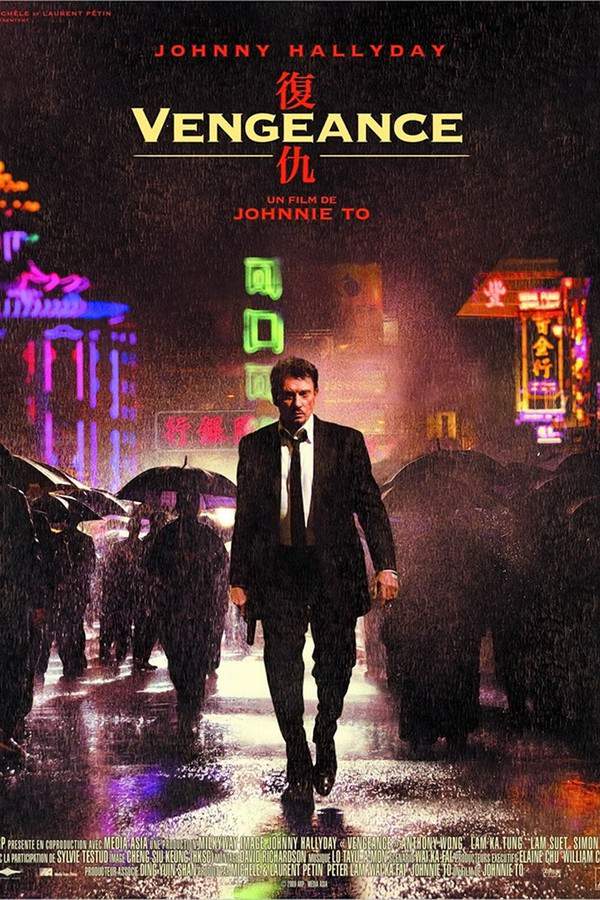
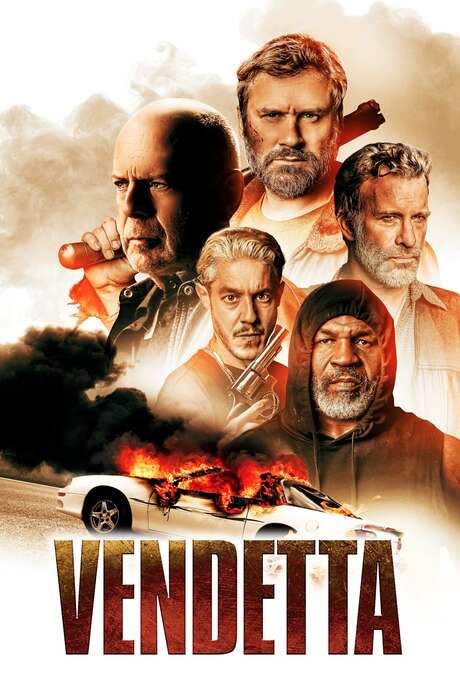
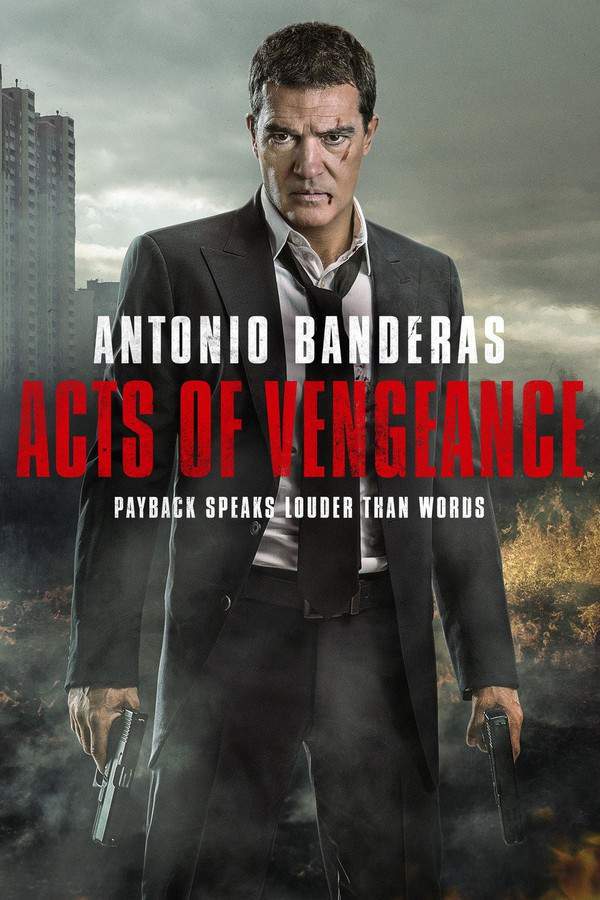
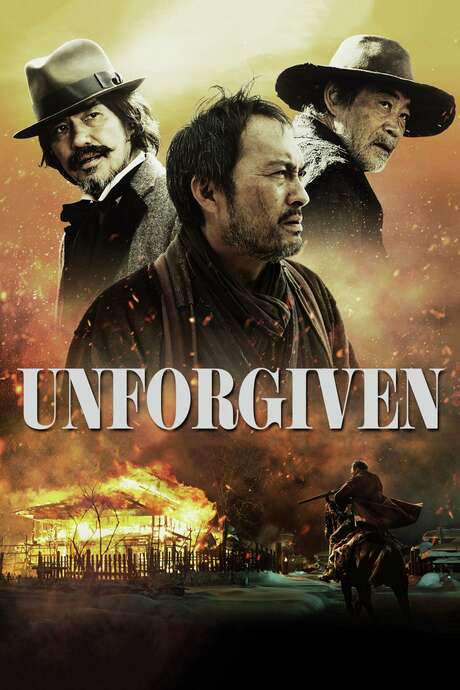
Violent Historical Epics of Revenge like Gangs of New York

Sweeping stories where personal vendettas are forged in the crucible of history. If you liked the brutal, large-scale historical revenge story in Gangs of New York, explore more movies like it. This thread features similar epic dramas where personal vendettas collide with major historical events, offering stories of vengeance, legacy, and violent struggle within richly depicted past eras.

  • revenge-fueled
  • epic
  • brutal
  • gritty
  • historical
  • somber
  • Tone: dark, somber, brutal
  • Pacing: variable, with slow-burn buildup and explosive climaxes
Why these movies?

The story pattern: The narrative follows a protagonist—often an underdog or survivor—on a long, arduous path to avenge a profound wrong, typically the death of a family member or mentor. Their journey is inextricably linked to a pivotal historical moment, forcing them to navigate chaotic landscapes, complex loyalties, and the grim realities of their time. The climax often sees the personal and historical conflicts explosively converge.

Why they belong together: These films are grouped by their shared focus on a high-stakes revenge plot set within a meticulously recreated historical period. They deliver a similar mix of intense, gritty violence, heavy emotional weight, and a dark, somber tone, creating a powerful sense of a individual's struggle being both monumental and ultimately swallowed by the march of time.

Gritty Gang Warfare Stories like Gangs of New York

Brutal tales of loyalty, betrayal, and the fight for control of a criminal kingdom. For viewers who enjoyed the chaotic gang conflicts and immigrant struggle in Gangs of New York, this thread collects similar movies about organized crime and tribal warfare. Discover films that capture the gritty, oppressive feel of clashing factions fighting for turf and power in a harsh urban landscape.

  • gritty
  • chaotic
  • claustrophobic
  • brutal
  • oppressive
  • revenge-fueled
  • Tone: dark, chaotic, oppressive
  • Pacing: variable, with steady tension and bursts of fast violence
Why these movies?

The story pattern: Stories typically revolve around a rising figure challenging an established, ruthless leader for control of a territory or organization. The narrative is driven by shifting alliances, brutal betrayals, and large-scale, chaotic confrontations. Character arcs often involve a difficult balance between personal moral codes and the demands of survival within a violent hierarchy, leading to tragic choices and heavy consequences.

Why they belong together: These movies share a cohesive vibe defined by their oppressive, chaotic settings and focus on organized crime or tribal conflict. They deliver high intensity through relentless violence and tension, a dark tone devoid of sentimentality, and a heavy emotional weight stemming from themes of betrayal, loss, and the futility of cyclical violence.

If you liked this

Movies Like Gangs of New York

Similar movies to Gangs of New York: the same genre, themes or kind of story. Each one comes with its own plot summary, timeline and ending explained.

Browse all movie summaries

Every angle

Gangs of New York (2002) Explained: Plot, Timeline & Characters

Everything about Gangs of New York in one place: what happens in the plot summary, the timeline in chronological order, the characters and meaning and a spoiler-free summary. What's After the Movie adds the cast, box office and post-credit scenes.

Coming soon on iOS and Android

The Plot Explained Movie Summary App

Plot summaries, endings explained and timelines on your phone. Catch up on any movie in minutes, save your favorites and never miss a twist again.

Be the first to know when we launch. Your email stays private, always.

Learn more about the app