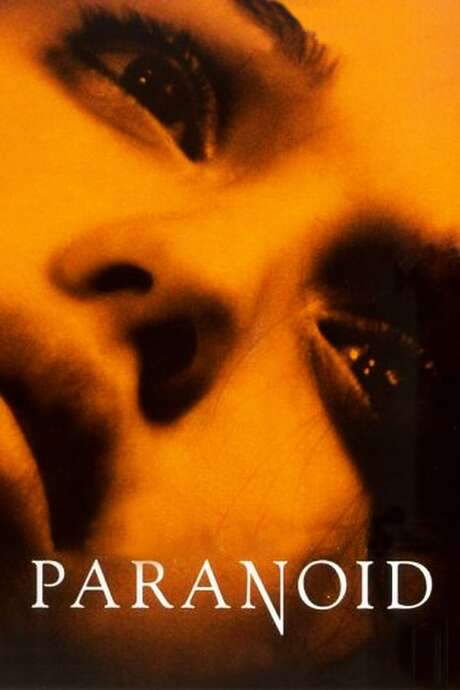
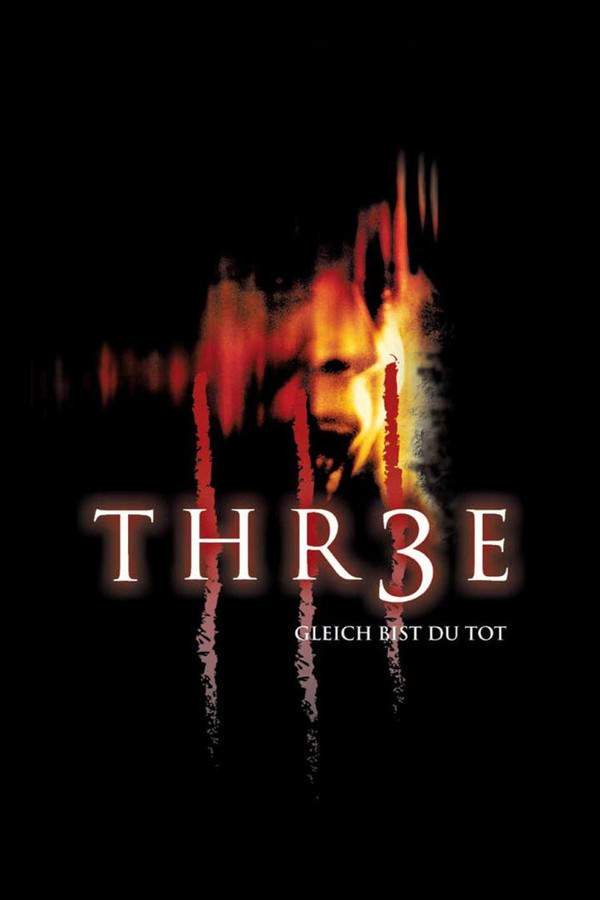
Jeanne Quester is a single mother and a certified psychologist who balances a demanding dual life: by day she does social work, and by night she hosts a live radio program that offers urgent advice to listeners in need. As the show’s popularity grows, a television offer lands on her plate, presenting a chance to reach more people but also inviting a new kind of scrutiny and pressure.
Suddenly she is menaced by alienating, enigmatic calls whenever she is on air, the voice at the other end both intimate and chilling, turning her trusted microphone into a conduit for fear. A creeping sense of being watched settles over her routines, and the line between public help and private danger begins to blur in unsettling ways.
The danger leaks into her home life as well: a stranger secretly gains access to her flat when she is away, and upon returning she discovers her daughter’s parrot has been killed, a cruel and symbolic reminder that no one is safe. The sense of violation intensifies when Jeanne later learns that her car has been tampered with, a second attempt to undermine her sense of security and autonomy.
To untangle the mystery, she reaches out to her brother Frank Quester, a police officer who begins to connect the dots. He reveals a troubling link to the past: the convicted murderer who killed their parents has just been released from prison, suggesting that someone with a personal vendetta might be reaching for revenge. The possibility that the past is not truly past weighs heavily on Jeanne, heightening every decision she makes and every choice she faces in the present.
As the danger escalates, the threats materialize in brutal fashion: the alleged murderer is found dead in Jeanne’s flat, yet the harassment continues and the stakes grow even higher when her daughter is abducted by the mysterious caller. The fear becomes not just about justice for the past but about immediate survival in the face of a child’s danger.
In a chilling confrontation, Jeanne finally encounters the kidnapper, who turns out to be the real killer of her parents. He lays bare what happened long ago, offering a disturbing truth that unsettles her sense of reality and accountability. When Jeanne cannot comply with his demands, he makes it clear that he intends to kill her, too, sealing a confrontation that tests every ounce of her resolve and resourcefulness.
Throughout the ordeal, other figures from the world around Jeanne appear in supporting roles, anchoring the story in a web of relationships and motives. Véronique, the agency’s representative, and Dr. Pastor appear in pivotal moments that remind us how everyday lives intersect with danger, power, and vulnerability. The film uses a claustrophobic urban setting and the persona of a caregiver who speaks to strangers by day and fears for her own life by night to build a relentless atmosphere of suspense. In the end, the narrative holds a steady, unsettling balance: it stays true to its core premise while expanding the emotional resonance of Jeanne’s struggle to protect her daughter and confront a past that refuses to stay buried.