Plot Explained Spoilers guaranteed!
Plot Explained

Browse by genre

Freeway Killer (2009) movie poster

Timeline

Freeway Killer (2009) Timeline Explained – Every Event in Order

Release, runtime and language
2009 · 88 mins · English
Loading streaming availability…
Directed by
John Murlowski
Starring
Michael Rooker, Dusty Sorg, Eileen Dietz, Scott Anthony Leet, Debbon Ayer, Helen Wilson

Based on the true story of William Bonin, California’s most notorious serial murderer, it chronicles his years terrorizing motorists on highways in search of victims. Discarded bodies are found beaten, sexually assaulted and mutilated. Bonin evades police, but as police close in his pattern turns erratic, leaving question how many more die.

On this page (6)
  1. 1 Where to watch
  2. 2 Events in order (14)
  3. 3 Timeline questions answered
  4. 4 Movie threads
  5. 5 Movies like Freeway Killer
  6. 6 Every angle
Loading streaming availability…

14 events in order · contains spoilers

Freeway Killer Timeline: Events in Chronological Order

Every key event of Freeway Killer (2009) in order, scene by scene, with when and where it takes place. Use it to untangle flashbacks, time jumps and parallel storylines, to refresh your memory before the sequel or to find the exact scene you are thinking of.

  1. Bonin and Butts begin their murder spree in Orange County

    William Bonin, a Vietnam veteran and delivery driver, forms a murderous partnership with Vernon Butts. They begin a string of brutal killings in Orange County. The violence marks the start of their long-running crime spree before they relocate to Los Angeles.

    When
    Late 1970s
    Where
    Orange County, California
  2. By 1980 tension grows; Kyle enters the picture

    By 1980, the bond between Bonin and Vern has grown strained. Bonin begins grooming a new accomplice, Kyle Peterson, drawing him into the murders with tales from the Vietnam era and a survivalist philosophy.

    When
    1980
    Where
    Orange County/Los Angeles, California
  3. Kyle introduced and shown victims' photos

    Bonin shows Kyle pictures of the victims and pressures him into participating. Kyle becomes enthralled by Bonin's control and the power he imagines in these acts.

    When
    Early 1980s
    Where
    Orange County/Los Angeles, California
  4. Kyle's personal life improves; Bonin's influence continues; Vern grows jealous

    Under Bonin's tutelage, Kyle grows more confident and assertive. He earns a promotion at work and rekindles his relationship, while Vern grows envious of Kyle's closeness to Bonin.

    When
    Early 1980s
    Where
    Southern California
  5. Conflict with Vern; plan to kill Vern; Bonin cannot follow through

    Vern questions Bonin's claimed combat history, triggering a confrontation. Kyle pressures Bonin to kill Vern, but Bonin fails to go through with it and tends to Vern's self-inflicted wound after Vern cuts himself in front of them.

    When
    Early 1980s
    Where
    Bonin's residence
  6. Bonin coerces Billy Pugh to help kill Alex

    Feeling isolated, Bonin forces a younger boy named Billy Pugh to help murder a hitchhiking boy named Alex. Billy is sickened by the act and runs away, leaving Bonin to panic.

    When
    Mid to late 1980s
    Where
    Southern California
  7. Kyle and Vern cut off; Bonin pushes for a copycat crime

    Kyle and Vern stop answering Bonin's calls, leaving him isolated. He confronts Kyle in person and tries to persuade him to commit a Freeway Killer copycat crime to mislead investigators.

    When
    Late 1980s
    Where
    Los Angeles
  8. Bonin's capture by a police taskforce

    Despite continued pressure, Bonin attempts another murder and is caught in the act by a police taskforce led by Detective St. John.

    When
    Late 1980s
    Where
    Los Angeles
  9. Vern hangs himself; Kyle and Billy are turned in

    After Bonin's capture, Vern hangs himself in prison. Kyle and Billy are turned in by Bonin.

    When
    Late 1980s
    Where
    Prison
  10. Bonin sentenced to death; refuses mitigating evidence

    Bonin is sentenced to death. He refuses to allow mitigating evidence from psychiatric reports or family history to be presented, wanting to spare his mother from public scrutiny.

    When
    Late 1980s
    Where
    California court
  11. On death row, Bonin confesses in exchange for privileges

    While on death row, Bonin confesses to further murders in exchange for privileges like fast food and small favors.

    When
    Early 1990s
    Where
    Death row, California
  12. Meeting Ruth Slobod and manipulation for commutation

    Bonin meets Ruth Slobod, a grieving mother who believes her son was murdered by him. He strings her along for years to manipulate her into seeking a possible commutation.

    When
    1990s
    Where
    Prison visitation area
  13. Ruth vows to witness his execution; Bonin taunts her

    Ruth vows to attend his execution to witness his end, and Bonin mocks her, telling her to watch the eyes because that is where it all happens.

    When
    1996
    Where
    Prison
  14. Execution and final intertitle

    Bonin is executed by lethal injection in 1996. An intertitle notes that his remains were cremated and scattered over the Pacific.

    When
    1996
    Where
    California

Last updated: October 05, 2025 at 11:51

Was this helpful?

Timeline questions answered

Freeway Killer Timeline Explained: Your Questions Answered

When does it happen, and why in that order? The questions people ask about the chronology of Freeway Killer (2009): time jumps, flashbacks, cause and effect between scenes and the correct order of events, each answered with spoilers.

Q1

Why did William Bonin refuse to present mitigating evidence at his trial?

Bonin refused to allow his lawyers to present psychiatric reports or details of his turbulent upbringing because he wanted to spare his mother from public scrutiny and sensational headlines. He chose to face execution rather than have her exposed to the media attention his case would generate.

  • william bonin trial
  • death penalty
  • mitigating evidence
  • execution
Q2

Why did Kyle Peterson become involved in the murders?

Kyle was a shy, insecure youth desperate for acceptance and a sense of power. Bonin preyed on these vulnerabilities by introducing him to the lurid details of past murders, showing him victim photographs, and framing violence as a survival-of-the-fittest test inspired by his Vietnam stories. Kyle's eagerness to belong made him susceptible to Bonin's manipulation.

Foreshadowing: Bonin's pattern of recruiting vulnerable young men began with Vernon Butts, establishing his method of exploiting psychological needs.

  • kyle peterson
  • william bonin
  • manipulation
  • recruitment
  • grooming
Q3

What caused the rift between William Bonin and Vernon Butts?

By 1980, the relationship had grown strained, largely because Bonin began grooming a new accomplice, Kyle Peterson. Butts became jealous of the growing bond between Bonin and the younger man. The tension escalated when Butts publicly accused Bonin of never having served in combat, claiming he spent his time overseas 'sticking his pistol to a couple of buck privates, making them suck his dick.'

Foreshadowing: Early in their partnership, Bonin used Vietnam stories to assert dominance and control over his accomplices, making the combat controversy inevitable when challenged.

  • vernon butts
  • conflict
  • jealousy
  • vietnam veteran
  • partnership
Q4

How did police finally catch William Bonin?

As authorities closed in and his pattern became erratic, Bonin made one last attempt at murder. He was caught in the act by a police task force led by Detective St. John while attempting to kill another victim.

Foreshadowing: The timeline shows Bonin's crimes becoming increasingly reckless in the late 1980s as his accomplices abandoned him.

  • arrest
  • detective st john
  • capture
  • police task force
Q5

Why did Ruth Slobod want to witness William Bonin's execution?

Ruth Slobod was a grieving mother who believed her son was among Bonin's victims. She vowed to attend his execution to witness his end, seeking closure for her son's death.

  • ruth slobod
  • execution
  • grieving mother
  • closure
Q6

What was the significance of Bonin telling Ruth Slobod to 'watch the eyes'?

When Ruth vowed to witness his execution, Bonin mocked her with the chilling line to 'watch the eyes,' claiming that is where the true lesson of violence reveals itself. This taunt reflected his unrepentant view of violence as a means of asserting power and control.

Foreshadowing: Throughout the film, Bonin uses psychological manipulation as his primary tool, making this final taunt consistent with his character.

  • watch the eyes
  • taunt
  • psychology
  • manipulation
Q7

Why did William Bonin confess to additional murders on death row?

While on death row, Bonin began confessing to additional murders in exchange for privileges like fast food and small favors. He used these confessions as leverage to manipulate the system and improve his conditions while awaiting execution.

  • confession
  • death row
  • privileges
  • manipulation
Q8

Why did Vernon Butts slash his own wrist?

During a bitter argument where Butts accused Bonin of lying about his combat service, tension erupted between the trio. After Kyle pressured Bonin to kill Butts, Butts slits his own wrist in front of them. Bonin tended to the self-inflicted wound, unable to go through with killing him. The incident exposed the fragility of their alliance.

Foreshadowing: The confrontation over Bonin's combat history was brewing as Butts grew jealous of Kyle's growing influence.

  • vernon butts
  • self harm
  • suicide attempt
  • conflict
Q9

Why did Bonin try to get Kyle to commit copycat murders?

When Kyle and Vern stopped answering his calls, Bonin felt isolated and desperate to mislead investigators. He confronted Kyle and tried to persuade him to commit a copycat 'Freeway Killer' crime to throw police off his trail. Kyle ultimately resisted, telling Bonin 'It's over.'

Foreshadowing: Bonin's escalating desperation in the late 1980s is evident as his pattern becomes erratic and his accomplices abandon him.

  • copycat
  • mislead investigators
  • kyle peterson
  • desperation
Q10

How did Kyle Peterson's life change after becoming involved with Bonin?

Under Bonin's tutelage, Kyle bought into the survival-of-the-fittest creed and absorbed the violent philosophy. His confidence grew significantly, he became more assertive at work, earned a promotion to manager, and rekindled his relationship with his girlfriend Lisa. However, this transformation came at the cost of his moral compass.

  • kyle peterson
  • transformation
  • confidence
  • promotion
  • relationship
Q11

What happened to Billy Pugh after the murder of Alex?

After Bonin coerced Billy Pugh into helping murder a hitchhiking boy named Alex, Billy was sickened by the act and ran away. Later, after Bonin's capture, Billy was turned in by Bonin and provided crucial testimony against him.

  • billy pugh
  • alex murder
  • ran away
  • testimony
Q12

Why did William Bonin target young men as victims and accomplices?

Bonin specifically targeted hitchhikers, young men far from the safety of home, because they were vulnerable and unlikely to be missed immediately. He similarly recruited young, insecure youths like Kyle Peterson and Billy Pugh, exploiting their psychological needs for belonging and power through his survival-of-the-fittest philosophy.

Foreshadowing: His pattern of targeting vulnerable young people was established from the beginning of his crime spree.

  • hitchhikers
  • victims
  • young men
  • recruitment
  • vulnerability

Movie threads

More Movies Like Freeway Killer, by Mood & Story

Curated lists built around what makes Freeway Killer tick: the same mood, the same kind of story or the same emotional payoff. Each list explains why these movies belong together.

Grim True Crime Procedurals like Freeway Killer

Unflinching accounts of real-life criminals and their devastating impact. For viewers seeking movies like Freeway Killer, this collection features grim true crime stories with a heavy emotional weight. If you liked the methodical pacing and dark tone of Freeway Killer, you'll find similar films that chronicle real-life criminal acts and their traumatic aftermath with unflinching realism.

  • grim
  • sobering
  • methodical
  • unsettling
  • oppressive
  • true story
  • Tone: dark, sobering, bleak
  • Pacing: steady, procedural
Why these movies?

The story pattern: Narratives in this thread typically follow a linear, procedural structure, documenting the timeline of crimes, the investigation, and the legal consequences. The focus is less on mystery and more on the chilling methodology of the criminal and the systemic response, often culminating in a somber ending that emphasizes the lasting trauma over victory.

Why they belong together: Movies are grouped here based on their shared foundation in true events, a consistently dark and oppressive tone, and a steady, methodical pacing that mirrors real-world investigations. They prioritize a sense of grim realism and psychological heaviness over thriller-style entertainment.

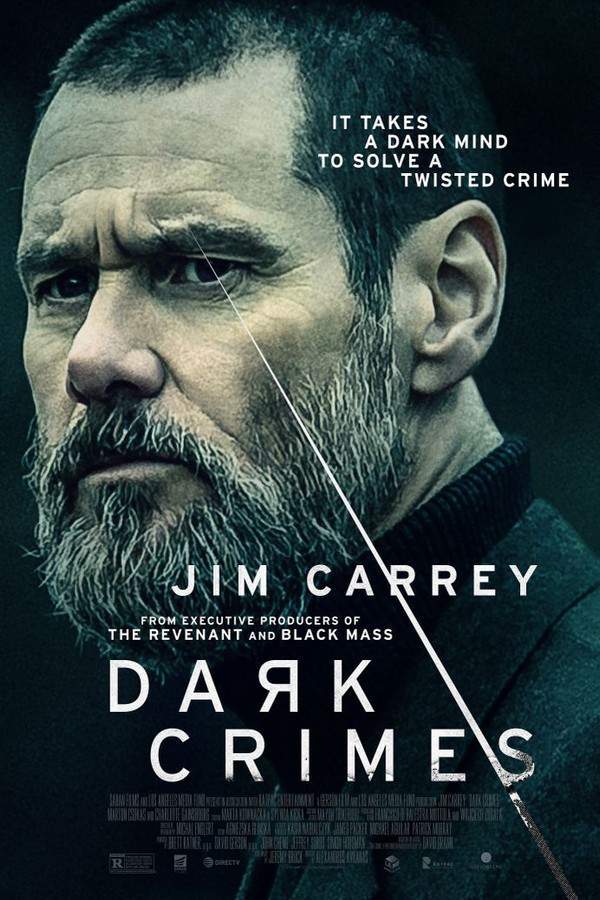
Psychological Descent into Brutality like Freeway Killer

Chilling portraits of characters spiraling into manipulation and violence. If you liked the psychological manipulation and dark partnership in Freeway Killer, this list features similar movies about characters descending into brutality. These films share a high intensity, dark tone, and explore the grim dynamics of criminal relationships, perfect for viewers who appreciated the chilling character study.

  • psychological
  • manipulative
  • chilling
  • brutal
  • unsettling
  • dark partnership
  • Tone: dark, chilling, unsettling
  • Pacing: steady, character-driven
Why these movies?

The story pattern: The narrative pattern follows a character's escalating descent into depravity, often depicting how they rationalize their actions and coerce accomplices. The story unfolds through shifting, manipulative relationships and a series of increasingly brutal acts, highlighting the psychological breakdown rather than just the physical crimes.

Why they belong together: These films are united by their intense focus on the psychology of the perpetrator, the theme of manipulation within dysfunctional partnerships, and a consistently dark, chilling atmosphere. The similarity lies in the unsettling character journey and the exploration of evil's banality and its infectious nature.

If you liked this

Movies Like Freeway Killer

Similar movies to Freeway Killer: the same genre, themes or kind of story. Each one comes with its own plot summary, timeline and ending explained.

Browse all movie summaries

Every angle

Freeway Killer (2009) Explained: Plot, Timeline & Characters

Everything about Freeway Killer in one place: what happens in the plot summary, the timeline in chronological order, the characters and meaning and a spoiler-free summary. What's After the Movie adds the cast, box office and post-credit scenes.

Coming soon on iOS and Android

The Plot Explained Movie Summary App

Plot summaries, endings explained and timelines on your phone. Catch up on any movie in minutes, save your favorites and never miss a twist again.

Be the first to know when we launch. Your email stays private, always.

Learn more about the app