
Formula for a Murder
Year: 1985
Runtime: 96 mins
Language: Italian
Director: Alberto De Martino
Terrifying medicine! A fitness instructor marries a traumatized, crippled woman haunted by PTSD and a horrific past event. Unaware that her husband orchestrated the marriage as part of a cold‑blooded scheme to kill her for her fortune, the deadly formula is soon set in motion, and a gruesome body count begins to rise.
Warning: spoilers below!
Haven’t seen Formula for a Murder yet? This summary contains major spoilers. Bookmark the page, watch the movie, and come back for the full breakdown. If you're ready, scroll on and relive the story!
Formula for a Murder (1985) – Full Plot Summary & Ending Explained
Read the complete plot breakdown of Formula for a Murder (1985), including all key story events, major twists, and the ending explained in detail. Discover what really happened, and what it all means.
A handsome teacher named Craig marries a wealthy, wheelchair-using woman named Joanna who is haunted by PTSD and tormented by a deeply traumatic past. As a child, she was raped by a psychotic priest and thrown down a flight of stairs, the memory intensified by the priest’s chilling use of a doll to lure her to the scene.
Her attractive female caretaker Ruth harbors a lesbian attraction to her and tries to intervene in the marriage, adding a complicated layer of tension as loyalties blur and protection instincts kick in.
Behind the scenes, the husband’s motives come into question. The marriage appears to be more about money than love, and he is depicted as someone who would stop at nothing to keep Joanna from donating half of her wealth to a church project her late father pledged to while on his deathbed.
One by one, priests start turning up dead, casting a pall of fear over Joanna and everyone around her. The murders begin with a brutal crime in a confession booth, and another priest is found dead after a violent blow to the head, escalating the sense of danger and mistrust. The bodies begin to accumulate as a hidden plot unfolds, and the tension grows with each new discovery.
Joanna’s doctor warns her that her heart is not strong and cautions that she should avoid becoming overly agitated or aroused during intimate moments, underscoring how fragile her condition is and how easily fear can destabilize her. The medical concern adds a clinical layer to the psychological horror, keeping the focus on a vulnerable woman who is already carrying an immense burden.
As the nightmare intensifies, Joanna experiences vivid hallucinations of a leering priest, always seen clutching a bloody doll. The specter seems to haunt her thoughts and bleed into her reality, suggesting that the past is not behind her but echoing into the present in alarming ways. The line between memory and menace becomes dangerously thin, and what she once trusted begins to crumble.
The film blends claustrophobic atmosphere with a slow-burn sense of dread, using the tension between trauma, desire, faith, and greed to drive the story forward. The eerie quiet, the clinical warnings, and the creeping fear all work together to paint a portrait of a woman whose trauma fractures the present as it bleeds into every decision she makes.
As the conflict between past trauma and present danger escalates, Joanna is forced to confront not only the horrors that haunted her childhood but the more immediate threats that loom over her life now. The mystery deepens, loyalties are tested, and the danger surrounding the couple becomes personal, leaving viewers with a chilling reminder that the past can resurface in the most unsettling ways when money, power, and faith collide.
Last updated: February 18, 2026 at 23:44
Formula for a Murder (1985) Plot Questions Answered – Summary FAQ
Explore frequently asked questions about Formula for a Murder (1985) with spoiler-rich answers covering the full plot summary, major story beats, character motivations, hidden details, and ending meaning. This movie summary FAQ helps explain confusing scenes, plot twists, and narrative decisions in clear, searchable detail.
Why did Craig marry Joanna?
Craig married Joanna primarily for her wealth. He opposed her plan to donate half of her fortune to a church project pledged by her late father, revealing that his marriage proposal was a calculated scheme to gain control over her inheritance rather than genuine affection.
The marriage is presented as practical from the start, with Craig shown scheming behind the scenes.
Why is Joanna haunted by PTSD?
As a child, Joanna was raped by a psychotic priest who lured her to the scene using a doll, then threw her down a flight of stairs. This horrific trauma left her with deep psychological scars that manifest as PTSD, wheelchair dependency, and frightening hallucinations of the priest.
The summary references her traumatic past early, establishing the root of her psychological fragility.
Why are priests being killed?
The priests are being murdered as part of a hidden plot, though the full reasoning is tied to Joanna's traumatic history and the conspiracy surrounding her. One priest is killed in a confession booth with his throat cut, while another is bashed in the head, suggesting a systematic targeting connected to her past.
The killings escalate as the story progresses, with each murder connected to the overarching mystery.
Why does Ruth try to stop the marriage?
Ruth, Joanna's caretaker, is sexually attracted to her and harbors lesbian feelings. Beyond romantic motives, Ruth also believes Joanna deserves better than Craig and acts protectively, trying to shield her from a marriage she sees as dangerous or undeserving.
Ruth's interference is introduced early, adding emotional tension and complicating the relationship triangle.
What is the significance of the doll in the film?
The doll is the tool the psychotic priest used to lure young Joanna to the scene of her assault. In the present, Joanna hallucinates the same priest clutching a bloody doll, making it a visual symbol of her trauma that continues to haunt her and blur the line between memory and reality.
The doll appears in both the childhood flashback and present-day hallucinations, connecting past to present.
Why is Joanna's weak heart significant?
Joanna's doctor warns her that she has a fragile heart and should avoid extreme agitation or arousal, particularly during intimate moments. This medical condition adds a clinical layer of danger, as any intense emotional shock could prove physically fatal, making her vulnerability even more pronounced.
The doctor's warning foreshadows potential consequences if Joanna experiences extreme fear or stress.
Why does Joanna hallucinate about the priest?
Joanna experiences vivid hallucinations of a leering priest holding a bloody doll because her PTSD causes intrusive memories of the childhood assault. These visions represent her fractured mental state, where the trauma from her past bleeds into her present reality, creating constant paranoia.
The hallucinations intensify as the priest murders escalate, suggesting her mind is connecting past and present threats.
What is the conflict over the church donation?
Joanna's late father pledged on his deathbed that she would donate half her wealth to a church project. Craig strongly opposes this donation because it would reduce the fortune he married her to access. This conflict over the inheritance drives much of the tension in their marriage.
The father's pledge establishes the financial motive that complicates Craig's marriage scheme.
Why does Joanna use a wheelchair?
Joanna uses a wheelchair as a result of her childhood trauma. After being thrown down a flight of stairs by the priest who assaulted her, she sustained physical injuries that left her crippled, though her disability is intertwined with her psychological trauma.
The wheelchair is introduced as part of her PTSD presentation, linking physical and psychological damage.
Who is behind the priest murders?
The summary establishes that priests are being systematically killed but does not reveal the identity of the killer. The murders appear connected to Joanna's traumatic past and the conspiracy surrounding her, though the specific perpetrator and their complete motive remain part of the film's mystery.
The escalating killings suggest a calculated agenda linked to events in Joanna's history.

Explore Movie Threads
Discover curated groups of movies connected by mood, themes, and story style. Browse collections built around emotion, atmosphere, and narrative focus to easily find films that match what you feel like watching right now.
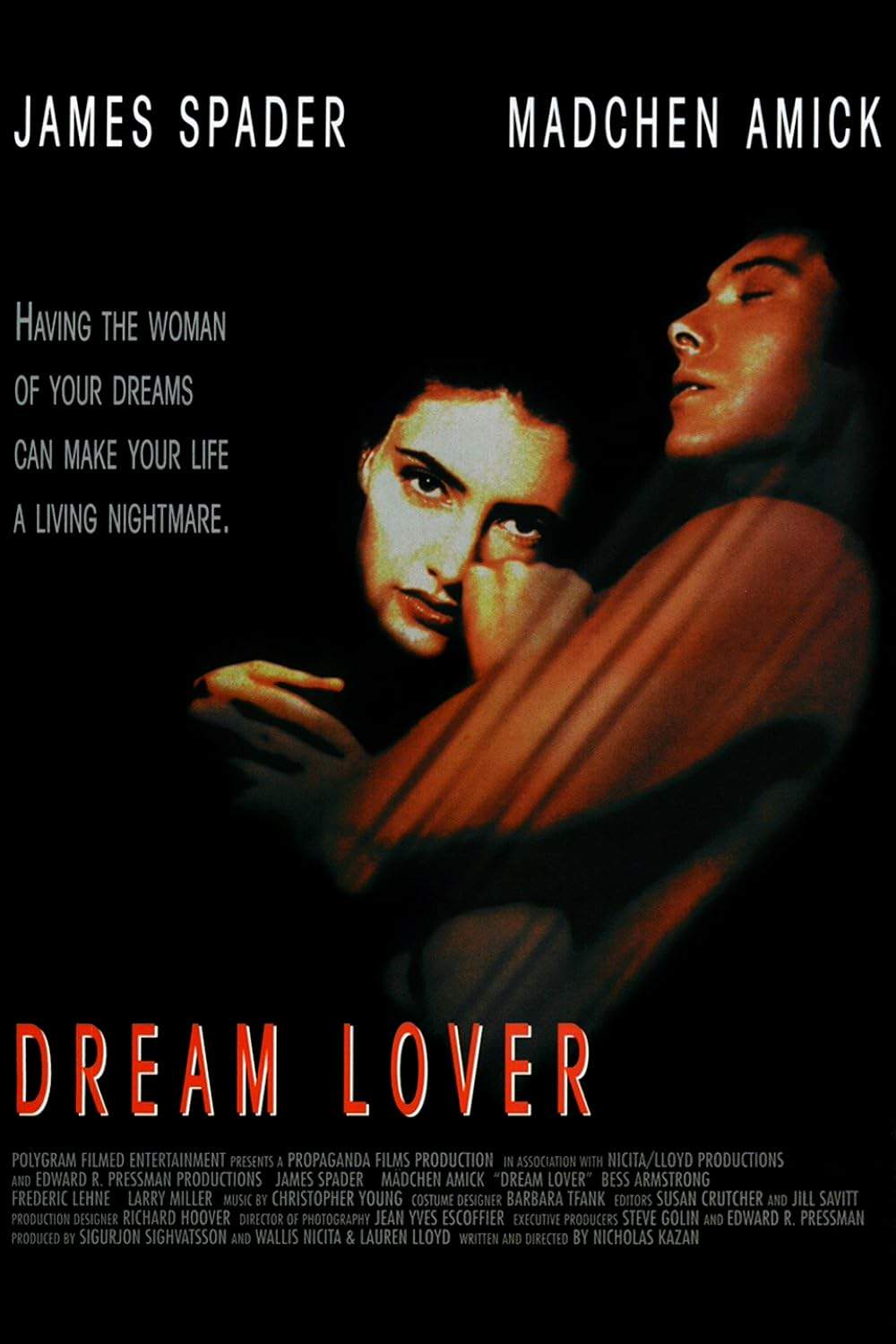
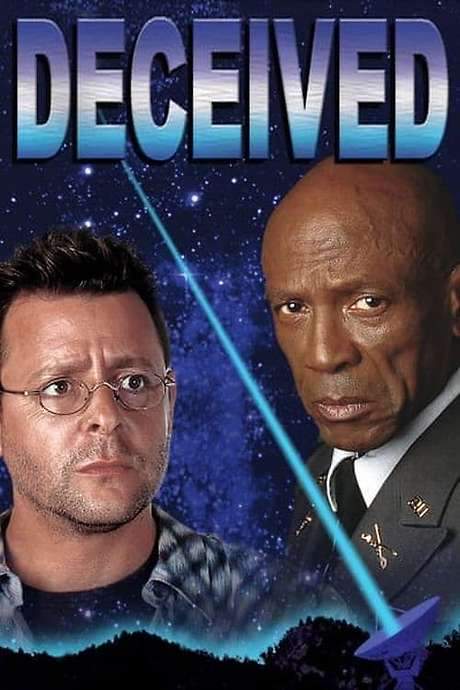
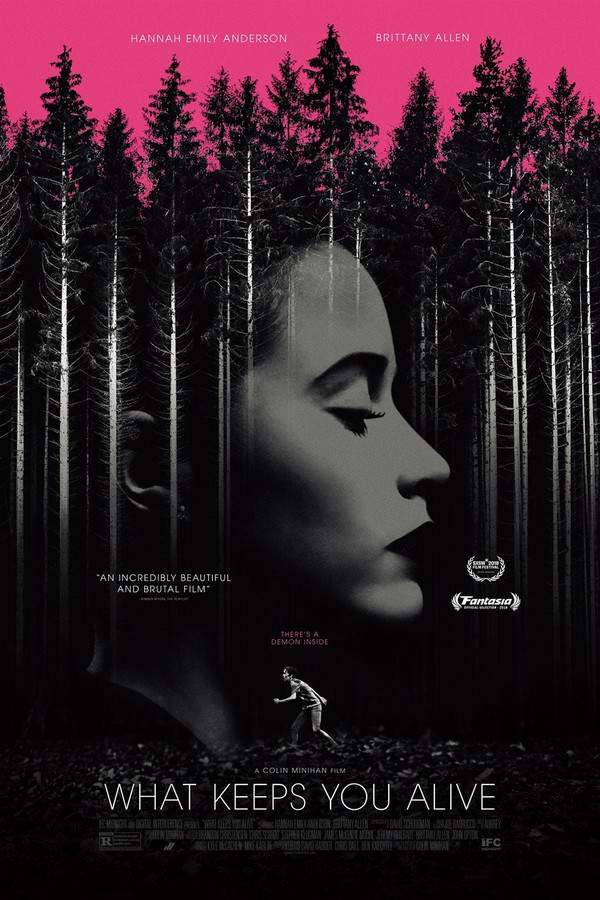
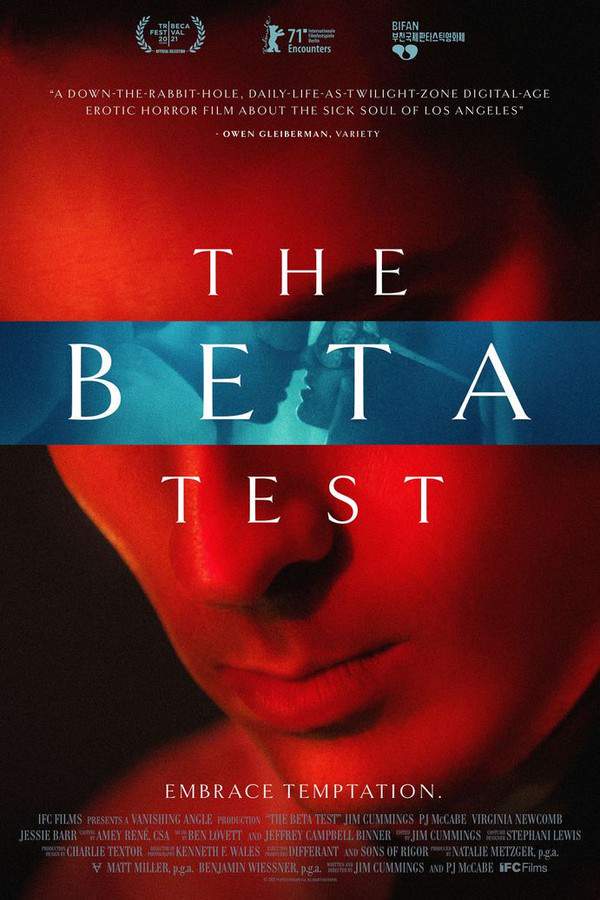
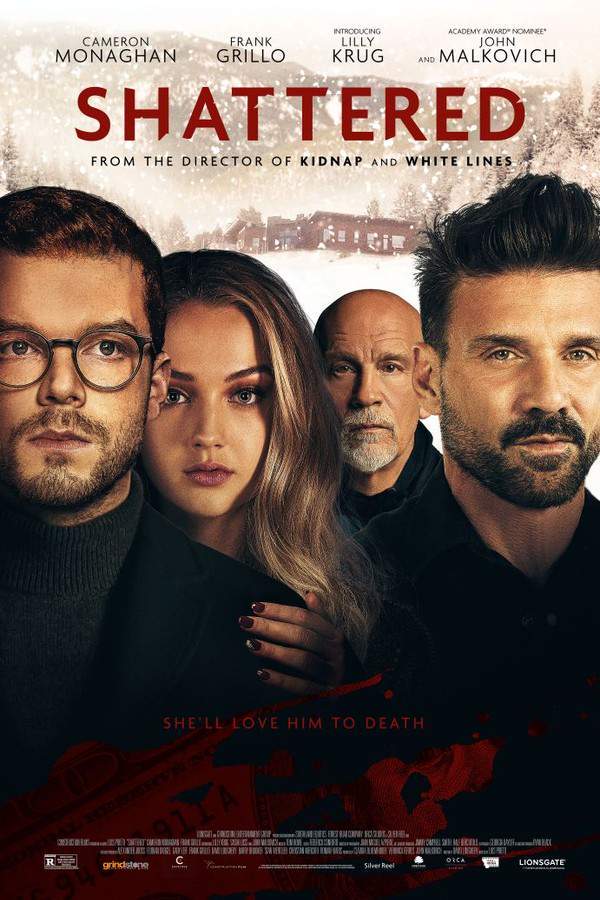
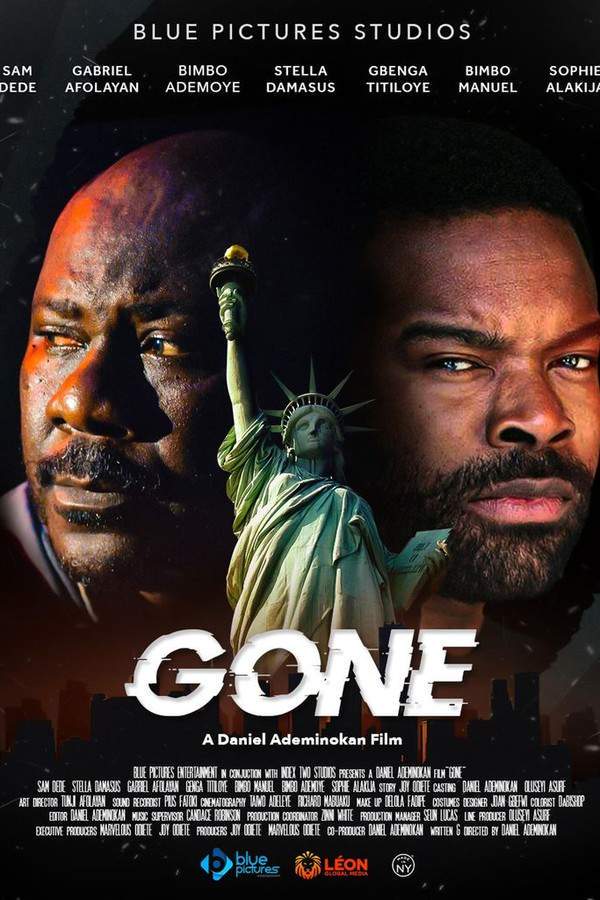
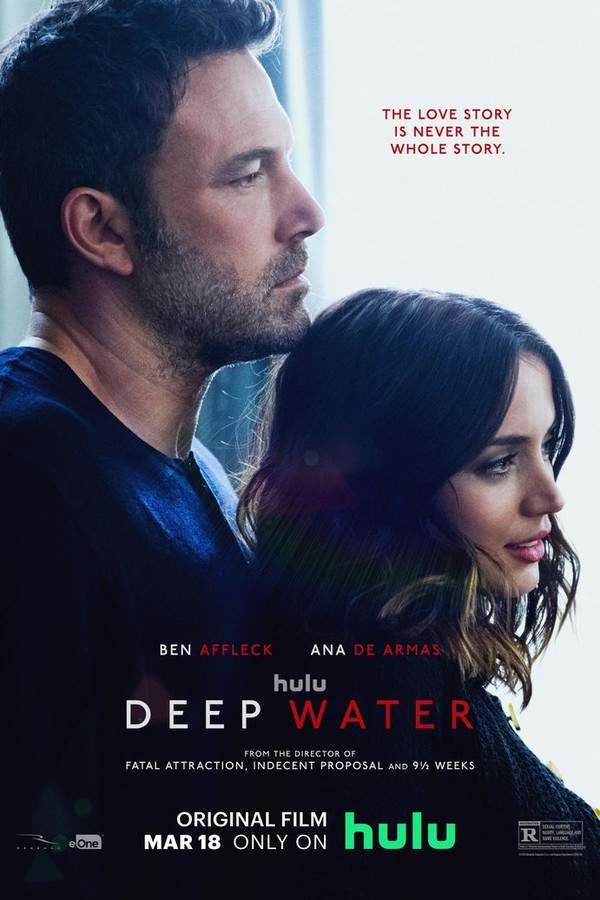
Thrillers of Predatory Partnerships like Formula for a Murder
Stories where trust is the ultimate weapon and intimacy is a deadly trap.If you liked the sinister marriage plot in 'Formula for a Murder,' explore more movies where a deceptive partner or caregiver orchestrates a terrifying scheme. These films share a dark tone, heavy emotional weight, and a focus on psychological torment within a toxic relationship.





Narrative Summary
Narratives in this thread typically begin with a relationship built on a lie, where one character is a predator and the other is the vulnerable prey. The story unfolds as the victim gradually uncovers the sinister truth, leading to a tense battle of wits and survival against a manipulative antagonist.
Why These Movies?
Movies are grouped here because they share a core narrative of betrayal within a close relationship, a consistently dark and tense tone, and a focus on psychological fragility and deception. The viewing experience is defined by suspenseful dread and the emotional heaviness of profound betrayal.
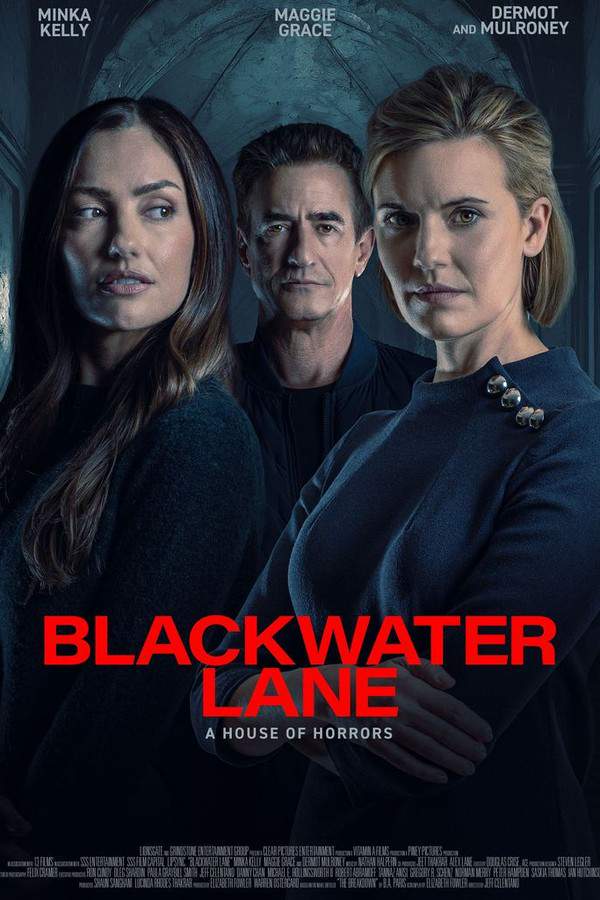
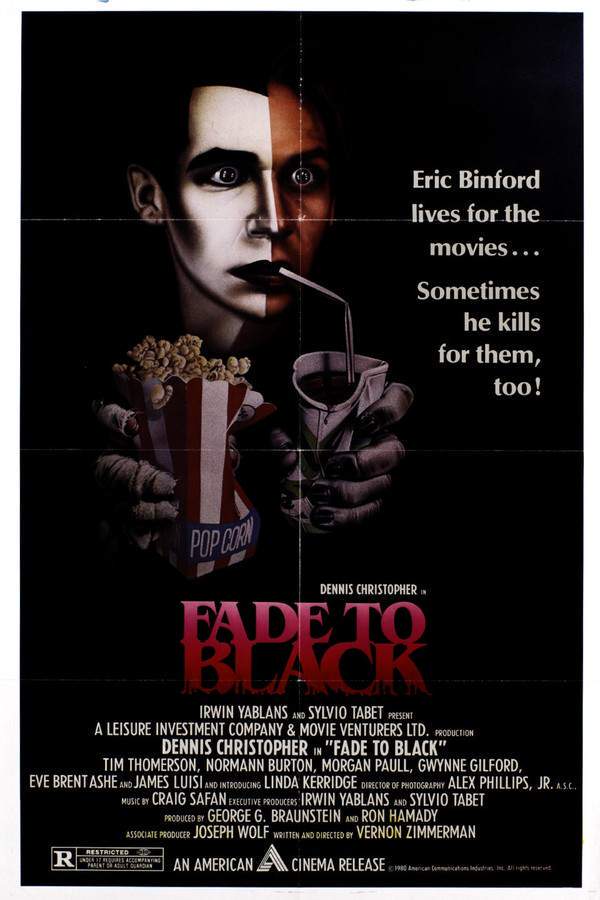
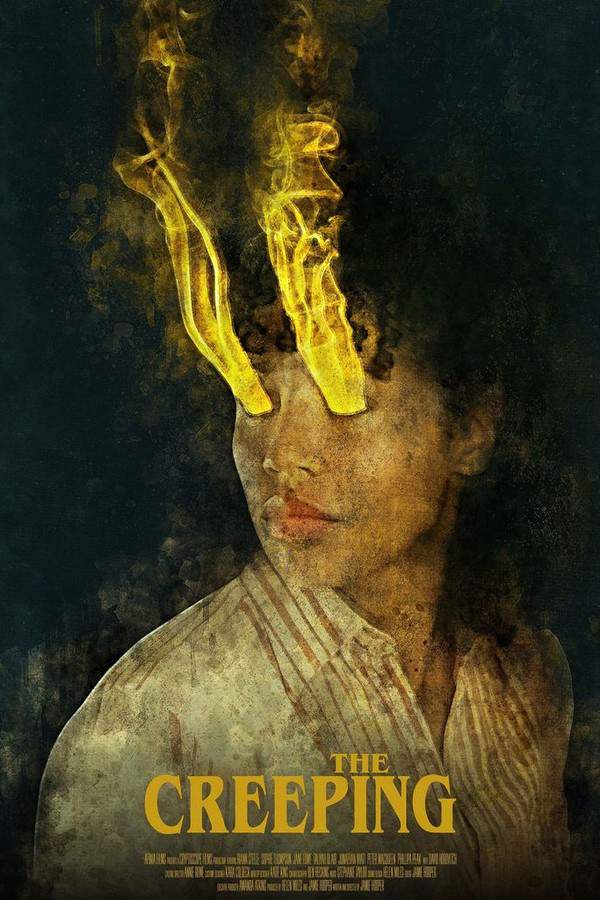
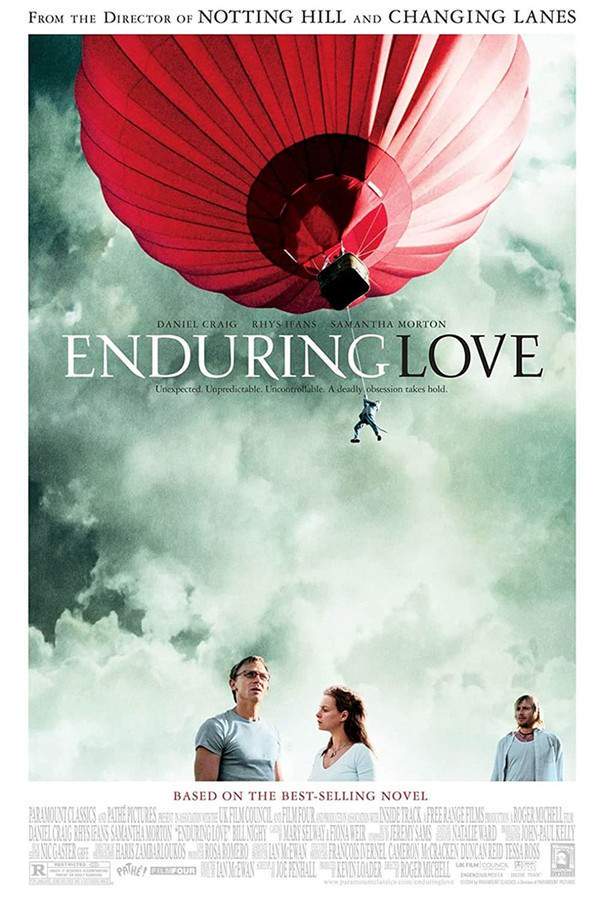
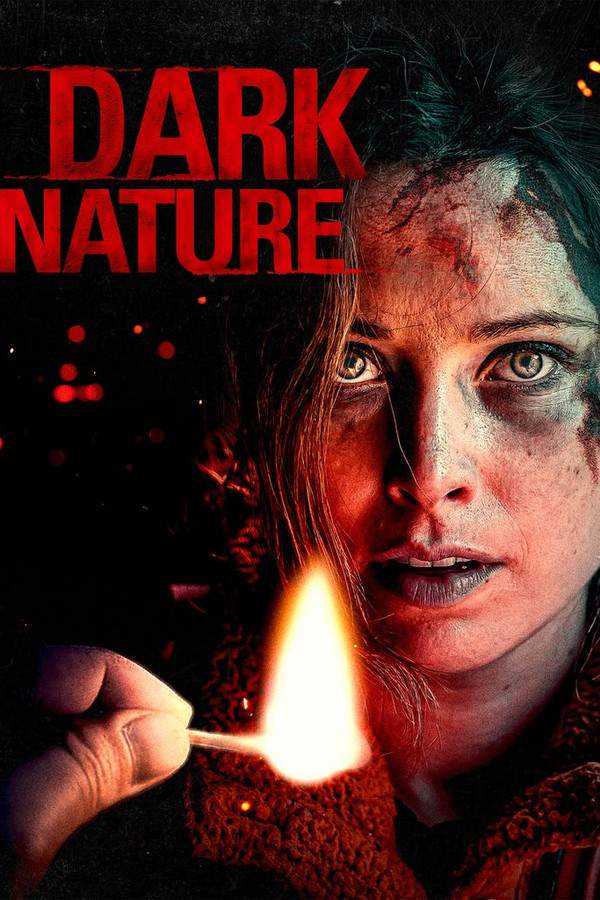
Movies with Slow-Burn Psychological Dread like Formula for a Murder
A steady, suffocating tension where danger escalates from within and without.Fans of the oppressive tension and psychological torment in 'Formula for a Murder' will find similar movies here. These films combine a steady, suspenseful pace with heavy emotional themes, focusing on characters grappling with trauma while facing a terrifying external threat.
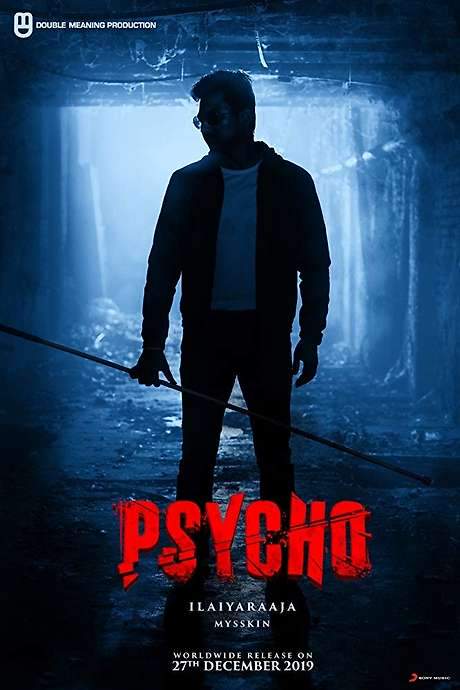
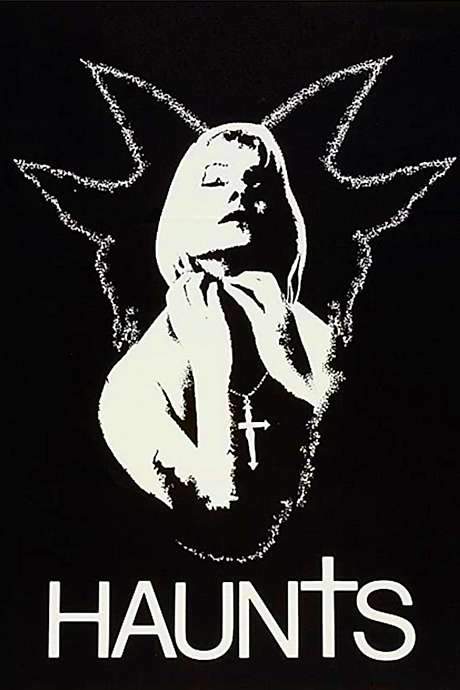


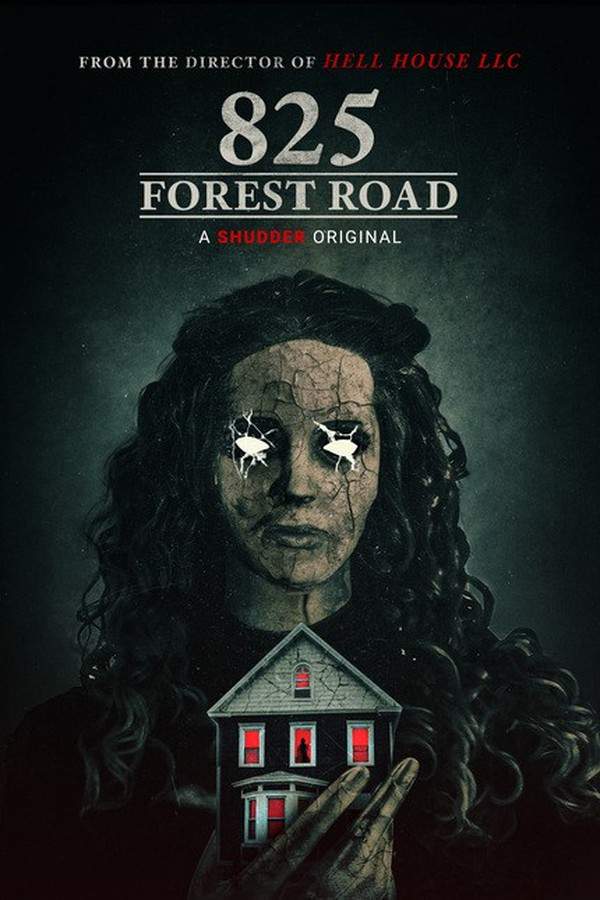
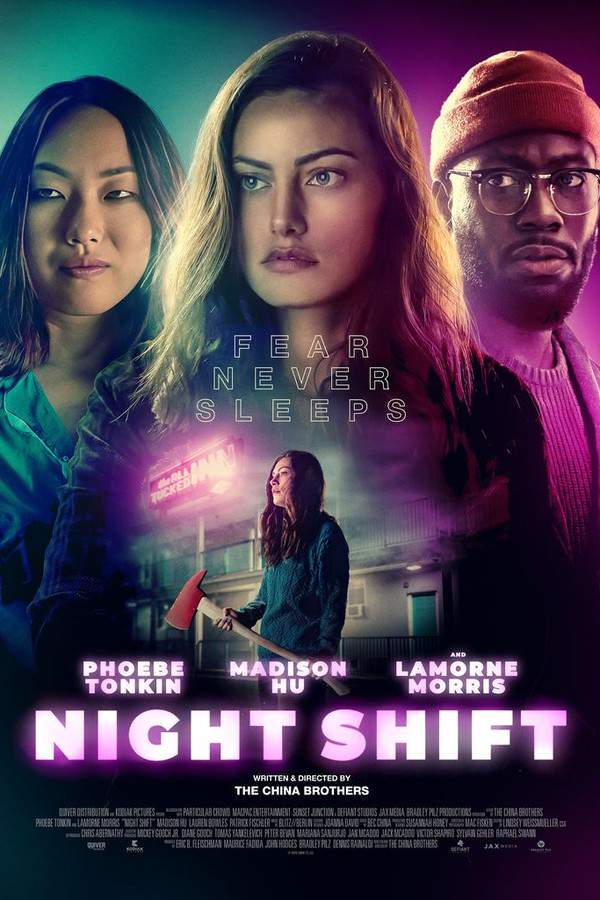


Narrative Summary
The narrative pattern follows a protagonist, often already psychologically wounded, as they face a creeping, methodical threat. Hallucinations, paranoia, and past trauma color their perception, blurring the lines between real danger and internal terror, while the external conspiracy methodically tightens its grip.
Why These Movies?
These movies are united by their oppressive, suspenseful mood, a steady pacing that builds dread, and a high intensity driven by psychological fragility and life-threatening danger. They deliver a heavy emotional experience centered on trauma and survival.
Unlock the Full Story of Formula for a Murder
Don't stop at just watching - explore Formula for a Murder in full detail. From the complete plot summary and scene-by-scene timeline to character breakdowns, thematic analysis, and a deep dive into the ending - every page helps you truly understand what Formula for a Murder is all about. Plus, discover what's next after the movie.
Formula for a Murder Timeline
Track the full timeline of Formula for a Murder with every major event arranged chronologically. Perfect for decoding non-linear storytelling, flashbacks, or parallel narratives with a clear scene-by-scene breakdown.

Characters, Settings & Themes in Formula for a Murder
Discover the characters, locations, and core themes that shape Formula for a Murder. Get insights into symbolic elements, setting significance, and deeper narrative meaning - ideal for thematic analysis and movie breakdowns.


Similar Movies to Formula for a Murder
Discover movies like Formula for a Murder that share similar genres, themes, and storytelling elements. Whether you’re drawn to the atmosphere, character arcs, or plot structure, these curated recommendations will help you explore more films you’ll love.
A Perfect Murder
1998

You’re Killing Me…
2003

Murder Obsession
1981

The Murder Secret
1988

Murder Story
1989

Murder Elite
1985

Murder by Night
1989
Massacre
1989

Murder & Matrimony
2021

Murder Weapon
1989

Crazy Desires of a Murderer
1977

A Murder Is a Murder
1972

A Degree of Murder
1967

Murder à la Mod
1968

Prescription: Murder
1968
Explore More About Movie Formula for a Murder
Formula for a Murder (1985) Scene-by-Scene Movie Timeline
Formula for a Murder (1985) Movie Characters, Themes & Settings
Formula for a Murder (1985) Spoiler-Free Summary & Key Flow
Movies Like Formula for a Murder – Similar Titles You’ll Enjoy
A Perfect Murder (1998) Spoiler-Packed Plot Recap
You’re Killing Me… (2003) Complete Plot Breakdown
Murder Obsession (1981) Movie Recap & Themes
The Murder Secret (1988) Spoiler-Packed Plot Recap
Murder Story (1989) Full Summary & Key Details
Murder Elite (1985) Complete Plot Breakdown
Murder by Night (1989) Film Overview & Timeline
Massacre (1989) Full Summary & Key Details
Murder & Matrimony (2021) Movie Recap & Themes
Murder Weapon (1989) Full Summary & Key Details
Crazy Desires of a Murderer (1977) Full Movie Breakdown
A Murder Is a Murder (1972) Movie Recap & Themes
A Degree of Murder (1967) Story Summary & Characters
Murder à la Mod (1968) Detailed Story Recap
Prescription: Murder (1968) Full Summary & Key Details