
Fog in August
Year: 2016
Runtime: 126 mins
Language: German
Director: Kai Wessel
A young Yenish boy finds himself institutionalized and experiences the horrors of the Nazi euthanasia program. Despite the grim reality unfolding around him and his strong bonds with fellow patients, he bravely tries to disrupt the program. The film explores the difficult moral choices faced by the program's director, the tragic experiences of the child victims, and the protagonist’s personal fight for survival. It is estimated that over five thousand children perished as a result of this devastating program.
Warning: spoilers below!
Haven’t seen Fog in August yet? This summary contains major spoilers. Bookmark the page, watch the movie, and come back for the full breakdown. If you're ready, scroll on and relive the story!
Timeline & Setting – Fog in August (2016)
Explore the full timeline and setting of Fog in August (2016). Follow every major event in chronological order and see how the environment shapes the story, characters, and dramatic tension.
Last updated: October 03, 2025 at 06:12
Main Characters – Fog in August (2016)
Meet the key characters of Fog in August (2016), with detailed profiles, motivations, and roles in the plot. Understand their emotional journeys and what they reveal about the film’s deeper themes.
Last updated: October 03, 2025 at 06:12
Major Themes – Fog in August (2016)
Explore the central themes of Fog in August (2016), from psychological, social, and emotional dimensions to philosophical messages. Understand what the film is really saying beneath the surface.
Last updated: October 03, 2025 at 06:12
Fog in August (2016) Character & Theme Questions Answered – Info FAQ
Browse frequently asked questions about Fog in August (2016) focused on characters, relationships, themes, symbols, setting, and story context. This movie info FAQ gives spoiler-aware explanations for character arcs, world details, and thematic interpretation so readers can better understand what the film is really about.
Where is the story set?
The film takes place in a grim psychiatric facility in Nazi Germany. This mental institution functions as a microcosm of bureaucratic cruelty, where staff carry out the Nazi euthanasia program under the guise of medical care, killing patients through barbiturates and starvation while central authorities delegate decisions to individual institutions.
When does the film take place?
The events unfold in 1944 during World War II in Nazi Germany. This period coincides with the regime's intensified racial hygiene policies that shaped medical practice in institutions, as air raids periodically interrupt the routine, reminding characters that war and oppression permeate every aspect of life.
What was the Nazi euthanasia program depicted in the film?
The film depicts the T-4 program, a state-sanctioned initiative to eliminate people with disabilities or mental illnesses deemed 'unworthy of life.' Under the pretext of care, Dr. Veithausen directs nurses to murder patients using barbiturates and cruel nutrition practices. The program shifted decision-making from the state to individual institutions, illustrating how bureaucratic evil operated at a local level.
Who is Ernst Lossa?
Ernst Lossa is a Yenish boy who becomes institutionalized in the Nazi facility. His rebellious spirit initially brings trouble but also gives him the courage to question the institution's rules, befriend fellow patient Nandl, and confront the murder plans around him. His longing for his father and a hoped-for future in America drives his stubborn will to survive.
Who is Dr. Veithausen?
Dr. Werner Veithausen is the physician who implements the euthanasia program within the facility. Guided by cold logic and the regime's racial hygiene ideals, he moves the killing into the hands of the institution's staff and answers to his Nazi superiors. He serves as the principal antagonist, embodying the bureaucratic cruelty and cold efficiency of the regime.
Who is Nandl?
Nandl is a fellow patient and Ernst Lossa's ally within the institution. As they gradually realize the scope of the murders, their friendship sustains hope as they discuss escape routes and the possibility of a different life beyond the facility. Nandl's presence underscores the power of companionship in oppressive settings.
What role does Head Nurse Sophia play?
Head Nurse Sophia strives to shield the children from poisoning, acting as the moral counterpoint to Dr. Veithausen's methods. She embodies the fragile resistance within the hospital walls, representing the human impulse to protect the innocent in the face of systematic violence, despite the immense danger to herself.
What are the main themes of Fog in August?
The film explores three interconnected themes: Euthanasia, which exposes the state-sanctioned approach to killing the vulnerable under the pretext of care; Resistance, showing how Ernst and Nandl resist the system in small dangerous ways while Sophia fights to protect the children; and Ethics, examining medical ethics under totalitarian rule where racial hygiene justifies murder and characters wrestle with guilt, complicity, and the meaning of care.
How does the film explore medical ethics?
The narrative centers on questions of medical ethics under totalitarian rule, where racial hygiene policies justify murder. Characters wrestle with guilt, complicity, and the meaning of care within a system designed to erase humanity. The ending underscores the brutal tension between duty, loyalty, and the fundamental right to live, showing how medical professionals were corrupted by ideological pressure.
What is Ernst Lossa's background as a Yenish boy?
Ernst Lossa belongs to the Yenish community, a traditionally nomadic ethnic group persecuted by the Nazi regime. His Yenish identity marks him as targeted by the regime's racial policies. His father's hope to bring Ernst to America represents the promise of freedom and a different life, though this hope is ultimately denied due to the father's lack of a permanent address.

Explore Movie Threads
Discover curated groups of movies connected by mood, themes, and story style. Browse collections built around emotion, atmosphere, and narrative focus to easily find films that match what you feel like watching right now.
Movies about institutional survival like Fog in August
Stories of vulnerable individuals fighting for their lives within oppressive systems.If you were moved by the desperate fight for survival in Fog in August, explore other movies about characters trapped in oppressive institutions. These films share a heavy emotional weight, bleak tone, and focus on the moral conflicts and human cost of systemic cruelty.

Unruly
2011

Unruly
2022

Hospital of the Transfiguration
1979
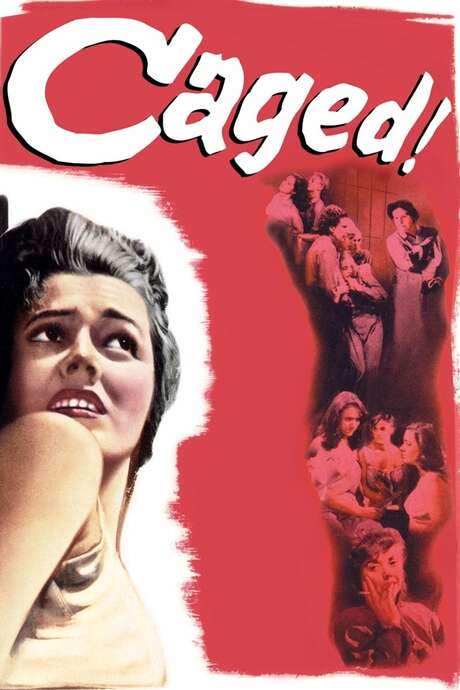
Caged
1950
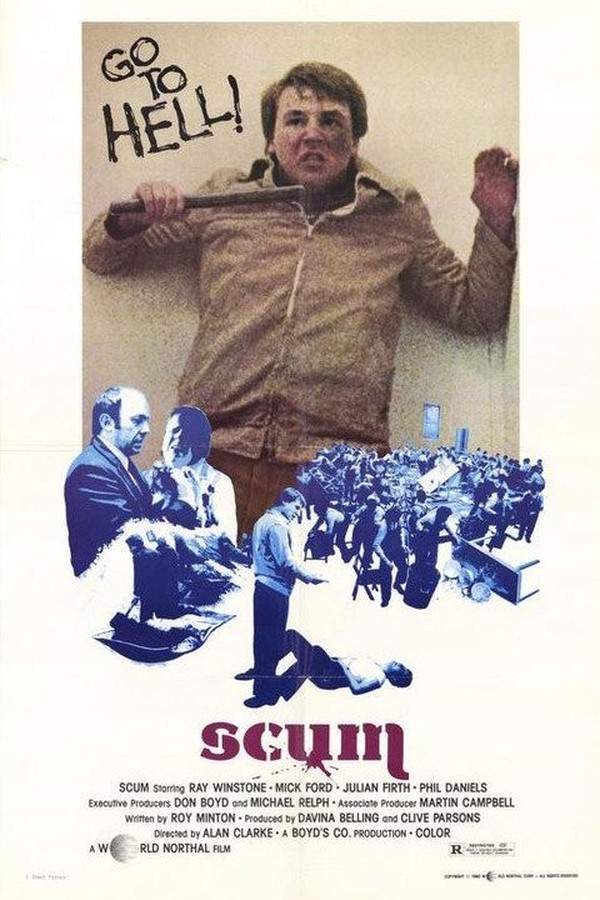
Scum
1980

They Shoot Horses, Don't They?
1969
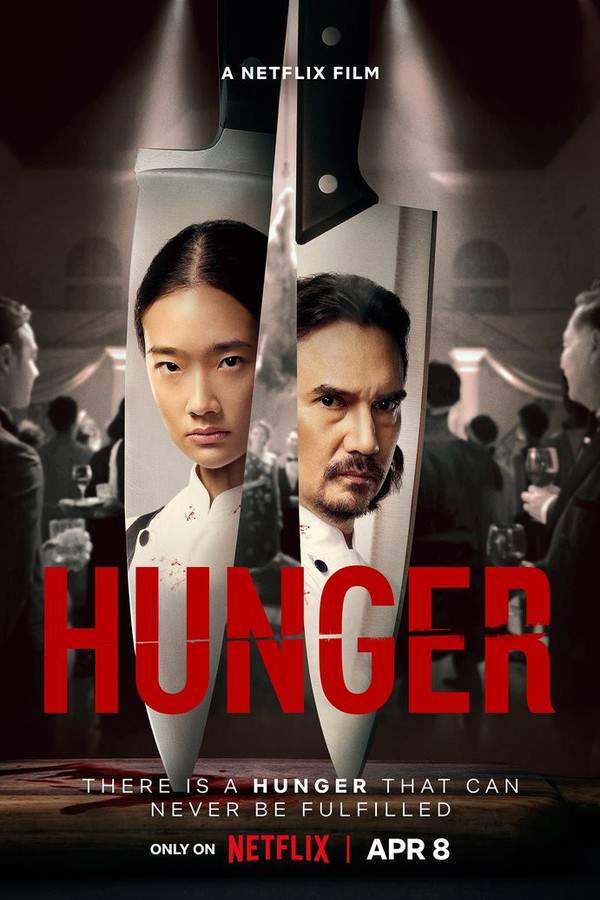
Hunger
2008

The Devil's Bath
2024

Waiting for the Barbarians
2019

The Holy Innocents
1984

Weighed But Found Wanting
1974

Fires on the Plain
2014

Waiting for the Barbarians
2020

Prison Song
2001
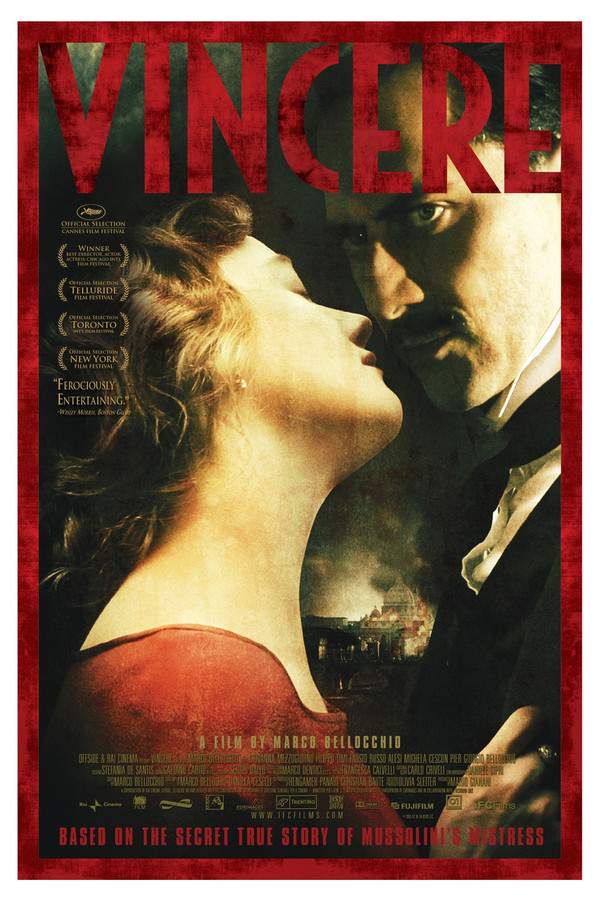
Vincere
2010
Narrative Summary
Stories in this thread typically follow a protagonist or group navigating a rigid, often cruel system designed to dehumanize them. The plot focuses on their daily struggles, small acts of defiance, and the formation of fragile alliances, often building towards a confrontation with the institution's authority that carries immense personal risk and a high probability of tragic outcomes.
Why These Movies?
These movies are grouped together because they share a powerful and oppressive atmosphere, a focus on survival against impersonal power, and a narrative structure that emphasizes the grim reality of being a cog in a merciless machine. The emotional core revolves around resilience in the face of inevitable, systemic horror.
Grim historical dramas like Fog in August
Sobering films that portray the darkest chapters of human history with stark realism.For viewers seeking more sobering historical films like Fog in August, this list features stories based on true events that are portrayed with stark realism and a bleak tone. These movies are emotionally heavy, straightforward in their tragic narrative, and focus on the human cost of history.

All Quiet on the Western Front
1979
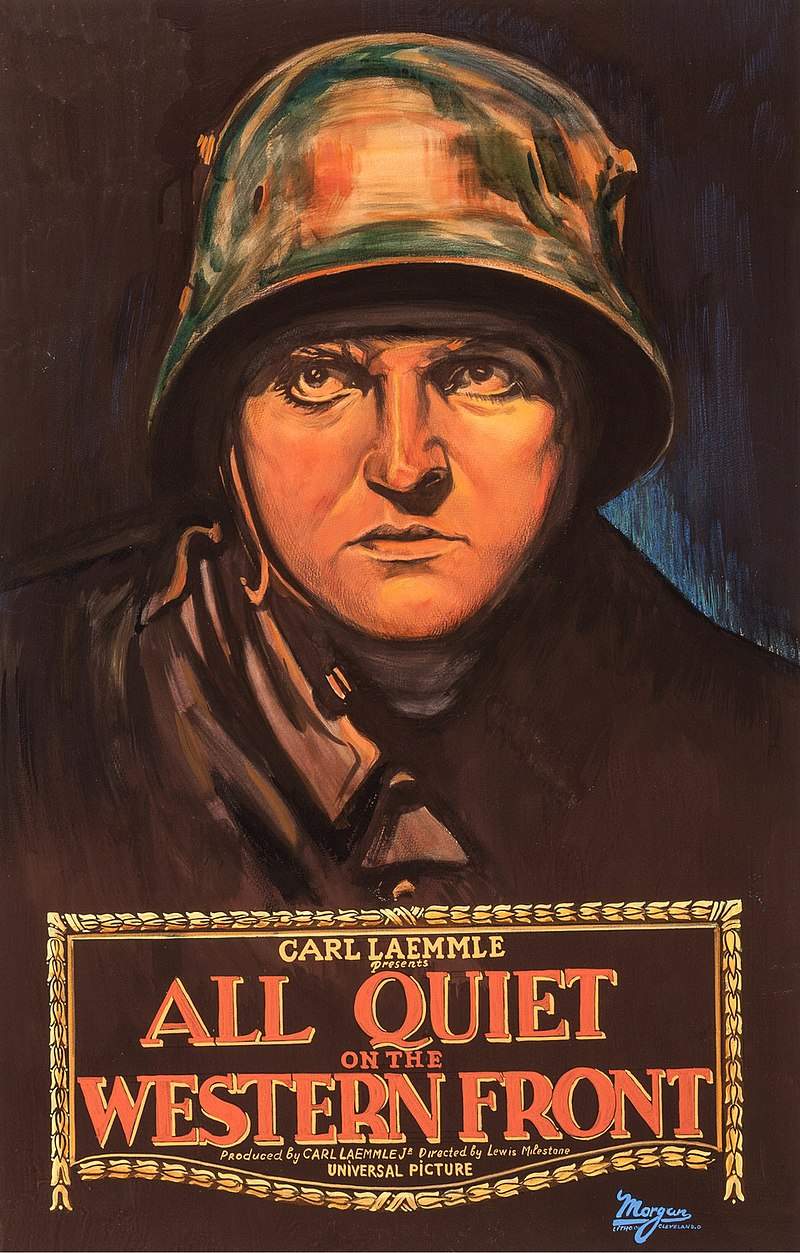
All Quiet on the Western Front
1930
Aftermath
2017
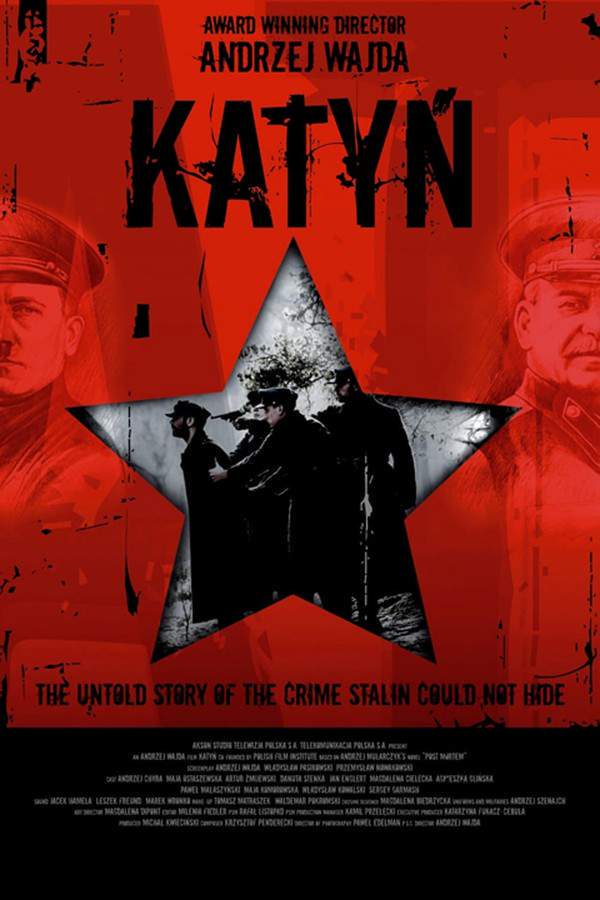
Katyn
2009

Legend of Destruction
2021
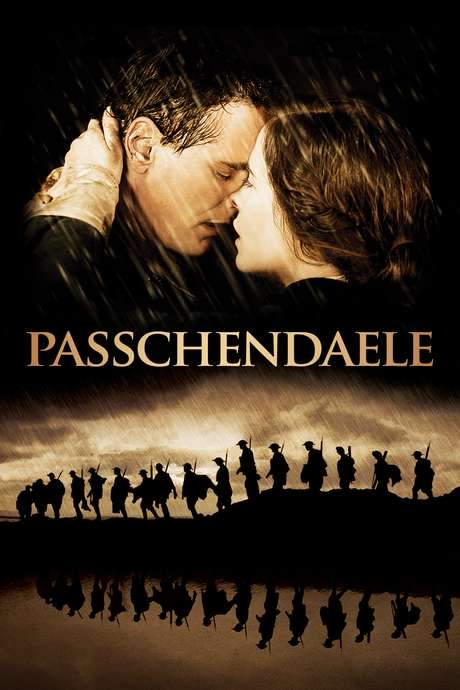
Passchendaele
2008
Weighed But Found Wanting
1974
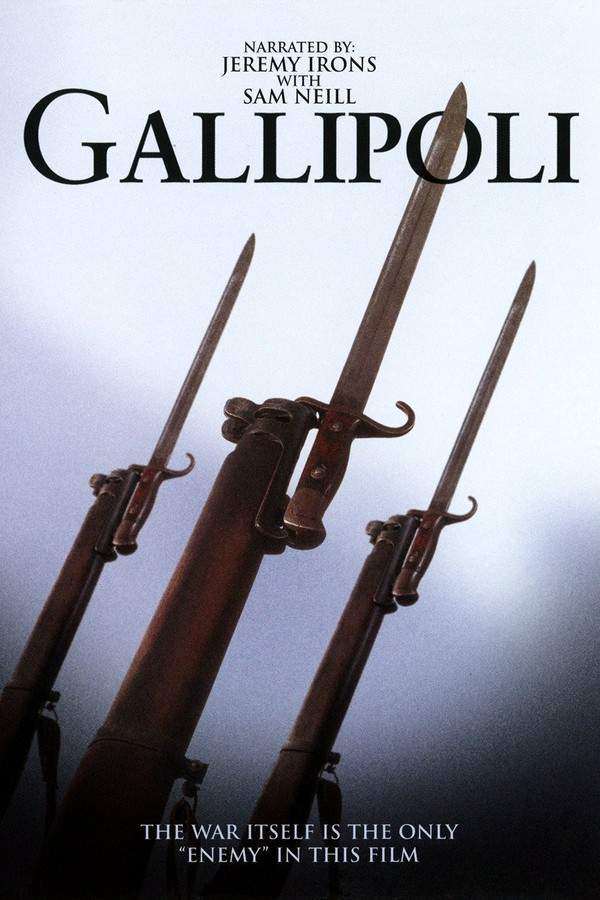
Gallipoli
1981
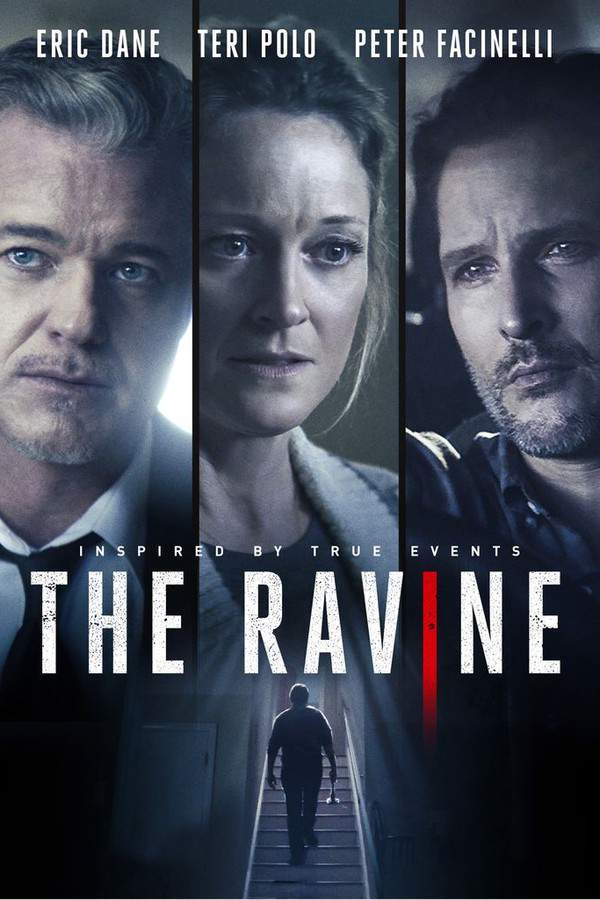
The Ravine
2022

Germany, Year Zero
1948
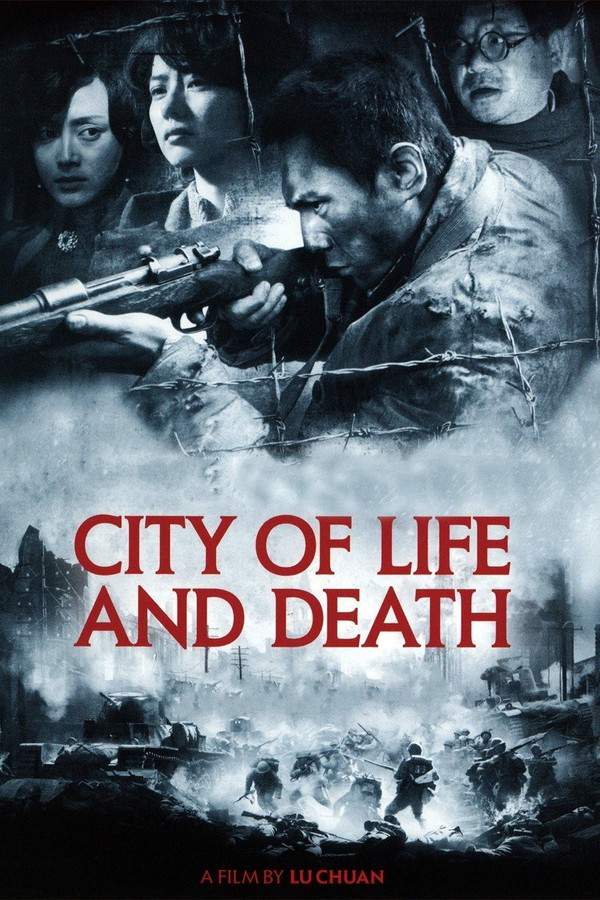
City of Life and Death
2011

A Screaming Man
2011
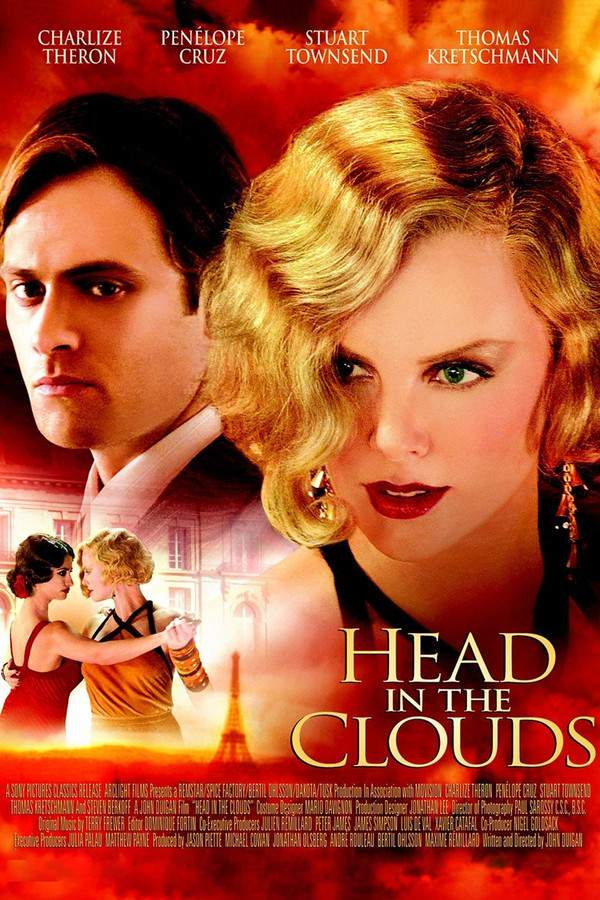
Head in the Clouds
2004

Lion of the Desert
1980
They Shoot Horses, Don't They?
1969
Narrative Summary
The narrative pattern is often straightforward and linear, chronicling a historical event through the eyes of its victims. There is little narrative contrivance or artificial hope; the story's power comes from its faithful and devastating depiction of real suffering, leading to an ending that is almost universally sad, serving as a memorial to the lives lost.
Why These Movies?
These films are united by their sober approach to history, their refusal to offer easy solace, and their intense focus on emotional truth over entertainment. They share a heavy, somber mood, a steady pacing that methodically builds tragedy, and a commitment to depicting the full weight of historical horror.
Unlock the Full Story of Fog in August
Don't stop at just watching - explore Fog in August in full detail. From the complete plot summary and scene-by-scene timeline to character breakdowns, thematic analysis, and a deep dive into the ending - every page helps you truly understand what Fog in August is all about. Plus, discover what's next after the movie.
Fog in August Summary
Read a complete plot summary of Fog in August, including all key story points, character arcs, and turning points. This in-depth recap is ideal for understanding the narrative structure or reviewing what happened in the movie.

Fog in August Timeline
Track the full timeline of Fog in August with every major event arranged chronologically. Perfect for decoding non-linear storytelling, flashbacks, or parallel narratives with a clear scene-by-scene breakdown.


