
Fog in August
Year: 2016
Runtime: 126 mins
Language: German
Director: Kai Wessel
A young Yenish boy finds himself institutionalized and experiences the horrors of the Nazi euthanasia program. Despite the grim reality unfolding around him and his strong bonds with fellow patients, he bravely tries to disrupt the program. The film explores the difficult moral choices faced by the program's director, the tragic experiences of the child victims, and the protagonist’s personal fight for survival. It is estimated that over five thousand children perished as a result of this devastating program.
Warning: spoilers below!
Haven’t seen Fog in August yet? This summary contains major spoilers. Bookmark the page, watch the movie, and come back for the full breakdown. If you're ready, scroll on and relive the story!
Timeline – Fog in August (2016)
Trace every key event in Fog in August (2016) with our detailed, chronological timeline. Perfect for unpacking nonlinear stories, spotting hidden connections, and understanding how each scene builds toward the film’s climax. Whether you're revisiting or decoding for the first time, this timeline gives you the full picture.
Last updated: October 03, 2025 at 06:45
Fog in August (2016) Timeline Questions Answered – Chronology FAQ
Find frequently asked questions about the Fog in August (2016) timeline, including chronological order, nonlinear jumps, cause-and-effect links, and scene sequence clarifications. This timeline FAQ helps explain when key events happen, how moments connect, and why the story unfolds in that specific order.
Why is Ernst Lossa denied discharge from the institution?
Ernst is denied discharge because his father Christian Lossa has no permanent address after being released from a concentration camp. The authorities consider Ernst homeless and therefore unable to be released to his father's care, trapping him in the institution where he becomes subject to the euthanasia program.
From the beginning, Ernst clings to the hope that his father will bring him to America, but this hope is crushed by the bureaucratic requirement for a stable address.
How does Dr. Veithausen kill the patients?
Dr. Veithausen implements a slow starvation method by feeding patients boiled vegetable soup that has been stripped of its nutrients. This method allows him to quietly kill patients over time while maintaining the appearance of providing food, satisfying his Nazi superiors who expect results without direct violence.
The film establishes early that central authorities have shifted euthanasia decisions to individual doctors, giving Veithausen the authority to devise his own methods.
What happens during Ernst's air raid escape attempt?
Ernst plans to escape during an air raid, using the chaos and bombardment as cover. However, a nearby bomb explodes and sends debris flying, striking and injuring Nandl. The escape fails, and in the aftermath, Sister Sophia dies after attending a funeral, leaving Ernst devastated.
Ernst and Nandl had been discussing escape plans for some time, viewing the air raid as their best opportunity.
Who kills Ernst Lossa at the end?
The film deliberately leaves the killer ambiguous. After Veithausen orders Ernst's death, both Sister Kiefer and orderly Paul Hechtle deny being the one who carried it out. Neither confesses to the killing, reflecting the culture of complicity and cowardice among the staff.
Ernst's open accusation of Veithausen as a murderer directly challenges the doctor, setting the stage for retaliation.
Why does Nandl tell others Ernst went to America?
After Ernst is killed, Nandl informs the other patients that he finally made it to America. This false hope serves as a coping mechanism for the ward, allowing the children to maintain some sense of optimism in their hopeless situation. It becomes a comforting myth rather than truth.
Ernst repeatedly mentions his father's plan to take him to America throughout the film, making this false report resonate with the other patients.
Why is Sister Kiefer transferred to the institution?
Sister Kiefer is transferred from Hadamar, another institution known for its role in the Nazi euthanasia program. She arrives willing to kill child patients using barbiturates, bringing direct experience in extermination methods. Her presence represents the systematic spread of the euthanasia program across German institutions.
Hadamar was one of the most notorious killing centers, making Kiefer's transfer a significant escalation.
What is the Nazi euthanasia program depicted in the film?
The film depicts the Aktion T4 program, Hitler's secret initiative to eliminate mentally and physically disabled people deemed unworthy of living. Over 5,000 children perished through methods including lethal injection, starvation, and later gassing. The program was presented as mercy but was actually mass murder based on theories of racial hygiene.
The opening establishes the institutional setting and foreshadows the systematic killing that will unfold.
Why does Ernst accuse Dr. Veithausen of murder?
Ernst directly accuses Veithausen of murder after Sister Sophia dies following the air raid tragedy. He sees through the doctor's method of slow starvation as a deliberate killing method and holds him responsible for the deaths occurring in the institution, confronting the moral rot at the heart of the system.
Ernst and Nandl had already become aware of Veithausen's plans to murder patients before the air raid incident.

Explore Movie Threads
Discover curated groups of movies connected by mood, themes, and story style. Browse collections built around emotion, atmosphere, and narrative focus to easily find films that match what you feel like watching right now.
Movies about institutional survival like Fog in August
Stories of vulnerable individuals fighting for their lives within oppressive systems.If you were moved by the desperate fight for survival in Fog in August, explore other movies about characters trapped in oppressive institutions. These films share a heavy emotional weight, bleak tone, and focus on the moral conflicts and human cost of systemic cruelty.

Unruly
2011

Unruly
2022

Hospital of the Transfiguration
1979
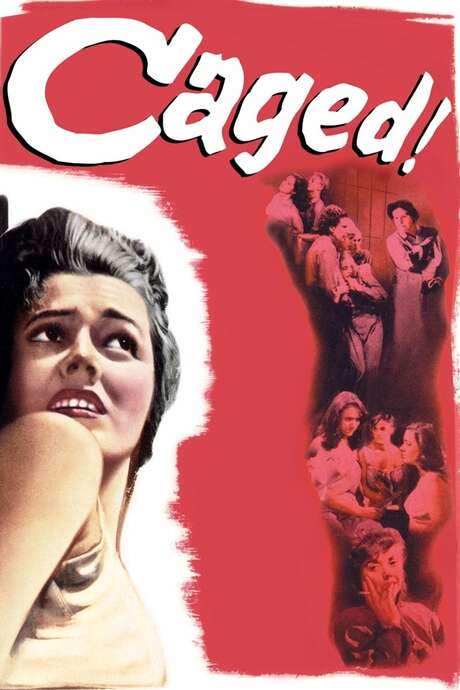
Caged
1950
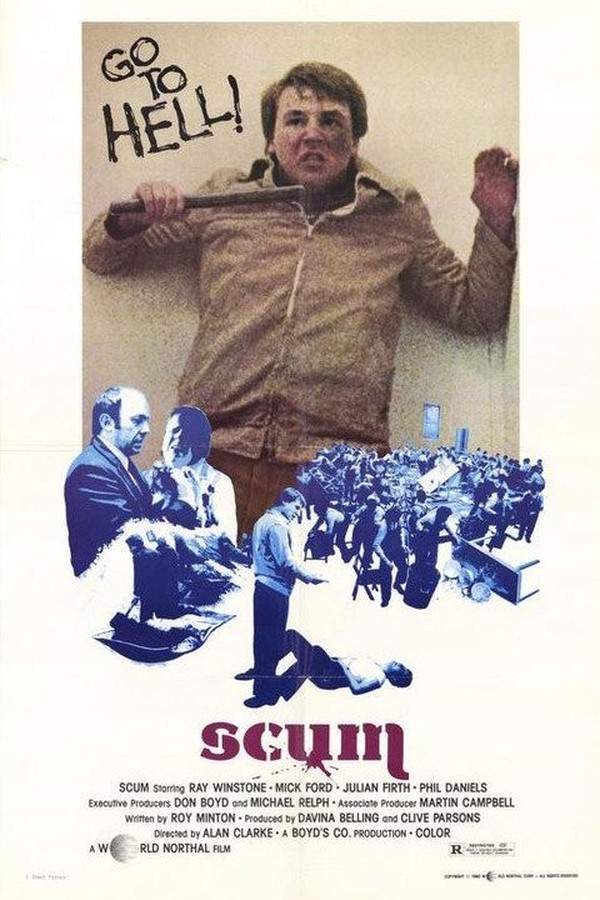
Scum
1980

They Shoot Horses, Don't They?
1969
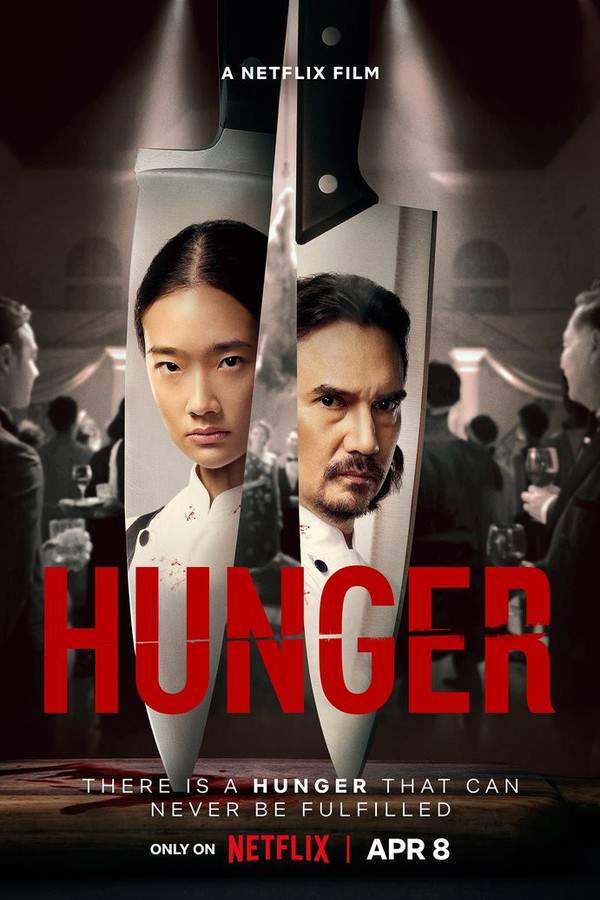
Hunger
2008

The Devil's Bath
2024

Waiting for the Barbarians
2019

The Holy Innocents
1984

Weighed But Found Wanting
1974

Fires on the Plain
2014

Waiting for the Barbarians
2020

Prison Song
2001
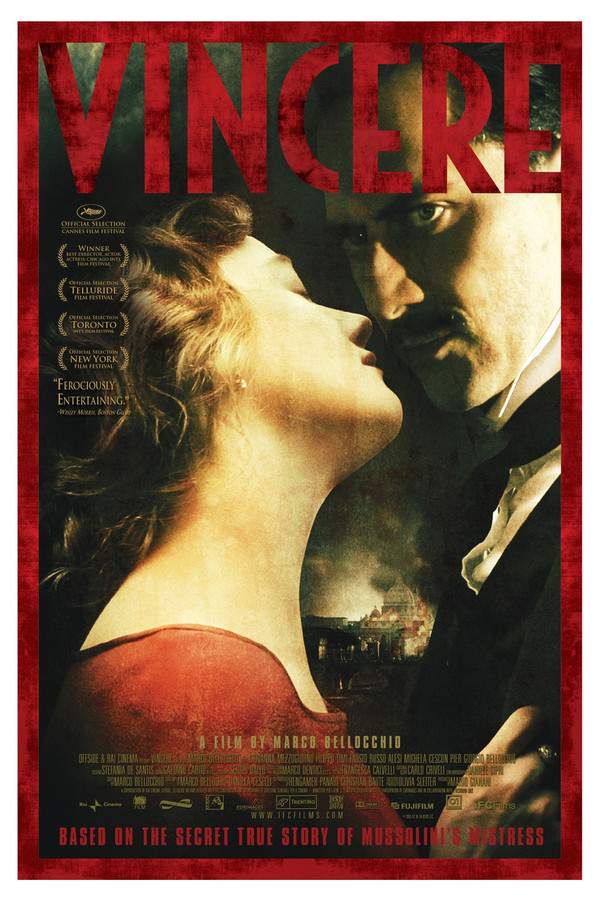
Vincere
2010
Narrative Summary
Stories in this thread typically follow a protagonist or group navigating a rigid, often cruel system designed to dehumanize them. The plot focuses on their daily struggles, small acts of defiance, and the formation of fragile alliances, often building towards a confrontation with the institution's authority that carries immense personal risk and a high probability of tragic outcomes.
Why These Movies?
These movies are grouped together because they share a powerful and oppressive atmosphere, a focus on survival against impersonal power, and a narrative structure that emphasizes the grim reality of being a cog in a merciless machine. The emotional core revolves around resilience in the face of inevitable, systemic horror.
Grim historical dramas like Fog in August
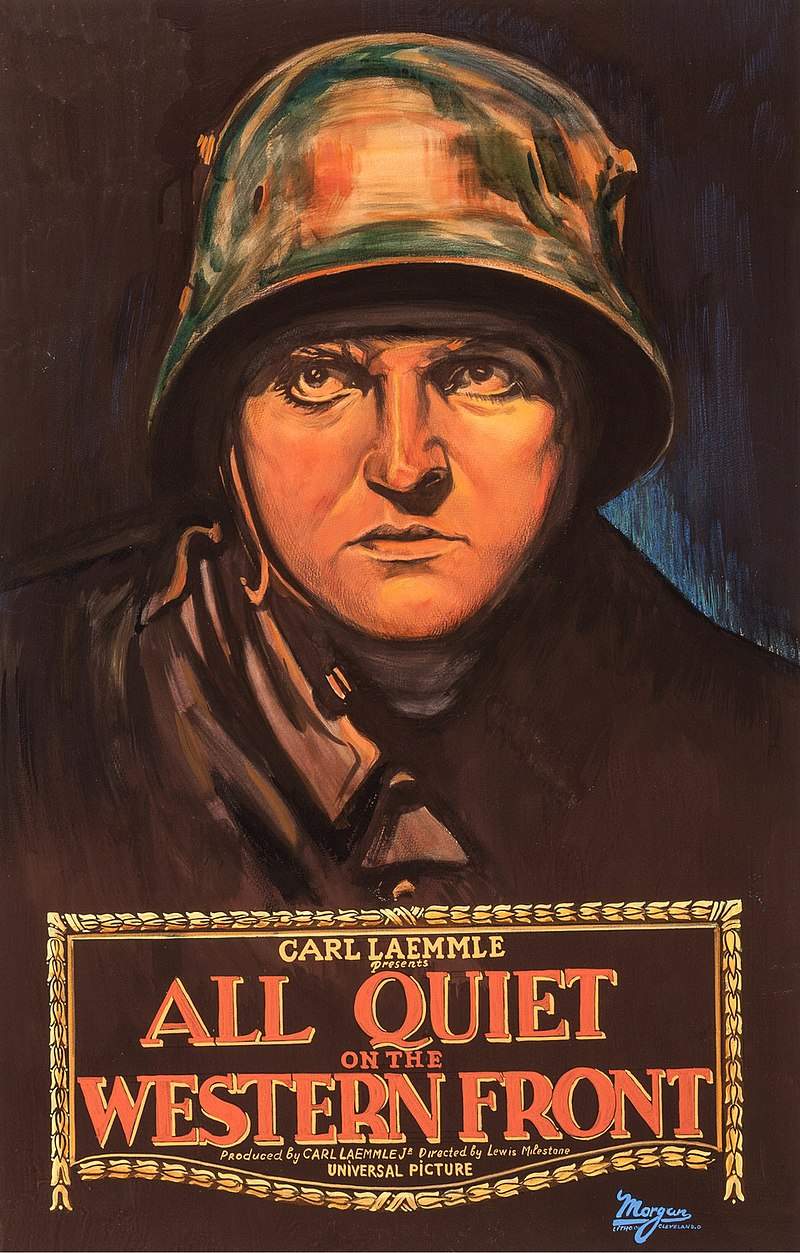
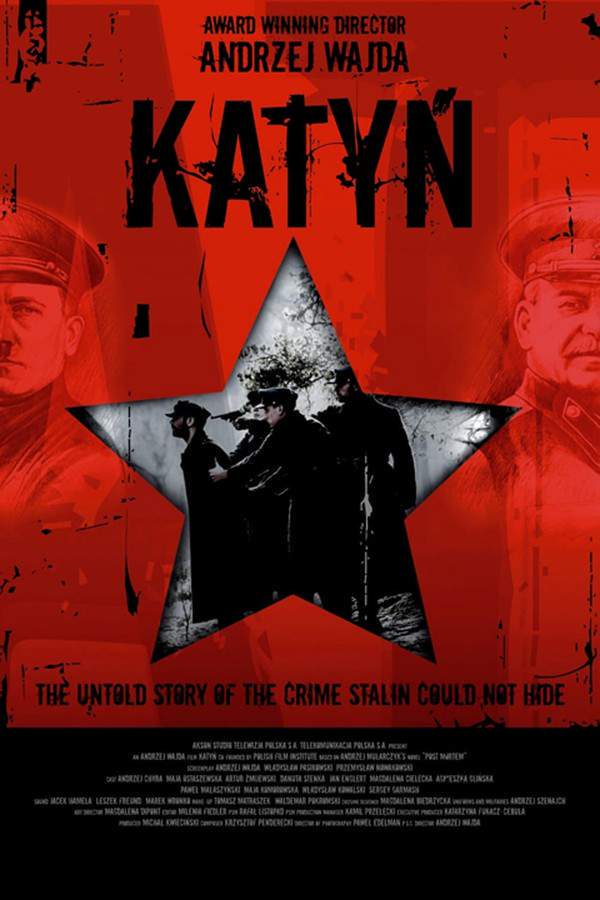
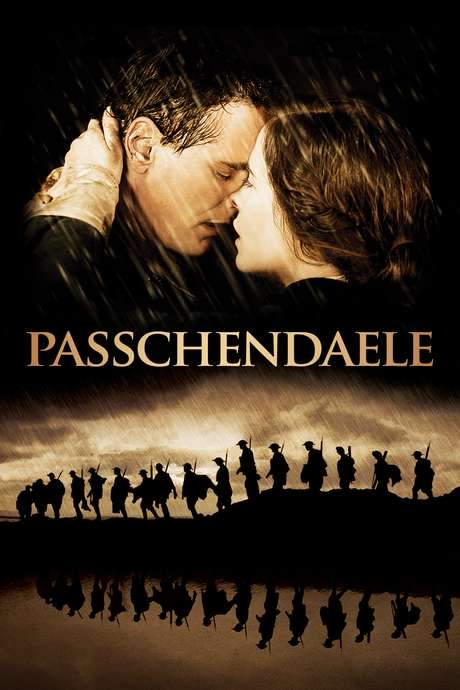
Sobering films that portray the darkest chapters of human history with stark realism.For viewers seeking more sobering historical films like Fog in August, this list features stories based on true events that are portrayed with stark realism and a bleak tone. These movies are emotionally heavy, straightforward in their tragic narrative, and focus on the human cost of history.

All Quiet on the Western Front
1979
All Quiet on the Western Front
1930
Aftermath
2017
Katyn
2009

Legend of Destruction
2021
Passchendaele
2008
Weighed But Found Wanting
1974
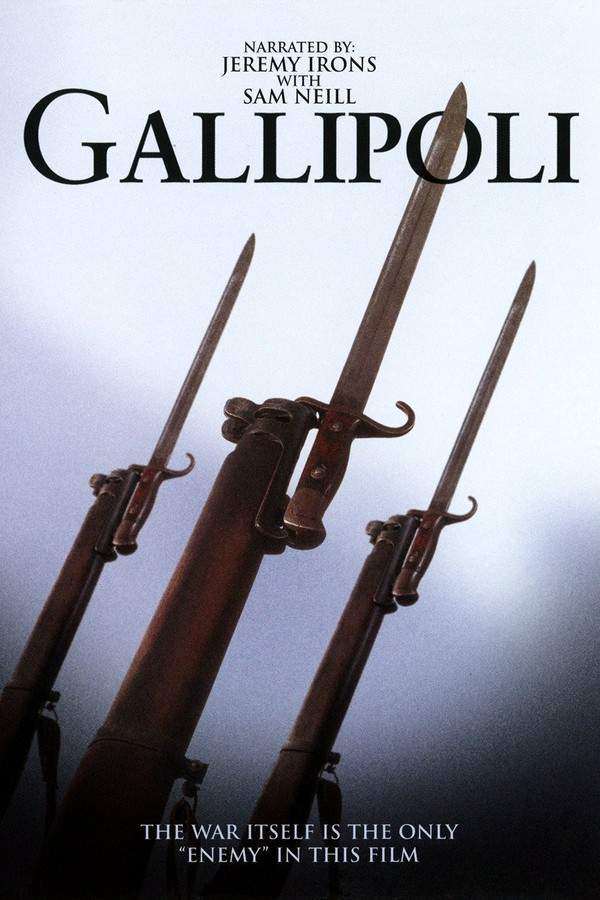
Gallipoli
1981
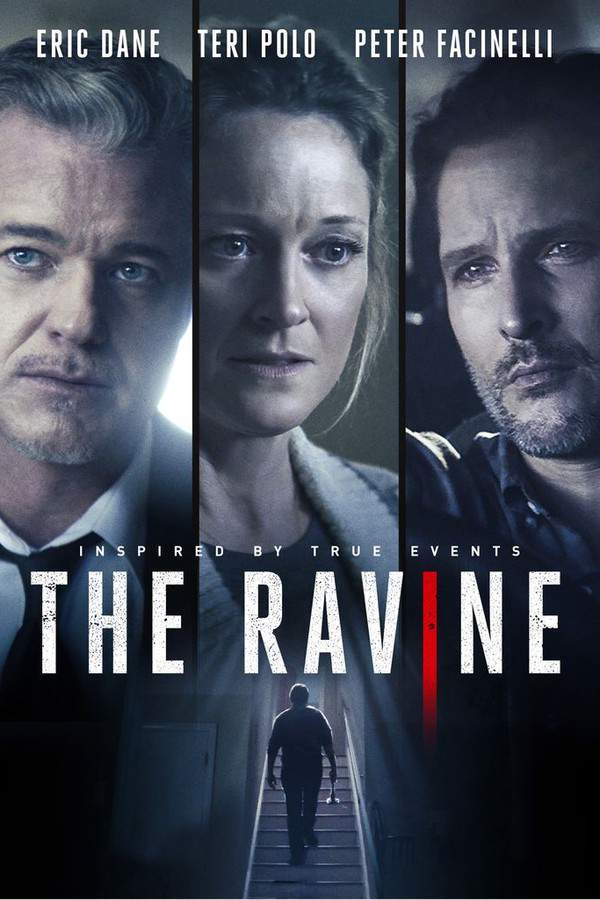
The Ravine
2022

Germany, Year Zero
1948
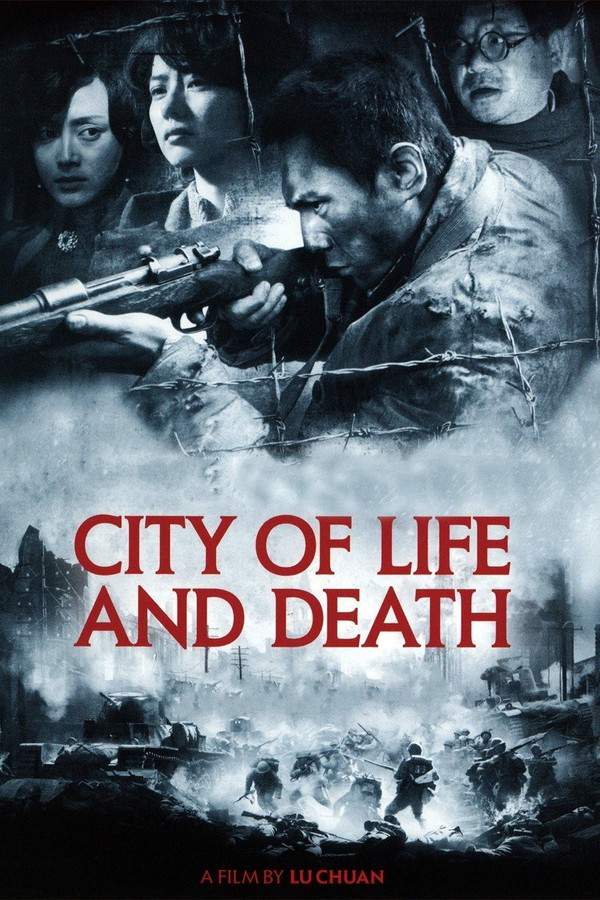
City of Life and Death
2011

A Screaming Man
2011

Head in the Clouds
2004

Lion of the Desert
1980
They Shoot Horses, Don't They?
1969
Narrative Summary
The narrative pattern is often straightforward and linear, chronicling a historical event through the eyes of its victims. There is little narrative contrivance or artificial hope; the story's power comes from its faithful and devastating depiction of real suffering, leading to an ending that is almost universally sad, serving as a memorial to the lives lost.
Why These Movies?
These films are united by their sober approach to history, their refusal to offer easy solace, and their intense focus on emotional truth over entertainment. They share a heavy, somber mood, a steady pacing that methodically builds tragedy, and a commitment to depicting the full weight of historical horror.
Unlock the Full Story of Fog in August
Don't stop at just watching - explore Fog in August in full detail. From the complete plot summary and scene-by-scene timeline to character breakdowns, thematic analysis, and a deep dive into the ending - every page helps you truly understand what Fog in August is all about. Plus, discover what's next after the movie.
Fog in August Summary
Read a complete plot summary of Fog in August, including all key story points, character arcs, and turning points. This in-depth recap is ideal for understanding the narrative structure or reviewing what happened in the movie.

Characters, Settings & Themes in Fog in August
Discover the characters, locations, and core themes that shape Fog in August. Get insights into symbolic elements, setting significance, and deeper narrative meaning - ideal for thematic analysis and movie breakdowns.


