Plot Explained Spoilers guaranteed!
Plot Explained

Browse by genre

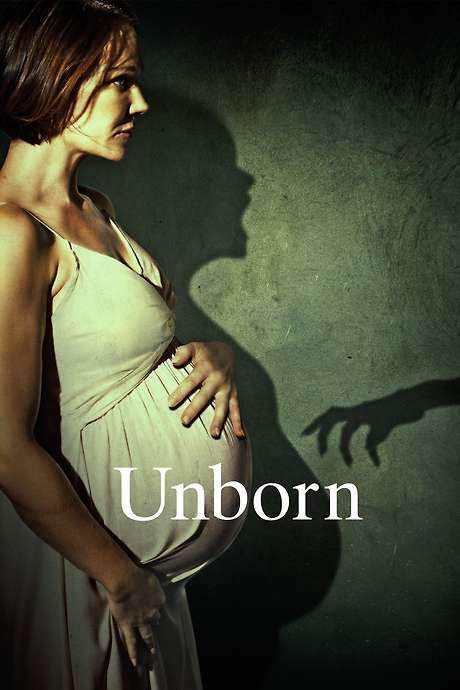
First Born (2007) movie poster

Plot Summary

First Born (2007) Plot Summary Explained

Release, runtime and language
2007 · 95 mins · English
Directed by
Isaac Webb
Starring
Elisabeth Shue, Kathleen Chalfant, Khandi Alexander, Steven Mackintosh, Barbara Rhoades, Blair Brown

Pregnant Laura feels isolated: her husband Steven, though caring, is often absent, and her mother lives far away. Having sacrificed her own ambitions, she is already on edge. After a traumatic C‑section, she begins to experience unsettling visions, and a disturbing babysitter only heightens her paranoia. As distrust grows, Laura spirals into a self‑destructive mental breakdown.

On this page (5)
  1. 1 What happens: full plot
  2. 2 Plot questions answered
  3. 3 Movie threads
  4. 4 Movies like First Born
  5. 5 Every angle

Full plot summary · contains spoilers

What Happens in First Born: Full Plot Summary

The whole story of First Born (2007) explained, from the opening scene to the final frame: every key event, every twist and what it all adds up to. Read it as a quick recap before the sequel, to check a scene you missed, or to finally understand what really happened.

Laura, Elisabeth Shue, is an artistic dancer married to a wealthy New York City businessman. After a dance performance, she suspects she might be pregnant. On the subway home, she notices a young woman across from her holding a baby; a moment later the woman is gone, leaving only a baby wrapped in a blanket—a doll. Alarmed, Laura reaches for the infant, but it’s just a doll, and she hears a distant cry echoing in the background. She stops at a drugstore to pick up a pregnancy test, bringing the doll home with her. Later that night, she and her husband Steve, Steven Mackintosh, share the good news: he has made partner at his firm and she is pregnant.

They move to the countryside, hoping for a fresh start, but Laura is soon haunted by the persistent sound of a crying baby that unsettles her deeply. One day, while speaking with her mother, Blair Brown, she leaves their dog in the basement; the dog later dies after ingesting rat poison she had laid out for mice. The cries continue to intrude on her sleep and sanity, gnawing at her emotional health.

Laura’s labor arrives with complications, and she undergoes an emergency C-section, giving birth to a girl. She visits the nursery and feels a cold distance from the other new mothers, struggling to connect with her own baby. At home, insomnia and difficulties pumping breast milk compound her distress. Her mother reassures her that postpartum depression is common and urges Steve to help, but he remains busy with work. In a bid to stabilize Laura, Steve hires an au pair named Mrs. Kasperian, Kathleen Chalfant, whose presence is meant to be a steadying force.

The routine of a social dinner at Steve’s firm becomes a source of escalating anxiety for Laura. She frets over her appearance, dyes her hair, and ends up rushing to the event with the baby in tow, only to fear that people are judging her. The hair dye leaves streaks in her hair as she contends with the stress of motherhood, prompting a tense departure from the dinner with Steve bringing her home.

Nightmares intensify as Laura’s consciousness slips between reality and unsettling visions. She checks the baby monitor and sees Mrs. Kasperian pulling a butcher knife from the crib, triggering a heated confrontation in which Mrs. Kasperian is alarmed by Laura’s apparent mental break. The police are called, but they cannot substantiate the threat. Laura’s husband and the authorities begin to question her grip on reality, and a doctor diagnoses postpartum psychosis, recommending rest and medical support. Steve takes a month off work, and Laura’s mother stays with them to help care for the baby while Laura tentatively returns to dancing.

She hears the baby’s cries again but sees no baby in the crib. The doll sits on a dresser, and Laura eventually buries it under the lawn, a gesture she hopes will quiet the haunting. The next morning, Steve and Laura’s mother wonder where “Jessica” is, and Laura, unsettled, calls out Jessica’s name across the house—only to reveal that Jessica was likely the baby doll she buried. The film closes with Laura waking from sleep, a smile on her face that hints at a relief that may be fleeting, as the line between reality and illusion remains dangerously blurred.


Last updated: October 09, 2025 at 15:12

Was this helpful?

Plot questions answered

First Born Plot Explained: Your Questions Answered

The questions people ask most about First Born (2007): what happens in the confusing scenes, why the characters do what they do, the twists, hidden details and what the ending means. Each answer contains spoilers.

Q1

Why does Laura find a baby doll on the subway?

The subway encounter serves as the inciting incident that sets Laura's psychological decline in motion. She sees a young woman holding what appears to be a real baby, then the woman vanishes, leaving only a doll wrapped in a blanket. Laura hears a real baby crying in the background, which suggests her mind may already be processing sounds that aren't present. Taking the doll home symbolizes her subconscious anxiety about impending motherhood and her fear of not being able to care for a child.

Foreshadowing: The cries Laura hears echo throughout the film, hinting at her deteriorating grip on reality.

  • baby doll
  • subway
  • psychosis
  • hallucination
  • pregnancy
Q2

Why does the dog die in the basement?

Laura places the family dog in the basement to keep it away from pests, but she had previously laid out rat poison for mice. The dog ingests the poison and dies, adding to Laura's growing guilt and paranoia. This tragedy occurs as she is already struggling with the psychological strain of pregnancy and the move to the countryside, deepening her sense that something is fundamentally wrong in her life.

Foreshadowing: The dog's death foreshadows Laura's inability to protect anything, including her own child.

  • dog
  • rat poison
  • basement
  • death
  • guilt
Q3

Was the butcher knife in the crib real or a hallucination?

This remains deliberately ambiguous throughout the film. Laura sees Mrs. Kasperian pulling a butcher knife from the baby's crib and confronts her, but the police find no weapon. Laura is diagnosed with postpartum psychosis, which causes visual and auditory hallucinations. The film never confirms whether the knife was real, leaving viewers to question Laura's perception of reality.

Foreshadowing: Laura's earlier nightmares and hearing baby cries that aren't there establish her propensity for visual disturbances.

  • butcher knife
  • crib
  • hallucination
  • postpartum psychosis
  • mrs kasperian
Q4

What happens to Mrs. Kasperian the au pair?

Mrs. Kasperian is hired by Steven to help Laura with the baby while he works. Laura becomes increasingly paranoid about her, eventually accusing her of threatening the baby with a knife. The police are called but find no evidence of any threat. After the incident, Laura's husband and medical professionals question Laura's grip on reality rather than Mrs. Kasperian's actions. The au pair's ultimate fate is unclear, she simply disappears from the narrative after the police investigation.

Foreshadowing: Laura's suspicion of Mrs. Kasperian builds gradually, aligning with her paranoid delusions.

  • mrs kasperian
  • au pair
  • police
  • accusation
  • threat
Q5

What is postpartum psychosis and does Laura have it?

Postpartum psychosis is a rare but serious mental health condition that can occur after childbirth, involving hallucinations, delusions, and severe mood disturbances. Laura is diagnosed with this condition after her mental state deteriorates significantly. She experiences insomnia, auditory hallucinations (crying baby), visual hallucinations (the knife), and paranoid beliefs that others threaten her baby. The doctor recommends rest and medical support, and Steven takes time off work to help her recover.

Foreshadowing: Her earlier symptoms, insomnia, hearing baby cries, paranoia, all point to declining mental health.

  • postpartum psychosis
  • diagnosis
  • mental health
  • hallucinations
  • treatment
Q6

Who is Jessica at the end of the movie?

The identity of Jessica remains one of the film's central ambiguities. Laura calls out the name Jessica the morning after burying the doll, but her family has no idea who she means. It's heavily implied that Jessica refers to the baby doll Laura buried rather than her actual daughter. This reveals the depth of Laura's confusion between reality and her imagination, as she has named and become emotionally attached to an inanimate object while struggling to bond with her real child.

Foreshadowing: Laura's obsessive attention to the doll throughout the film, including finally burying it, sets up this confusing reveal.

  • jessica
  • doll
  • ending
  • identity
  • buried
Q7

Why can't Laura connect with her baby?

Laura struggles to bond with her newborn due to a combination of factors. After an emergency C-section, she feels physically and emotionally drained. She experiences insomnia and has difficulty pumping breast milk, which she interprets as failures as a mother. She visits the nursery and feels cold distance from the other mothers. Her postpartum psychosis creates a distorted perception of reality, making it difficult for her to feel genuine connection to her infant. Her mother and husband try to help, but Laura's psychological state prevents normal maternal bonding.

Foreshadowing: The opening scene with the baby doll on the subway hints at her fundamental unease with motherhood.

  • bonding
  • baby
  • motherhood
  • postpartum
  • emotional detachment
Q8

What was real and what was a hallucination in First Born?

The film deliberately blurs the line between reality and Laura's deteriorating mental state. Confirmed hallucinations include: the baby cries she hears repeatedly, the butcher knife in the crib, and possibly the subway baby doll. The dog's death, the move to the countryside, and the dinner party appear to be real events. Laura's postpartum psychosis makes it impossible to trust her perception, leaving most ambiguous moments, including Mrs. Kasperian's actions, unverifiable. The ending's revelation about Jessica suggests even the resolution may exist only in Laura's mind.

Foreshadowing: The film's unreliable narration begins with the very first scene.

  • reality
  • hallucination
  • delusion
  • perception
  • ambiguity
Q9

Why does Laura dye her hair before the company dinner?

Laura dyes her hair in a panicked attempt to look presentable for Steven's company dinner, a social event she dreaded attending. She's already anxious about being judged as a new mother and about her appearance. The rushed hair-dye job leaves streaks in her hair, making her even more self-conscious. She ends up leaving the dinner early due to her distress, showing how her mental state makes even simple social situations overwhelming.

Foreshadowing: This scene demonstrates how Laura's paranoia has spread to social interactions.

  • hair dye
  • dinner
  • appearance
  • anxiety
  • social
Q10

Why did Laura and Steven move to the countryside?

Laura and Steven moved to the countryside hoping for a fresh start after Laura becomes pregnant. The tranquil setting was meant to provide a peaceful environment for raising their child and to help Laura recover from the psychological strain she experienced during pregnancy. However, the move instead isolates Laura further from her support network, her mother lives far away, and amplifies her sense of vulnerability, as the persistent baby cries and strange occurrences become more terrifying in the remote setting.

Foreshadowing: The move away from the city removes Laura from her familiar surroundings, setting the stage for her breakdown.

  • countryside
  • move
  • isolation
  • pregnancy
  • new home

Movie threads

More Movies Like First Born, by Mood & Story

Curated lists built around what makes First Born tick: the same mood, the same kind of story or the same emotional payoff. Each list explains why these movies belong together.

Movies about maternal paranoia like First Born

Stories where the sacred role of motherhood becomes a terrifying psychological trap. If you were captivated by the psychological unraveling in First Born, these movies feature similar stories of new mothers grappling with intense paranoia and a blurred sense of reality. Discover other unsettling dramas and horror films that explore the dark, isolating aspects of motherhood and postpartum mental health.

  • unsettling
  • paranoid
  • claustrophobic
  • psychological
  • isolated
  • anxious
  • Tone: tense, unsettling, claustrophobic
  • Pacing: slow, deliberate build
Why these movies?

The story pattern: The narrative pattern follows a new mother, often isolated and vulnerable, who begins to distrust her surroundings and even her own sanity. The story is a linear, straightforward descent as her paranoia escalates, turning her home and family from a place of safety into a source of pervasive dread, with the safety of her child as the central, terrifying stake.

Why they belong together: This thread groups films that share a deep focus on the psychological horror of motherhood. They are united by a heavy emotional weight, a tense and claustrophobic tone, and a commitment to portraying the raw, unsettling experience of a maternal mental breakdown, making them feel thematically and emotionally cohesive.

Slow burn psychological thrillers like First Born

A gradual, atmospheric build of tension that leads to a complete mental collapse. Fans of the gradual, suffocating tension in First Born will appreciate these similar slow burn thrillers. These movies use a measured pace to build psychological dread, focusing on a character's descent into madness. Find your next watch among these intense, character-driven stories with ambiguous or bleak endings.

  • slow burn
  • psychological
  • tense
  • unsettling
  • dread
  • atmospheric
  • Tone: tense, bleak, unsettling
  • Pacing: slow burn, deliberate
Why these movies?

The story pattern: The narrative is typically straightforward, avoiding complex plots in favor of a deep character study. It follows a protagonist's linear journey as their grip on reality weakens. The slow pacing is essential, allowing small, unsettling details to accumulate and amplify the sense of impending doom, often culminating in an ambiguous or bleak resolution that reflects the shattered mental state.

Why they belong together: These films are grouped by their shared cinematic language: a slow pacing that creates a suffocating mood, a high-intensity psychological focus, a tense tone, and a heavy emotional weight. This specific combination of pacing and tone results in a uniquely unsettling and immersive viewing experience.

If you liked this

Movies Like First Born

Similar movies to First Born: the same genre, themes or kind of story. Each one comes with its own plot summary, timeline and ending explained.

Browse all movie summaries

Every angle

First Born (2007) Explained: Plot, Timeline & Characters

Everything about First Born in one place: what happens in the plot summary, the timeline in chronological order, the characters and meaning and a spoiler-free summary. What's After the Movie adds the cast, box office and post-credit scenes.

Coming soon on iOS and Android

The Plot Explained Movie Summary App

Plot summaries, endings explained and timelines on your phone. Catch up on any movie in minutes, save your favorites and never miss a twist again.

Be the first to know when we launch. Your email stays private, always.

Learn more about the app