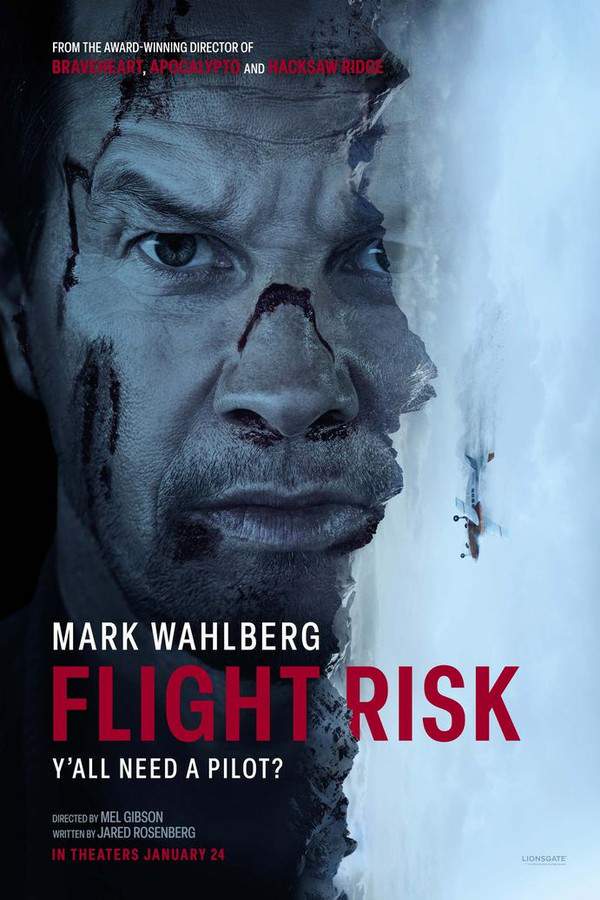
After both engines fail during take-off, the jet’s captain Captain Jack Savage manages a desperate belly landing on what initially appears to be an open stretch of beach, but the aircraft careens onto a pier and explodes, killing everyone aboard except the stewardess Martha Webster. Early investigations point to pilot error, since Savage was seen in a bar just before the flight. The captain’s wartime buddy, airline executive Sam McBane, believes in his friend’s innocence and takes up the case, pursuing questions that the official accounts leave unsettled. Through a series of flashbacks, the story unfolds Jack’s past, the moment [Sam McBane] met him, and the web of people they knew, including Savage’s ex-fiancee and his current girlfriend, Sally Fraser. Sally’s conversations with McBane introduce the idea of fate, a notion he largely rejects while remaining unsettled by the coincidence surrounding the tragedy.
As the investigation deepens, it becomes clear that the pier’s demolition had been scheduled but delayed by a few days; had the pier been dismantled on time, the belly-landing might have been a success. The inquiry also reveals a crucial detail: Savage had accompanied another war buddy to the bar and had not been drinking himself, a fact that challenges the initial dismissal of his actions. During a public press conference, McBane wrestles with the uneasy question of fate versus coincidence as a possible cause of the disaster, a tension that threads through the entire inquiry. Meanwhile, Webster, interviewed in the hospital, swears she witnessed fault warnings and alarm bells for both engines, lending weight to the notion that the accident’s root cause lay in warning systems and procedure rather than in human error alone.
To settle the dispute once and for all, a re-enactment flight is organized to mirror the ill-fated journey in exacting detail. The aircraft is flown by McBane, while every physical and temporal element is carefully replicated—weight distribution with sandbags, the sequence of events, and the cockpit routines that defined the original tragedy. Webster, the sole surviving eyewitness to cockpit procedures, agrees to board the test flight at the last moment. She moves through the procedures again, delivering coffee to McBane just as she did for the actual crew, and a coffee cup is placed on a center console to mirror the original setup.
As the test proceeds, a second engine warning light and a radio failure emerge, prompting McBane to order the first engine restarted. He notices that the coffee cup, which spilled during the turbulence of the first engine shutdown, has seeped into an access panel and short-circuited wiring, triggering the false fire warning and the subsequent system anomalies. In the aftermath, the test confirms that in the real accident both engines could have remained operational, and that the cascade of minor, interconnected issues—not pilot error—led to the disaster. With the chain of circumstances clarified, Captain Jack Savage is exonerated, marking the end of a tense investigation that grappled with fate, coincidence, and the limits of human judgment.