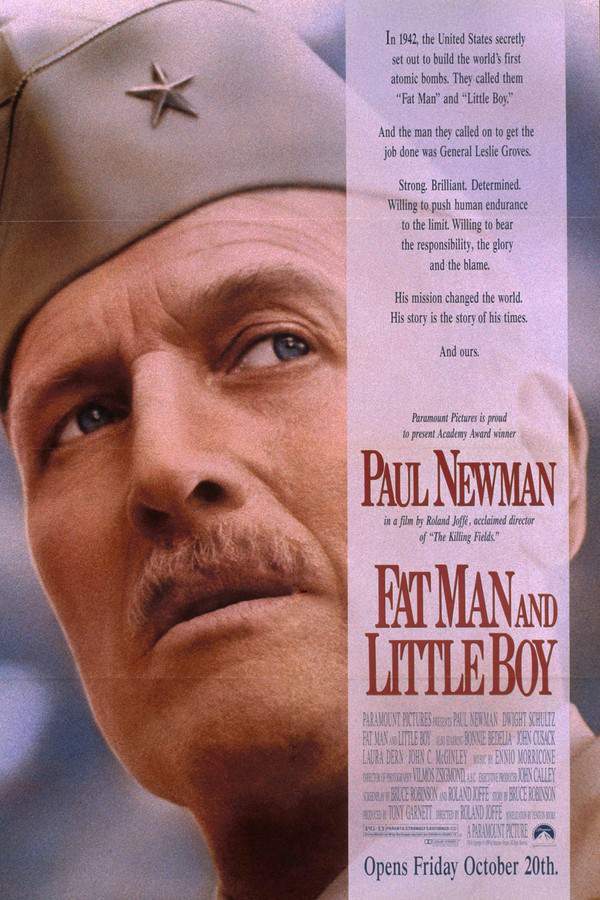
Fat Man and Little Boy
Year: 1989
Runtime: 127 min
Language: English
Director: Roland Joffé
During World War II, General Leslie Groves, a pragmatic military leader, recruits the brilliant but complex physicist Dr. J. Robert Oppenheimer to develop atomic weapons. The pair embark on a challenging collaboration, racing against time to create the powerful "Fat Man" and the streamlined "Little Boy" bombs. Their differing approaches and personalities create friction, testing their ability to succeed in this top-secret and crucial mission.
Where to Watch Fat Man and Little Boy?
Find where to stream, rent, or buy Fat Man and Little Boy (1989) in the US with current JustWatch availability, up-to-date pricing, and platform listings for subscription, rental, and digital purchase options.






Warning: spoilers below!
Haven’t seen Fat Man and Little Boy yet? This summary contains major spoilers. Bookmark the page, watch the movie, and come back for the full breakdown. If you're ready, scroll on and relive the story!
Timeline & Setting – Fat Man and Little Boy (1989)
Explore the full timeline and setting of Fat Man and Little Boy (1989). Follow every major event in chronological order and see how the environment shapes the story, characters, and dramatic tension.
Last updated: October 04, 2025 at 08:14
Main Characters – Fat Man and Little Boy (1989)
Meet the key characters of Fat Man and Little Boy (1989), with detailed profiles, motivations, and roles in the plot. Understand their emotional journeys and what they reveal about the film’s deeper themes.
Last updated: October 04, 2025 at 08:14
Major Themes – Fat Man and Little Boy (1989)
Explore the central themes of Fat Man and Little Boy (1989), from psychological, social, and emotional dimensions to philosophical messages. Understand what the film is really saying beneath the surface.
Last updated: October 04, 2025 at 08:14
Fat Man and Little Boy (1989) Character & Theme Questions Answered – Info FAQ
Browse frequently asked questions about Fat Man and Little Boy (1989) focused on characters, relationships, themes, symbols, setting, and story context. This movie info FAQ gives spoiler-aware explanations for character arcs, world details, and thematic interpretation so readers can better understand what the film is really about.
Where was the Manhattan Project filmed?
The film was shot at Berkeley, California for early research scenes, with the primary setting at Los Alamos Canyon in New Mexico, a remote mesa northwest of Santa Fe. The climactic Trinity test sequence was filmed at the Alamogordo Desert in New Mexico, representing the actual test site where the first atomic bomb was detonated.
When does the movie take place?
The film is set during World War II, spanning from 1942 through 1945. It follows the Manhattan Project through its key phases: initial recruitment and research, laboratory development at Los Alamos, security investigations, and culminating in the first nuclear detonation at Trinity in July 1945.
Who is Colonel Leslie Groves in the movie?
Colonel Leslie Groves, played by Paul Newman, is the military leader tasked with overseeing the Manhattan Project. He is portrayed as a methodical, blunt administrator focused on speed, security, and efficiency. Groves provides the wartime pragmatism that drives the project forward, often clashing with scientists over their theoretical approaches and concerns about the bomb's ethical implications.
What motivates Dr. J. Robert Oppenheimer?
Dr. Oppenheimer is motivated by both scientific curiosity and deep moral consideration. He leads the scientific team with a vision that blends theoretical physics with ethical awareness. Throughout the film, he wrestles with the tension between his drive to advance scientific knowledge and his growing concerns about the destructive power of the weapons he helped create.
What are the main ethical questions in the film?
The film explores whether scientific discovery should be guided by personal conscience or pure curiosity, and whether the ends justify the means. It presents the tension between duty to country and duty to humanity, showing scientists debating their moral responsibilities while developing a weapon of mass destruction. The personal costs, including a scientist's death and broken relationships, underscore these ethical dilemmas.
How does the film portray the clash between science and engineering?
The movie highlights the tension between theoretical physics and practical engineering, showing how abstract scientific ideas must be translated into functional weapons. It depicts collaboration among diverse experts while also portraying bureaucratic pressures and the desperate race against time. The film also addresses the physical dangers scientists faced, including radiation exposure and risky experimentation.
What does the film say about the power of the atomic bomb?
The film presents the Trinity detonation as both a moment of awe-inspiring human invention and profound fear. It questions who controls such devastating power and under what oversight. The narrative suggests that once unleashed, nuclear power fundamentally reshapes politics, science, and individual destinies, marking the beginning of the Atomic Age with lasting global implications.
Who is Michael Merriman and what happens to him?
Michael Merriman is a young physicist who represents the dangerous代价 of scientific ambition. His daring act during a crucial experiment leads to his death, highlighting the human cost of technical ambition and the risks of handling dangerous radioactive components without adequate protection. His fate serves as a tragic reminder of the personal sacrifices made during the project.
What role does Kathleen Robinson play in the story?
Kathleen Robinson is a nurse who provides a ground-level perspective on the project's human costs. She witnesses the effects of radiation on patients and highlights the personal toll behind the scientific achievement. Her presence helps frame the moral questions raised by the mission, offering a counterpoint to the scientists' abstract debates with concrete examples of suffering.
Who is Jean Tatlock in relation to Oppenheimer?
Jean Tatlock is a figure from Oppenheimer's personal life whose relationship with him introduces emotional complexity to the film. Her connection to Oppenheimer contributes to the exploration of the costs of wartime secrecy and the personal sacrifices made for the greater goal. Her storyline adds depth to the film's examination of how the project affected not just scientists, but everyone connected to them.
Why is Los Alamos significant to the story?
Los Alamos Canyon in New Mexico serves as the remotemesa location where the Manhattan Project's scientific work was conducted in secret. Its isolation was essential for maintaining security during the war, and the desert setting created an atmosphere of isolation and intense focus. The location symbolizes both the secrecy of the operation and the separation of the scientists from the outside world during their critical work.
How does the movie end and what is the tone?
The film ends with the Trinity test, a moment of scientific triumph that ushers in the Atomic Age but is immediately shadowed by the devastating implications of the weapon. The ending feel is bittersweet, marking a monumental achievement that also represents the beginning of a new era fraught with ethical quandaries. Rather than celebration, the conclusion leaves viewers with questions about the legacy of nuclear weapons.

Explore Movie Threads
Discover curated groups of movies connected by mood, themes, and story style. Browse collections built around emotion, atmosphere, and narrative focus to easily find films that match what you feel like watching right now.
Moral Dilemma Dramas Under Pressure like Fat Man and Little Boy
Intense dramas where brilliant minds face crushing ethical dilemmas.If you enjoyed the ethical tension in Fat Man and Little Boy, explore other movies like it. This list features similar high-stakes historical dramas and thought-provoking stories where characters grapple with the heavy moral weight of their world-changing actions.
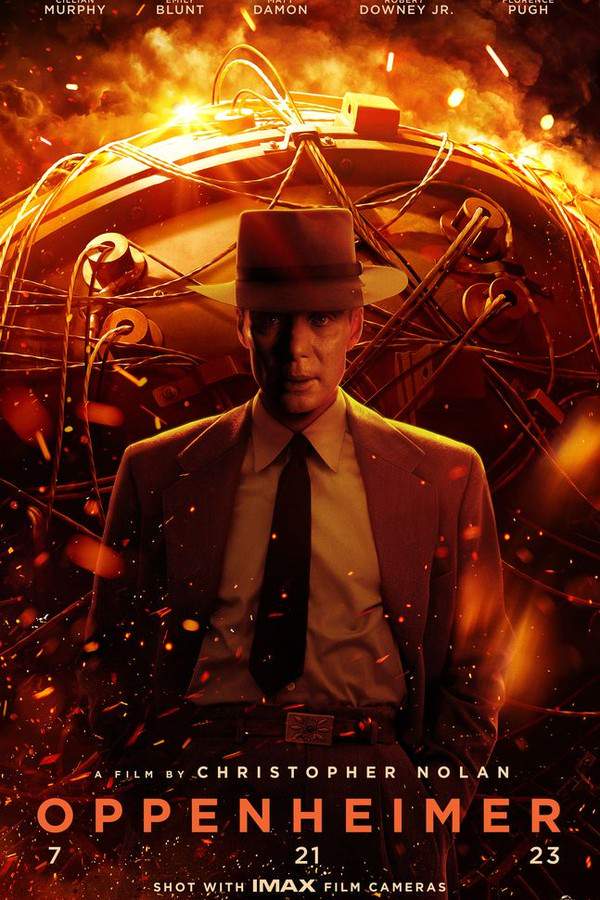
Oppenheimer
2023
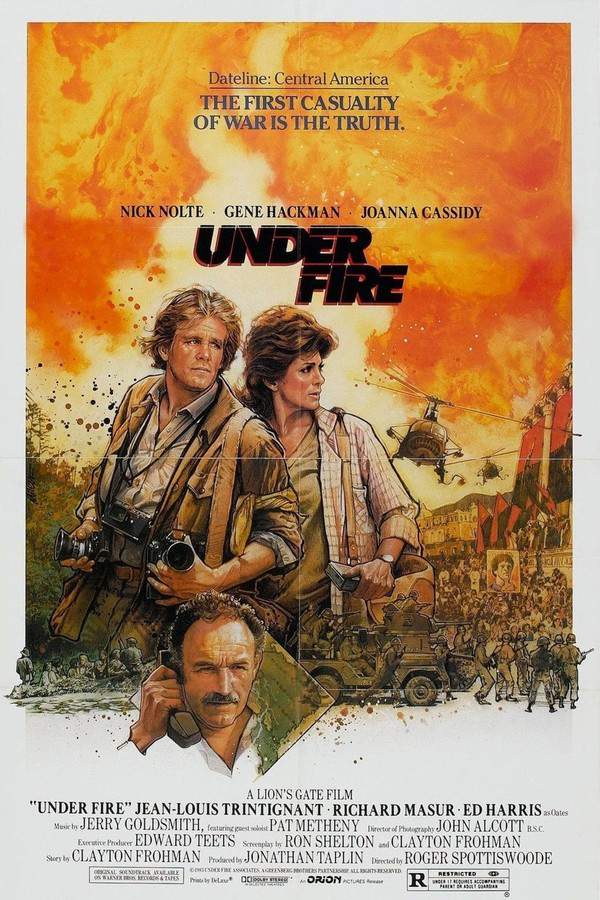
Under Fire
1983
Darkest Hour
2017

Life During Wartime
2010
Courage Under Fire
1996
Fat Man and Little Boy
1989
Time Limit
1957

Apothecary
2014

The Crossing
2000

The Crossing
2000

By Dawn’s Early Light
2001

Crisis Negotiators
2024

Good Night, and Good Luck
2025

Two Prosecutors
2025
An Officer and a Spy
2025
Narrative Summary
Narratives in this thread typically follow a linear, high-pressure mission where success is shadowed by ethical doubts. The central conflict is less about external enemies and more about the internal struggle of the creators, often leading to a somber or bittersweet conclusion that questions the price of 'progress'.
Why These Movies?
Movies are grouped here because they share a heavy emotional weight, a tense tone driven by moral conflict, and a steady pacing that builds gripping pressure. They focus on the psychological toll of creation and discovery, making them thematically and emotionally cohesive.
Movies About Uneasy Collaborations Like in Fat Man and Little Boy
Stories of pragmatic leaders and visionary creators forging uneasy alliances.Looking for more films like Fat Man and Little Boy? Discover stories featuring similar dynamic duos—pragmatic military or business leaders paired with complex visionary creators, racing against time in high-pressure historical or scientific settings.
The Current War: Director's Cut
2019

The Manhattan Project
1986

Deadline
2012
Time Limit
1957

Leader
2010

The Challenger Disaster
2013

Key
2011

The Challenger Disaster
2019

Time Renegades
2016

Running Against Time
1991

Project Gemini
2022
Countdown
1967

Pirates of Silicon Valley
1999

Mission Raniganj
2023
Crisis Negotiators
2024
Narrative Summary
The plot revolves around a high-stakes mission where success depends on two opposing personalities—one focused on logistics and deadlines, the other on innovation and perfection—finding a way to work together. The friction between their methods drives the narrative forward, testing their partnership to its limits.
Why These Movies?
These movies share a core narrative pattern of an unlikely duo, a steady pacing focused on a linear mission, and a tense tone generated by personality clashes. The experience is defined by watching a fragile collaboration bear immense weight.
Unlock the Full Story of Fat Man and Little Boy
Don't stop at just watching - explore Fat Man and Little Boy in full detail. From the complete plot summary and scene-by-scene timeline to character breakdowns, thematic analysis, and a deep dive into the ending - every page helps you truly understand what Fat Man and Little Boy is all about. Plus, discover what's next after the movie.
Fat Man and Little Boy Summary
Read a complete plot summary of Fat Man and Little Boy, including all key story points, character arcs, and turning points. This in-depth recap is ideal for understanding the narrative structure or reviewing what happened in the movie.

Fat Man and Little Boy Timeline
Track the full timeline of Fat Man and Little Boy with every major event arranged chronologically. Perfect for decoding non-linear storytelling, flashbacks, or parallel narratives with a clear scene-by-scene breakdown.


