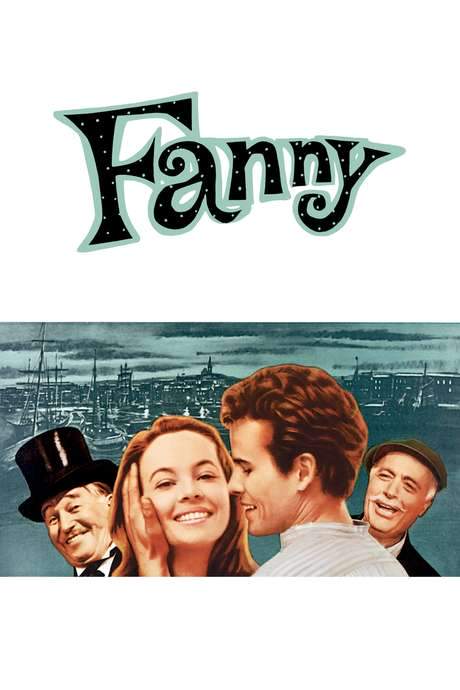
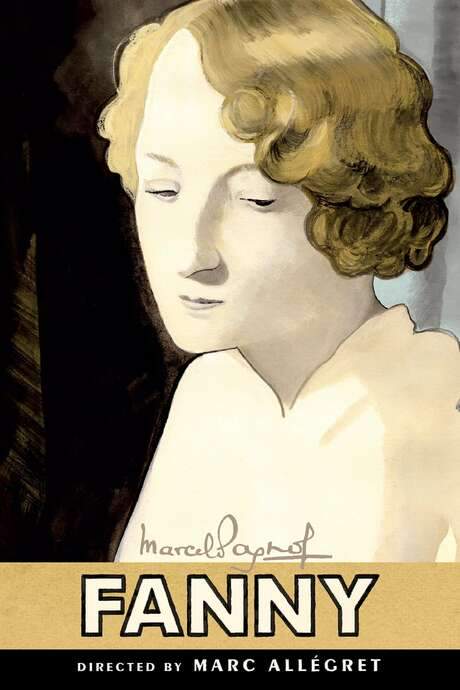
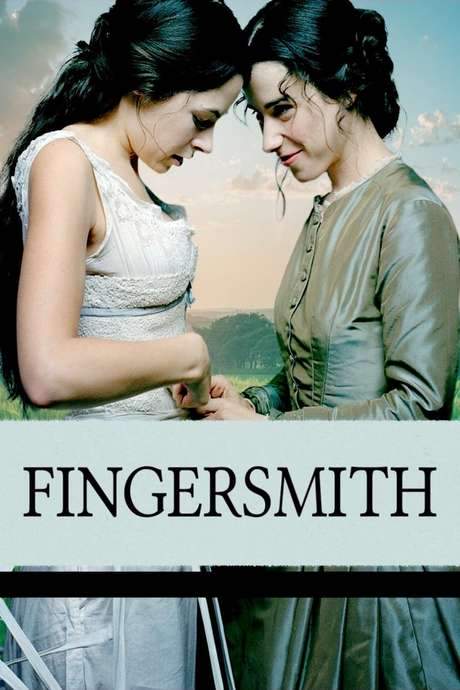
Victorian London hides a world where propriety masks something darker. Nine-year-old Fanny, Phyllis Calvert, is pulled from the street by Joe, her father’s handyman, and drawn into a basement that doubles as Hopwood Shades—a place of music, drink, and secret rooms. There, a coin is given and a moment of danger passes; soon after, she returns home to a birthday gathering led by her father, William Hopwood John Laurie, and his wife Mary Hopwood Nora Swinburne. The scene sets a quiet, painful distance between child and parent, and soon Fanny’s world is deemed too risky for a girl's future, so the parents decide she should go away to boarding school.
Years pass, and in 1880 Fanny has completed her schooling and comes back to London. It becomes clear that her father runs the nearby nightclub and brothel, connected to his house by a secret door that he hopes will remain closed to her. The man’s careful façade shatters when a fight ends in Hopwood’s death, and an inquest reveals the chilling truth: he ran a brothel, a revelation that shakes the foundations of Fanny’s identity and loyalties.
Fanny is sent to work for the Heaviside/Seymore family, where the husband Clive Seymore Stuart Lindsell confirms that he is her true father and that he paid Hopwood to shelter her. She is introduced to the household as Mrs Heaviside’s niece, and she takes on the name Fanny Hooper, a new disguise designed to protect her from scandal as she navigates a world she never asked to inherit.
On a tranquil countryside holiday, Fanny finds a fragile moment of peace while painting by a lake, only to have her scene interrupted by a dog. The dog belongs to Harry Somerford [Stewart Granger], a young man who is a friend of the Seymores’ household and who seems to sense the tension around Fanny from the start. Their meeting sows a quiet, complicated bond that threads its way through the rest of the tale.
Back at the mansion, the dog appears again at Fanny’s door, and through the window she watches her father converse with Harry about business. In that glance, Fanny feels the tug of a paternal recognition she has never truly known, and she begins to think of Harry as a father figure who might offer something steadier than the life she’s learned to endure.
When a visitor comes to the house, Lord Manderstoke [James Mason] encounters Fanny on the stairs and immediately recognizes her as Hopwood’s daughter. The revelation ripples through the household and into the public sphere, and Fanny’s status becomes a touchstone in the looming conflict between family loyalty, social reputation, and personal happiness.
Meanwhile, the truth of Fanny’s parentage reaches a critical point as Clive Seymore confronts his own demons and confesses to his wife that Fanny is indeed his daughter. Fanny, seeking a path to a life with Manderstoke, asks for a divorce so she can marry him, but Seymore’s determination to protect his family’s name drives him toward a tragic end—suicide rather than endure disgrace.
Somerford steps into the role of trustee to Seymore’s will and delivers property shares that secure Fanny’s future, but with that security comes a harder, longer truth: a letter reveals not only that Fanny is Seymore’s daughter but also that Seymore loved Somerford like a son, binding these two men together in a complex, almost filial loyalty.
Alicia [Margaretta Scott], Somerford’s sister, arrives to weigh in on the mounting scandal. She urges that the match between Fanny and Somerford would ruin his reputation, while Somerford himself appears and pleads with Fanny to marry him, a request that tests every whisper of propriety that has governed their lives.
In the final act, Somerford has been wounded, and Fanny, aided by a physician, tends to him as his sister presses her claim to his care. The confrontation is charged with the possibility of tragedy, but Somerford makes a fateful choice to live, and the story leaves open the question of whether love, inheritance, and reputation can ever coexist in a world that has written Fanny off as someone else’s daughter. The film closes on a note of hard-won resilience, as the characters navigate duty, desire, and the stubborn pull of a life they might never fully claim. The shadow cast by the Hopwood legacy lingers, a reminder that in a strict society, every secret has its price and every truth its own time.