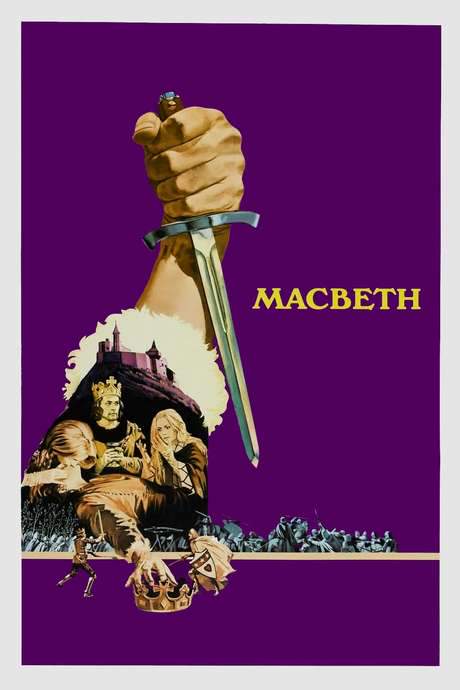
Macbeth

Macbeth

Year: 1971

Runtime: 141 mins

Language: English

Director: Roman Polanski

WarDrama

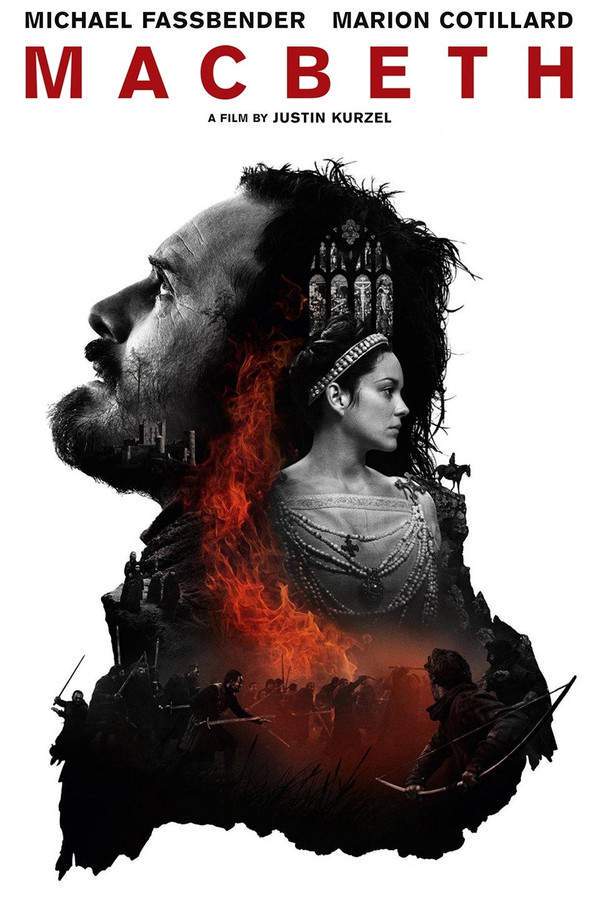
Set in 11th‑century Scotland, Macbeth, a war‑lord praised for his bravery, is spurred by a prophecy delivered by three witches and the relentless ambition of his wife. Overcome by doubt, he murders his sovereign and betrays comrades, plunging into a ruthless cycle of bloodshed, crime and suspicion.

Warning: spoilers below!

Haven’t seen Macbeth yet? This summary contains major spoilers. Bookmark the page, watch the movie, and come back for the full breakdown. If you're ready, scroll on and relive the story!

Timeline & Setting – Macbeth (1971)

Explore the full timeline and setting of Macbeth (1971). Follow every major event in chronological order and see how the environment shapes the story, characters, and dramatic tension.

Time period

11th century

The tale is rooted in the early medieval period, a time of dynastic struggles and fragile crowns. Scotland faces external threat from Norse and Irish forces while internal conspiracies threaten the line of succession. Rituals, prophecies, and assassination drive a brutal political game that defines the era.

Location

Scotland, Birnam Wood, Dunsinane, Fife

Set across a medieval Scottish landscape, the story unfolds in royal courts, battlegrounds, and shadowy moors. Castles and frontier towns frame a realm where loyalty falters and power shifts with brutal immediacy. The action moves from Macbeth's castle to the fields near Birnam Wood and the throne-room at Dunsinane, with Fife as a key staging point for reinforcements and intrigue.

🏰 Medieval Scotland ⚔️ War and invasion 🔮 Witchcraft and prophecy 🎭 Deception and manipulation

Last Updated: December 04, 2025 at 15:30

Main Characters – Macbeth (1971)

Meet the key characters of Macbeth (1971), with detailed profiles, motivations, and roles in the plot. Understand their emotional journeys and what they reveal about the film’s deeper themes.

Macbeth (Jon Finch)

A once-valiant noble whose ascent to the throne is propelled by prophetic hopes and ruthless choices. His downward slide is marked by increasing paranoia, guilt, and a readiness to commit further murders to secure power. See his transformation from a trusted thane to a tyrant who fears any threat to his rule.

🔥 Ambition 🗡️ Power 😢 Guilt 🫣 Paranoia

Lady Macbeth (Francesca Annis)

Architect of Macbeth’s initial ascent, she shrewdly manipulates him and channels his ambitions into action. Her outward composure masks a consuming guilt that corrodes her strength and resolve. She embodies ruthless ambition and calculates every risk to seize the crown.

🗣️ Manipulation 🔥 Ambition 🧠 Resolve

Banquo (Martin Shaw)

A noble and steadfast ally whose legitimate concerns about the witches’ prophecies contrast with Macbeth’s growing ruthlessness. His murder marks a turning point in the plot, and his memory haunts Macbeth as a symbol of honest resistance. Loyal yet wary, he embodies honor under threat.

🤝 Loyalty ⚖️ Honor 👁️ Fate

Macduff (Terence Bayler)

A principled noble who opposes Macbeth’s tyranny and becomes a vehicle for the realm’s restoration. He fights for Scotland’s rightful leadership and seeks vengeance after the slaughter of his family. His resolve underscores duty over personal vengeance.

🗡️ Revenge 🛡️ Duty 💪 Resolve

Duncan (Nicholas Selby)

The rightful king whose murder precipitates the tragedy. His gracious rule is cut short by a calculated act of regicide, triggering a cascade of betrayal and war. His removal exposes the instability at the heart of the realm.

👑 Leadership ⚖️ Legitimacy 🗡️ Betrayal

Malcolm (Stephan Chase)

The heir to the throne who flees to England after Duncan’s murder and gathers forces to reclaim the kingdom. He embodies resilience and strategic leadership, eventually restoring order. His caution contrasts with Macbeth’s impulsive violence.

🗡️ Rebellion 🛡️ Leadership 🧭 Strategy

Donalbain (Paul Shelley)

Duncan’s younger son who seeks safety after the murder and witnesses the unraveling of the royal line. His fate remains tied to the larger political struggle driven by fear and revenge. He plays a quiet, cautious role in the immediate aftermath.

🗺️ Flight 🕯️ Caution 🗝️ Secret

Lady Macduff (Diane Fletcher)

A contrast to her husband’s loyalties, she embodies the domestic tragedy of Macbeth’s ruthlessness. Her murder with her family underscores the indiscriminate reach of tyranny. Her scene highlights the human cost of political ambition.

💔 Family 🛡️ Duty ⚔️ Tragedy

First Witch (Maisie MacFarquhar)

One of the trio that sets the tragedy in motion with prophetic verse. They manipulate Macbeth by planting the seeds of ambition and fear. Their cryptic dialogue frames the moral chaos that follows.

🗝️ Prophecy 👀 Manipulation 🪄 Magic

Second Witch (Elsie Taylor)

A member of the triad whose chants and foretold destinies push Macbeth toward violent action. Their presence makes the court a theater of deception and dread. They symbolize fate’s unpredictable grip on power.

💫 Prophecy 👁️ Deception 🎭 Folly

Third Witch (Noelle Rimmington)

The final voice in the trio that frames Macbeth’s fate. Their warnings and riddles drive him deeper into a path of murder. They symbolize the inescapable pull of fate in a world hungry for power.

🪄 Prophecy 🧭 Fate 🕸️ Influence

Fleance (Keith Chegwin)

Banquo’s son who survives the assassination attempt, embodying the lingering prophecy of the line’s survival. His escape preserves an heir to potentially confront Macbeth. He represents the possibility of resistance through lineage.

🧒 Heritage 🗺️ Legacy 🌫️ Hope

Porter (Sydney Bromley)

A comic yet grim observer who frames the sense of doom with a tavern door and a sense of sin. The porter scene punctures the solemnity while maintaining the eerie mood. His presence marks the everyday intrusion of murder into normal life.

🧭 Everyday 🕳️ Threshold 🗝️ Entry

Dancer (Christine Paul-Podlasky)

A background performer whose presence signals the ceremonial nature of the court. They help convey the atmosphere of pageantry and ritual in the royal setting. Their role emphasizes the contrast between surface opulence and underlying violence.

🎭 Ceremony 🩰 Performance 🕯️ Ritual

Macduff's Son (Mark Dightam)

A child caught in the crossfire of political violence, whose fate underscores the indiscriminate human cost of regicide. His brief but poignant appearance amplifies the tragedy of Macbeth’s usurpation. He embodies innocence lost to ambition.

👶 Innocence 💔 Loss 🗡️ Violence

Last Updated: December 04, 2025 at 15:30

Major Themes – Macbeth (1971)

Explore the central themes of Macbeth (1971), from psychological, social, and emotional dimensions to philosophical messages. Understand what the film is really saying beneath the surface.

🔥 Ambition

Ambition drives Macbeth from a loyal noble to a king tormented by paranoia. The witches’ prophecies ignite a desire for power that corrupts judgment and justifies murder. Lady Macbeth fuels this drive, turning personal ambition into a shared political project. The pursuit of the throne destabilizes the realm and ultimate fate hangs on every risky decision.

🔮 Supernatural

Witches prophesy Macbeth’s rise and Banquo’s legacy, shaping the characters’ actions more than any mortal plan. The ritual scenes use occult imagery to blur the line between fate and free will. The supernatural promises and tricks seed madness and disorientation in Macbeth, making him chase certainty where there is none. The realm’s trust is prey to prophecies that seem to guide events more than human choices.

💭 Guilt & Paranoia

Guilt gnaws at Macbeth and Lady Macbeth after each murder, turning their private desires into public catastrophe. Banquo’s ghost and the paranoid banquet reveal the psychological toll of regicide. Fear spirals into further violence as allies turn to foes under the weight of bloodshed. The couple’s mental unraveling accelerates the collapse of order.

🎭 Appearance vs Reality

Draped in diplomacy, the court conceals brutal ambition and treachery. Characters wear masks of loyalty while concealing murderous intent. Lady Macbeth's politeness disguises her ruthless scheming, and Macbeth's noble facade belies a growing tyranny. The illusions of invincibility promised by prophecies are pierced by the brutal truth of murder.

🪄 Fate vs Free Will

The witches’ prophecies suggest destiny, yet characters repeatedly choose harmful actions that steer the plot. The interplay between fate and choice drives the tragedy, as Macbeth and Lady Macbeth try to outmaneuver their supposed fate. Each decision to kill or to suspect further cements a self-fulfilling prophecy. The outcome hinges on human agency as much as any supernatural design.

⚔️ War & Invasion

The narrative is framed by a kingdom under siege from external and internal forces. Invasion by foreign forces and the ensuing civil conflict set the stakes for every murder and alliance. The battle sequences culminate in Macbeth’s fall at the hands of Macduff. The war serves as a backdrop to the personal power struggles that drive the tragedy.

Last Updated: December 04, 2025 at 15:30

Mobile App Preview

Coming soon on iOS and Android

The Plot Explained Mobile App

From blockbusters to hidden gems — dive into movie stories anytime, anywhere. Save your favorites, discover plots faster, and never miss a twist again.

Sign up to be the first to know when we launch. Your email stays private — always.

Explore Movie Threads

Discover curated groups of movies connected by mood, themes, and story style. Browse collections built around emotion, atmosphere, and narrative focus to easily find films that match what you feel like watching right now.

Tales of Ambition and Downfall like Macbeth

Stories where a protagonist's ruthless drive leads to moral decay and inevitable ruin.For viewers who appreciated the fatalistic drive in Macbeth, this section collects movies like it. These stories explore similar themes of ambition and corruption, featuring protagonists whose moral collapse and psychological torment lead to a tragic ending, perfect for fans of intense, character-driven dramas.

ambitiousfatalisticparanoidsomberunsettledviolentpsychological tormentmoral decay

Narrative Summary

The narrative follows a clear, downward arc: a prophecy or opportunity ignites ambition, leading to a pivotal moral transgression (like regicide). This act triggers a chain of paranoia, further violence, and betrayal, isolating the protagonist until their inevitable, often violent, demise.

Why These Movies?

Movies in this thread share a core narrative structure of a rise-and-fall driven by ambition. They create a coherent experience through their dark tone, heavy emotional weight, and bleak endings, focusing on the psychological cost of power and the inescapable nature of a self-made fate.
Psychological Thrillers with Paranoid Atmospheres like Macbeth

Films that build a claustrophobic atmosphere of dread as a character's sanity unravels.If you liked the oppressive, paranoid feeling in Macbeth, this section finds similar movies. These films share a dark, steady-paced vibe where a character's guilt and ambition create a suffocating sense of dread, perfect for those seeking psychologically intense and unsettling stories.

oppressiveparanoidunsettledsomberpsychologicalclaustrophobicdreadguilt

Narrative Summary

These stories often begin with a destabilizing event that seeds doubt. The protagonist becomes increasingly isolated and suspicious, perceiving threats everywhere. The narrative unfolds through their distorted perspective, emphasizing ghostly visions, real or imagined betrayals, and a growing chasm between their public front and private torment.

Why These Movies?

These films are grouped by their shared, oppressive mood and psychological focus. The coherence comes from a consistent dark tone, high tension, and a pacing that methodically builds unease. They prioritize the internal experience of paranoia and guilt over external action, creating a specific, intense vibe.

Unlock the Full Story of Macbeth

Don't stop at just watching — explore Macbeth in full detail. From the complete plot summary and scene-by-scene timeline to character breakdowns, thematic analysis, and a deep dive into the ending — every page helps you truly understand what Macbeth is all about. Plus, discover what's next after the movie.

Macbeth Summary

Read a complete plot summary of Macbeth, including all key story points, character arcs, and turning points. This in-depth recap is ideal for understanding the narrative structure or reviewing what happened in the movie.

Macbeth Summary

Macbeth Timeline

Track the full timeline of Macbeth with every major event arranged chronologically. Perfect for decoding non-linear storytelling, flashbacks, or parallel narratives with a clear scene-by-scene breakdown.

Macbeth Timeline

Macbeth Spoiler-Free Summary

Get a quick, spoiler-free overview of Macbeth that covers the main plot points and key details without revealing any major twists or spoilers. Perfect for those who want to know what to expect before diving in.

Macbeth Spoiler-Free Summary

More About Macbeth

Visit What's After the Movie to explore more about Macbeth: box office results, cast and crew info, production details, post-credit scenes, and external links — all in one place for movie fans and researchers.

More About Macbeth

Similar Movies to Macbeth

Discover movies like Macbeth that share similar genres, themes, and storytelling elements. Whether you’re drawn to the atmosphere, character arcs, or plot structure, these curated recommendations will help you explore more films you’ll love.