Plot Explained Spoilers guaranteed!
Plot Explained

Browse by genre

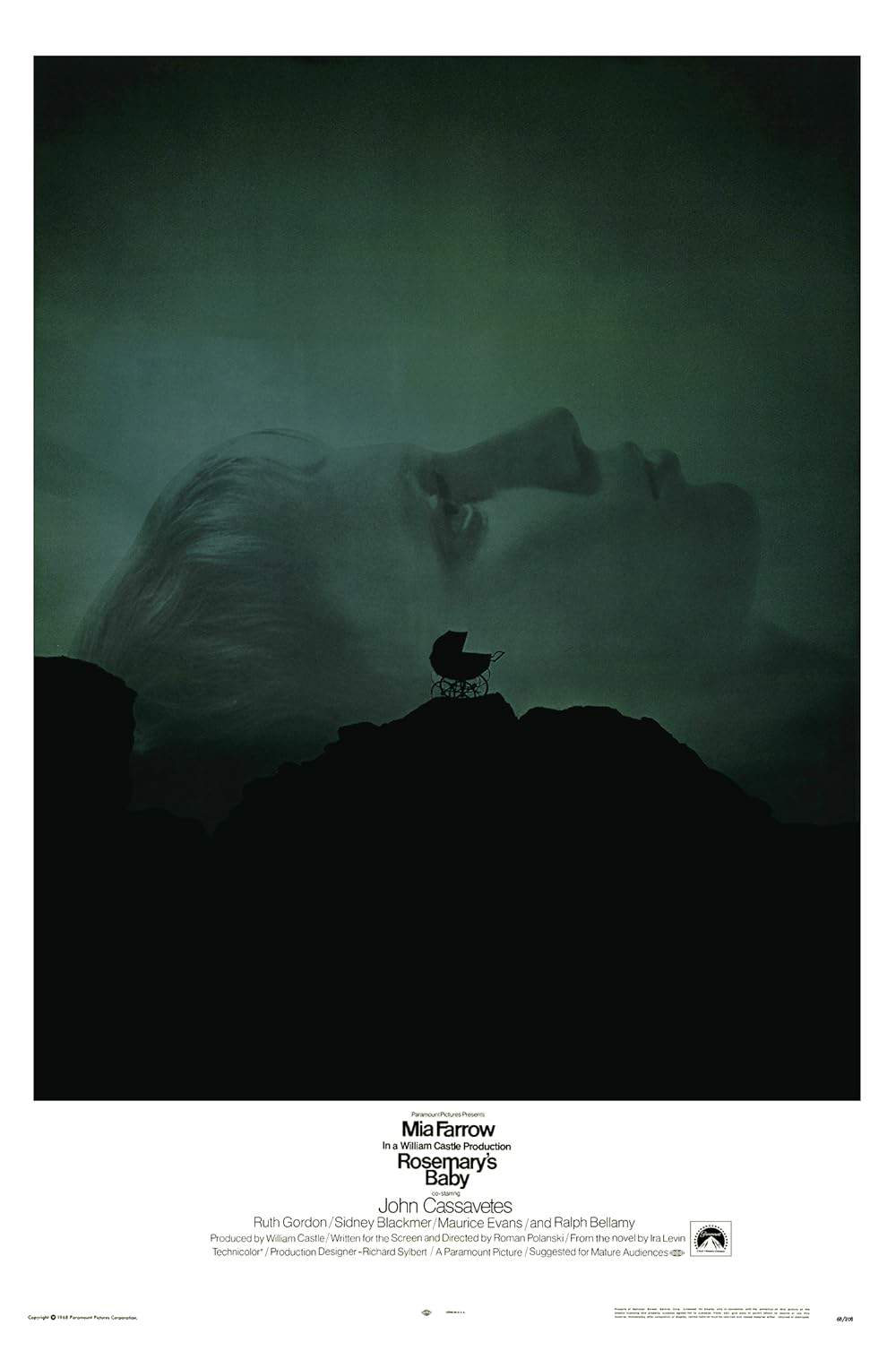
Rosemary's Baby (1968) movie poster

Plot Summary

Rosemary's Baby (1968) Plot Summary Explained

Release, runtime and language
1968 · 137 min
JustWatch #330 442
Directed by
Roman Polanski
Starring
Mia Farrow

A woman uncovers a disturbing family history, revealing a dark and sinister lineage connected to demonic forces. As she investigates her heritage, she finds the boundaries between morality and evil becoming increasingly indistinct, and must confront a legacy that endangers her very existence.

On this page (7)
  1. 1 Where to watch
  2. 2 What happens: full plot
  3. 3 Plot questions answered
  4. 4 The book behind the movie
  5. 5 Movie threads
  6. 6 Movies like Rosemary's Baby
  7. 7 Every angle

Where to watch

Where to Watch Rosemary's Baby (1968)

Where can you watch Rosemary's Baby? Stream, rent or buy it in the US, including on AMC, fuboTV and Paramount Plus Essential: current JustWatch availability with up-to-date prices.

Streaming availability powered by JustWatch

Full plot summary · contains spoilers

What Happens in Rosemary's Baby: Full Plot Summary

The whole story of Rosemary's Baby (1968) explained, from the opening scene to the final frame: every key event, every twist and what it all adds up to. Read it as a quick recap before the sequel, to check a scene you missed, or to finally understand what really happened.

New York City, fall of 1965: In the bustling heart of Manhattan, young newlyweds Rosemary and Guy Woodhouse (Mia Farrow](/actor/mia-farrow) and John Cassavetes) find a new beginning as they rent an apartment in the gothic elegance of the Bramford building. Despite their friend and landlord, Edward "Hutch" Hutchins (Maurice Evans), warning them about the building's dark history—one that includes cannibal killers, Satanists, and notorious witches like the Trench Sisters and the infamous Adrian Marcato, who, back in the late 1890s, ignited a scandal by claiming he could summon "The Living Devil"—the couple chooses to ignore the warnings and move in anyway.

As the aspiring actor Guy strives for more significant roles beyond his small TV parts and commercials, Rosemary, a kind-hearted soul from Omaha, Nebraska, is committed to supporting him. She's estranged from her family, who disapprove of her marriage, feeling isolated in the vast city. Life as a devoted housewife fills her existence, yet Rosemary finds herself longing for deeper connections, often feeling sweetly naïve and lonely amidst a good circle of friends.

Their lives take a jarring turn when Rosemary befriends Terry Gionnoffrio (Victoria Vetri), a young woman rescued from addiction by the eccentric elderly couple, Roman and Minnie Castevet (Sidney Blackmer and Ruth Gordon). However, after a tragic accident leads to Terry plunging to her death, Rosemary finds herself increasingly entwined with the Castevets, who seem overly interested in her and Guy's lives. This odd relationship grows tense as Rosemary notices unsettling shifts in Guy, who unexpectedly leaps to success just as his rival, Donald Baumgart, mysteriously goes blind.

Then, in a surprising twist, Guy expresses his desire to start a family. Overjoyed, Rosemary prepares for "baby night," during which she receives a strange chocolate mousse from Minnie. Although Rosemary finds it unpleasant, Guy dismisses her concerns, leading her to eat it anyway. Soon after, she experiences a disorienting night filled with haunting dreams—a surreal sequence that transports her to bizarre places, culminating in a horrifying event where she feels violated, awakening sore and confused.

As the months roll on and Rosemary becomes pregnant, her joy is overshadowed by persistent dread and doubts about those around her. With Dr. C.C. Hill (Charles Grodin) confirming her pregnancy, she finds herself under the dubious care of Dr. Abraham Sapirstein (Ralph Bellamy), who prescribes strange herbal remedies from Minnie and fails to address her growing health concerns. Ignoring her pain, those close to her—especially the Castevets—seem more interested in her condition than her well-being, which disturbs her deeply.

In an effort to regain some sense of normalcy, she throws a party for her friends but is met with concern over her worsening state. Rosemary's fears escalate when her friend Hutch visits, only to mysteriously fall into a coma and die shortly after. Inheriting his final gift, a book titled "All of Them Witches," provides her with a confusing but chilling insight into her predicament. Unraveling the puzzle leads to a horrifying realization—her suspicions that Roman and Minnie are part of a malevolent coven take hold.

As Rosemary plunges deeper into her conspiracy, her life spirals into a nightmare. When she realizes Guy may have sacrificed their baby to aid his career, her attempts to seek help are thwarted, leading to forced confinement by those she once trusted. Eventually, she awakens to a sinister revelation: her child, delivered under false pretenses, is tied to dark forces. Discovering the chilling truth about the coven and their intentions, Rosemary faces the ultimate test of motherhood.

In a desperate bid, she confronts the Castevets and their coven, revealing her maternal instincts. Torn between horror and the primal bond with her child, she cautiously approaches the bassinet, resisting the darkness that surrounds her. With her heart conflicted, she begins to sing to her baby, signaling a moment of acceptance amidst the chaos that threatens to engulf her life.
Last updated: November 03, 2024 at 14:53

Was this helpful?

Plot questions answered

Rosemary's Baby Plot Explained: Your Questions Answered

The questions people ask most about Rosemary's Baby (1968): what happens in the confusing scenes, why the characters do what they do, the twists, hidden details and what the ending means. Each answer contains spoilers.

Q1

Why do Rosemary and Guy ignore the warnings about the Bramford building?

Rosemary and Guy dismiss the dark history of the Bramford because they are young, optimistic newlyweds eager to start fresh in Manhattan. Rosemary is described as sweetly naïve, and despite warnings from friend Hutch about the building's history of cannibal killers and Satanists, they see the gothic apartment as an exciting opportunity. Their desire for a better life overrides their caution.

  • bramford building
  • warnings
  • rosemary woodhouse
  • guy woodhouse
  • move in
Q2

How did Terry Gionnoffrio die? Was it really an accident?

Terry's death is presented as a tragic accident where she plunged to her death, but the circumstances are suspicious given the Castevets' involvement in her life. The elderly couple had 'rescued' Terry from addiction, making her death convenient for them. The timing is notable, her death occurs right before the Castevets begin focusing their attention on Rosemary.

Foreshadowing: Terry's introduction by the Castevets foreshadows their pattern of targeting vulnerable young women.

  • terry gionnoffrio
  • death
  • accident
  • castevets
  • rosemary friend
Q3

Why does Guy's acting career suddenly improve after Terry's death?

Guy's career jumps unexpectedly shortly after Terry dies, coinciding with his rival Donald Baumgart mysteriously going blind. This sudden success while his competitor is incapacitated raises Rosemary's suspicions. The implication is that the Castevets orchestrated this career boost, likely through dark means, to secure Guy's loyalty and keep him in the Bramford building.

Foreshadowing: The timeline shows Guy's success begins immediately after Terry's death, linking the two events.

  • guy woodhouse
  • career
  • success
  • donald baumgart
  • blind
  • castevets
Q4

What was in the chocolate mousse that Minnie gave Rosemary?

The chocolate mousse given to Rosemary on 'baby night' was drugged to incapacitate her. Minnie pressed the mousse on Rosemary despite her finding it unpleasant, and Guy dismissed her concerns. That night, Rosemary experienced disorienting, haunting dreams and woke up feeling violated and sore, the implication being she was drugged to make her vulnerable for the ritual impregnation.

Foreshadowing: The mousse is the crucial mechanism that enables the coven's plan to proceed.

  • chocolate mousse
  • minnie castevet
  • drugging
  • ritual
  • baby night
  • dreams
Q5

Why does Dr. Sapirstein ignore Rosemary's health concerns during her pregnancy?

Dr. Sapirstein is part of the coven's conspiracy and deliberately neglects Rosemary's worsening health. He prescribes Minnie's herbal remedies and dismisses her pain and fears, prioritizing the health of the fetus over Rosemary's wellbeing. His role is to ensure the pregnancy progresses according to the Castevets' plan while keeping Rosemary isolated and unaware.
Foreshadowing: Dr. Sapirstein's questionable care becomes another layer of Rosemary's entrapment.
  • dr sapirstein
  • pregnancy
  • health
  • neglect
  • castevets
  • doctor
Q6

Why does Hutch die after visiting Rosemary? Was it natural causes?

Hutch falls into a coma and dies shortly after visiting Rosemary, which is clearly suspicious given his timing. Before his death, Hutch warns Rosemary about the Castevets and gives her the book 'All of Them Witches', knowledge that proves fatal. The coven likely eliminated Hutch because he was actively trying to expose the truth and protect Rosemary.

Foreshadowing: Hutch's warning and his subsequent death both occur in close succession, confirming the danger surrounding Rosemary.

  • hutch
  • coma
  • death
  • all of them witches
  • book
  • castevet warning
Q7

What does the book 'All of Them Witches' reveal about the Castevets?

The book 'All of Them Witches' that Rosemary inherits from Hutch provides crucial evidence connecting Roman Castevet to the occult. It reveals that Roman is the son of Adrian Marcato, the infamous Satanist from the late 1890s who claimed to summon 'The Living Devil.' This confirms Rosemary's suspicions that the Castevets are part of a hereditary coven with demonic connections.

Foreshadowing: Hutch's warning about Adrian Marcato at the beginning of the film gains new significance when combined with the book's revelations.

  • all of them witches
  • book
  • adrian marcato
  • roman castevet
  • coven
  • satanist
Q8

Did Guy know about the coven? Did he sacrifice their baby for his career?

Guy is complicit with the coven, he traded their unborn child for his career success. After Rosemary discovers Donald Baumgart went blind because Guy made a deal with the Castevets, she realizes Guy knew about and participated in the plan. He drugging her with the mousse and allowing the coven to use her for their ritual demonstrates his complete betrayal.

Foreshadowing: Guy's sudden success and his dismissal of Rosemary's concerns throughout the film foreshadow his ultimate betrayal.

  • guy woodhouse
  • coven
  • sacrifice
  • baby
  • career
  • betrayal
  • donald baumgart
Q9

What happens during Rosemary's delivery? Where is her baby taken?

Rosemary is sedated and her baby is delivered under false pretenses, she wakes up in a drugged state to find her child has already been taken. The coven has used her for a ritual pregnancy, and the baby is intended for their demonic purposes. Rosemary never sees the child in a normal state; instead, she discovers it is tied to dark occult forces.

Foreshadowing: The coven's control over her pregnancy and medical care prepares for this moment of forced separation.

  • delivery
  • baby
  • coven
  • birth
  • sedated
  • demonic
  • rosemary child
Q10

Why does Rosemary accept her baby at the end? What does the ending mean?

Rosemary approaches the bassinet and begins singing to her demonic child, representing a complex blend of maternal instinct and psychological capitulation. The ending is intentionally ambiguous, she has accepted the horror while simultaneously trying to protect her child. Whether she has truly embraced the darkness or is simply unable to reject her baby despite its nature remains unsettlingly unclear.

Foreshadowing: The film's consistent theme of Rosemary's isolation and vulnerability culminates in this final test of motherhood.

  • ending
  • baby
  • acceptance
  • motherhood
  • singing
  • ambiguous
  • rosemary child

Movie threads

More Movies Like Rosemary's Baby, by Mood & Story

Curated lists built around what makes Rosemary's Baby tick: the same mood, the same kind of story or the same emotional payoff. Each list explains why these movies belong together.

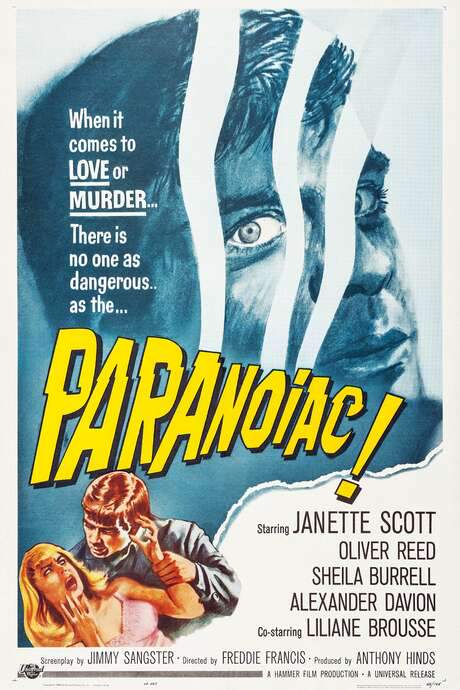
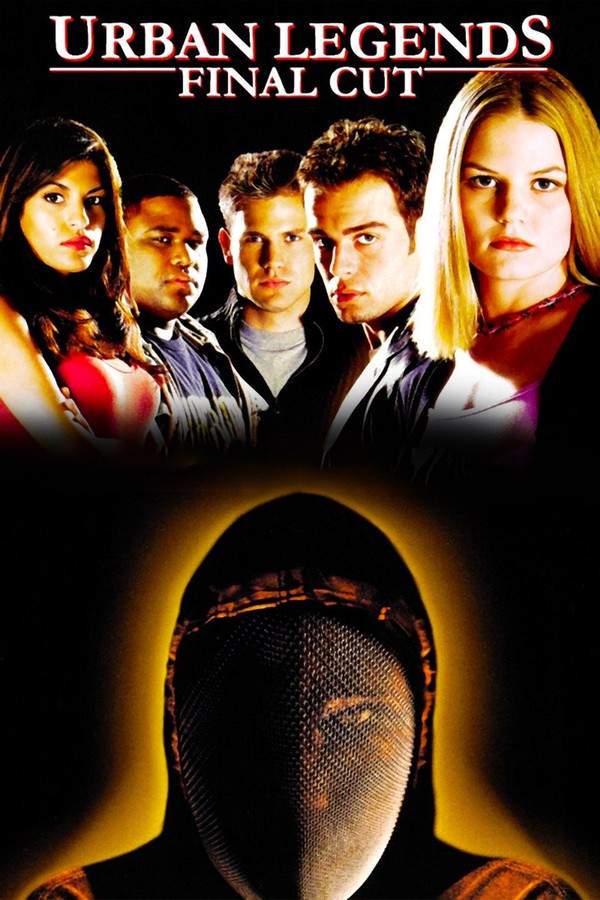
Movies with isolated paranoia and domestic horror like Rosemary's Baby

Stories where a seemingly safe environment conceals a sinister, conspiratorial truth. If you enjoyed the suffocating dread and gaslighting in Rosemary's Baby, these films feature similar stories of characters trapped in deceptive environments. Discover more movies about domestic unraveling, psychological manipulation, and hidden conspiracies that prey on isolation and trust.

  • paranoid
  • claustrophobic
  • unsettling
  • anxious
  • ominous
  • isolating
  • Tone: dark, paranoid, claustrophobic
  • Pacing: steady, methodical buildup
Why these movies?

The story pattern: These narratives typically follow a character, often a woman, who begins to suspect a malevolent force at work within their home or immediate community. Their concerns are dismissed as paranoia by those closest to them, leading to a solitary investigation that confirms their worst fears while stripping away their support system.

Why they belong together: Movies are grouped here for their shared focus on psychological horror rooted in betrayal, gaslighting, and the violation of domestic safety. They create a coherent vibe of claustrophobic unease by placing relatable fears about trust and safety at the center of a slow-burning conspiracy.

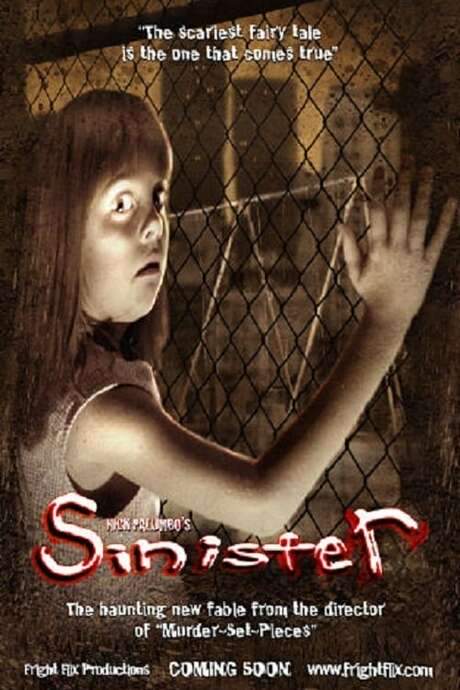
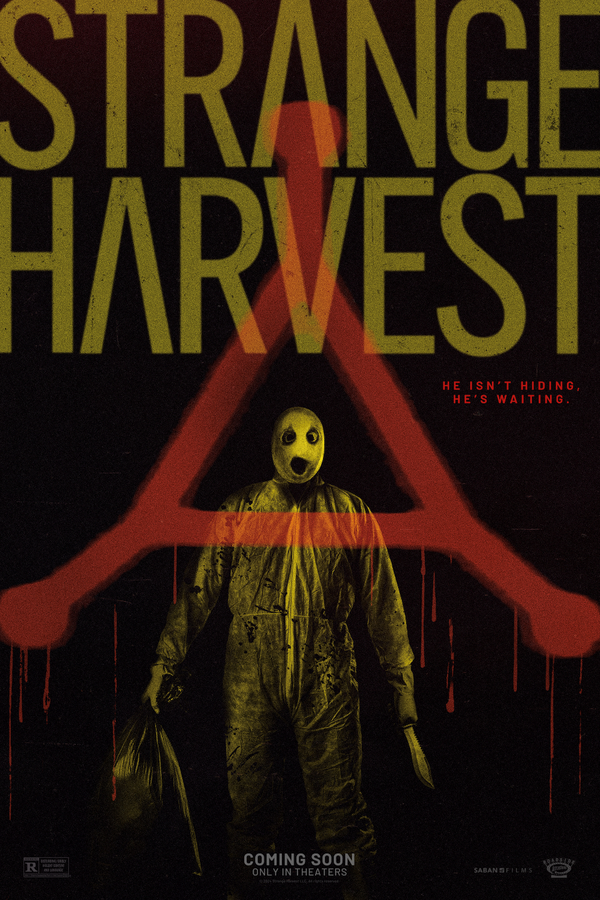
Slow burn supernatural conspiracy movies like Rosemary's Baby

Methodical thrillers where ancient evil operates unseen in the modern world. For viewers who liked the satanic cult themes and methodical reveal in Rosemary's Baby, this section features films with similar slow-burn occult conspiracies. Find more movies about hidden societies, ancient evil in modern settings, and stories where the horror is in the deliberate, unfolding plan.

  • ominous
  • slow burn
  • unsettling
  • supernatural
  • conspiratorial
  • dreamlike
  • Tone: dark, ominous, unsettling
  • Pacing: slow burn, steady reveal
Why these movies?

The story pattern: The narrative pattern involves a slow, deliberate revelation of a supernatural conspiracy, often led by a coven or secret society. The plot is linear but complex, requiring the audience to interpret subtle clues alongside the protagonist. The climax is typically not an action-filled confrontation, but a horrifying realization and moral capitulation to an inescapable fate.

Why they belong together: These films are united by their pacing and thematic focus. They share a steady, unhurried rhythm that prioritizes atmospheric dread over jump scares, and a plot structure centered on uncovering a meticulously planned supernatural scheme that targets the protagonist directly.

If you liked this

Movies Like Rosemary's Baby

Similar movies to Rosemary's Baby: the same genre, themes or kind of story. Each one comes with its own plot summary, timeline and ending explained.

Browse all movie summaries

Every angle

Rosemary's Baby (1968) Explained: Plot, Timeline & Characters

Everything about Rosemary's Baby in one place: what happens in the plot summary, the timeline in chronological order, the characters and meaning and a spoiler-free summary. What's After the Movie adds the cast, box office and post-credit scenes.

Coming soon on iOS and Android

The Plot Explained Movie Summary App

Plot summaries, endings explained and timelines on your phone. Catch up on any movie in minutes, save your favorites and never miss a twist again.

Be the first to know when we launch. Your email stays private, always.

Learn more about the app